Choosing the right lens for outdoor landscape photography can make a major difference in how you capture sweeping vistas, mountain layers, coastal scenes, forests, deserts, and dramatic skies. While camera bodies matter, lenses often have the biggest impact on composition, edge-to-edge sharpness, filter compatibility, and overall shooting flexibility in the field.
At Unique Photo, landscape photographers often ask a simple question: what is the best lens for outdoor landscape photography? The answer depends on your shooting style. Some photographers want ultra-wide drama, others prefer a versatile zoom for hiking, and some need specialized optics for architecture, stitched panoramas, or perspective control. This guide breaks down what to look for and highlights several strong options available from Unique Photo.
What Is the Best Lens for Outdoor Landscape Photography?
The best landscape lens is usually one that balances wide coverage, sharpness, portability, and weather-conscious usability. For many photographers, focal lengths between 14mm and 35mm are ideal for outdoor landscape photography because they allow you to include foreground interest, expansive skies, and environmental context.
That said, there is no single perfect focal length for every scene:
- Ultra-wide lenses are ideal for dramatic foregrounds, big skies, and immersive compositions.
- Wide-angle primes offer excellent sharpness and lighter carry weight for hiking.
- Wide zoom lenses give flexibility when you cannot physically move closer or farther.
- Tilt-shift lenses are excellent for precision composition, stitched panoramas, and controlling perspective.
If you shoot landscapes regularly, shopping with Unique Photo gives you access to a broad lens selection across mirrorless, DSLR, and medium format systems, making it easier to match your lens choice to your camera and shooting goals.
Wide-Angle vs Ultra-Wide Lenses for Landscapes
One of the most common search questions is whether a wide-angle or ultra-wide lens is better for landscapes. Both can work beautifully, but they create very different images.
Ultra-wide lenses, such as a 14mm or 20mm option, exaggerate spatial relationships. Foreground objects appear larger, backgrounds seem farther away, and compositions feel more expansive. This is great for dramatic rocks, flowers, streams, and leading lines.
Traditional wide-angle lenses, like 24mm or 30mm, often look more natural. They still include a broad field of view, but with less stretching at the edges. Many landscape photographers prefer these focal lengths for mountains, layered scenes, and environmental travel images.
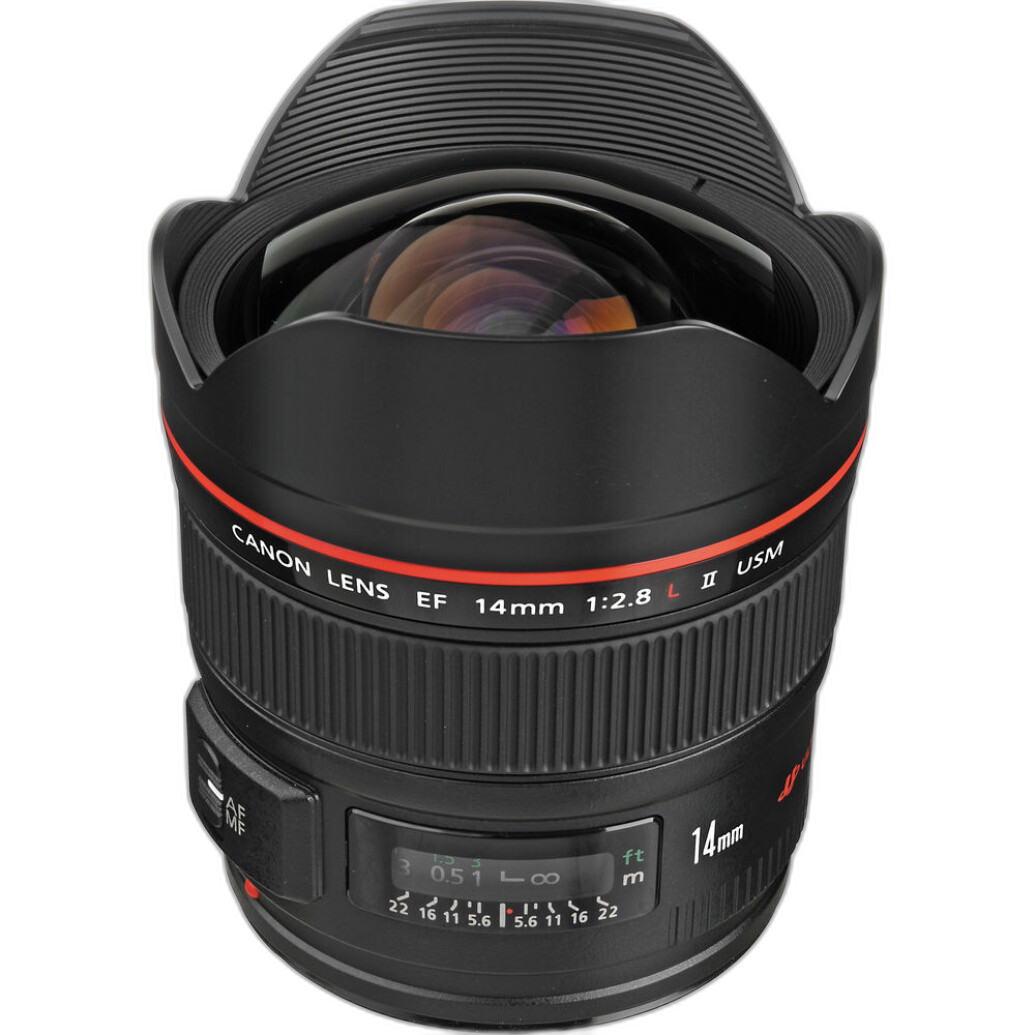
For example, the Canon EF 14MM F/2.8L II USM is an excellent choice for photographers who want maximum width for bold compositions, while a lens like the Sigma 24mm F3.5 DG Contemporary gives a more balanced perspective that is easier to use in a wider range of outdoor situations.
Key Features to Look for in a Landscape Photography Lens
When comparing the best lenses for outdoor landscape photography, focus on the features that matter most in real-world use:
- Edge-to-edge sharpness: Landscape scenes often contain detail across the whole frame, so corner performance is important.
- Filter compatibility: Neutral density and graduated filters are common tools for landscape work.
- Compact size and weight: If you hike to your locations, a lighter lens can make a big difference.
- Weather-conscious build: Outdoor photographers benefit from durable construction when conditions change quickly.
- Low distortion: Particularly important for horizons, seascapes, and scenes with architecture.
- Versatility: A zoom may be more practical for travel and changing terrain, while a prime may offer simplicity and excellent optics.
Landscape photographers shopping at Unique Photo frequently prioritize portability and filter use just as much as maximum aperture, especially for sunrise and sunset work where tripods and smaller apertures are common.
Best Prime Lenses for Outdoor Landscape Photography
Prime lenses remain a favorite for landscape photographers because they are often compact, optically strong, and compositionally disciplined. Here are a few notable options.
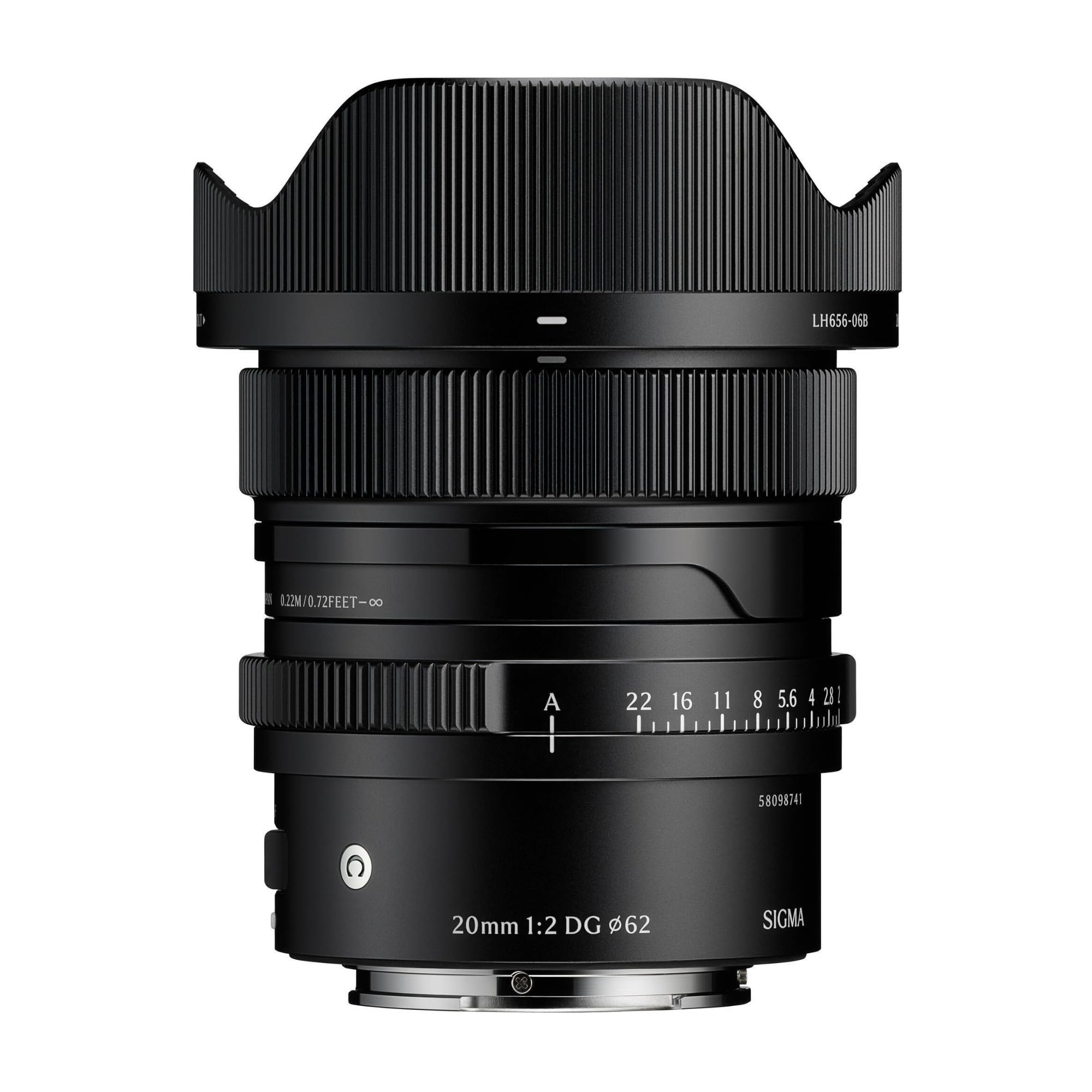
Sigma 20mm F2 DG Contemporary
The Sigma 20mm F2 DG Contemporary Lens is a strong option for photographers who want a fast, wide-angle prime that can handle both landscapes and astrophotography. At 20mm, it captures an expansive view without pushing too far into the extreme distortion sometimes associated with ultra-wide lenses.
This makes it especially useful for:
- Epic foreground-to-background compositions
- National park vistas
- Coastal scenes with dramatic skies
- Blue hour and night landscape photography
Its compact Contemporary-series design also appeals to photographers who want high image quality in a packable setup for travel and hiking.
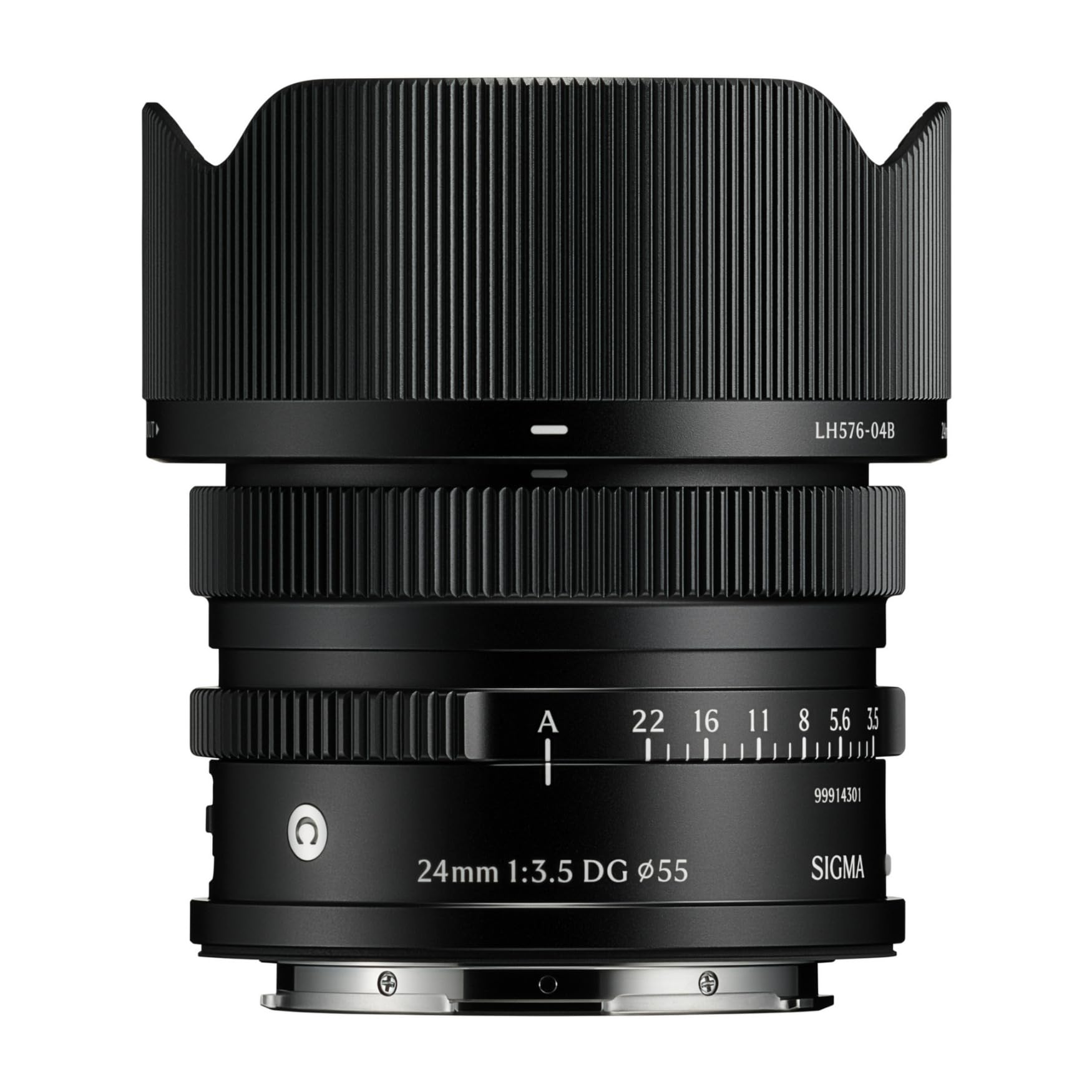
Sigma 24mm F3.5 DG Contemporary
The Sigma 24mm F3.5 DG Contemporary Lens is a smart choice for photographers who prefer a more classic landscape focal length. A 24mm field of view is highly versatile: wide enough for scenic compositions, but natural enough for environmental portraits, road trip photography, and general outdoor shooting.
It is especially appealing if you want:
- A lightweight landscape prime
- Natural-looking wide-angle framing
- Good portability for long hikes
- A simple, minimalist prime-lens kit
Unique Photo offers this lens in available configurations, making it a useful option for mirrorless photographers building a dedicated landscape setup.
Best Zoom Lens for Outdoor Landscape Photography
If you want flexibility without changing lenses in the field, a wide standard zoom can be one of the most practical choices for landscape photography.
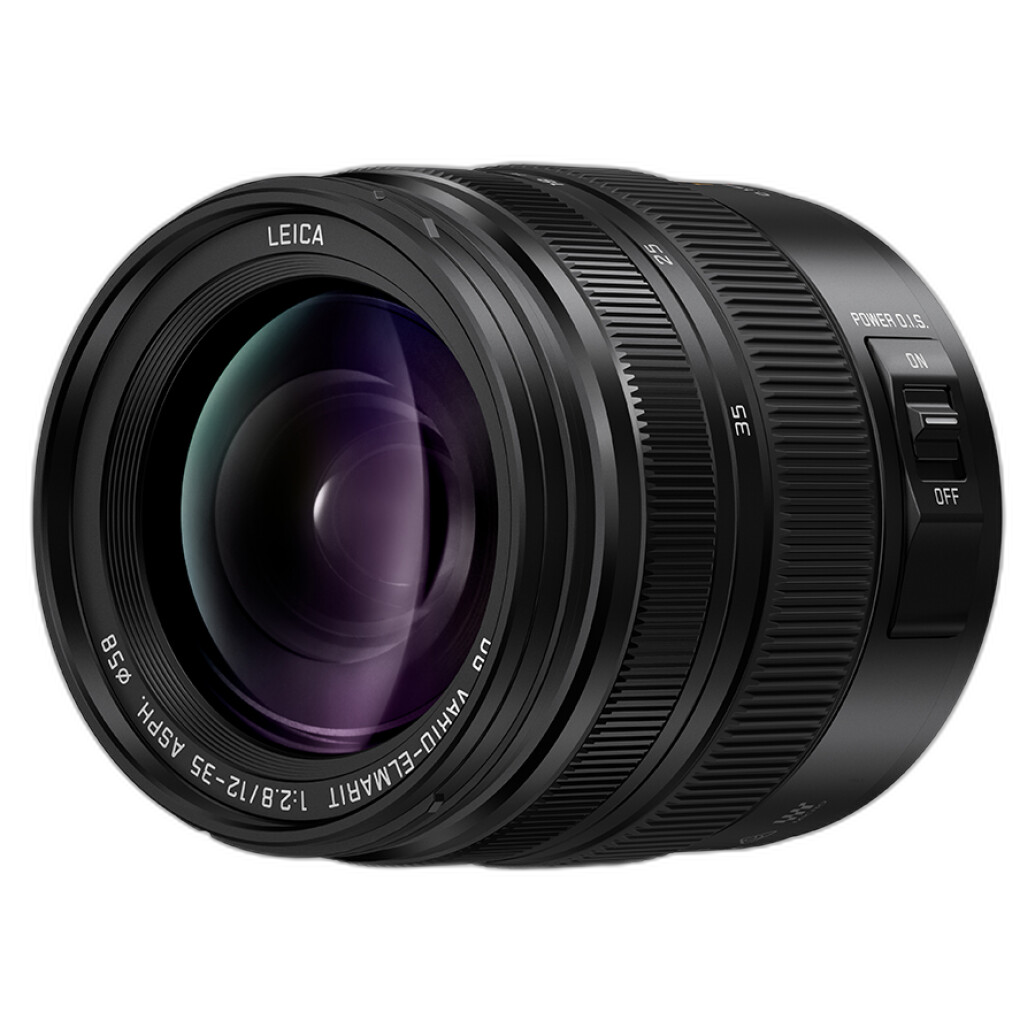
Panasonic LUMIX 12-35mm f/2.8 LEICA Vario-Elmarit DG Power O.I.S.
The Panasonic LUMIX 12-35mm f/2.8 LEICA Vario-Elmarit DG Power O.I.S. Lens is a particularly versatile option for Micro Four Thirds users. Its focal range covers everything from wide scenic views to tighter landscape details, making it a great all-purpose outdoor lens.
Why it works well for landscapes:
- 12mm on Micro Four Thirds gives you useful wide-angle coverage for scenic shooting.
- 35mm on the long end allows more selective framing of mountain ridges, trees, and compressed compositions.
- Constant f/2.8 aperture adds flexibility for low-light work and mixed subjects.
- Optical stabilization can be helpful for handheld travel photography.
For photographers who want one lens to cover hiking, travel, general nature, and landscape photography, this Panasonic zoom is a very practical recommendation from the Unique Photo catalog.
Best Ultra-Wide Lens for Dramatic Landscape Photography
For photographers chasing the most immersive look possible, ultra-wide lenses can produce standout results. They are especially effective when the foreground is strong and carefully placed.
Canon EF 14MM F/2.8L II USM
The Canon EF 14MM F/2.8L II USM is built for photographers who want dramatic width and strong low-light performance. A 14mm lens can transform ordinary foreground elements into powerful compositional anchors, making it a compelling choice for:
- Rock formations
- Waterfalls
- Seascapes
- Canyon views
- Nightscapes and starscapes
This lens is best used with careful composition. Ultra-wide images can feel empty if there is no compelling foreground subject, so it rewards a thoughtful approach. If you shoot Canon EF and want an expansive, high-impact landscape look, this is a notable option available through Unique Photo.
Specialty Lens Option for Advanced Landscape Work
Some outdoor photographers want even more control over perspective and plane of focus. That is where specialty lenses come in.
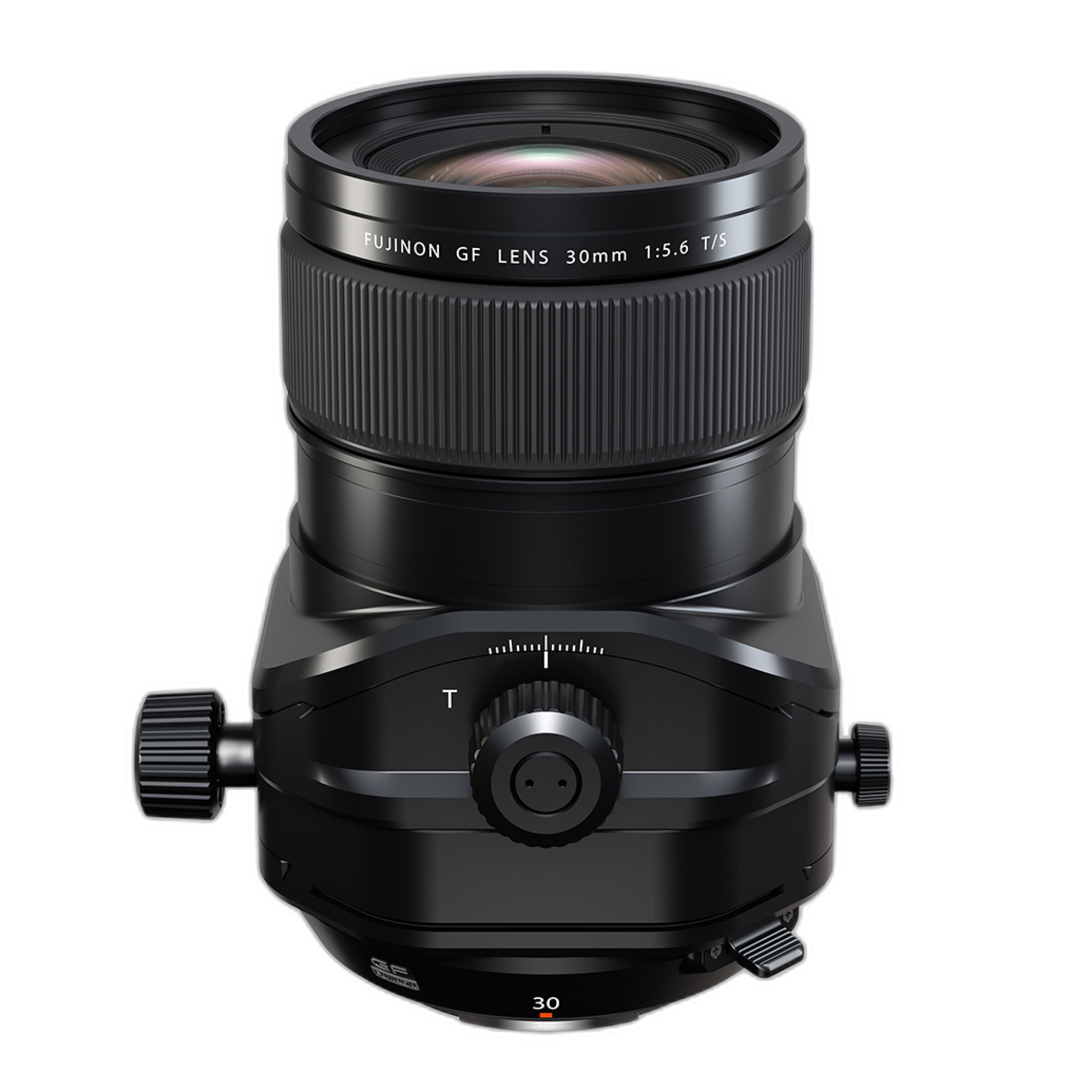
Fujifilm FUJINON GF 30mm f/5.6 T/S Lens
The Fujifilm FUJINON GF 30mm f/5.6 T/S Lens is a specialized recommendation for advanced landscape and architectural shooters using the GFX system. A tilt-shift design gives photographers the ability to fine-tune perspective and create highly controlled stitched panoramas with exceptional image quality.
This lens is especially well suited for:
- High-resolution landscape panoramas
- Architectural exteriors in scenic settings
- Precise horizon alignment
- Commercial landscape work
It is not the first lens most photographers buy, but for professionals and serious enthusiasts who want technical control, it can be a powerful creative tool from the Unique Photo lineup.
Do Landscape Photographers Need Filters?
Lenses are only part of the landscape equation. Filters remain essential for many outdoor photographers, especially those working in changing light or shooting long exposures.
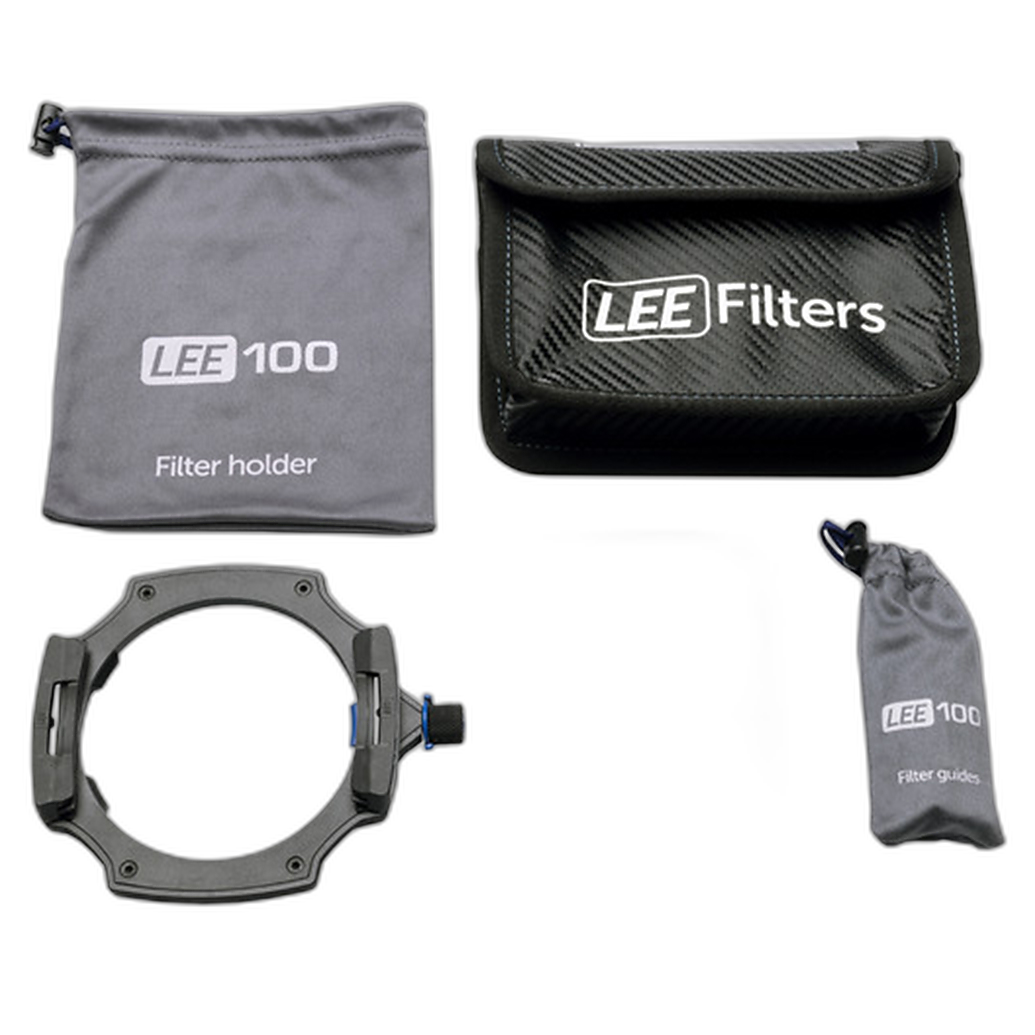
LEE Filters LEE100 Landscape Kit
The LEE Filters LEE100 Landscape Kit is a strong companion for landscape photographers who want greater control over exposure and contrast in the field. Filter systems are particularly useful when photographing bright skies over darker foregrounds, reflective water, or moving clouds.
Common uses include:
- Graduated filters to balance sky and land exposure
- Neutral density filters for long exposures of water and clouds
- Creative control without relying solely on post-processing
If you are shopping for outdoor landscape gear at Unique Photo, pairing a quality landscape lens with a trusted filter kit is one of the smartest upgrades you can make.
How to Choose the Right Landscape Lens for Your Camera System
Your ideal lens will depend heavily on your camera mount, sensor size, and shooting habits. Here are a few quick recommendations:
- Mirrorless full-frame photographers: A 20mm or 24mm prime is a great starting point for sharp, portable landscape work.
- Micro Four Thirds users: A lens like the Panasonic 12-35mm f/2.8 offers excellent versatility for travel and hiking.
- Canon EF DSLR users: A 14mm ultra-wide can be ideal if you love dramatic perspectives.
- Fujifilm GFX users: A tilt-shift option can unlock advanced perspective control and panoramic workflows.
Also think about how you actually shoot. If you often work from a tripod and carefully compose each frame, a prime may be perfect. If you move quickly or explore varied terrain, a zoom may better fit your workflow.
Tips for Better Outdoor Landscape Photos With Any Lens
Even the best landscape lens works best when paired with strong technique. Keep these field tips in mind:
- Use foreground elements to add depth.
- Check the corners of the frame for distractions.
- Stop down to a mid-range aperture for strong overall sharpness.
- Use a tripod when light is low or when shooting long exposures.
- Watch your horizon placement and edge distortion with ultra-wide lenses.
- Consider filters when the brightness range is difficult to manage.
At Unique Photo, many outdoor shooters build their landscape kits gradually: starting with one quality wide-angle lens, then adding filters, a sturdy tripod, and eventually a specialty lens as their style develops.
Final Thoughts on the Best Lenses for Outdoor Landscape Photography
The best lens recommendations for outdoor landscape photography depend on whether you value dramatic width, natural perspective, zoom flexibility, or technical control. For many photographers, a 20mm or 24mm prime is an excellent place to begin. If versatility matters most, the Panasonic 12-35mm f/2.8 is a compelling zoom option. If you want maximum visual impact, a 14mm ultra-wide can produce unforgettable images. And for advanced users, tilt-shift capability opens up an entirely different level of precision.
Unique Photo is a great place to compare landscape photography lenses, filters, and supporting gear for your specific camera system. If you are building out your kit, consider also exploring internal category pages and related resources such as camera lenses, filters, mirrorless lenses, and educational content on tripods, filters, and outdoor shooting technique.
With the right lens and a thoughtful approach to light and composition, outdoor landscape photography becomes even more rewarding.