Outdoor and landscape photographers are constantly comparing lenses to find the right balance of width, sharpness, speed, portability, and filter compatibility. In community discussions, the same questions come up again and again: Is an ultra-wide lens best for dramatic foregrounds? Do mid-range focal lengths create more natural compositions? Is a fast lens really necessary for landscapes? And what supporting gear matters most in the field?
At Unique Photo, these are some of the most common topics photographers bring up when building a kit for hiking, travel, scenic vistas, seascapes, and changing light outdoors. Community feedback shows there is no single perfect landscape lens, but there are clear strengths and tradeoffs depending on focal length, aperture, and accessories.
Best focal lengths for landscape photography
One of the biggest points of comparison in lens discussions is focal length. Landscape photography is often associated with ultra-wide lenses, but experienced shooters regularly point out that great outdoor images can be made across a broad range, from 14mm all the way to 135mm and beyond.
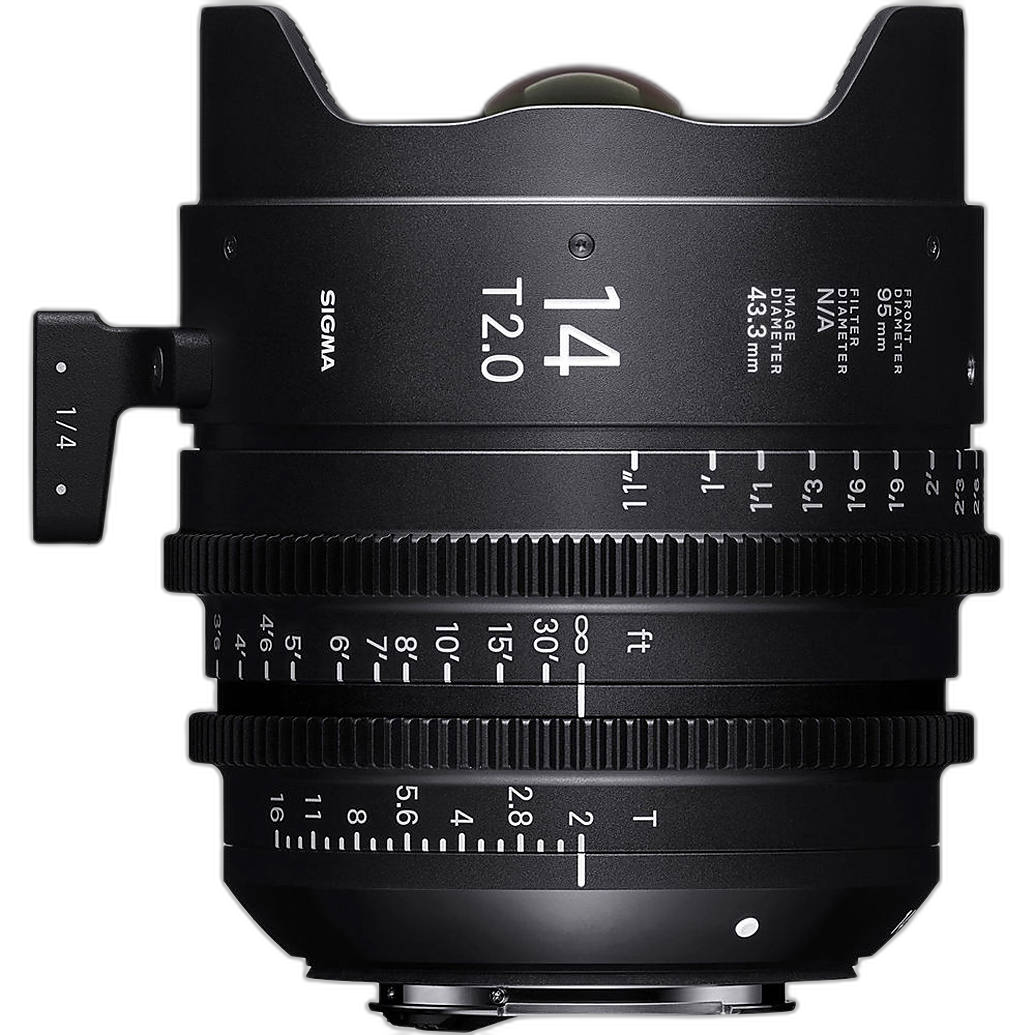
Ultra-wide lenses like 14mm are popular for sweeping vistas, dramatic skies, and compositions with strong foreground elements. Community members often praise the immersive perspective and the ability to work in tight spaces, especially on trails, overlooks, and inside natural formations. The tradeoff is that wide lenses can make distant mountains appear smaller than they felt in person, and careless framing can leave too much empty space.
Wide-to-standard focal lengths are often preferred when photographers want more natural proportions. Many shooters say this range is easier to compose with because it avoids excessive stretching at the edges while still capturing a broad scene. For general outdoor photography, this range is frequently considered the most versatile.
Short telephoto and telephoto lenses are highly valued in community reviews for isolating layers in a landscape. Compression can make distant ridges, trees, rock formations, and weather patterns feel more prominent and graphic. A longer lens can also simplify cluttered scenes by narrowing the field of view.
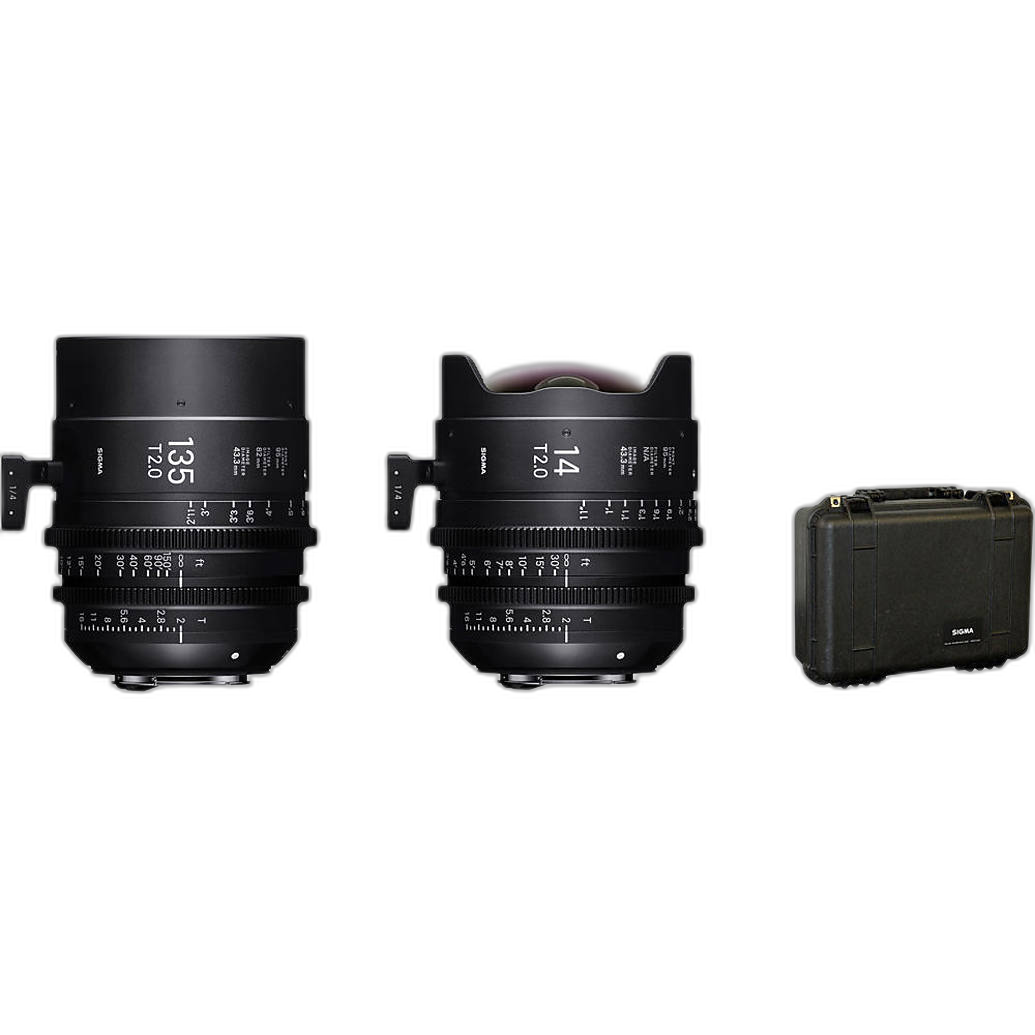
That is why lens kits that span both extremes generate so much interest. A combination like a 14mm and 135mm setup covers two distinctly different approaches to landscape work: one for expansive environmental storytelling and one for selective framing and compressed perspective.
14mm vs 135mm for outdoor and landscape photography
A common comparison in user communities is the practical difference between very wide and long focal lengths when shooting outdoors. The answer depends on what kind of landscape story the photographer wants to tell.
Using 14mm for landscapes
- Excellent for emphasizing foreground subjects like rocks, flowers, driftwood, and leading lines
- Useful for dramatic skies, Milky Way scenes, and immersive compositions
- Can help photographers work in confined locations where stepping back is not possible
- Requires careful edge control to avoid distracting distortion and stretched elements
Using 135mm for landscapes
- Ideal for isolating details in mountains, forests, and distant terrain
- Creates compressed layers that can make scenes feel denser and more impactful
- Helpful for minimizing distractions and simplifying composition
- Demands stable support and technique, especially in wind or low light
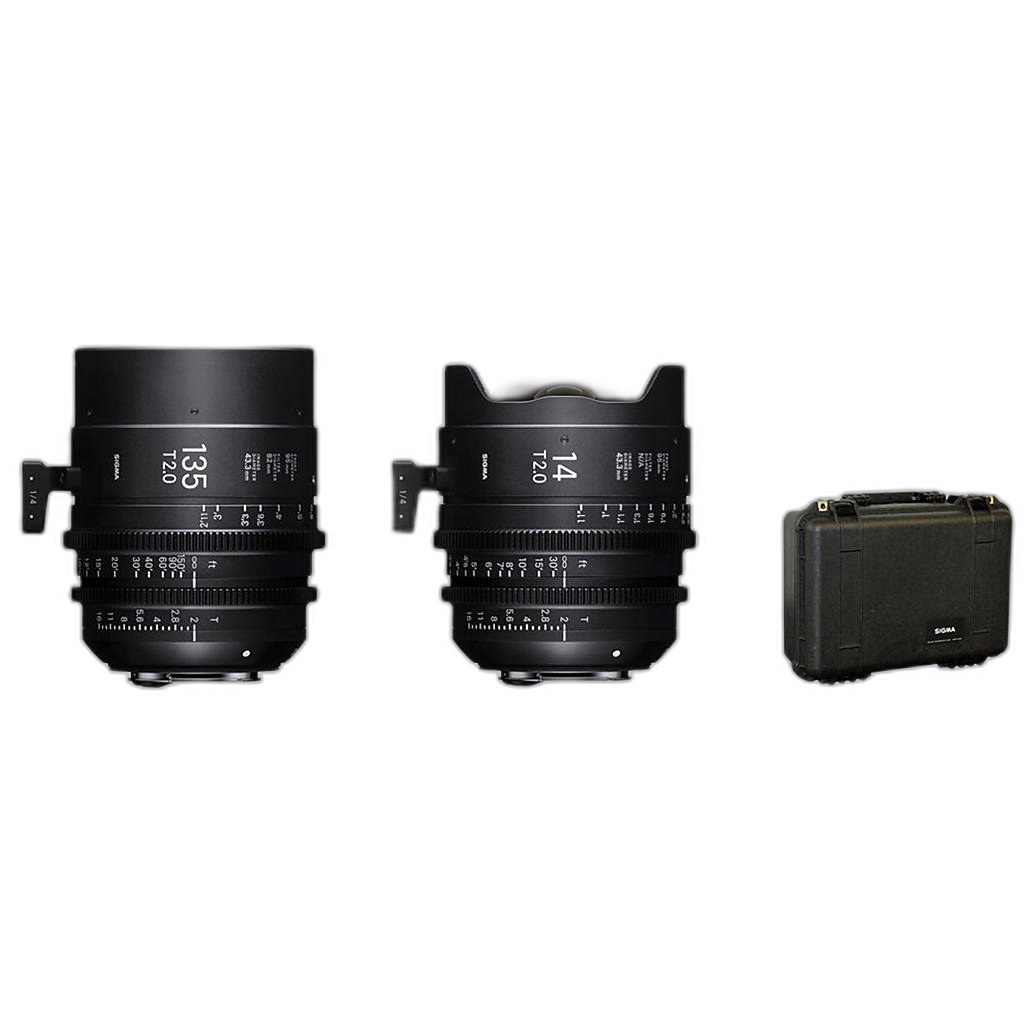
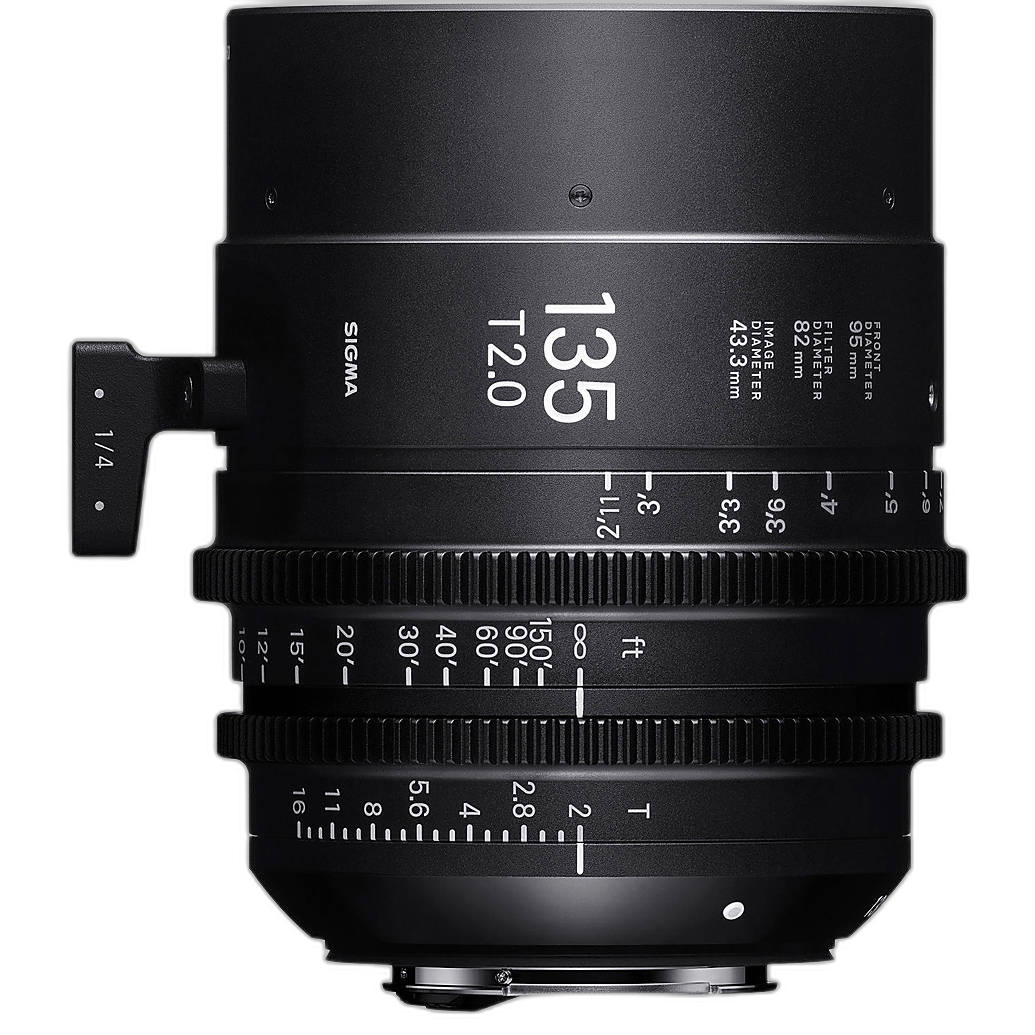
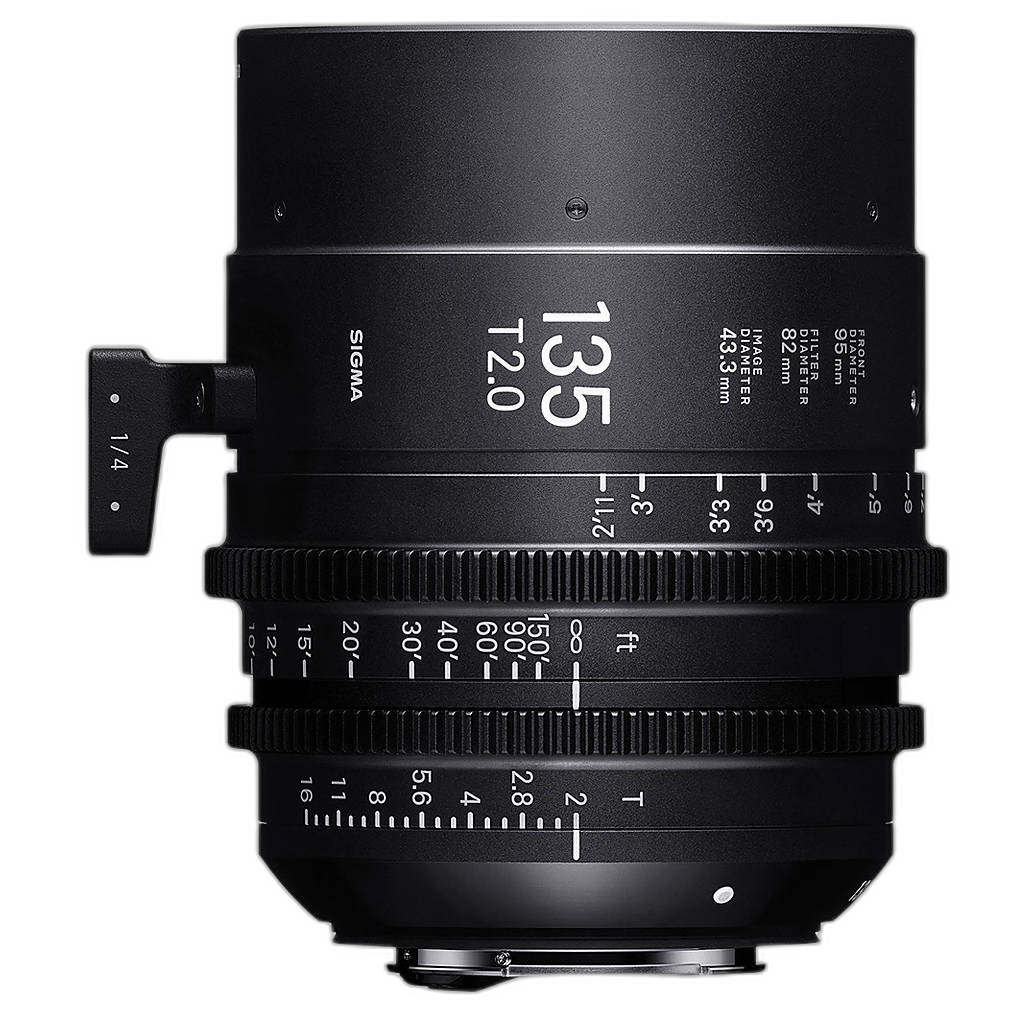
Photographers discussing these two extremes often note that neither replaces the other. Instead, they serve different visual goals. A lens pairing such as the Sigma 14mm T2 and 135mm T2 FF High-Speed Prime Lens Kit stands out because it gives image makers a wide storytelling tool and a telephoto isolation tool in one matched system. While these Sigma kits are designed for cinema workflows, the focal length discussion around 14mm and 135mm translates directly to outdoor visual composition for hybrid shooters and creators who work across stills and motion.
How lens speed affects outdoor photography
Another frequent debate is lens speed. Many landscape images are shot stopped down for maximum depth of field, so some photographers wonder whether fast lenses are worth it. Community reviews generally land on a nuanced answer: aperture speed matters, but not always for the reason beginners assume.
Why fast lenses help outdoors:
- Better low-light performance at sunrise, sunset, blue hour, and night
- Brighter viewing and easier focusing in dim conditions
- Greater flexibility for astrophotography and environmental portraiture outdoors
- Improved creative options for selective focus when landscapes include nearby subjects
Why speed is not everything:
- Many traditional landscape shots are captured around mid apertures for edge-to-edge detail
- Weight and cost may be higher with faster optics
- Filter size and field handling can become more demanding
Fast optics such as T2 primes are especially appealing to photographers and filmmakers who regularly work in changing natural light. At Unique Photo, gear shoppers often look for lenses that can transition from golden-hour landscapes to low-light outdoor video without changing creative momentum.
Pros and cons of ultra-wide lenses for landscapes
Community members are often enthusiastic about ultra-wide lenses, but experienced reviewers are quick to point out that these lenses demand discipline.
Pros of ultra-wide landscape lenses
- Capture a larger field of view for dramatic scenic images
- Make foreground subjects feel larger and more immediate
- Excellent for environmental compositions and expansive skies
- Useful for night landscapes and architecture in outdoor settings
Cons of ultra-wide landscape lenses
- Distant subjects can appear less impressive if not composed carefully
- Empty foregrounds can weaken the image
- Edge stretching may affect trees, people, or structures near the frame
- Some very wide designs can complicate filter use depending on front element shape
In practical reviews, photographers say a 14mm lens works best when there is a strong foreground anchor and a clear visual path through the frame. Without that structure, images can feel broad but not compelling.
Why telephoto lenses are underrated for landscape photography
Many community discussions eventually shift toward the importance of telephoto lenses. While wide lenses often get the attention, longer focal lengths are repeatedly described as essential for mature landscape composition.
Telephoto lenses help photographers isolate mountain peaks, abstract repeating forms, distant weather, and bands of color. They also make it easier to exclude parking lots, signage, and distractions near popular locations. Reviewers often mention that some of their strongest outdoor images were made with a longer focal length because the lens allowed them to extract order from a visually busy scene.
A 135mm focal length sits in a particularly useful range. It is long enough to compress perspective and isolate details, yet still manageable for hikers and location shooters who want reach without the bulk of larger super-telephoto systems.
Do filters matter for landscape lens performance?
Filters are a major part of lens discussions for outdoor and landscape photography. Even when photographers agree on focal length, they often differ on filter priorities.
Circular polarizers remain one of the most recommended filters for landscapes. Community members use them to reduce glare on water and leaves, deepen blue skies, and improve color saturation in natural scenes. However, users also caution that polarizer effects can appear uneven on very wide lenses, especially in broad skies.
Neutral density filters are widely praised for long-exposure work. They help soften water, blur clouds, and manage bright daylight when the goal is a slower shutter speed. Strong NDs are common in seascape and waterfall photography.
Graduated neutral density filters still have a place for photographers who prefer balancing exposure in-camera, particularly when the sky is much brighter than the land.
One consistent point in community comparisons is that filter friendliness matters. Before buying any landscape lens, photographers often check thread size, front element design, and compatibility with holder systems. At Unique Photo, that practical compatibility question is often just as important as sharpness charts.
Supporting gear that improves outdoor lens results
Lens performance in the field is not only about the glass itself. Community reviewers regularly stress that supporting gear can make a dramatic difference in outdoor image quality.
Tripods are often considered essential for sharp landscapes in low light, long exposures, and telephoto work. A stable support becomes even more important with longer focal lengths such as 135mm.
Lens hoods help maintain contrast when shooting toward low sun, side light, or reflective surfaces. Flare resistance is a key performance factor outdoors.
Remote releases or self-timer use reduce vibration during slower exposures.
Protective carrying solutions also matter for location work. Kits like the Sigma 14mm T2 and 135mm T2 FF High-Speed Prime Lens Kit with Case are especially appealing for shooters who need organized transport between vehicles, trails, and set locations.
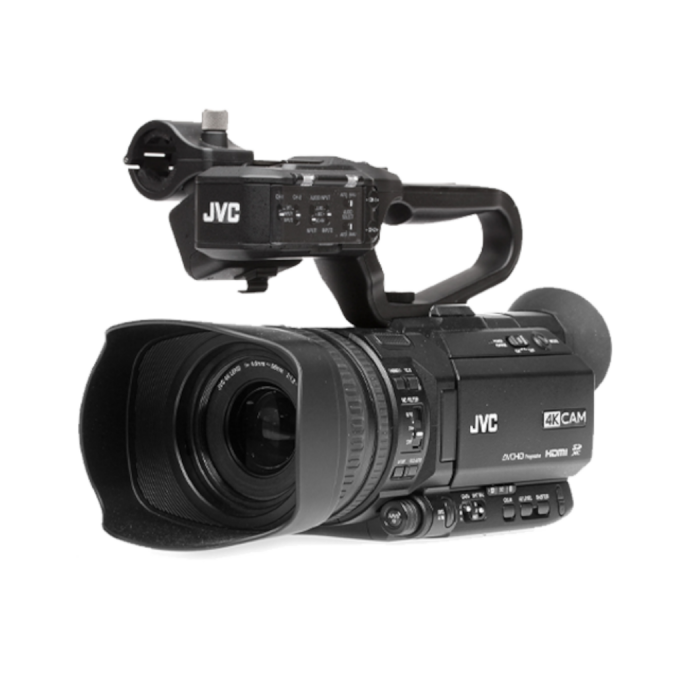
For creators who blend landscape coverage with video, there are times when an integrated-lens system may also be relevant. A product like the JVC GY-HM250SP Compact Handheld Camcorder with Integrated 12x Lens represents a different approach entirely, prioritizing convenience, fast deployment, and all-in-one field use rather than interchangeable-lens landscape specialization.
Sharpness, contrast, and real-world lens performance outdoors
When community members compare landscape lenses, sharpness is always part of the conversation. But real-world performance goes beyond center sharpness alone.
Photographers often evaluate:
- Edge-to-edge sharpness for large scenic compositions
- Micro-contrast for texture in rocks, foliage, and distant ridges
- Flare control when shooting sunrises and sunsets
- Chromatic aberration control around branches, mountain edges, and high-contrast transitions
- Corner behavior especially on ultra-wide lenses
Community consensus usually favors lenses that stay consistent across the frame and handle difficult light gracefully. In outdoor photography, contrast retention and flare resistance can be just as important as absolute sharpness figures.
Choosing the right landscape lens setup for your style
After comparing countless reviews, one theme stands out: the best outdoor and landscape lens is the one that fits the way you actually shoot.
You may prefer an ultra-wide lens if you:
- Love dramatic foreground-to-background compositions
- Shoot night skies and immersive vistas
- Work in tight or enclosed outdoor spaces
You may prefer a telephoto lens if you:
- Enjoy isolating distant details and layered scenes
- Want cleaner, more graphic compositions
- Often photograph mountains, deserts, or changing weather far from your position
You may want both if you:
- Travel specifically for landscape photography
- Shoot both stills and video outdoors
- Need flexibility for everything from sweeping scenes to compressed details
That is why versatile combinations continue to attract attention. Sigma 14mm and 135mm lens kits available at Unique Photo naturally align with two of the most discussed landscape focal length strategies: go very wide for impact, or go longer for subject isolation.
Final thoughts on community lens comparisons for landscape photography
Community reviews make one thing clear: outdoor and landscape photography is about matching lens behavior to scene, light, and intent. Ultra-wide lenses like 14mm excel when you want scale, foreground drama, and immersive perspective. Telephoto options like 135mm shine when you want to isolate, simplify, and compress the landscape. Fast lenses add flexibility for low-light work, while filters and support gear often have a major impact on real-world results.
Unique Photo is a strong resource for photographers and hybrid creators comparing focal lengths, lens systems, and field accessories for outdoor work. Whether you are building a dedicated landscape kit or expanding into motion capture in natural environments, thoughtful gear selection can transform both your process and your final images.
For next steps, consider adding internal links to related Unique Photo category pages or blog content such as wide-angle lenses, telephoto lenses, filters for landscape photography, tripods for outdoor photography, and Sigma lenses and cinema optics to help readers continue their research.