Introduction: Reading Low-Light Lens Compare Results the Right Way
Low-light comparisons can be some of the most misleading tests photographers and filmmakers run. A lens that looks technically sharper in a controlled chart test may produce harsher shadows, clipped highlights, or overly clinical contrast in real-world night scenes. That is exactly where diffusion and contrast-control filters enter the conversation. For anyone using a Lens Compare beta tool and trying to interpret results for dim interiors, street-lit exteriors, concerts, or moody narrative work, Tiffen’s Low Contrast and Low Light Ultra Contrast filters are useful reference points because they do not simply make an image softer—they selectively reshape tonal separation.
In practical terms, these filters can help you judge whether a lens is rendering low-light scenes too harshly, too crisply, or with more shadow density than you actually want. Instead of treating the compare result as a straight win-or-lose sharpness contest, it is smarter to ask how the lens behaves in blacks, highlight roll-off, halation-adjacent glow, and perceived texture under mixed lighting. That is where Tiffen’s filtering options become highly relevant.
This review focuses on how to interpret low-light comparison outcomes through the lens of these Tiffen tools, especially the Low Contrast line and the Low Light Ultra Contrast line. They are not interchangeable, and understanding their differing effects is key to drawing better conclusions from Lens Compare beta results.
Product Positioning: What These Tiffen Filters Are Really For
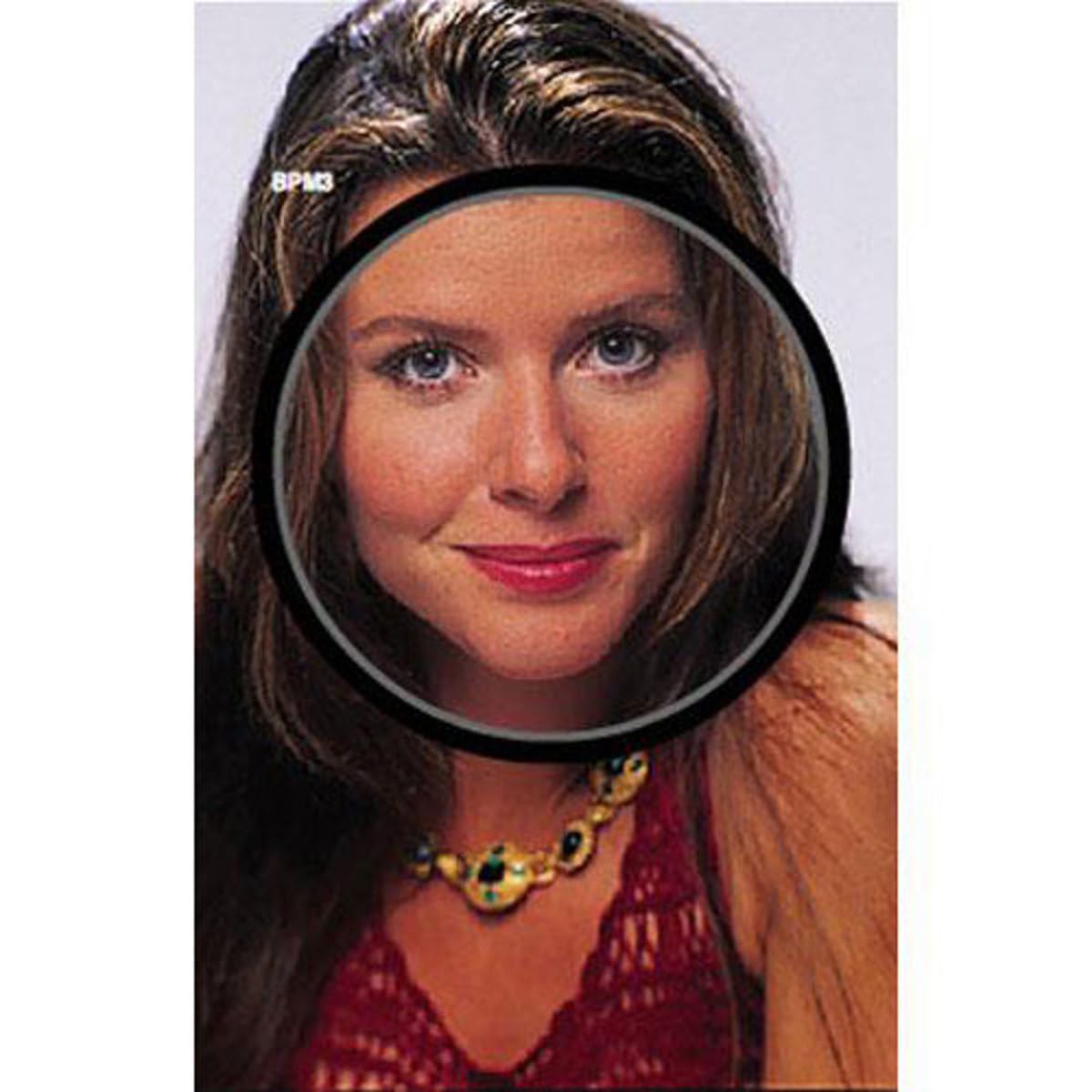
Tiffen Low Contrast filters are designed to reduce contrast by lifting shadow areas while preserving an overall natural image structure. They are especially useful when a lens-camera combination produces blacks that feel too deep or scenes that look too stark under practical lighting. The effect can range from subtle to pronounced depending on the strength.
Tiffen Low Light Ultra Contrast filters take that concept into more specialized territory. They are intended for challenging low-light conditions where you want to open up shadow detail without the more obvious brightening or washed-out look that some conventional contrast-lowering filters can create. In lens testing terms, these are valuable because they reveal whether what you dislike in a comparison is really the lens—or just the way the lens handles scene contrast in darkness.
Key Features to Understand When Comparing Low-Light Results
Low Contrast Filters: Better Shadow Separation Without a Heavy-Handed Diffusion Look
The Tiffen Low Contrast series is well suited to users who want to subtly lower scene contrast while keeping detail perception relatively intact. This matters in Lens Compare beta scenarios because one lens may appear "better" simply because it renders deeper blacks and stronger microcontrast. In real low-light shooting, though, that same rendering can crush useful information in dark clothing, night architecture, or skin tones under practical lamps.
The available strengths here include:
- Tiffen 82mm LOW CONTRAST 1/2
- Tiffen 82mm LOW CONTRAST 1
- Tiffen 82mm LOW CONTRAST 2
- Tiffen 82mm LOW CONTRAST 3
- Tiffen 82mm LOW CONTRAST 4
For many shooters, the Low Contrast 1/2 is the most realistic starting point. It is the kind of filter that can improve the look of digital low-light footage or stills without making the filtration itself obvious. As filter strengths increase, the effect becomes more stylized and easier to spot in side-by-side comparisons.
Low Light Ultra Contrast: Designed for Dark Scenes Where Shadow Recovery Matters Most
The Tiffen Low Light Ultra Contrast range is especially relevant to the topic of low-light interpretation. These filters are made to hold onto a more believable night-time feel while still reducing excessive contrast. If your Lens Compare beta results are showing lenses that differ mainly in shadow retention, this series can help you understand whether the issue is optical rendering or just tonal treatment.
The available strengths shown here are:
- Tiffen 72mm LOW LIGHT ULTRACONTRAST 1
- Tiffen 72mm LOW LIGHT ULTRACONTRAST 4
- Tiffen 72mm LOW LIGHT ULTRACONTRAST 5
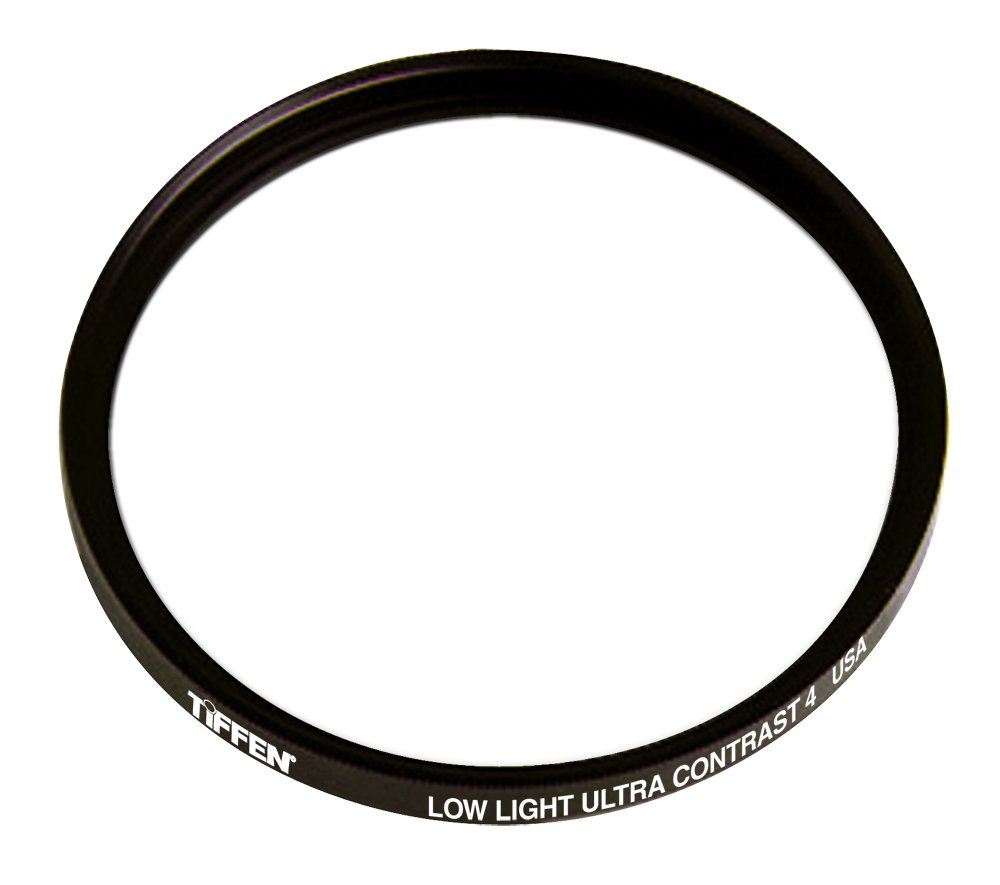
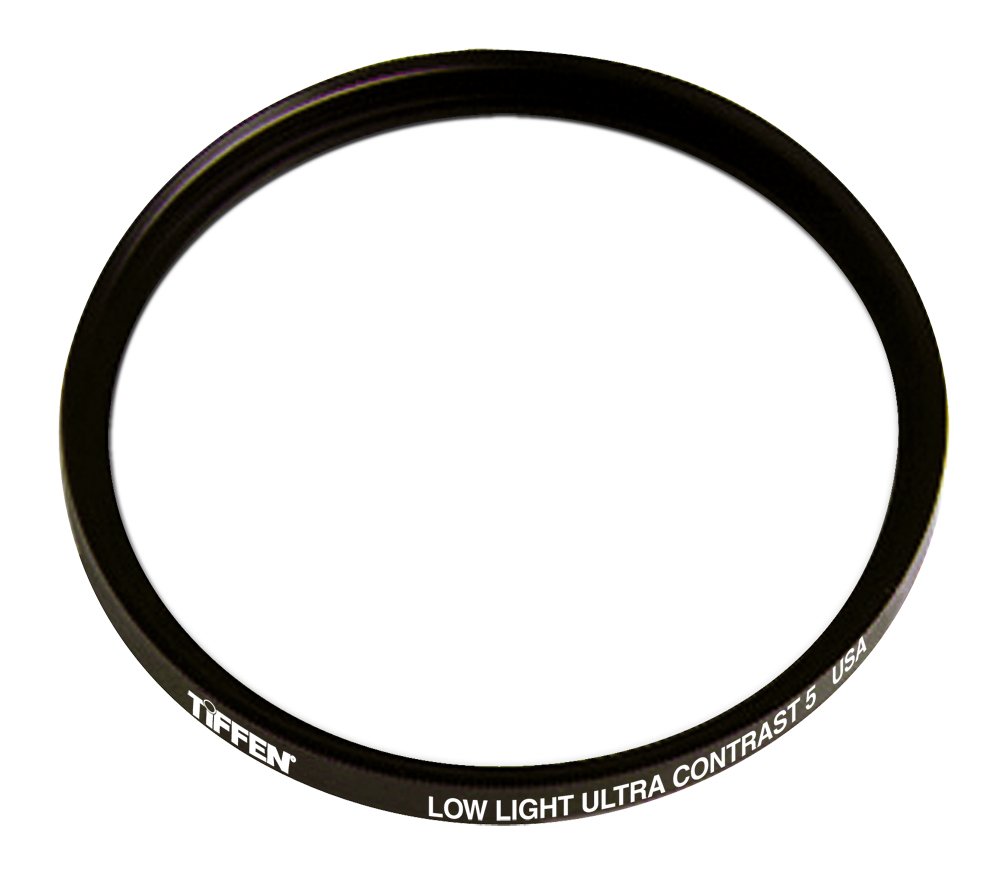
The lower strengths are more practical for broad use, especially when you still want lens personality to come through. Higher strengths are more specialized and are best reserved for productions or creators who intentionally want a more transformed tonal structure in dark scenes.
Why Lens Compare Beta Can Mislead You in Low Light
A common mistake in beta comparison tools is overvaluing edge acuity and high local contrast from static crops. In low light, that can favor lenses that seem punchier but actually produce less pleasing images once practical highlights, skin texture, and deep shadows are involved. When you add a Tiffen Low Contrast or Low Light Ultra Contrast filter into the equation—even conceptually—you begin to see a better hierarchy of priorities:
- Can the lens retain mood without crushing blacks?
- Do highlights stay controlled, or do they feel brittle?
- Does the image still look dimensional after contrast is moderated?
- Is the lens genuinely resolving more detail, or just emphasizing contrast edges?
This is why interpreting low-light results should involve more than pixel-level sharpness. In many real-world workflows, a slightly less aggressive lens paired with a carefully chosen contrast filter will produce the more cinematic or more flattering image.
How Each Filter Strength Fits Real Low-Light Testing
Best for Subtle Correction: Low Contrast 1/2 and Low Contrast 1
If your beta comparisons show that a lens is nearly right but just too crisp or contrasty in shadows, the gentler Low Contrast options are the most useful benchmark. They preserve the original character of the lens while easing harsh tonal transitions. This makes them ideal for wedding receptions, indoor events, restaurant scenes, or documentary interviews in practical light.
Best for Noticeable Contrast Control: Low Contrast 2 and 3
These strengths begin to create a more visible low-contrast signature. They can be excellent in stylized portraiture or narrative work where mood matters more than maximum bite. In a compare tool context, they help demonstrate how much of your dissatisfaction with a lens comes from tonal density rather than from actual optical weakness.
Best for Strong Stylization: Low Contrast 4 and Low Light Ultra Contrast 4/5
These are not subtle options. They are best for experienced users who know they want a stronger atmospheric effect. In low-light work, they can be effective for dreamier scenes, highly controlled sets, or situations where preserving a softer, more open shadow structure is worth a significant shift in image character.
Best Low-Light Problem Solver: Low Light Ultra Contrast 1
Among the filters discussed here, this is arguably the most balanced option for users specifically focused on night and low-illumination interpretation. It offers a strong conceptual baseline for evaluating whether your lens compare result is being skewed by harsh contrast. It is a smart choice for shooters who want help in the shadows without making the image feel overtly filtered.
Pros and Cons
Pros
- Excellent tools for evaluating and refining low-light image contrast beyond simple sharpness tests
- Tiffen offers multiple strengths, from subtle correction to strong stylization
- Low Contrast filters can preserve a natural look while lifting dense shadow regions
- Low Light Ultra Contrast options are particularly useful for moody night scenes
- Helpful for filmmakers and photographers who want more flattering tonal rendering from modern lenses and digital sensors
- Useful educational references when interpreting Lens Compare beta results
Cons
- Not all users will want reduced contrast; some may prefer a cleaner, punchier native lens look
- Higher strengths can become obvious and are less universally usable
- Comparing 72mm and 82mm filter options requires attention to lens thread size or step-up rings
- These filters do not replace good exposure technique or careful post-processing
- Beta comparison tools may still fail to fully represent how these filters affect motion footage and live scenes
Review Takeaway: How to Use These Filters as a Lens Compare Reality Check
If you are using a Lens Compare beta feature for low-light evaluation, the smartest takeaway is this: do not confuse more contrast with better image quality. Tiffen’s Low Contrast and Low Light Ultra Contrast filters illustrate just how much the perceived success of a lens depends on tonal behavior, not just resolution.
The Tiffen 82mm Low Contrast 1/2 stands out as the most versatile and broadly useful option for subtle image shaping. The Tiffen 72mm Low Light Ultra Contrast 1 is the strongest recommendation for shooters specifically concerned with low-light interpretation and shadow handling. Stronger versions such as Low Contrast 3 or 4 and Low Light Ultra Contrast 4 or 5 are more niche, but they can be powerful in the right creative setup.
Verdict and Recommendation
As a group, these Tiffen filters are not just accessories—they are practical image-analysis tools for anyone trying to make better sense of low-light lens comparisons. They help separate true optical performance from contrast bias, and that makes them especially valuable for hybrid shooters, cinematographers, and advanced enthusiasts working in difficult lighting.
If you want the safest starting point, choose the Tiffen 82mm LOW CONTRAST 1/2. If your primary concern is preserving detail and nuance in dark scenes, start with the Tiffen 72mm LOW LIGHT ULTRACONTRAST 1. For buyers ready to explore the full range, Unique Photo is an excellent place to buy these Tiffen filters and compare the available strengths for your shooting style.