Landscape Photography: Ultra-Wide Sony Lenses Compared
For landscape photographers shooting Sony full-frame, lens choice shapes everything from perspective and foreground emphasis to low-light flexibility and packability on the trail. In this comparison, we’re looking at two compelling options for expansive scenes: the Sony FE 12-24mm f/2.8 GM and the Tamron 16-30mm F/2.8 Di III VXD G2 for Sony E. While only one is a Sony-branded lens, both target photographers who want dramatic wide-angle coverage for mountains, coastlines, architecture, interiors, and environmental scenes.
The big question is simple: do you want the most extreme angle of view Sony shooters can get in a premium f/2.8 zoom, or do you want a more versatile and likely more approachable ultra-wide zoom range? For landscape work, both lenses make a strong case.
Side-by-Side Specs
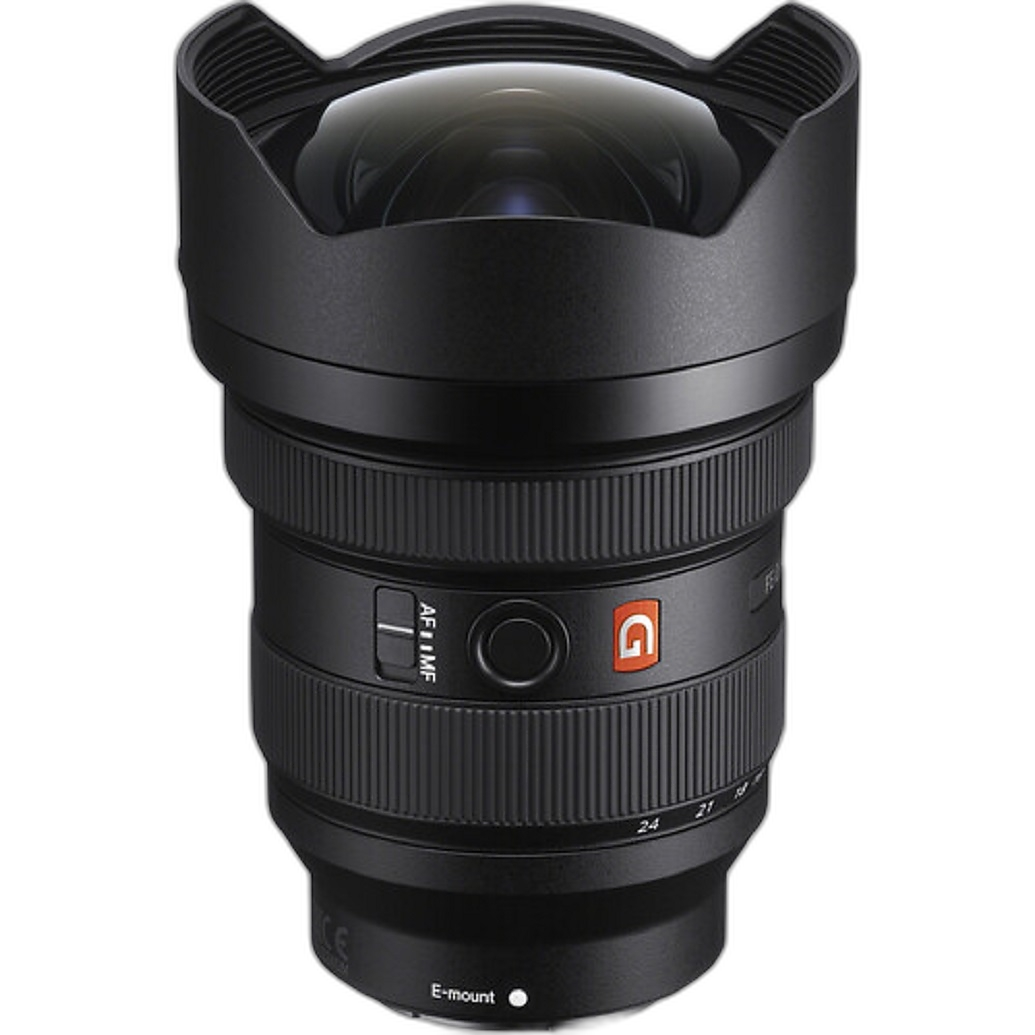
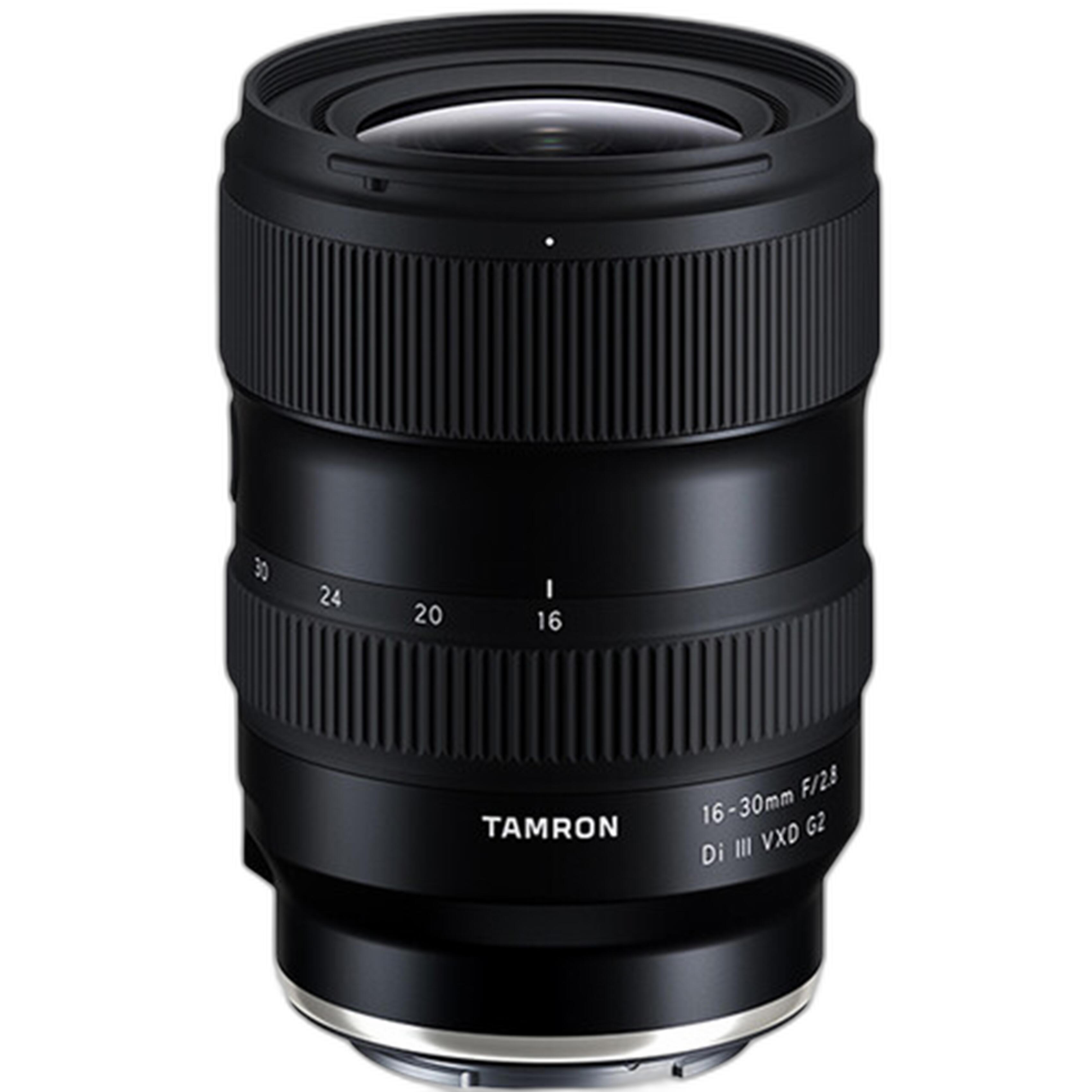
| Specification | Sony FE 12-24mm f/2.8 GM | Tamron 16-30mm F/2.8 Di III VXD G2 |
|---|---|---|
| Mount | Sony E | Sony E |
| Format Coverage | Full-frame | Full-frame |
| Focal Length | 12-24mm | 16-30mm |
| Maximum Aperture | f/2.8 | f/2.8 |
| Primary Strength | Extremely wide field of view | Broader everyday ultra-wide versatility |
| Best For | Epic vistas, interiors, astro, dramatic foregrounds | Landscapes, travel, architecture, general wide-angle use |
| Brand Tier | Sony G Master | Tamron Di III VXD G2 |
Design and Handling
Sony FE 12-24mm f/2.8 GM
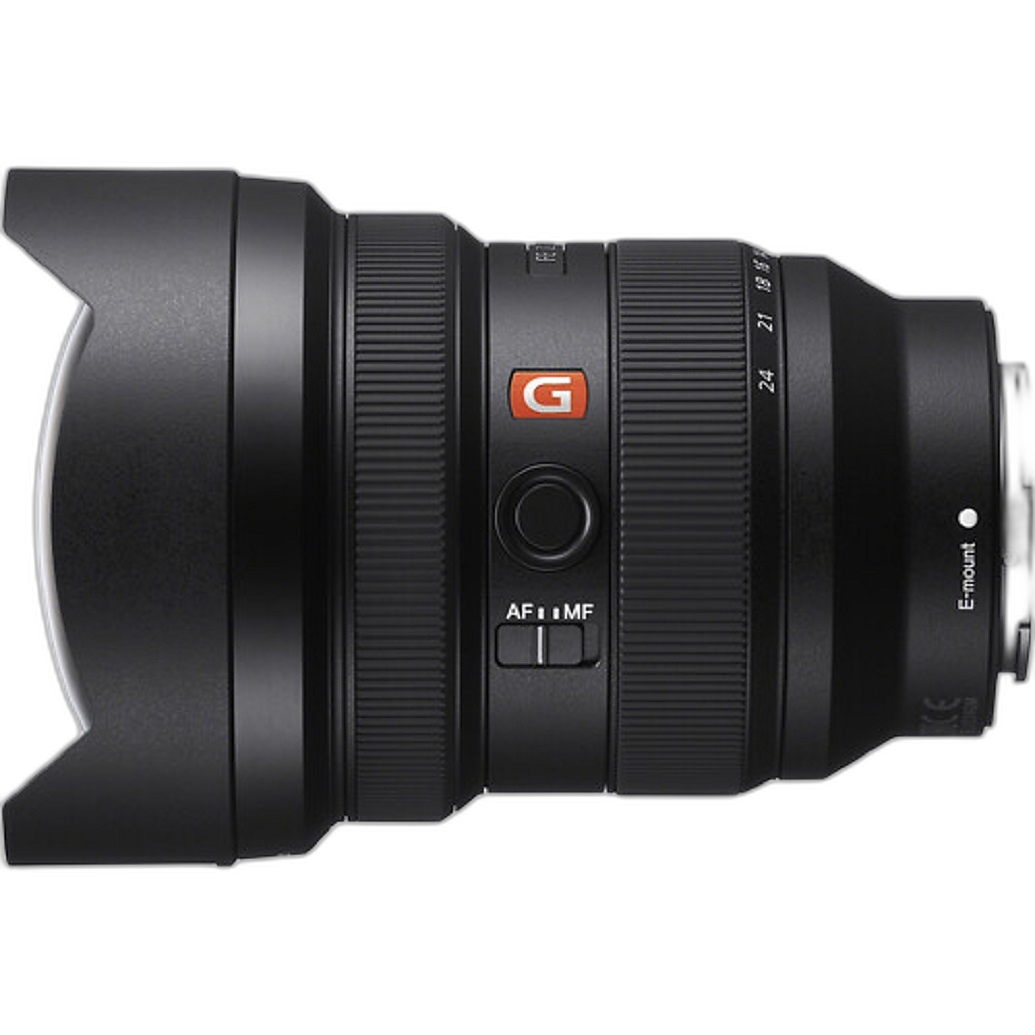
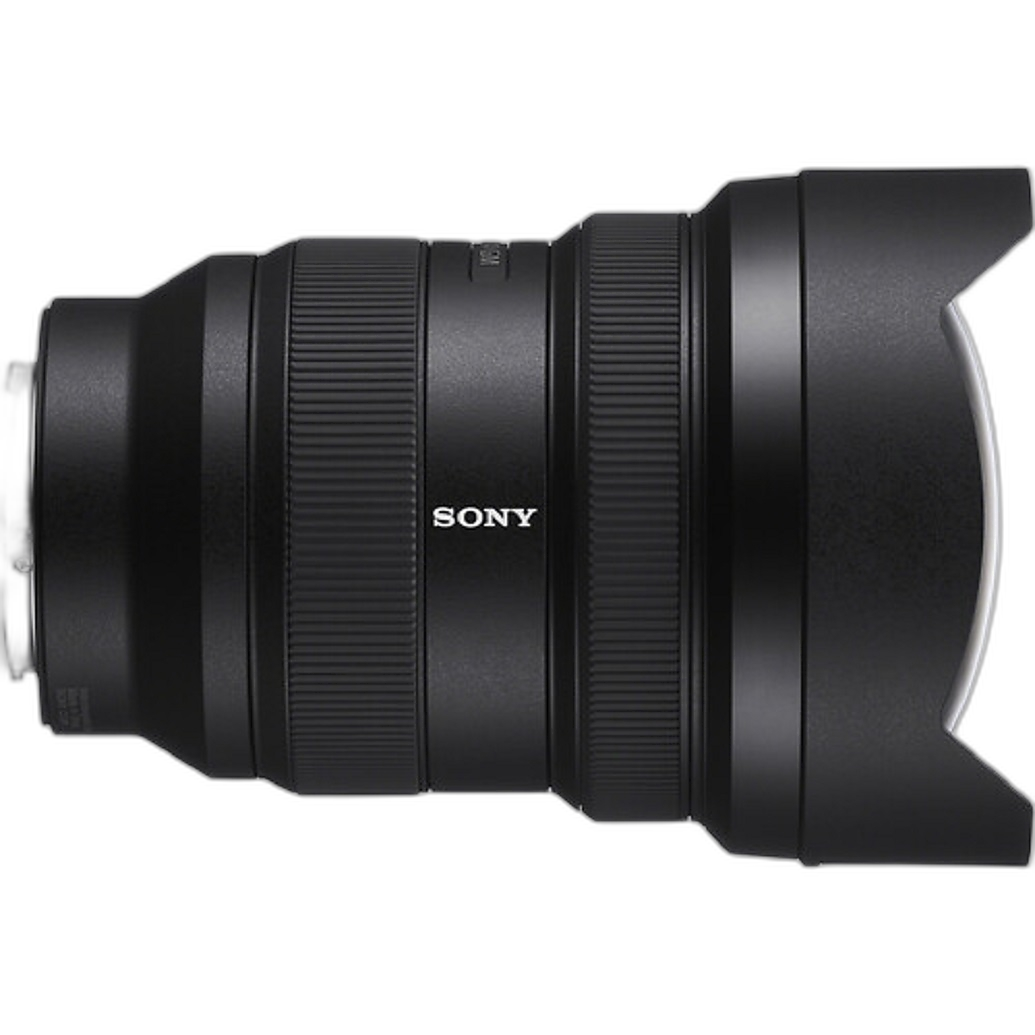
The Sony 12-24mm f/2.8 GM is built for photographers who want no compromises in angle of view. At 12mm, it delivers a strikingly expansive look that can make foreground rocks, flowers, or leading lines feel huge while pushing distant peaks deep into the frame. That’s a signature ultra-wide landscape aesthetic, and Sony’s G Master designation signals its premium intent.
Because this lens reaches such an extreme field of view, it’s especially attractive for shooters working in tight spaces or trying to exaggerate scale in dramatic natural settings.
Tamron 16-30mm F/2.8 Di III VXD G2
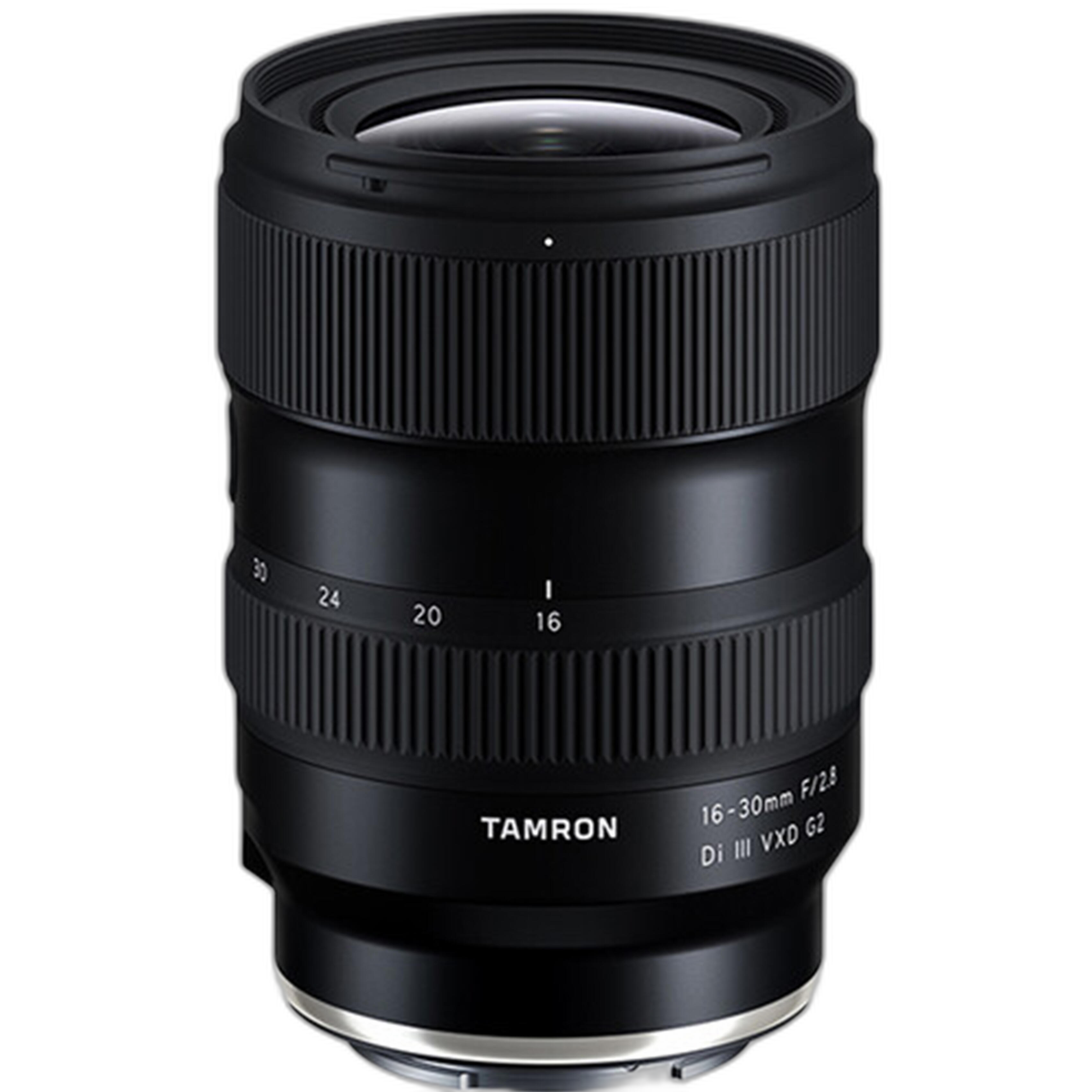
The Tamron 16-30mm f/2.8 takes a slightly more moderate approach. It still lives firmly in ultra-wide territory, but the 16-30mm range is often easier to use day-to-day. For many landscape photographers, 16mm is already very wide, while 30mm gives a more natural framing option for stitched panoramas, layered scenes, and detail-oriented compositions.
If you want one wide zoom that can stay on the camera longer during a hike or trip, the Tamron’s range may feel more flexible.
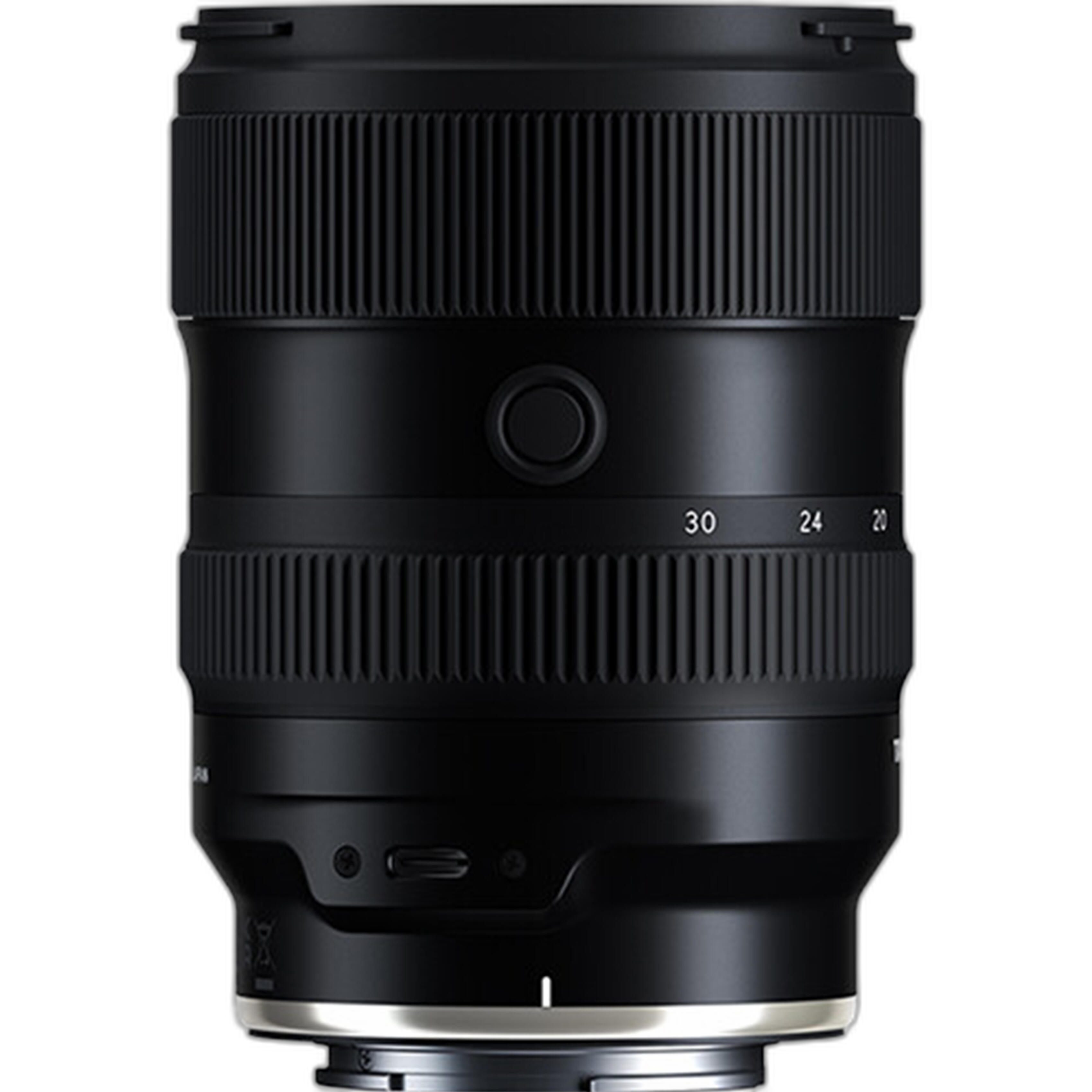
Field of View for Landscape Photography
Why 12mm Changes the Look
This is the Sony lens’s biggest advantage. The difference between 12mm and 16mm is not subtle. If you specialize in expansive foreground-heavy images, slot canyons, dramatic skies, or cramped interior scenes, 12mm opens compositional possibilities that 16mm simply can’t match. It can turn an ordinary scene into something immersive and visually bold.
The tradeoff is that 12mm requires more care. Composition becomes harder, edge control matters more, and it’s easier to include distracting elements in the frame.
Why 30mm Adds Practical Versatility
The Tamron answers back with reach on the long end. Going to 30mm can be genuinely useful for landscape photographers who don’t always want the exaggerated perspective of an extreme ultra-wide. It gives you a more restrained wide-angle look, making it easier to isolate mountain layers, frame waterfalls, or simplify busy scenes without changing lenses.
For photographers who prefer flexibility over maximum drama, this range can be the more practical one.
Low-Light and Astro Potential
Both Offer f/2.8
For sunrise, blue hour, twilight landscapes, and astrophotography, both lenses benefit from a fast constant f/2.8 aperture. That matters when you want to keep ISO under control or hold shutter speeds short enough for star work. In this category, both lenses are attractive on paper because neither forces you into an f/4 compromise.
Sony Has the Edge in Extreme Wide Astro Compositions
For night sky shooters, the Sony 12-24mm has a particular appeal. That 12mm end lets you include more sky, more foreground, and more of the Milky Way arch in a single frame. If astro landscapes are a major part of your shooting, the Sony’s wider perspective can be a deciding factor.
Image Character and Use Cases
Sony FE 12-24mm f/2.8 GM
This is the lens for photographers chasing maximum impact. It’s ideal when you want dramatic perspective, immersive compositions, and premium wide-angle capability for high-end landscape and architecture work. It’s the specialist’s tool: expensive in concept, uncompromising in purpose, and best used by photographers who know they need 12mm.
Tamron 16-30mm F/2.8 Di III VXD G2
The Tamron feels more like the all-arounder. It still covers classic wide landscape perspectives, but it may be easier to integrate into a broader kit. If your shooting spans travel, nature, cityscapes, interiors, and environmental portraiture in addition to landscapes, this focal range can fit more situations without feeling overly specialized.
Value Considerations
When the Sony Makes Sense
If your landscape style depends on the widest possible full-frame coverage and you want a premium Sony-native ultra-wide zoom, the 12-24mm f/2.8 GM justifies itself through capability. It serves a relatively specific need, but if that need is central to your work, there isn’t much else that delivers the same visual signature.
When the Tamron Makes Sense
If you want strong ultra-wide performance with a more flexible range for general landscape use, the Tamron is likely the smarter buy for more photographers. The 16-30mm span is easier to live with, and it fits photographers who don’t need to go as extreme as 12mm every day.
Our Pick
Best for dedicated landscape specialists: Sony FE 12-24mm f/2.8 GM.
If your goal is classic, dramatic ultra-wide landscape photography with the broadest field of view in this comparison, the Sony is our pick. The 12mm end is a real advantage for foreground-driven compositions, interior landscapes, and astro work, and it gives Sony shooters a truly elite creative tool.
Best value and versatility alternative: Tamron 16-30mm F/2.8 Di III VXD G2.
For many photographers, the Tamron may be the more balanced choice thanks to its practical zoom range and broader everyday usefulness.
Conclusion
Both of these lenses are compelling options for landscape photography on Sony E-mount, but they serve slightly different photographers. Choose the Sony FE 12-24mm f/2.8 GM if you want maximum width and a more specialized premium ultra-wide experience. Choose the Tamron 16-30mm F/2.8 Di III VXD G2 if you want an ultra-wide zoom that’s easier to use across a wider range of subjects.
If you’re building out your Sony landscape kit, Unique Photo is a great place to compare lenses, explore accessories, and get hands-on guidance for the right fit.