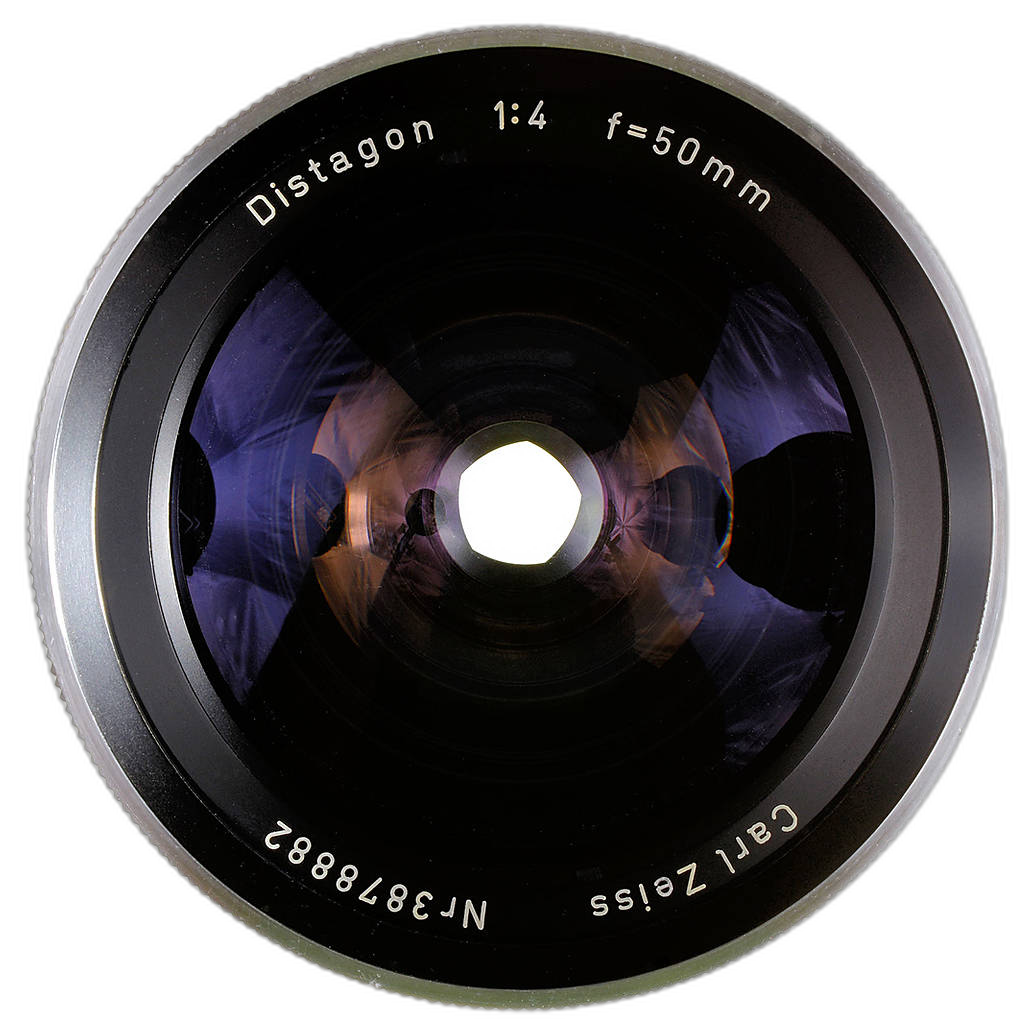
Choosing Between Sony’s 50mm and 85mm Portrait Looks
For portrait photographers shooting Sony full-frame, two of the most talked-about focal lengths are 50mm and 85mm. In this comparison, we’re looking at the practical portrait choice between a fast 50mm f/1.2 G Master-style option and an 85mm f/1.8-style option: two very different ways to approach subject isolation, working distance, and overall rendering.
The 50mm perspective is more environmental and flexible, making it useful for half-body portraits, couples, weddings, and low-light work. The 85mm perspective is the classic headshot favorite, delivering more flattering compression and stronger background separation without requiring an ultra-premium aperture. If you’re deciding which focal length better fits your portrait style, this guide breaks down the trade-offs clearly.
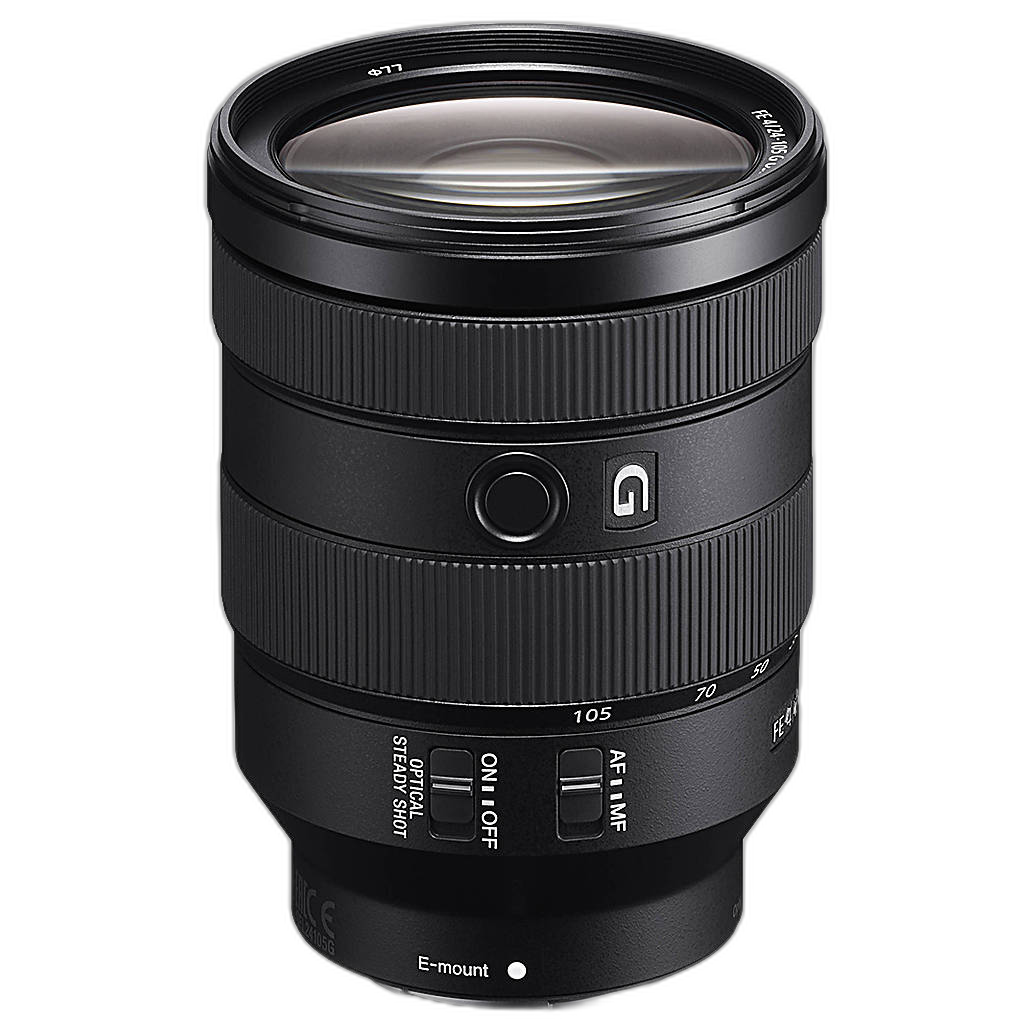
Side-by-Side Specs Comparison
| Category | 50mm f/1.2 GM | 85mm f/1.8 |
|---|---|---|
| Focal Length | 50mm | 85mm |
| Maximum Aperture | f/1.2 | f/1.8 |
| Portrait Style | Environmental portraits, half-body, full-body, events | Headshots, tight portraits, classic compression |
| Background Blur | Extremely shallow depth of field at close to mid distances | Strong subject separation with naturally compressed perspective |
| Working Distance | Closer to subject | More comfortable distance for facial portraits |
| Versatility | Very high; also useful for street, documentary, weddings, and low light | More specialized toward portraits and detail isolation |
| Size & Weight | Larger, heavier premium lens class | Smaller, lighter, easier to carry |
| Price Positioning | Premium flagship level | More budget-friendly portrait prime |
| Best For | Photographers who want one high-end do-it-all prime | Photographers prioritizing flattering portraits and value |
Category-by-Category Breakdown
Portrait Perspective and Subject Rendering
The biggest difference here is not just aperture, but perspective. A 50mm lens feels more natural and inclusive. It lets you show a little more of the scene, which can be ideal for storytelling portraits, engagement sessions, editorial work, and event coverage. You can keep the subject in context without stepping too far back.
An 85mm lens is a more traditional portrait choice because it flatters facial features better for tighter framing. It reduces the slight exaggeration that can happen when you shoot close with a 50mm. If your work leans heavily toward headshots, beauty, and classic portraiture, 85mm usually gives the more refined portrait look.
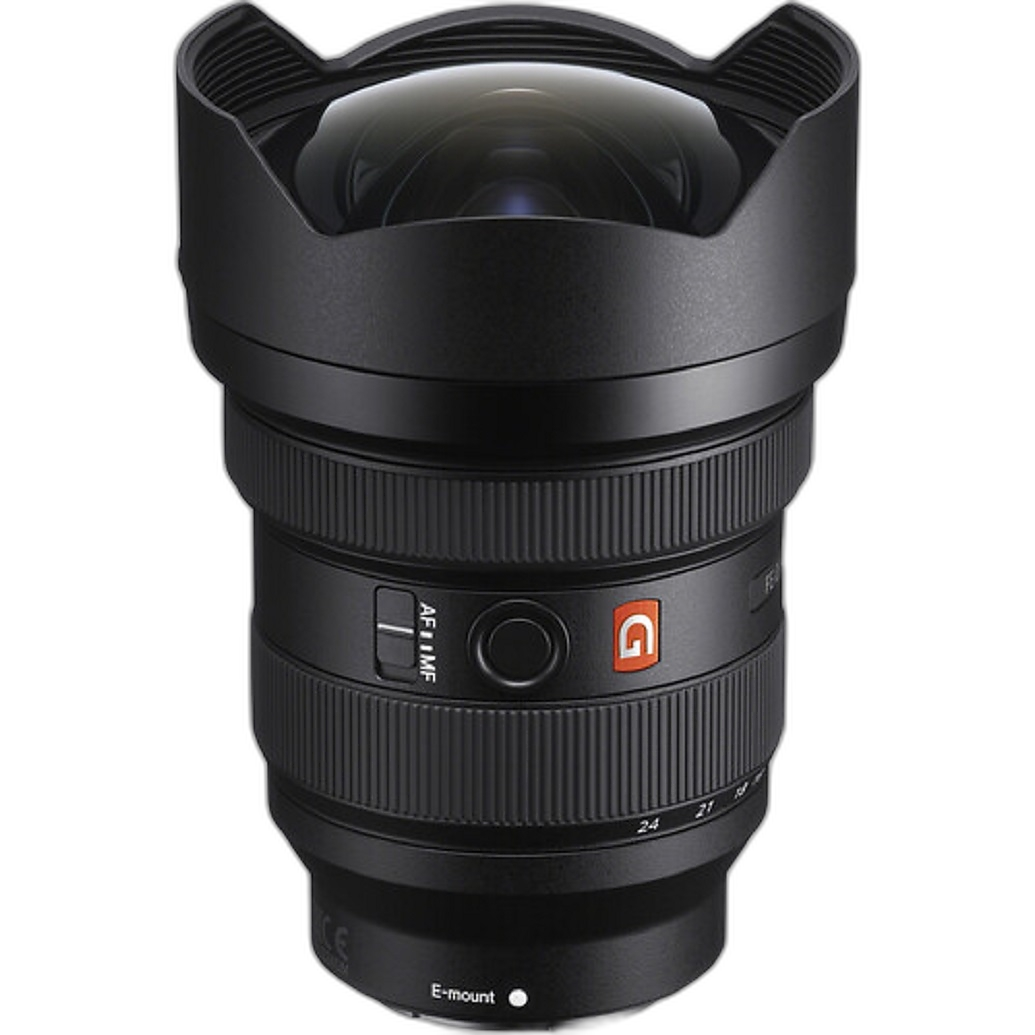
Background Separation and Bokeh
At first glance, the 50mm f/1.2 seems like the obvious winner for blur, and in pure aperture terms it is. That f/1.2 opening can produce a dramatic, creamy background and a very distinctive high-end look, especially for closer portraits or low-light scenes. It’s the kind of rendering many photographers love for wedding portraits and cinematic environmental work.
But the 85mm f/1.8 remains extremely strong for portraits because the longer focal length naturally enhances background compression. Even without f/1.2, 85mm can make backgrounds appear more blurred and visually closer, which often creates a polished portrait result with less effort. For head-and-shoulders framing, many photographers will still prefer the 85mm look.
Working Distance and Comfort With Subjects
A 50mm lens puts you physically closer to your subject for the same framing. That can be a benefit when you want a more connected, conversational feel or when you’re working in tighter locations. It’s especially useful indoors, in smaller studios, or on busy wedding days where you don’t always have room to back up.
An 85mm gives you more space between camera and subject. Many people find that distance more comfortable, especially for formal portraits. It also helps avoid the feeling of being “in someone’s face,” which can make non-professional subjects relax more naturally. For outdoor portraits and headshots, that extra distance is often a real advantage.
Versatility Beyond Portraits
If you want one prime that can cover portraits, lifestyle, events, street shooting, and general low-light use, 50mm is the more flexible focal length. It sits in a sweet spot that can adapt to many genres. Combined with f/1.2, it becomes an especially powerful tool for photographers who shoot people in varied environments.
The 85mm f/1.8 is more purpose-built. It can certainly be used for detail shots, candids from a distance, and compressed lifestyle images, but it is less universal as an everyday walkaround lens. Its strength is specialization: when portraits are the priority, it excels.
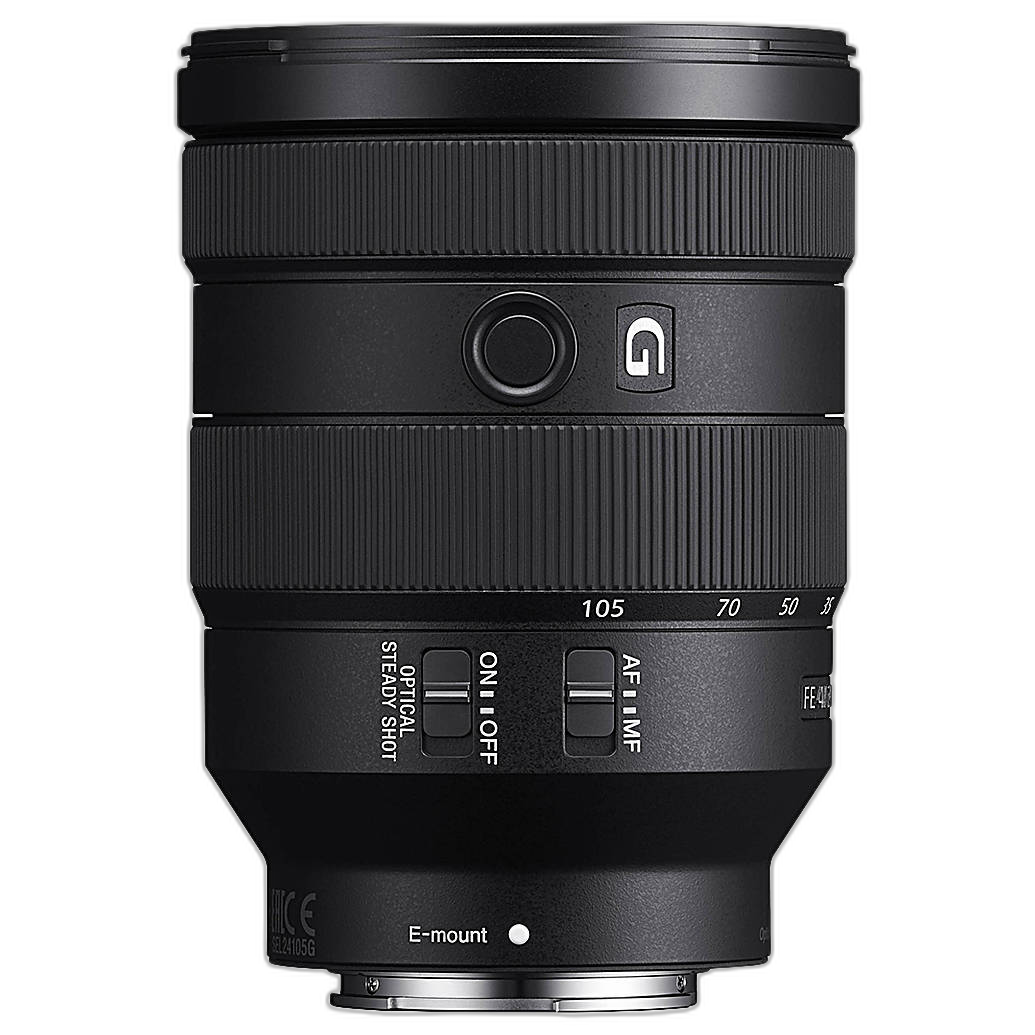
Size, Weight, and Value
This is where the decision often becomes practical. A 50mm f/1.2 GM-class lens is a premium piece of glass. That means premium optics, premium build, and premium cost, but also more weight and more bulk in your bag. For professionals who rely on top-tier autofocus, subject isolation, and maximum low-light performance, that investment can make sense.
The 85mm f/1.8 is attractive because it delivers strong portrait performance in a smaller, lighter, and more affordable package. For many shooters, especially enthusiasts, part-time professionals, or those building out a Sony kit intelligently, it offers one of the best value propositions in portrait photography.
Our Pick
Our Pick: 85mm f/1.8 for most portrait photographers.
If your main goal is taking flattering portraits, headshots, and classic shallow-depth-of-field images without overspending, the 85mm f/1.8 is the smarter choice for most people. Its focal length is naturally suited to portraiture, it keeps a comfortable working distance, and it delivers excellent subject separation while staying compact and attainable.
Choose the 50mm f/1.2 GM instead if you want a more versatile premium prime for weddings, environmental portraits, and low-light shooting, and you’re willing to pay for the extra speed and luxury rendering.
Final Thoughts
Both options can produce beautiful portraits, but they serve slightly different photographers. The 50mm f/1.2 GM approach is about maximum creative flexibility and a high-end look across many situations. The 85mm f/1.8 approach is about portrait-first performance, better value, and the classic flattering compression many shooters prefer.
If you’re still deciding which Sony portrait lens best fits your style, Unique Photo is a great place to compare options, build out your kit, and get expert guidance for your next portrait setup.