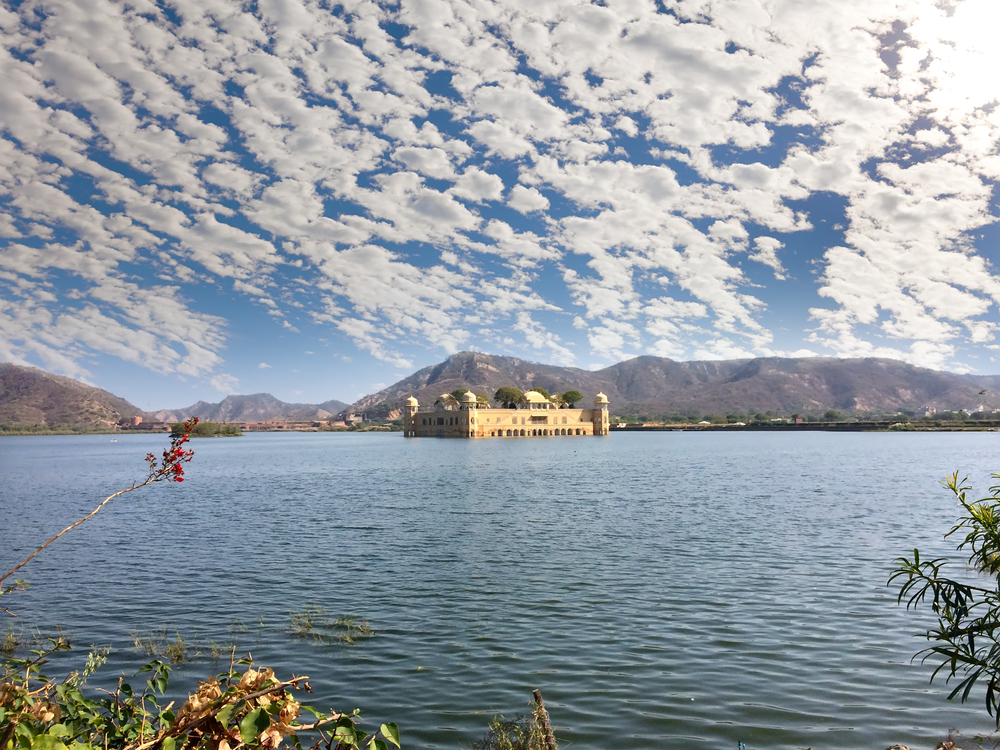

Landscape photography is among the most popular styles of photography. It is all about capturing the grandeurs of nature in a larger that life format. It is a visual treat that inspires photographers to go and explore many more of such wonderful creations. Landscape needs a good amount of time, precision, and passion to master. But with some basic guidelines, you can also create this magic from your camera. It is always wonderful to be surrounded by nature and staring at the magnificence it showcases. It feels like the nature is showing its opulence for you to show it to the world and inspire it. Well, every photographer has tried landscape photography some time or the other, but has usually failed to get the desired result. We bring you some tips that will help you capture these wonders of nature with all their charm.
Foregrounds
Selecting a right foreground is crucial in landscape photography. This sets apart landscape photography from the rest. One needs to think carefully about the foregrounds and place well-defined interest points in the image. These points should be balanced throughout the picture for a better impact. It is important to have a sense of depth in the image, and choosing right foregrounds would create that depth you need.
Right Time At The Right Place
Great landscape photographs often are defined by the quality of light in which they were shot. While it depends mostly on the subject, but early morning hours and late afternoons are usually a good time to shoot. During these times,the sun is lower. This gives out less contrast and color tone that landscape photography needs. But there is no rigid rule about the timing. It could change considerably while shooting at different locations.
Composition
Composition is crucial in landscape photography. Bad composition can spoil even the world best landscape. For amateurs, it is wise to use the rule of third and built the composition. Rule of third is about dividing the frame into three horizontal and three vertical parts and placing the subject at the intersection of the horizontal and vertical line. The frame looks visually appealing and provides a soothing impact. Similarly, you can try some of your own compositions, with that you might end up having some awful fails. But there are also a possibility of you ending up with a masterpiece.
Lines
Human eyes have a tendency to look for symmetry. It helps you divert the attention towards the subject and provides the viewer with a starting point and leads it toward the image. It also creates a sense of depth in the image. The lines by themselves also become a point of interest and make the picture interesting.
Polarizing Filters
Polarizing Filters are used by many landscape photographers for their various benefits. One the main usage of a polarizing filter is its ability to cut reflections and glares from the image. It is also used to have a better color intensity, saturation, and contrast. It also gives the sky a bright blue color that has a pleasant appeal.
Depth of Field
Depth of field in an image gives the landscape photograph its character. Without a good depth of field, the image would look flat, and the appeal is lost. A good landscape image should be sharp throughout the scene. Using the principles of depth of field, it is possible to get that desired sharpness when you use a smaller aperture and a slower shutter speed. It provides a good amount of depth in the image. Working with slow shutter speed needs greater stability. Hence, it is also essential to use a tripod while shooting landscape photos.
Shoot picture in RAW
RAW format is a more editable format of image storage. It stores greater details of the image and is commonly used by most professional photographers. RAW images give better colors and are a very suitable for processing works.
These were some of the guidelines to be followed while doing landscape photography. Like all forms of photography landscape photography also requires a large amount of practice to master, but using these guidelines you can capture some impressive landscape images. We believe that we will learn more by sharing knowledge. Feel free to add in your comments on how you manage to capture those exotic landscapes with your camera.