Landscape Photography FAQ: Full-Frame vs. APS-C in 2024
Choosing the best camera for landscape photography often comes down to a few big questions: how much image quality you really gain from full-frame, how important weather sealing is in the field, and whether larger sensors noticeably improve large prints. At Unique Photo, we help photographers look past the hype and focus on the combination of sensor performance, portability, durability, and system value that actually fits their work.
While many landscape photographers shop mirrorless still cameras first, understanding what full-frame offers across modern imaging systems can still be useful. Full-frame bodies remain attractive for their dynamic range, wide-angle lens behavior, and low-light flexibility, while APS-C can be a smart choice for hikers, travelers, and budget-conscious shooters who want excellent results without carrying as much weight.
Is it worth paying extra for full-frame just for landscape photography?
For many photographers, yes—but not always. Full-frame can be worth the extra investment if your landscape work often includes high-contrast scenes, deep shadow recovery, sunrise and sunset shooting, or very large prints. A larger sensor typically gives you more flexibility in tonal gradation and can make it easier to preserve detail in both bright skies and dark foregrounds. It also helps you get the classic wide-angle look without relying on extremely short focal lengths.
That said, APS-C is still highly capable for landscapes. If you mostly share online, print at moderate sizes, or prioritize a lighter kit for hiking, APS-C can be the more practical choice. Lens quality, tripod technique, filtration, and post-processing often matter just as much as sensor size. In other words, full-frame is a meaningful upgrade for serious landscape specialists, but it is not a requirement for great landscape photography.
Does sensor size make a noticeable difference when printing large?
It can, especially when you print big and view the print up close. Full-frame files generally offer more room for cropping and often deliver smoother tonal transitions in skies, water, and distant atmospheric detail. If you produce exhibition-size prints or sell fine art work, that extra image data and dynamic range margin can absolutely matter.
However, the difference is not always dramatic in real-world use. A carefully captured APS-C image with a sharp lens, proper exposure, and thoughtful editing can produce beautiful large prints. The key question is how much flexibility you want. If you regularly crop, lift shadows aggressively, or print very large, full-frame gives you more headroom. If your framing is disciplined and your exposure is consistent, APS-C may already be enough.
What matters more for landscapes: dynamic range or resolution?
Both are important, but dynamic range is often the first thing photographers notice in actual landscape shooting. Resolution helps you render fine textures like foliage, rock, and distant ridgelines, but dynamic range is what allows you to hold onto subtle highlight and shadow detail when the light gets difficult. Sunrise, backlit clouds, snowy peaks, and forest scenes with bright openings all benefit from strong dynamic range performance.
If your work frequently involves dramatic lighting, prioritize a camera with excellent RAW latitude first, then look at resolution. A slightly lower-resolution file with strong editing flexibility is often more useful than a very high-resolution file that breaks apart under heavy adjustments. Full-frame systems are popular here because they often combine generous dynamic range with strong low-light performance and wide lens options.
How important is weather sealing for landscape photography?
Weather sealing is extremely important if you shoot outdoors consistently. Landscape photographers often work in mist, wind, cold, light rain, blowing sand, sea spray, and changing mountain weather. A well-sealed camera body and lens can improve reliability and reduce stress when conditions shift unexpectedly.
Just remember that weather sealing is a system feature, not just a body spec. A weather-resistant body paired with a non-sealed lens creates a weak point. If you are investing in a camera for serious outdoor use, we recommend thinking about the body, lens, and accessories together. Protective bags, rain covers, a stable tripod, and filters are just as important as the camera itself. For photographers who value full-frame imaging in rugged workflows, professional-grade systems are often worth exploring because they are designed with demanding environments in mind.
Are there underrated camera bodies for landscape work?
Yes. Some of the most underrated options are not always the highest-resolution headline models, but the cameras that balance durability, dynamic range, battery life, handling, and lens ecosystem. A body can be “underrated” if it delivers excellent files, solid sealing, and dependable field use without being the most talked-about option online.
Another overlooked path is buying used professional gear. If your budget is tight but you want to step into full-frame, Unique Photo’s used department can be a smart place to look for value. For example, a used full-frame camera can make sense for photographers building a capable system while keeping more budget available for lenses, filters, and support gear.
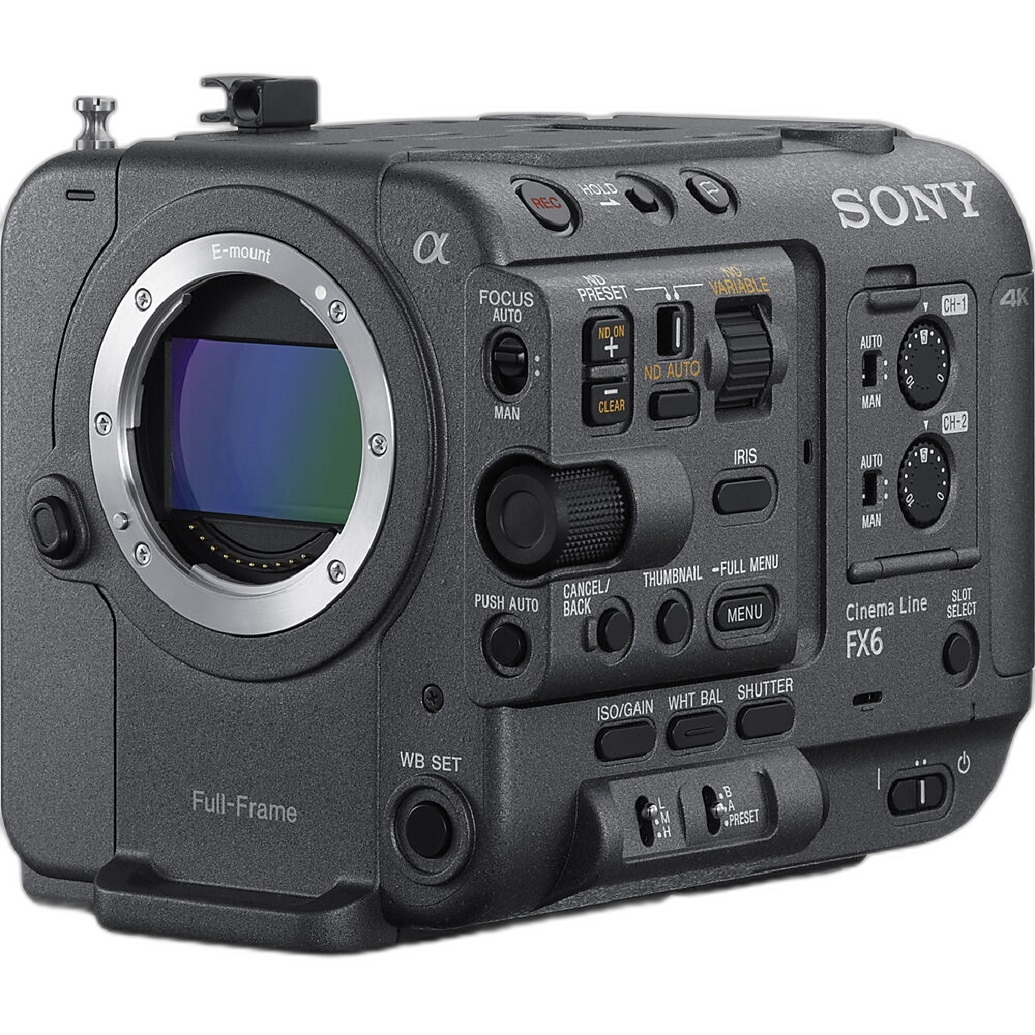
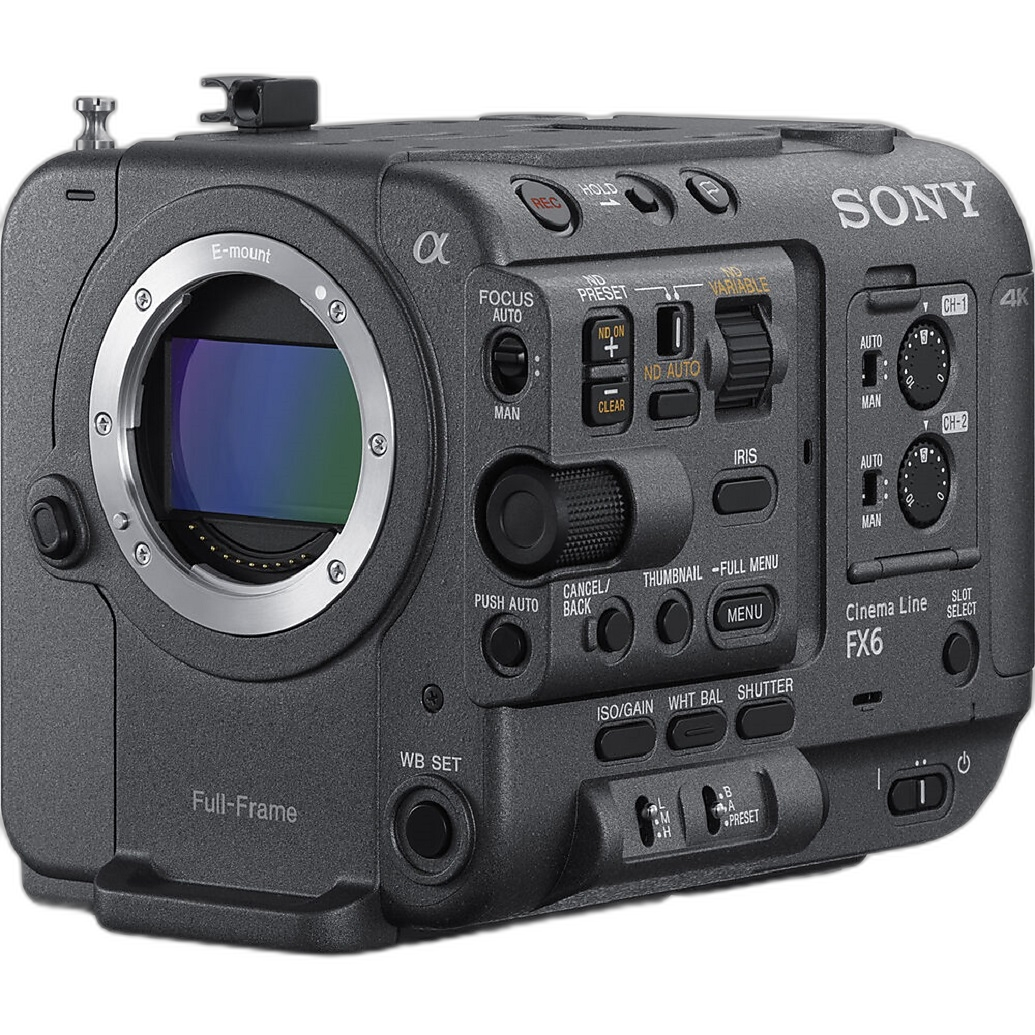
Even though the Used Sony FX6 Full-Frame Cinema Camera - Excellent is a cinema-oriented product, it highlights an important point: used full-frame gear can provide access to premium imaging platforms at a more approachable price. If you are evaluating full-frame options and cost is the main obstacle, checking used inventory at Unique Photo is a practical move.
What should I prioritize besides sensor size?
Lens selection should be near the top of your list. Landscape photographers often rely on ultra-wide zooms, wide primes, standard zooms, telephoto lenses for compression, and specialty filters. A camera body is only as strong as the lenses available for it. You should also think about weight, battery life, ergonomics with gloves, menu design, electronic viewfinder quality, and how easily the camera fits into your hiking workflow.
Tripod compatibility, interval shooting, exposure bracketing, and reliable RAW files are also major factors. Many photographers focus heavily on sensor size at first, then discover that the real difference in the field comes from how comfortably and confidently they can work with the camera over long days outdoors.
Can full-frame cinema cameras be relevant to landscape creators?
For hybrid shooters, absolutely. Many landscape creators now produce both stills and cinematic outdoor content for YouTube, social media, commercial clients, or travel films. In that case, a full-frame cinema camera may be relevant if your work emphasizes motion capture, color grading flexibility, and professional video features.
The Sony FX3 Full-Frame Cinema Camera is a good example of a compact full-frame option for creators who value portability and cinematic image quality in the field. Its size makes it easier to pack for remote locations, and full-frame capture remains attractive for wide scenic compositions and low-light sequences.
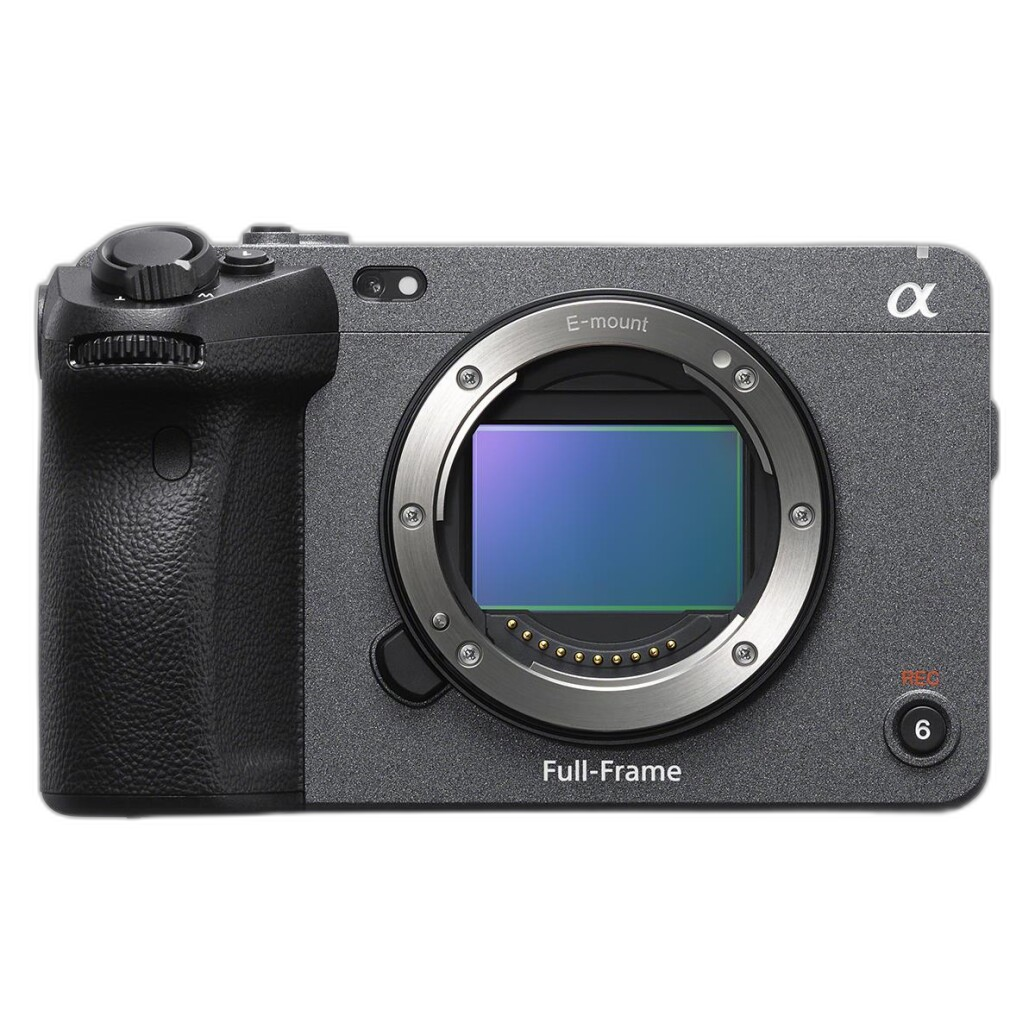
For more advanced video production, the Sony FX6 Full-Frame Cinema Camera is another strong full-frame platform that appeals to professionals who shoot outdoor documentaries, branded content, and location-based visual storytelling. It is not a traditional landscape stills body, but it shows how full-frame imaging continues to matter for creators working across both photo and video disciplines.
Which current full-frame systems are best if I care about durability and professional image quality?
If your work extends beyond stills into professional video or multimedia production, high-end full-frame systems from Canon and Sony are worth considering. They are designed for demanding workflows, robust image capture, and serious outdoor production use. While many landscape photographers will prefer stills-focused mirrorless bodies, these systems demonstrate the advantages of full-frame imaging in a professional ecosystem.
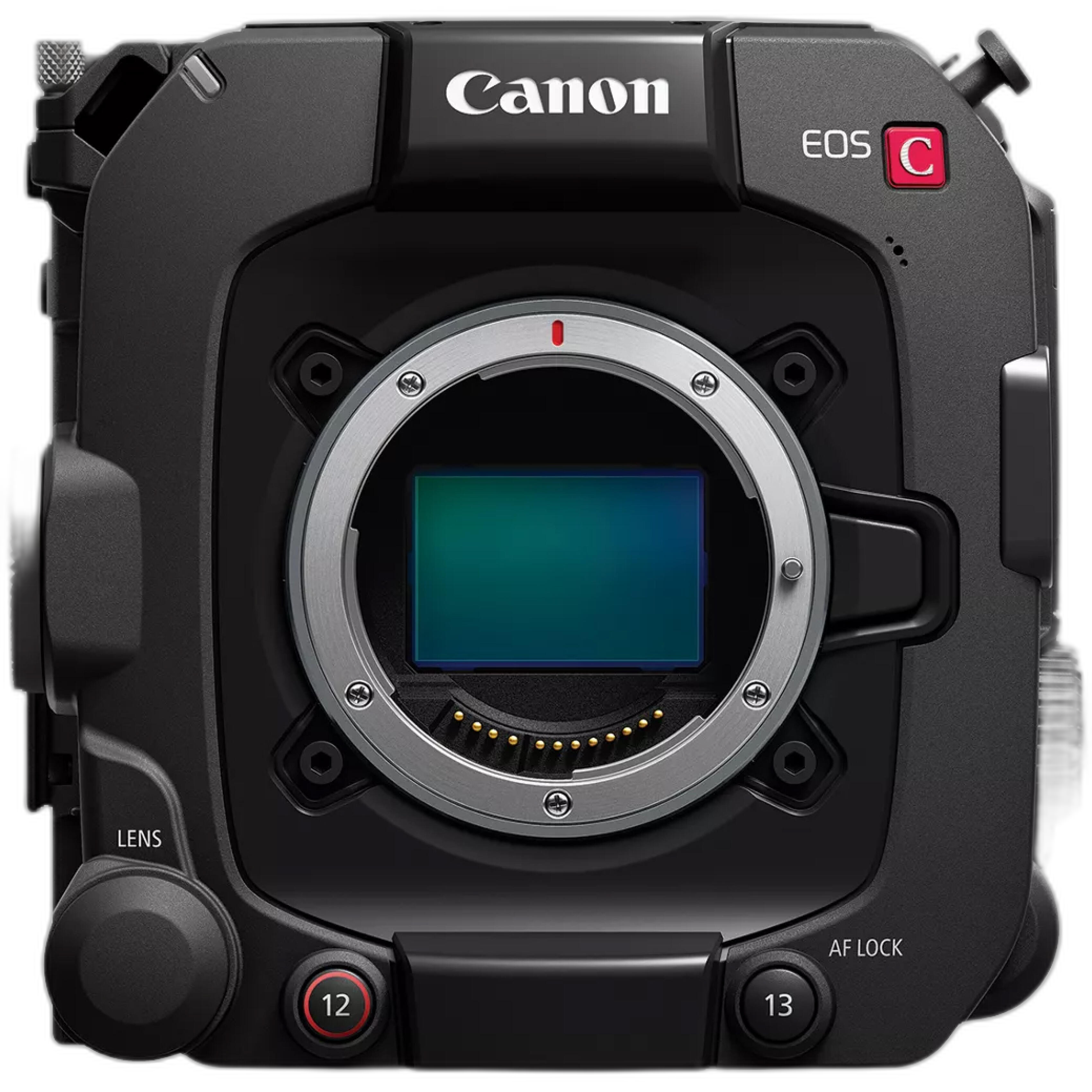
The Canon EOS C400 6K Full-Frame Digital Cinema Camera offers strong imaging performance for creators who need premium full-frame quality and advanced production tools. For shooters who build landscape stories through motion as much as still frames, a body like this can be part of a larger outdoor content kit.
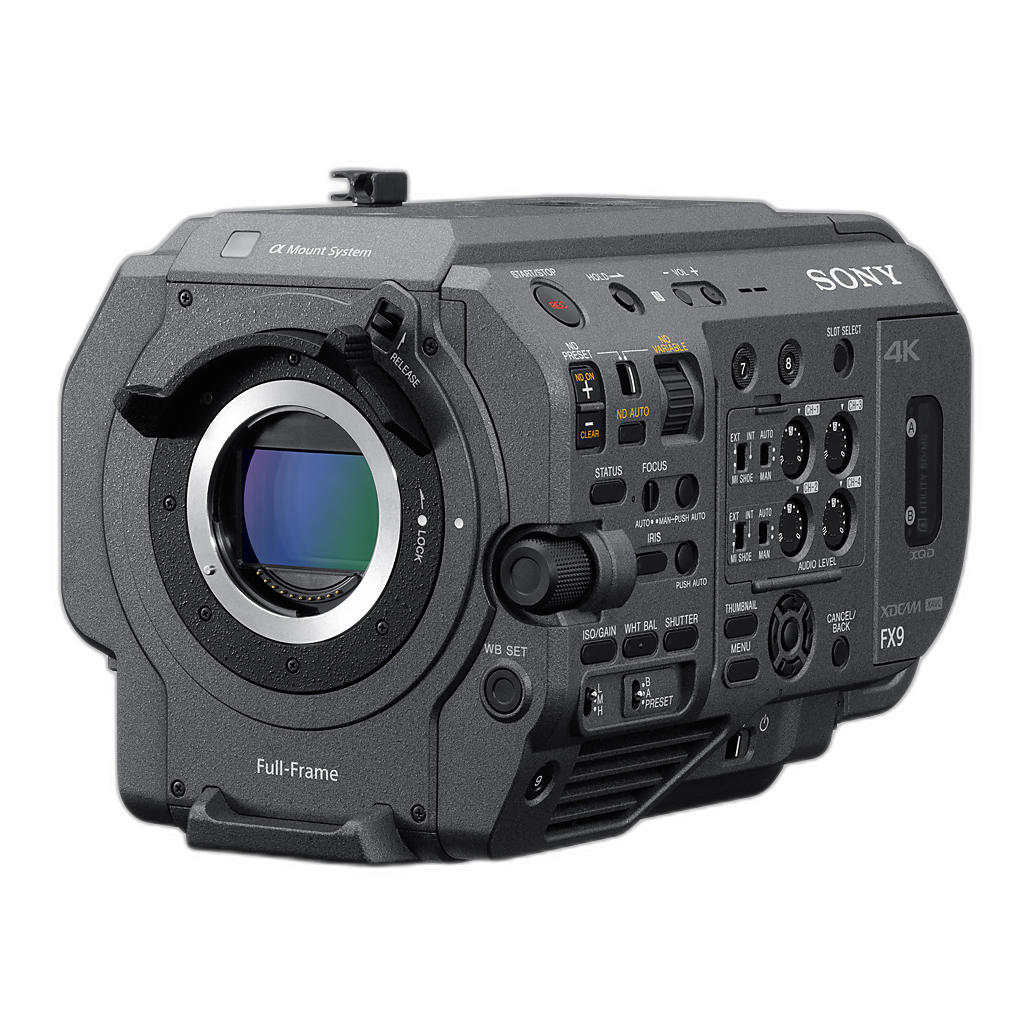
The Sony PXW-FX9 XDCAM 6K Full-Frame Camera System is another example of a professional full-frame option for location work, especially when image quality, production flexibility, and reliability are priorities. These kinds of cameras are specialized, but they underscore why full-frame remains so appealing in demanding image-making environments.
So, should I choose full-frame or APS-C for landscape photography in 2024?
Choose full-frame if you want the most editing latitude, better performance in difficult light, easier access to classic wide-angle compositions, and more flexibility for large prints. Choose APS-C if you want a lighter, more affordable system that still delivers excellent image quality for most landscape work. There is no one-size-fits-all answer—the best choice depends on how you shoot, how far you hike, how large you print, and how much room you want to leave in your budget for lenses and accessories.
If you are still deciding, the smartest move is to compare systems as complete kits rather than body-only specs. At Unique Photo, we can help you evaluate full-frame versus APS-C based on your actual shooting style, whether you are building a lightweight hiking setup, upgrading for fine art prints, or expanding into hybrid landscape video production.
Ready to find the right camera for your next outdoor adventure? Shop new and used gear at Unique Photo, and let our team help you build a landscape photography kit that matches your goals, budget, and shooting conditions.