Portrait photographers often spend a lot of time thinking about lenses, lighting, and posing, but film choice can shape the final image just as much. If you have ever searched for the best film for portrait photography, the real answer is that your favorite stock depends on skin tone rendering, contrast, grain, color palette, and the mood you want to create. At Unique Photo, film shooters regularly look for portrait stocks that balance flattering skin tones with enough latitude to handle real-world lighting situations.
Whether you are shooting environmental portraits outdoors, formal studio work, or medium and large format portraits, understanding why certain films become favorites can help you build a more consistent visual style.
What makes a film great for portrait photography?
When photographers talk about their favorite portrait film, they are usually describing a stock that does a few things well. First, it should render skin naturally. Second, it should offer enough exposure latitude to handle highlights gracefully. Third, the grain structure should support the look of the portrait rather than distract from it.
The most beloved portrait films tend to share these qualities:
- Pleasant skin tones: especially important for close-ups and beauty work
- Wide dynamic range: useful for bright windows, outdoor backlight, and wedding portraits
- Moderate contrast: easier to scan and print with flexibility
- Controlled grain: smoother rendering often feels more flattering
- Color consistency: helpful when photographing a series or client session
These are the reasons portrait photographers often gravitate toward professional emulsions instead of whichever film happens to be available. Unique Photo is a great place to compare film options and build a workflow around the look you want.
Why Kodak Portra is a favorite film for portraits
If there is one name that comes up constantly in discussions about the best color film for portraits, it is Kodak Portra. The reason is simple: Portra has a long-standing reputation for smooth grain, forgiving exposure latitude, and beautifully restrained color. It tends to handle skin in a way that feels polished without looking artificial.
For portrait work, many photographers love Portra because it performs well in changing light. Outdoor sessions can move from open shade to direct sun to golden hour quickly, and a film with strong highlight retention can make the process easier. Portra also scans well, which matters for modern hybrid workflows.
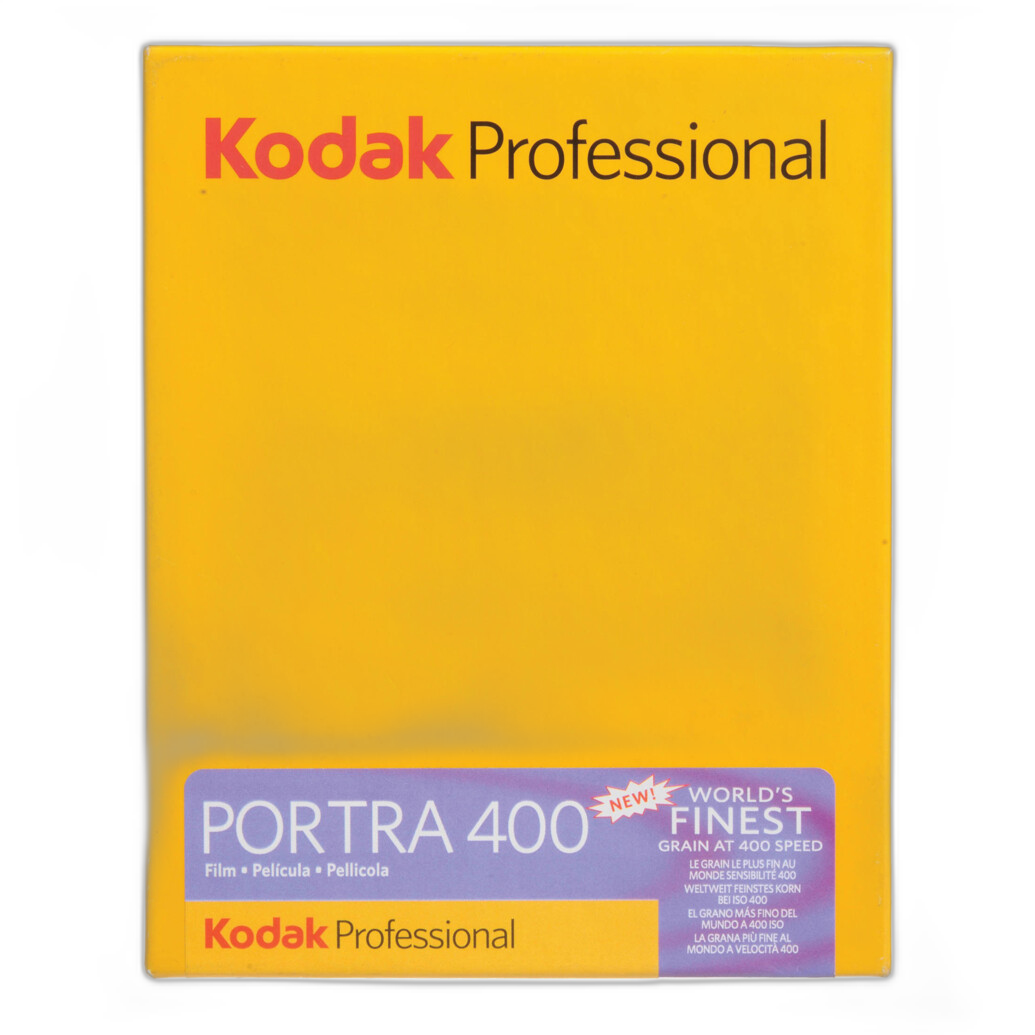
One option available at Unique Photo is Kodak Portra 400 4x5 10 sheets Professional Film, a smart choice for large format portrait photographers who want refined skin tones and excellent tonal separation. Large format Portra can be especially striking for fine art portraiture, editorial work, and formal commissioned portraits where detail and tonality matter most.
Why portrait photographers love Portra 400 specifically
Among portrait shooters, Portra 400 often becomes the all-around favorite because it is versatile enough for both natural light and strobes. It has enough speed for handheld shooting in many situations, while still preserving a clean, elegant look. If you are trying to choose one film stock for portraits and want the safest recommendation, Portra 400 is often where people start.
Why it remains so popular:
- Flexible ISO 400 speed for indoor and outdoor sessions
- Excellent latitude when overexposed slightly
- Flattering skin tones across many lighting conditions
- Fine grain that works for both close portraits and environmental scenes
- Professional consistency for paid portrait sessions
Many photographers expose Portra 400 at EI 200 or 320 for a softer, denser negative and even gentler skin rendition. That approach is especially popular for family portraits, engagement sessions, and lifestyle work.
Is color or black-and-white film better for portraits?
Although color negative film often dominates the conversation, black-and-white film still holds a special place in portrait photography. Color film is usually preferred when skin tone fidelity and wardrobe color matter, but black-and-white can be more powerful when the goal is emotion, texture, or timeless simplicity.
Color portrait films are ideal when you want:
- Natural-looking skin tones
- Soft pastel palettes
- Wedding and family portrait consistency
- Lifestyle and editorial versatility
Black-and-white portrait films are often favored when you want:
- Stronger emphasis on expression
- Dramatic light and shadow
- Classic fine art portrait aesthetics
- Less distraction from background color
For many photographers, the favorite portrait film depends on the subject and story. A soft color film may be perfect for a maternity session, while black-and-white may better suit an actor headshot with sculpted lighting.
How film format affects portrait photography
Choosing a favorite film for portraits is also about format. The same emulsion can feel different in 35mm, medium format, and large format. Grain, depth, and tonal transitions all shift as the negative size changes.
35mm portrait film is practical and spontaneous. It works well for documentary-style portraits and faster-paced sessions.
Medium format portrait film is often the sweet spot for many portrait photographers. It delivers smoother tonality, more negative area, and a more deliberate shooting experience.
Large format portrait film offers incredible detail and a distinct visual presence. It is slower and more technical, but for fine art portraiture, the results can be exceptional.
That is one reason products like Kodak Portra 400 in 4x5 remain so appealing for serious portrait artists shopping at Unique Photo. Large format can elevate skin texture, tonal falloff, and subject separation in a way that feels unmistakably premium.
How lenses influence the look of portrait film
Even when discussing favorite films for portrait photography, lens choice still matters. A gentle, modern rendering paired with a flattering film stock can create portraits that feel polished and dimensional. For photographers blending film aesthetics with digital workflow inspiration, Unique Photo carries lenses that reflect the same portrait priorities: natural perspective, depth, and controlled rendering.
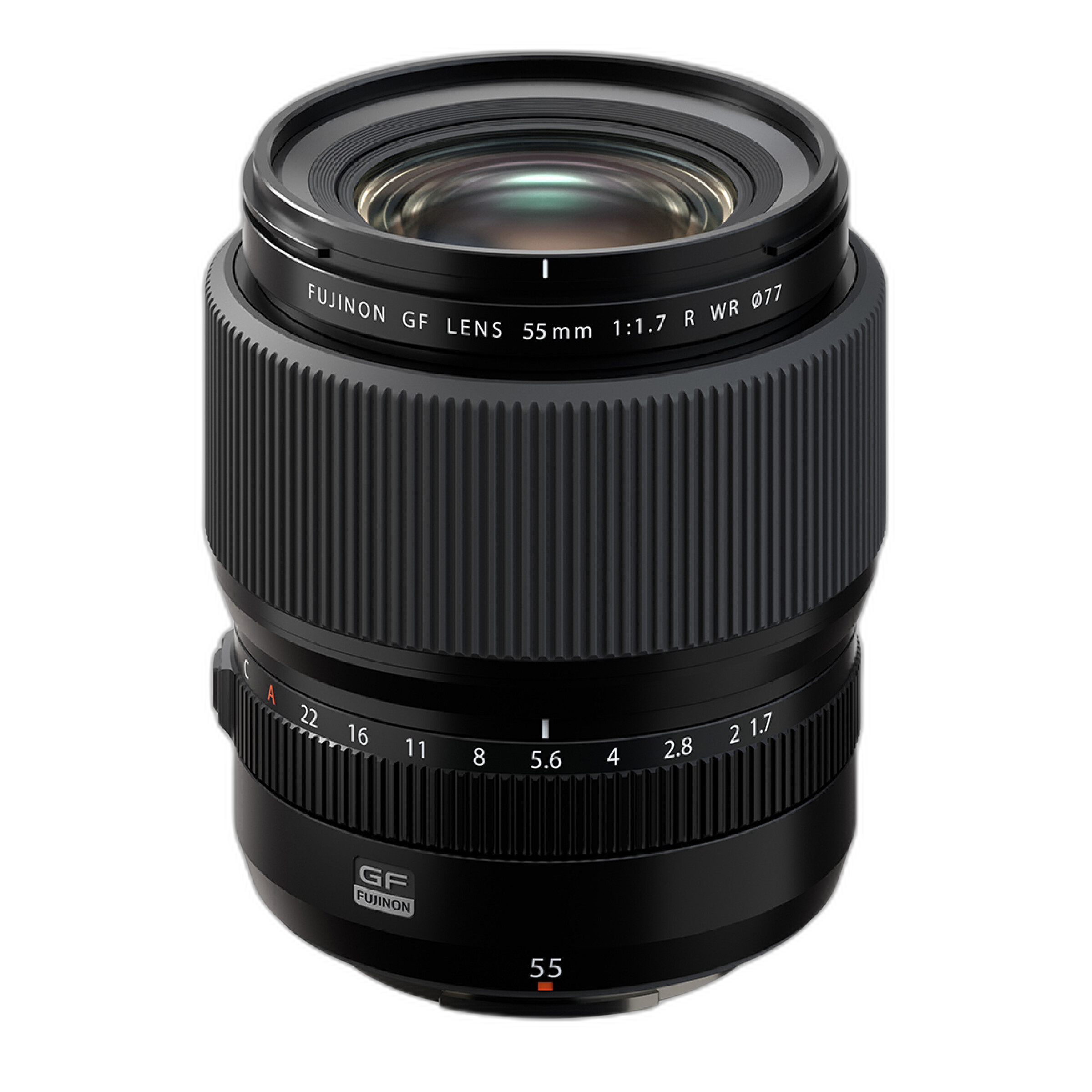
The Fujifilm FUJINON GF 55mm f/1.7 R WR Lens is a great example of a portrait-friendly optic for medium format photographers who love a natural field of view with shallow depth of field. It is well suited for environmental portraiture and expressive available-light work.
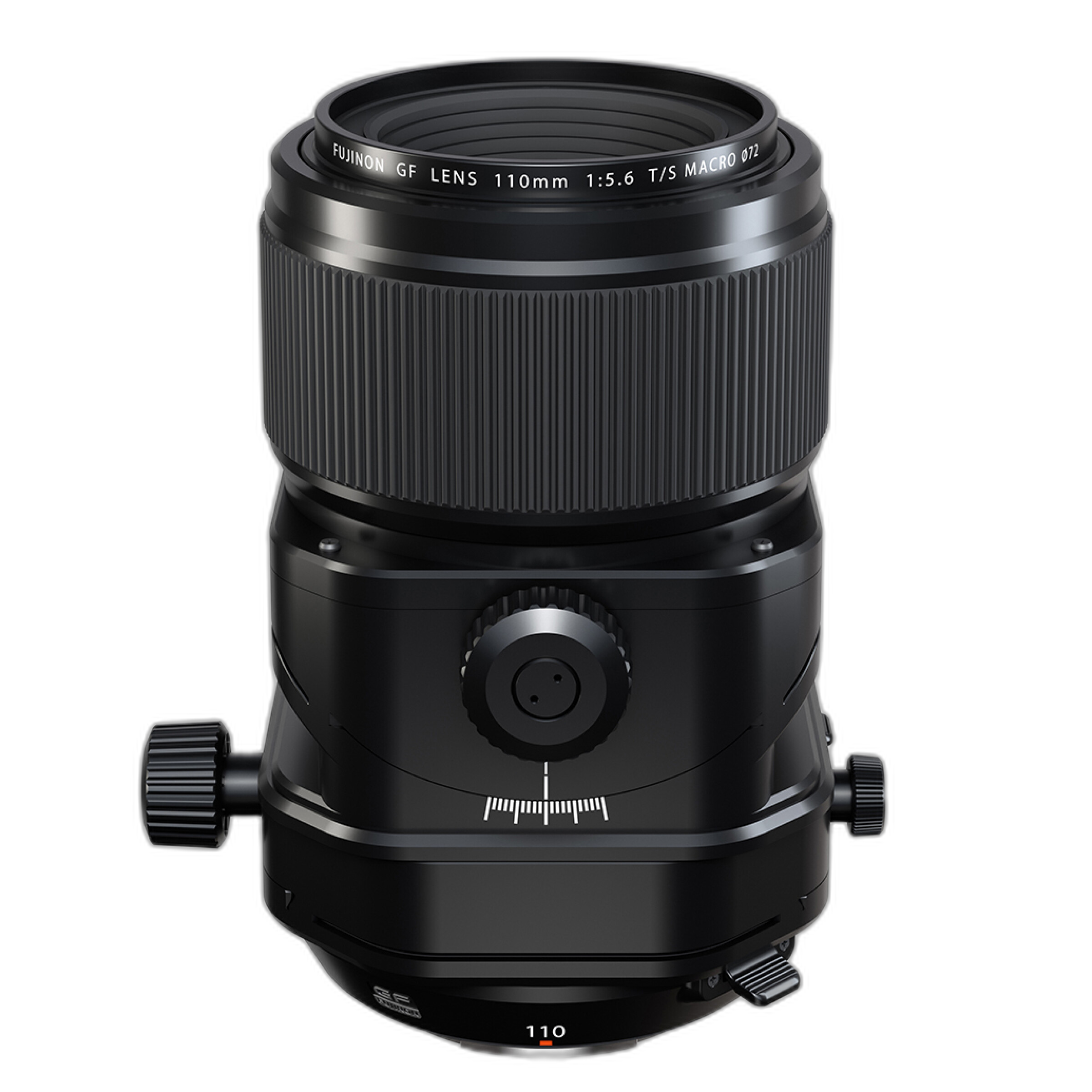
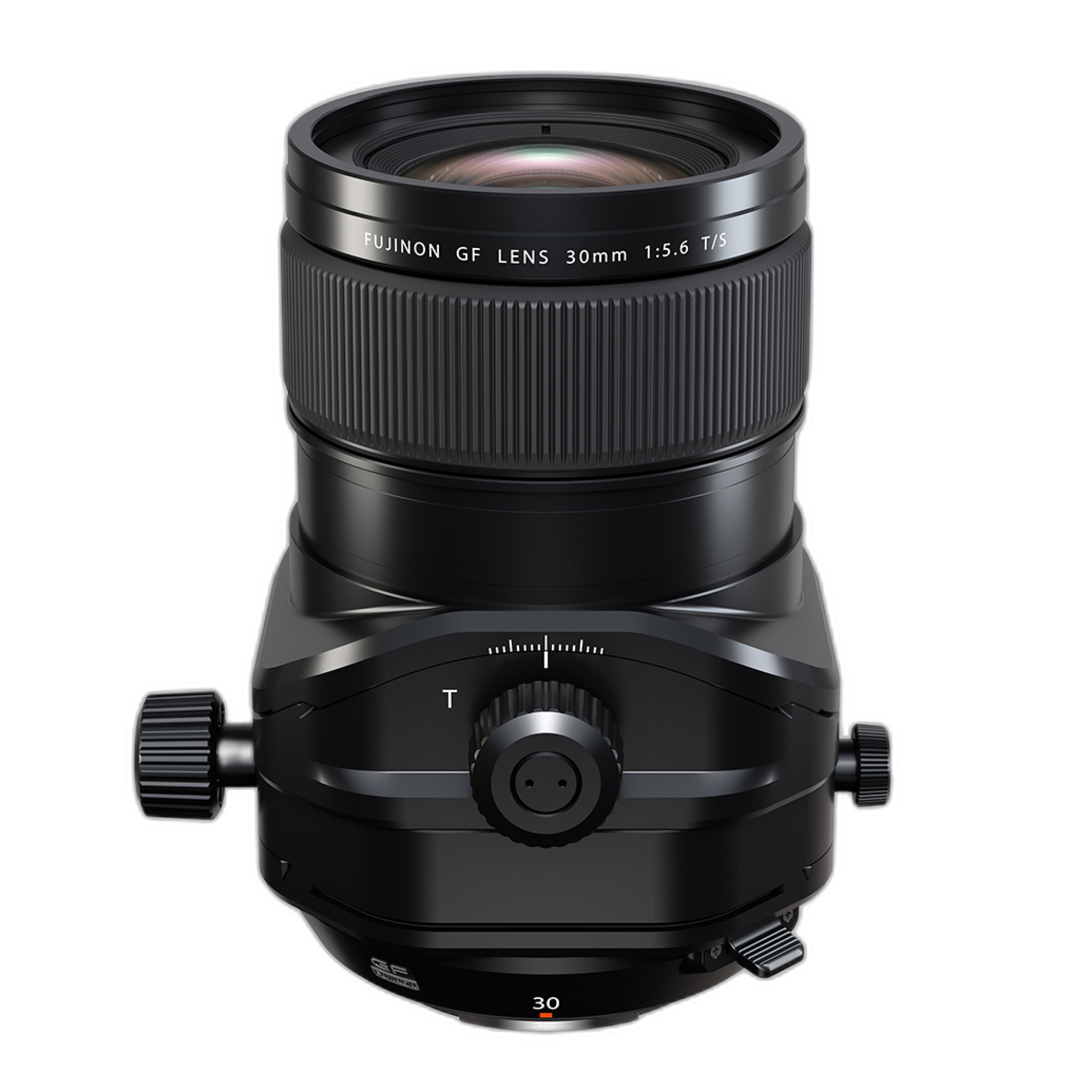
For photographers exploring creative perspective control, the Fujifilm FUJINON GF 110mm f/5.6 T/S Macro Lens and Fujifilm FUJINON GF 30mm f/5.6 T/S Lens can be useful in specialized portrait settings, particularly editorial or environmental portraiture where composition and plane of focus are part of the visual storytelling.
If you are building a portrait kit on a budget, Unique Photo also offers options such as the Used Excellent Fujifilm FUJINON GF 55mm f/1.7 R WR Lens, which can be appealing for photographers who want premium portrait performance while controlling cost.
What look do portrait photographers usually want from film?
The answer varies, but most favorite portrait films are chosen for one of a few recognizable aesthetics:
- Soft and airy: lower contrast, smooth highlights, pastel color
- Natural and true-to-life: balanced skin tone, neutral color response
- Warm and nostalgic: gentle warmth and classic print-like feel
- Dramatic and cinematic: deeper shadows and stronger color character
- Clean and modern: fine grain with controlled saturation
Portra remains a favorite because it can move across several of these categories depending on exposure, scanning, and printing choices. It is neutral enough to interpret creatively without forcing every portrait into one signature color cast.
How to choose your favorite film for portraits
If you are still narrowing down the best portrait photography film for your style, ask yourself a few practical questions:
- Do I shoot in controlled light or changing natural light?
A versatile stock like Portra 400 is easier to trust when conditions shift. - Do I want realism or strong character?
Some films aim for natural skin, while others impose a more obvious palette. - What format do I shoot most?
Your favorite 35mm portrait film may not be your favorite in large format. - How do I finish my work?
Scanning, darkroom printing, and hybrid editing can all influence which stock feels best. - What do my subjects expect?
Clients often respond well to films that flatter skin and hold detail in highlights.
The best way to decide is to test intentionally. Photograph the same subject in similar light with one or two film stocks, then compare skin tone, grain, contrast, and highlight behavior. Over time, your favorite will usually become obvious.
Portrait photography education can improve film results
Film choice is only part of the equation. Posing, communication, lighting, and visual intent matter just as much. That is why many portrait photographers also invest in education alongside gear and film. Unique Photo offers useful photography books that can help you refine the artistic side of portrait work.
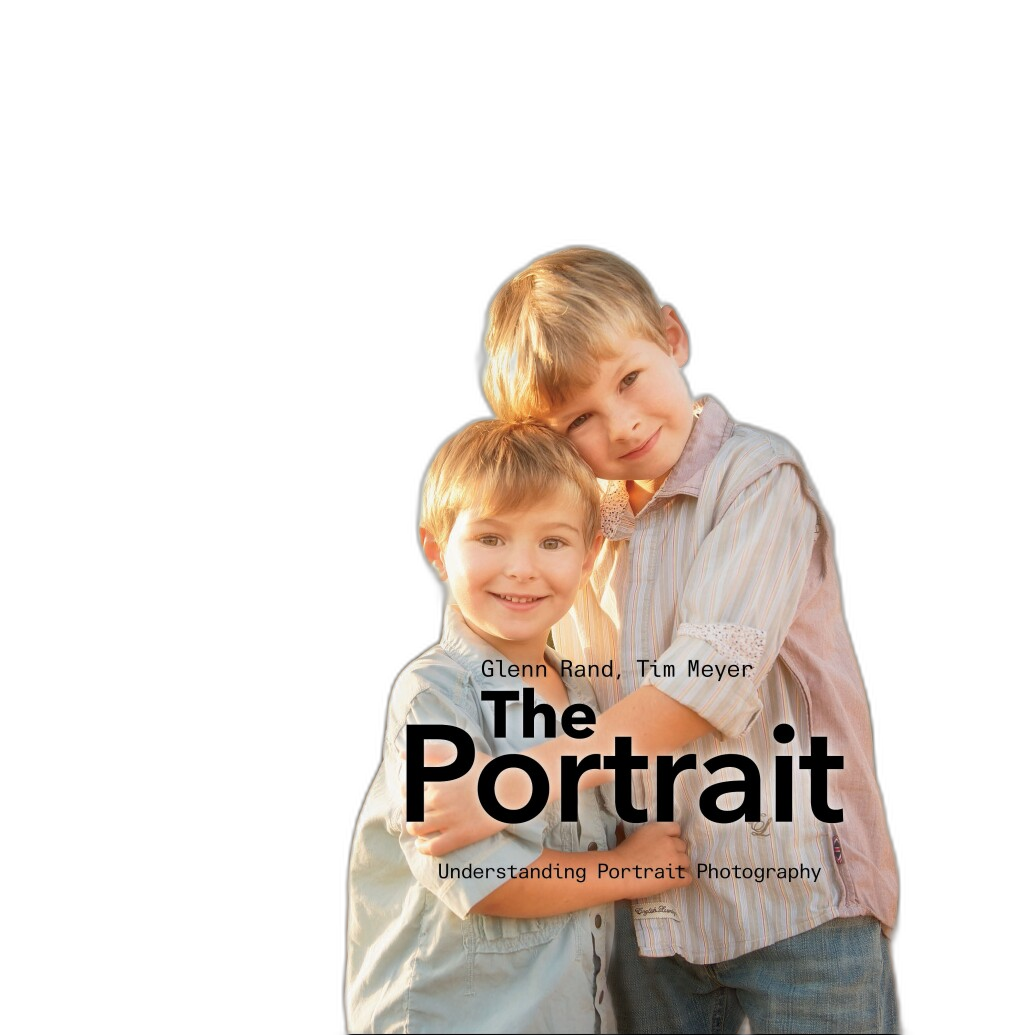
The Portrait 2nd Edition by Tim Meyer - Glenn Rand is a valuable resource for understanding portrait fundamentals and developing a stronger visual approach.
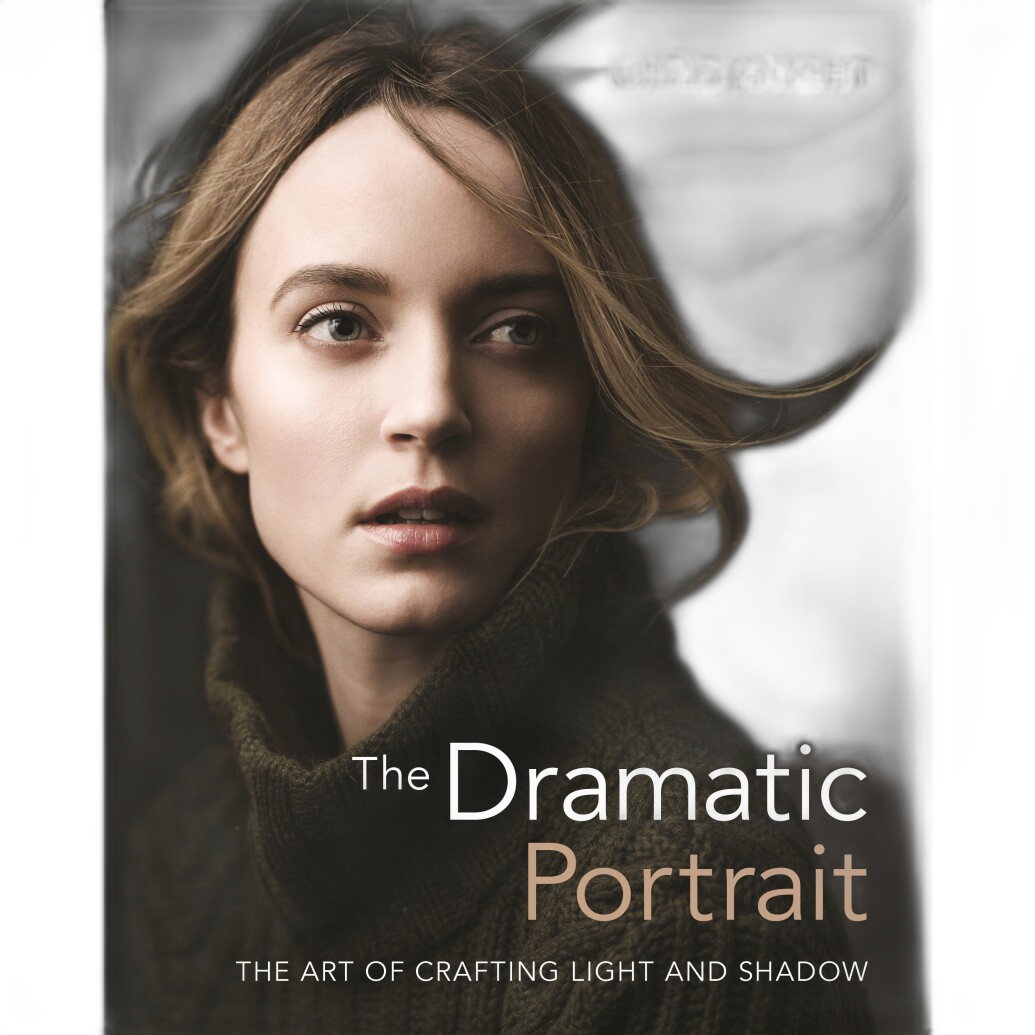
Rocky Nook - The Dramatic Portrait by Chris Knight is especially relevant for photographers who want more mood, intention, and control in their portrait lighting.
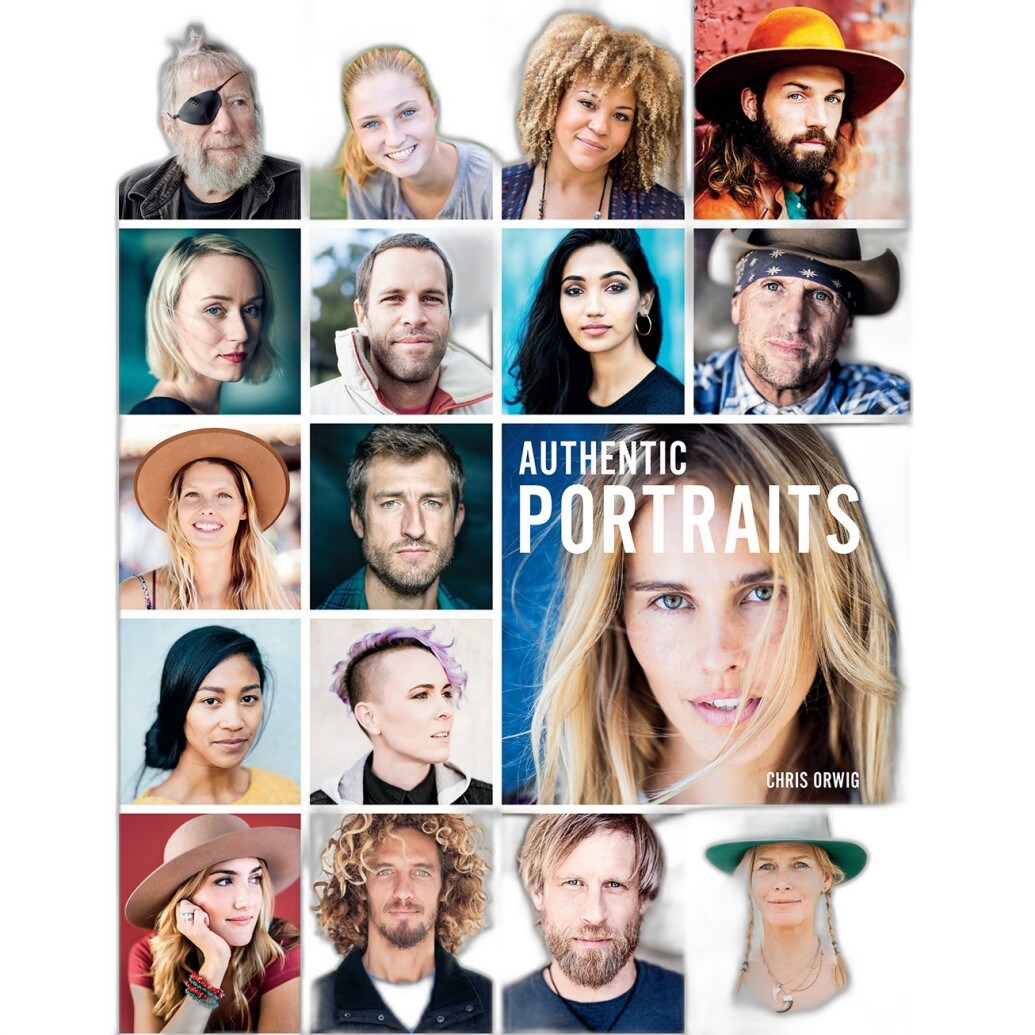
Rocky Nook - Authentic Portraits by Chris Orwig is ideal for photographers focused on connection, honesty, and making portraits feel more human.
Final thoughts on favorite films for portrait photography
So, what are the favorite films for portrait photography and why? In many cases, portrait photographers return again and again to films like Kodak Portra 400 because they offer the combination most people want: flattering skin tones, broad exposure latitude, manageable grain, and dependable results. That mix makes portrait sessions less stressful and final images more consistent.
Your personal favorite may ultimately depend on whether you prioritize softness, realism, mood, or format. But if you want a portrait film that has earned its reputation through years of real-world use, Portra is still one of the strongest choices available at Unique Photo.
To continue building your portrait workflow, consider exploring more from Unique Photo, including film supplies, portrait lenses, medium format gear, and photography books. Internal linking opportunities for this article could include pages related to Kodak Portra film, film supplies, portrait photography books, Fujifilm GFX lenses, and used lenses for portrait shooters.