Few film stocks arrive with expectations as high as a new Portra. For portrait, wedding, and location photographers, the Portra name has long meant dependable skin tones, forgiving exposure, and a professional color palette that scans beautifully and prints gracefully. With the 2010 introduction of Kodak Portra 400 in its updated form, Kodak sharpened that identity even further. This ISO 400 color negative film was designed for real-world shooting conditions: changing light, fast-moving assignments, mixed illumination, and the constant demand for flattering, natural color.
As a historical profile, it is easy to see why Portra 400 quickly became one of the defining professional emulsions of its era. It brought together three qualities photographers consistently ask for in one film: warm skin tones, fine grain, and wide latitude. That combination made it a natural choice for portrait artists, wedding shooters, editorial photographers, and anyone who needed a negative that could handle exposure variation without sacrificing a polished look.
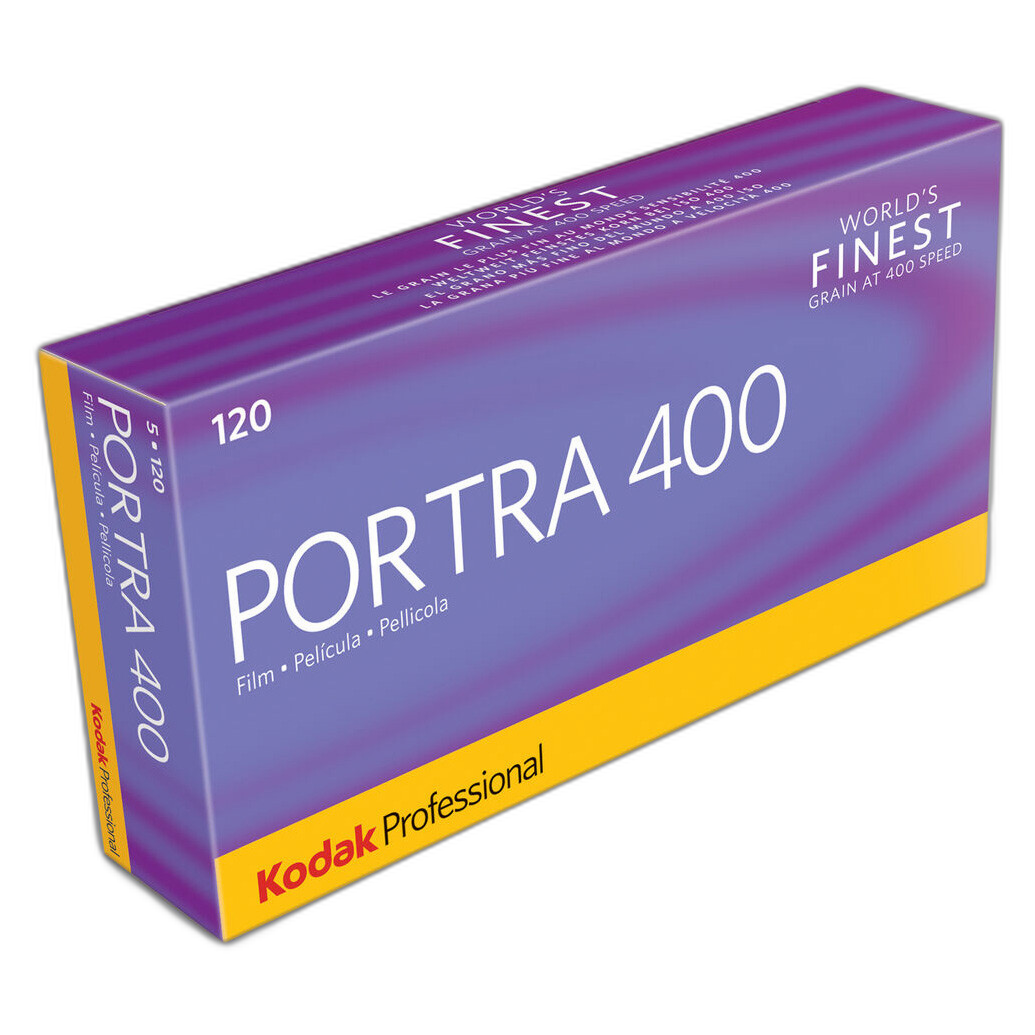
What Kodak Portra 400 Is
Kodak Portra 400 is a color negative film processed in the standard C-41 chemistry used by most professional and consumer labs. Rated at ISO 400, it sits in the classic sweet spot for practical shooting. It is fast enough for handheld work indoors or in overcast conditions, yet still refined enough in grain and tonality for large enlargements, detailed scans, and polished commercial results.
That balance is central to the film’s reputation. ISO 400 films have traditionally been valued for versatility, but not all of them are equally elegant. Portra 400 distinguished itself by delivering speed without giving up the smoothness and subtle rendering portrait photographers rely on. In use, it feels like a film made for assignments rather than controlled tests: it adapts, forgives, and flatters.
The Portra Tradition and the 2010 Update
By 2010, Kodak’s Portra family was already deeply established in professional photography. The line had become synonymous with portraiture in particular, where accurate but attractive color mattered more than flashy saturation. The updated Portra 400 arrived at a moment when film was no longer the unchallenged default medium, yet many committed photographers still demanded the tonal behavior and exposure flexibility that color negative film handled so well.
Seen in that context, Portra 400 was not simply another emulsion refresh. It was a reaffirmation of what Kodak’s professional color negative films did best. Rather than chasing novelty, Kodak focused on refining core strengths. The result was a film that felt modern in grain and scanning performance while remaining recognizably Portra in color character.
The Signature Look
Warm Skin Tones
The defining appeal of Portra 400 is right in the name’s legacy: portrait rendering. Skin tones are warm, gentle, and believable, avoiding the exaggerated coolness or excessive magenta shifts that can make people look less natural. This warmth is one reason the film became so heavily associated with weddings and family portraiture. It gives faces life and glow without making the palette feel artificial.
In bridal work, engagement sessions, and environmental portraiture, that warmth helps hold together a wide range of complexions and fabrics. Whites remain manageable, pastels stay pleasing, and skin usually lands in a very printable, scanner-friendly place. For photographers delivering many images under time pressure, that predictability is invaluable.
Fine Grain
Another key part of Portra 400’s success is its fine grain. For an ISO 400 color negative film, that refinement is especially important. It gives negatives a cleaner, smoother appearance that works well for both optical printing and digital scanning. Hair, fabric textures, and subtle background transitions hold together nicely, while the image still retains the organic structure that photographers expect from film.
This characteristic made Portra 400 particularly attractive as workflows shifted toward hybrid production. A negative that scans cleanly can save considerable time and preserve subtle tonal transitions. In practical terms, that means wedding shooters and portrait labs could extract excellent results without fighting coarse grain or unstable color.
Wide Latitude
If there is one trait that elevates Portra 400 from merely attractive to truly indispensable, it is its wide latitude. Color negative film has long been prized for its forgiving nature, but Portra 400 became famous for just how gracefully it tolerated exposure variation. In the fast pace of event work, that matters enormously. A cloud moves, a subject turns toward a window, a dress catches direct sun, a reception hall dims unexpectedly—Portra 400 is built for those moments.
That latitude supports a calm way of working. Rather than punishing small errors, the film gives the photographer room. Highlights tend to remain manageable, and the negative often holds useful information even when scenes are bright or contrasty. For wedding photographers, where there are no do-overs, that flexibility can be the difference between a good frame and a saved frame.
Why Portrait and Wedding Photographers Embraced It
Portra 400 fits the realities of people photography almost perfectly. Weddings involve bright outdoor ceremonies, dim interiors, hurried transitions, and highly emotional moments that disappear in an instant. Portrait sessions can move from shade to open sun to window light in minutes. A film that combines ISO 400 speed with flattering color and broad exposure tolerance becomes less a specialty tool than an all-day solution.
That is why Portra 400 earned such loyalty so quickly. It is the kind of film a photographer can load at the beginning of a job and trust across a broad range of situations. It handles daylight with poise, responds well to the soft light portraitists favor, and remains usable when conditions become less controlled. This flexibility explains why it so often became the default recommendation for photographers entering serious color negative film work.
Color Negative Practicality
Because Portra 400 is a C-41 color negative film, processing access has always been part of its appeal. Professional labs know how to handle it, and the C-41 process is among the most widely available film-development standards. For photographers working on deadlines, that convenience matters nearly as much as the image itself. Fast turnaround, reliable negatives, and consistent printing or scanning all contribute to the film’s professional standing.
Color negative film also offers a distinctive workflow advantage. Negatives are inherently resilient records, especially when a photographer is dealing with difficult contrast or less-than-perfect metering conditions. Portra 400 leans into that strength. It is not just beautiful in ideal light; it is practical in everyday light.
A Film of Its Time, and Beyond It
Looking back from a historical perspective, the 2010-era Portra 400 represents an important chapter in Kodak’s professional film history. It arrived in a period when analog materials had to justify themselves not through nostalgia, but through performance. Portra 400 did exactly that. It offered a visual language that remained unmistakably photographic—softly warm, smooth, and forgiving—while supporting increasingly digital finishing workflows.
That dual identity helped define its legacy. It appealed to established professionals who had trusted Portra for years, but it also became a gateway film for a younger generation discovering color negative photography through scanning. Even early in its release period, it was clear that Portra 400 was more than an update. It was becoming a benchmark.
Who It Is For
Portra 400 is especially well suited to photographers who prioritize people, consistency, and flexibility. Portrait photographers value its skin-tone rendering. Wedding photographers rely on its latitude and practical speed. Editorial and lifestyle shooters appreciate its balanced, naturalistic color. And for photographers who only want to carry one color negative film for a wide range of assignments, ISO 400 is a highly useful middle ground.
In short, Portra 400 succeeds because it does not force a compromise between beauty and usability. It offers both.
Final Thoughts
Kodak Portra 400 quickly established itself as one of the most important professional color negative films of its generation. Its formula is simple on paper—ISO 400, C-41 processing, warm skin tones, fine grain, and wide latitude—but in practice, those qualities come together in a film that feels unusually complete. It is flattering without being overly stylized, versatile without feeling generic, and dependable in exactly the ways working photographers need.
For anyone studying film history, portrait practice, or the enduring appeal of Kodak’s professional emulsions, Portra 400 stands as an essential stock. To buy Kodak film or learn more about classic and current photographic materials, visit Unique Photo.