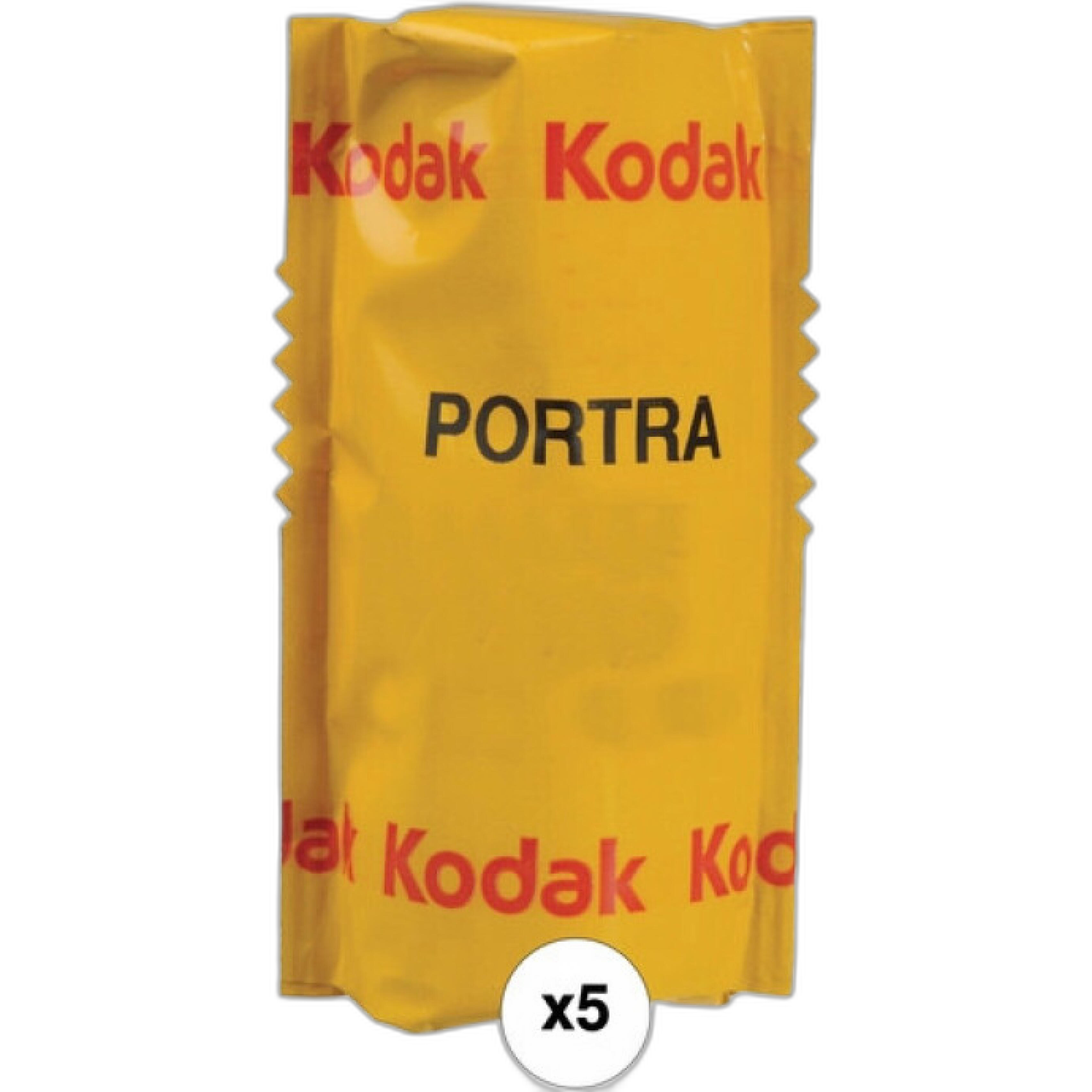
Among color negative films, few names carry the same immediate association with portraiture as Kodak Portra. By the early 2010s, Portra had already become a dependable standard for photographers who wanted natural skin tones, restrained color, and a forgiving negative that scanned and printed beautifully. Kodak Portra 160 continued that lineage with a distinctly refined character: smooth tonality, very fine grain, and a low-contrast rendering that suits both controlled studio work and bright daylight shooting.
As a historical profile from around its release era, Portra 160 stands out not as a dramatic or aggressively saturated film, but as one built for subtlety. It is the kind of emulsion that rewards careful exposure and thoughtful lighting, producing files and prints with a polished, understated look rather than overt punch. For portrait photographers, wedding shooters, commercial image-makers, and anyone prioritizing believable color, that was and remains the appeal.
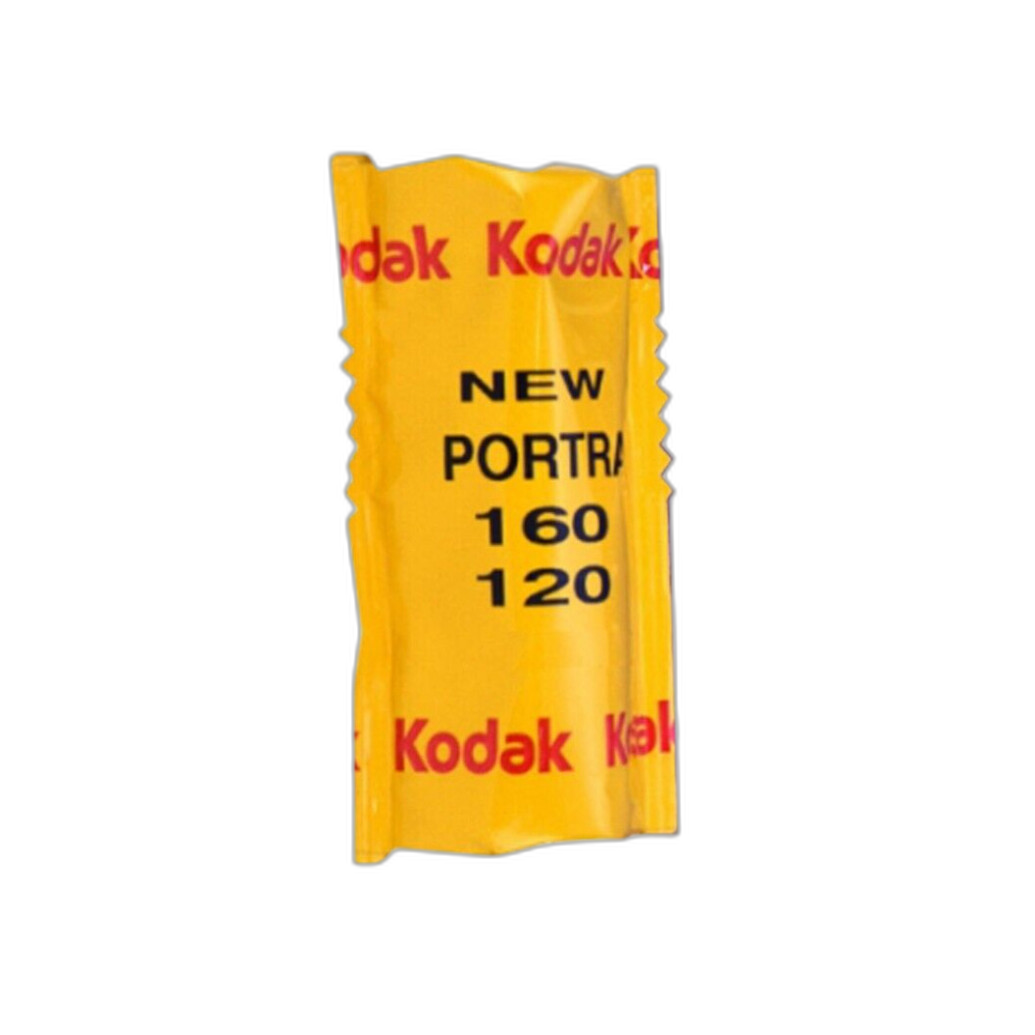
What Kodak Portra 160 Is
Kodak Portra 160 is a color negative film designed for C-41 processing and rated at ISO 160. Its core visual identity is well established: muted color, fine grain, and neutral skin tones. Those traits place it squarely in the Portra tradition, where realism and tonal smoothness take precedence over spectacle.
In practical use, ISO 160 occupies a useful middle ground. It is fast enough for outdoor portraiture, location work, and studio shooting with moderate strobes or continuous lighting, yet slow enough to support the fine-grained look expected from a premium portrait film. That balance helped make Portra 160 attractive to photographers who wanted cleaner negatives than faster emulsions typically provided, without moving all the way to a slower specialty film.
A Film Built Around Skin Tone and Tone Control
The defining strength of Portra 160 is its treatment of human skin. Kodak’s Portra family had long been recognized for rendering complexion with restraint and accuracy, and Portra 160 continued that approach with a particularly calm palette. Skin does not veer too pink, too yellow, or too warm under normal daylight conditions. Instead, it tends toward a neutral, believable presentation that gives photographers room to interpret the final image in printing or scanning.
That neutrality matters. Portrait photographers often prefer a film that does not lock them into a heavy stylistic bias. A strongly saturated emulsion can be appealing for travel, landscapes, or fashion work, but it may become less useful when consistency across many subjects is the goal. Portra 160 offers a more measured baseline. In studio work especially, where makeup, wardrobe, backdrop color, and lighting ratios are all carefully chosen, a lower-contrast and more neutral film can preserve those decisions instead of exaggerating them.
The low-contrast character also contributes to a smooth transition between highlights and shadows. Faces retain shape without looking harsh, and bright areas such as cheeks, foreheads, white clothing, or sunlit hair tend to separate gracefully rather than clipping abruptly in a scan or print. This quality made Portra 160 especially attractive for photographers who valued a soft, open tonal scale.
Fine Grain and a Clean Negative
Another major part of the Portra 160 identity is its fine grain. In the context of color negative film, grain is not only a technical consideration but also an aesthetic one. Coarser grain can add energy and texture, while finer grain supports a more polished and modern look. Portra 160 clearly belongs in the latter camp.
For enlargement, editorial reproduction, and high-quality scanning, that smoothness is a practical advantage. Fine grain helps preserve subtle skin texture, delicate transitions in fabric, and soft out-of-focus backgrounds without the image taking on an overly gritty appearance. Photographers making medium-format portraits, in particular, often appreciate what a film like this can do when paired with good lenses and careful lighting. The result is a negative that feels clean and sophisticated, with detail carried through in a way that complements rather than distracts from the subject.
How Portra 160 Looks in Daylight
In daylight, Portra 160 is at its most recognizable. Colors remain muted rather than loud, and this gives outdoor images a calm, balanced mood. Blue skies, greenery, and earth tones all register without excessive saturation. The film’s palette can make bright scenes feel more elegant and less brittle, especially during morning or late-afternoon light.
For environmental portraits, the advantage is clear: the setting supports the person instead of competing with them. A sunlit park, city block, garden, or beach scene can remain visually rich while still keeping attention on the subject’s expression and skin tone. That is one reason Portra became so closely associated with wedding and portrait photographers. It does not try to turn every scene into a postcard; it keeps the image grounded.
In open shade and softer daylight, Portra 160 can appear especially refined. The film’s restrained contrast pairs naturally with diffused light, creating negatives with broad tonal information and a gentle, flattering feel. For photographers who prefer natural light portraiture, this can be a very appealing combination.
Why It Works So Well in the Studio
Studio photography benefits from predictability, and Portra 160 offers exactly that. Under controlled lighting, its neutral color response and low-contrast profile make it easier to produce a consistent look from session to session. Skin remains believable, fabrics hold detail, and backgrounds do not become unnaturally intense.
Because studio work often involves deliberate shaping of highlights and shadows, a film that preserves subtle tonal differences can be preferable to one with a more aggressive curve. Portra 160 allows the photographer to build contrast through lighting design rather than having the film impose too much of its own. This is useful in classic headshots, family portraits, fashion catalog work, and commercial portrait assignments where color accuracy and tonal discipline matter.
It is also a film that leaves room for interpretation after exposure. Since color negative film is inherently flexible, a well-exposed Portra 160 negative can often be scanned or printed with different moods in mind, from airy and luminous to slightly richer and more contrasty. That adaptability has always been part of the practical value of the format.
Where It Sits in the Portra Family
Within the wider Portra line, Portra 160 occupies the smoother, quieter end of the spectrum. It is not the choice for photographers seeking heavy saturation or a dramatic high-contrast look straight from the negative. Instead, it is for those who want subtle color and a composed tonal structure. In that sense, it serves as a foundational portrait film: versatile, professional, and intentionally restrained.
That restraint should not be mistaken for blandness. The best Portra 160 images often reveal their strengths gradually. Fine grain, gentle color, and balanced contrast can feel modest at first glance, but they age well. They preserve expression, lighting nuance, and atmosphere with a naturalism that remains appealing long after louder visual trends fade.
Who Portra 160 Was Made For
Historically, Portra 160 makes the most sense for photographers who prioritize people, controlled color, and a polished finish. Portrait specialists are the obvious audience, but the film is equally at home in editorial work, wedding coverage in good light, still-life setups, and commercial applications where clean color reproduction is important.
Its ISO 160 rating also suggests a working method. This is a film for intentional shooting rather than hurried, low-light improvisation. It rewards meter awareness, thoughtful exposure, and situations where the photographer can either use available daylight well or bring enough light to the scene. In return, it delivers negatives with a calm, professional look that can be shaped to suit many output methods.
Portra 160 as a Modern Classic
Even viewed from its release-period context, Kodak Portra 160 already felt like a mature product rather than a novelty. It built on a well-known portrait-film philosophy and refined it into a dependable option for photographers who wanted smooth color negative results without excess saturation or harsh contrast. Its established visual signature—muted color, fine grain, and neutral skin—made it one of the most sensible choices for daylight portraiture and studio photography alike.
That is ultimately why Portra 160 has earned lasting respect. It does not overwhelm the subject. It supports the image. For photographers who believe the strongest color palette is often the one that looks most natural, this film remains an easy one to understand and appreciate.
To explore Kodak film stock, compare classic emulsions, or learn more about shooting and processing film, visit Unique Photo—an excellent place to buy Kodak Portra 160 and connect with a knowledgeable photographic community.