Wedding and event photographers are always searching for the best Sony lenses for fast-paced, unpredictable jobs. Sony's Lens Compare Beta tool has sparked plenty of discussion because it offers a quick way to review lens specifications, focal lengths, aperture ranges, and size differences. But many photographers are asking an important question: is Sony Lens Compare Beta enough when choosing lenses for weddings and events?
The short answer is no. While the tool can be useful for narrowing down options, real-world wedding photography lens selection depends on far more than spec sheet comparisons. Autofocus consistency, low-light reliability, subject tracking, rendering, handling, and even how a lens behaves during a long wedding day all matter. At Unique Photo, we often see photographers use comparison tools as a starting point, not the final word.
In this guide, we'll break down what Sony's Lens Compare Beta does well, where it falls short, and how wedding and event photographers should evaluate lenses before investing in gear for paid work.

What Sony Lens Compare Beta Helps With When Comparing Wedding Lenses
For photographers researching the best Sony lenses for wedding photography or the best Sony lenses for event photography, Sony's Lens Compare Beta can be genuinely helpful in the early stages. It gives a clean side-by-side look at measurable lens characteristics, such as:
- Focal length and zoom range
- Maximum aperture
- Minimum focusing distance
- Physical dimensions and weight
- Optical design details
- Basic feature differences between models
That kind of data is valuable when building or refining a wedding kit. If you're deciding between a 24-70mm f/2.8 and a 35-150mm style zoom, or comparing multiple primes for ceremony coverage, the tool can save time. It can also help photographers think through practical concerns like whether a lens will balance well on their Sony body, fit comfortably on a gimbal, or add too much weight during a 10-hour event day.
For example, if your work includes ceremonies, receptions, family formals, and dance floor candids, a side-by-side comparison of zoom range and aperture can immediately show which lens seems more versatile on paper. That is useful. But for working pros, paper specs are only part of the story.
Why Wedding Photographers Say Lens Specs Alone Are Not Enough
The main criticism of Sony Lens Compare Beta is simple: specifications do not tell you how a lens performs under real wedding and event pressure. Weddings are not controlled studio tests. Lighting changes every few minutes. Subjects move unpredictably. Faces turn, backlight flares, DJs dim the room, and moments happen once.
This is where the debate gets serious. A lens may look excellent in a comparison tool and still disappoint in actual wedding use. Two lenses with similar focal lengths and apertures can behave very differently when:
- Tracking a bride walking down the aisle
- Locking onto eyes during a dimly lit first dance
- Switching focus quickly during candid reception coverage
- Handling mixed lighting, haze, uplighting, and backlit windows
- Maintaining AF confidence during fast subject movement
At Unique Photo, photographers regularly discover that the most important lens traits are often the hardest to quantify in a beta comparison interface. That is why real-world reviews, rentals, hands-on demos, and educational workshops remain so valuable.
Autofocus Performance: The Biggest Missing Piece in Sony Lens Compare Beta
If there is one area where wedding and event photographers want deeper information, it is Sony lens autofocus performance. Autofocus can make or break coverage. Missing focus during the kiss, vows, entrances, or first dance is not a minor inconvenience. It's a professional risk.
Lens Compare Beta may show compatibility and broad lens information, but it cannot fully communicate how a lens actually focuses in demanding situations. Wedding shooters often care about details like:
- How quickly the lens acquires focus in dim churches or reception halls
- How confidently it tracks subjects moving toward the camera
- How sticky eye AF feels in crowded scenes
- Whether the lens hunts in low contrast environments
- How consistent focus is frame-to-frame during bursts
- Whether AF behavior changes near the long end of a zoom
These are not small differences. One lens might snap into focus instantly while another hesitates just enough to cost critical moments. Even within the same system, autofocus motor design, lens firmware, optical complexity, and communication with the camera body all influence performance.
That is why photographers comparing Sony lenses for weddings often rely on field reports from other professionals rather than only on manufacturer comparison tools. If your income depends on dependable autofocus, the conversation has to go beyond specs.
Low-Light Performance Is More Than Maximum Aperture
Another major limitation in a simple comparison tool is low-light lens performance for wedding photography. Many photographers see an f/1.4, f/1.8, or f/2.8 aperture and assume they understand how the lens will behave at a reception. In reality, low-light usability is more complex.
For wedding and event work, low-light performance includes:
- Autofocus reliability in dark environments
- Contrast retention under DJ lights and uplighting
- Resistance to veiling flare and strange light sources
- Sharpness wide open where the lens is actually used
- Color rendering under mixed temperature lighting
- How subject separation looks in real candid scenes
A lens with an attractive maximum aperture may still underperform if autofocus slows down dramatically in dim light or if image quality becomes too soft wide open for paid work. Wedding photographers also care deeply about how lenses render skin tones, backgrounds, specular highlights, and dance floor lighting. Those characteristics shape the final gallery just as much as focal length and aperture.
When photographers at Unique Photo discuss lens choices, this is often where in-person experience matters most. A lens that feels great at noon outdoors can behave differently in a ballroom lit by candles, LEDs, and moving colored lights.
Real-World Wedding Lens Testing Matters More Than Beta Comparison Charts
Professional photographers know that real-world wedding lens tests are often more useful than controlled comparison charts. A lens might benchmark well and still not suit your shooting style. Some photographers prioritize speed and precision for documentary coverage, while others care more about rendering and subject isolation for portraits.
Before buying a lens for weddings or events, ask practical questions like:
- How does it handle a full wedding day on one or two camera bodies?
- Does it balance comfortably for long stretches of handheld shooting?
- Is the zoom ring smooth and fast enough for reactive composition?
- How often do you trust it wide open?
- Does it keep up during entrances, exits, and dance floor action?
- How does it perform in rain, humid outdoor ceremonies, or crowded indoor venues?
This is why many working pros use a combination of manufacturer data, trusted reviewer feedback, second-shooter experience, rental testing, and education. Unique Photo supports that approach because it reflects how professionals actually make gear decisions.
How to Choose Sony Lenses for Weddings and Events Beyond the Specs
If you're trying to choose between Sony wedding lenses, a more complete decision process usually works best. Here are the factors experienced event photographers weigh beyond comparison-tool data:
1. Autofocus consistency
Not just speed in ideal conditions, but reliability in backlight, low light, and fast action.
2. Wide-open image quality
Wedding lenses are often used near maximum aperture. Check how the lens performs where you will actually shoot.
3. Handling and fatigue
Lens size and weight matter more at hour nine of a wedding than during a five-minute demo.
4. Rendering and look
Bokeh, contrast, transition zones, and skin tone rendering all affect the feel of your final work.
5. Versatility across the day
A lens that works for prep, portraits, ceremony, and reception may be more valuable than one with niche strengths.
6. Body pairing
Lens performance can vary depending on the Sony body you use, especially with AF tracking features and newer firmware.
7. Reliability under pressure
Event photography rewards gear that performs predictably every time, not just gear that looks impressive in a spec chart.
What Sony Lens Compare Beta Still Does Well for Event Photographers
Even with its limitations, Sony Lens Compare Beta still has value. For photographers building a Sony kit, it can help organize initial research and identify promising options. It is especially useful for:
- Comparing focal length coverage for one-lens or two-lens setups
- Evaluating size and travel-friendliness
- Reviewing lens lineup gaps before adding a new focal length
- Understanding where primes and zooms overlap
- Creating a shortlist before testing in person
So the better question may not be whether the tool is good or bad. The real question is how much weight should wedding photographers give it? For most professionals, the answer is: use it as a reference, not as a final decision-maker.
Why Education and Hands-On Experience Still Matter
One of the best ways to understand what makes a lens work for weddings and events is to learn from photographers who regularly shoot them. Unique Photo offers educational opportunities that can help photographers sharpen their eye for what really matters in gear selection and event coverage.
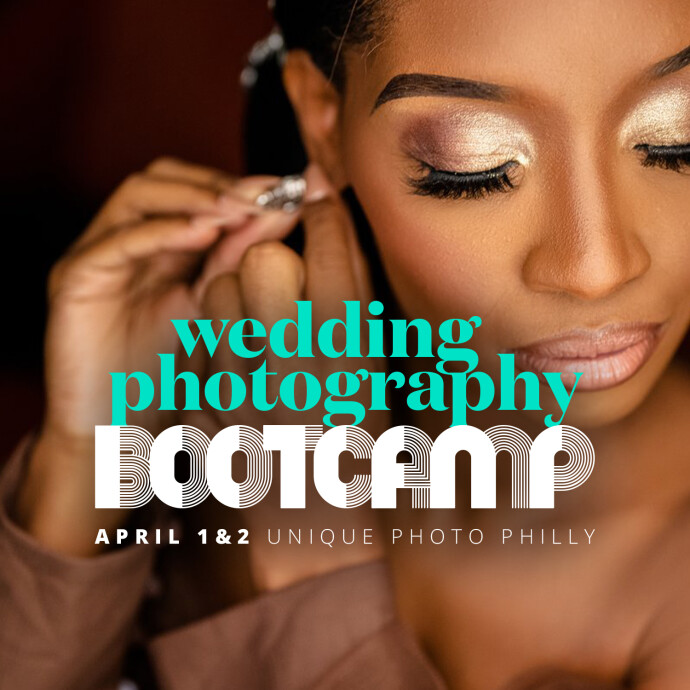
For example, the Wedding Photography Bootcamp: Portfolio Review with Kesha Lambert (Sony) can be a relevant resource for photographers refining both technique and gear choices in the wedding space. Event shooters may also benefit from programs like the Seminar: How to Capture Great Festival and Event Photos with David Wells, which reinforces how fast-changing environments challenge both cameras and lenses.
Those kinds of experiences often reveal more than a lens comparison page ever could. You learn how professionals think, where gear succeeds or fails in the field, and how to build a kit around actual assignments rather than theoretical performance.

Should You Trust Sony Lens Compare Beta for Wedding Lens Buying Decisions?
If you're researching which Sony lens to buy for weddings, trust Sony Lens Compare Beta for foundational information, but do not rely on it alone. Wedding and event photographers are right to question whether comparison data is sufficient, because the most important buying factors often involve performance characteristics that are difficult to summarize in a basic tool.
Autofocus behavior, low-light confidence, handling, real-world rendering, and reliability during once-in-a-lifetime moments all deserve more attention than a side-by-side spec layout can provide. For photographers making serious investments, the best path is usually a blended approach:
- Use Lens Compare Beta to build a shortlist
- Read field-tested reviews from wedding and event professionals
- Try lenses in person whenever possible
- Rent before buying if the lens will be central to your workflow
- Learn from workshops, seminars, and community feedback
At Unique Photo, we believe photographers make the best gear decisions when technical data meets real shooting experience. Tools are helpful, but successful wedding coverage depends on performance in the moments that cannot be repeated.
Conclusion: Use the Tool, But Test for the Moments That Matter
Sony's Lens Compare Beta is a helpful research starting point for anyone comparing Sony lenses for wedding and event photography. It can clarify focal lengths, apertures, dimensions, and lineup differences quickly. But when professionals debate whether the data is enough, they have a point: the tool cannot fully tell you how a lens will focus, track, render, or survive a difficult reception in near darkness.
That is why wedding and event lens decisions should include real-world testing, peer feedback, and hands-on education. Unique Photo is a strong place to continue that process, whether you're exploring educational events, researching gear categories, or learning from photographers who depend on this equipment professionally.
For internal linking opportunities, consider directing readers to Unique Photo pages related to wedding photography classes, event photography workshops, Sony camera and lens collections, and photography education events to help them move from comparison data to practical buying confidence.