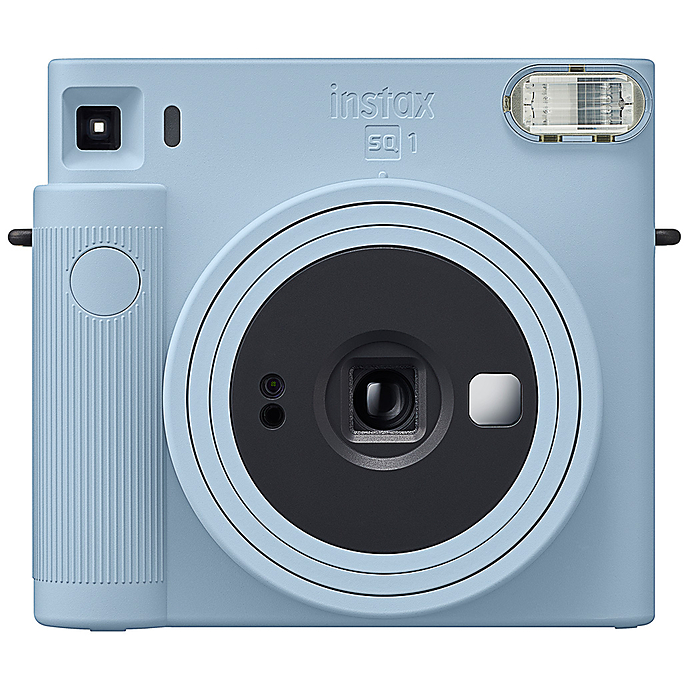
Fujifilm’s Instax Square line has always occupied a particularly appealing middle ground in instant photography. For buyers who love the simplicity of Instax Mini cameras but want a larger, more balanced image area, the square format offers a familiar shape with a bit more visual breathing room. Around the release period of the Instax Square SQ40, one of the most common shopping questions was straightforward: should you buy the newer, style-forward SQ40, or stick with the already established Instax Square SQ1?
This comparison is best understood not as a battle between radically different cameras, but as a choice between two closely related square-format instant cameras that prioritize ease of use. Both are designed to make instant photography approachable, both use Instax Square film, and both focus on a streamlined shooting experience built around automatic exposure and an easy-to-access selfie mode. The real differences come down to design, handling, and the kind of photographic experience you want from the object itself.
At a Glance: What the SQ1 and SQ40 Have in Common
Before focusing on what separates them, it is worth emphasizing how much these two cameras share in concept. The Instax Square SQ1 helped define Fujifilm’s simplified square-camera formula: straightforward operation, automatic exposure, and an integrated selfie mode intended to make casual portraits and close-up self-portraits easier. The Instax Square SQ40 follows the same broad philosophy.
For many buyers, that means image-making expectations should start from the same place. Both cameras are built around Instax Square film, so the final print format is the same. If you are choosing between them, you are not deciding between different print sizes or a dramatically different user interface. You are choosing between two cameras aimed at a similar audience, with similar shooting priorities, but expressed through different design language.
The Core Appeal of Instax Square Film
Instax Square film is central to the decision. Fujifilm’s square instant format carries obvious aesthetic appeal: it nods to classic square photography while still feeling modern in the Instax ecosystem. For snapshots, travel pictures, parties, portraits, and small keepsakes, the square frame can be especially forgiving. It encourages centered compositions, balanced portrait framing, and playful use of negative space.
That matters because both the SQ1 and SQ40 are cameras built for spontaneity. Neither is trying to be a technical, control-heavy instant camera for users who want deep manual adjustment. Instead, they are cameras for people who want to load a pack of film, point, shoot, and enjoy the print a moment later. In that role, the square format is a major part of the charm.
Automatic Exposure: The Convenience Feature That Matters Most
One of the most important shared features between the Instax Square SQ1 and SQ40 is automatic exposure. For newcomers to instant photography, this is arguably more significant than styling or even generational branding. Automatic exposure means the camera is designed to evaluate the scene and adjust accordingly, helping maintain usable results across a range of everyday situations.
In practical terms, that makes these cameras easier to recommend to casual users, families, gift buyers, and anyone who does not want to think much about settings. Instant film has always rewarded confident, uncomplicated shooting, and Fujifilm’s Instax cameras have increasingly leaned into that ethos. With both the SQ1 and SQ40, automatic exposure is part of what keeps the experience approachable.
If your main concern is simply getting into square-format instant photography with the least amount of technical friction, both cameras satisfy that need. Neither one is positioned as a more advanced exposure-control tool than the other in the facts provided here. So if exposure automation is your priority, you can think of this category as essentially a draw.
Selfie Mode: A Shared Strength for Social Shooting
The other major functional overlap is selfie mode. This is not a trivial feature in the Instax world; it is one of the reasons these cameras appeal so strongly to social shooters. Whether you are documenting a night out, taking travel self-portraits, or passing the camera around at an event, quick access to selfie framing is a real advantage.
Both the SQ1 and SQ40 include selfie mode, reinforcing that they are meant to be used casually and often. That makes them especially well suited to the kinds of pictures people most frequently make with instant cameras: friends gathered in a frame, spontaneous portraits, and fun, low-pressure snapshots meant to be shared immediately.
If you know selfie shooting will be a meaningful part of your use, the good news is that you do not need to choose one model over the other based on that single feature alone. Both cameras address it directly.
The Real Difference: Styling and Personality
If automatic exposure and selfie mode cover the practical side, styling differences are where the buying decision becomes more personal. The SQ1 and SQ40 are best understood as two versions of a similar photographic idea presented with different visual identities.
The Instax Square SQ1 carries the more playful, modern, and approachable feel associated with many Instax models of its era. It fits comfortably into the company’s established language of simple operation and friendly design. For some buyers, that is exactly the point: an instant camera should look fun, contemporary, and uncomplicated.
The Instax Square SQ40, by contrast, arrived with styling that clearly aimed for a more classic or refined impression. Around its release, much of its appeal centered on this shift in presentation. It suggested a camera for users who liked the convenience of modern Instax operation but wanted an object with a slightly more mature, fashion-conscious presence. The SQ40 did not necessarily redefine square instant photography in functional terms; instead, it reframed it aesthetically.
That distinction matters more than it may first appear. Instant cameras are as much lifestyle objects as photographic tools. They are taken to parties, displayed on shelves, gifted for milestones, and chosen as much for how they feel in the hand and fit a personal style as for any technical difference. In that context, styling is not superficial. It is often the deciding factor.
Who Should Buy the Instax Square SQ1?
The SQ1 makes the most sense for buyers who want the square Instax experience in its most straightforward and approachable form. If your goal is simply to enjoy square instant prints without overthinking the camera itself, the SQ1 remains a very sensible choice.
It is also a strong pick for first-time instant shooters, younger users, and gift recipients who will appreciate uncomplicated operation above all else. Because it shares key practical features like automatic exposure and selfie mode with the SQ40, it covers the essentials well. If you prefer a design that feels casual, modern, and unmistakably Instax, the SQ1 is likely the better fit.
Who Should Buy the Instax Square SQ40?
The SQ40 is the camera for buyers who want nearly the same square-format shooting concept but with a different aesthetic attitude. If you are drawn to a more classic-looking camera body, or you want an instant camera that feels a bit more polished or understated, the SQ40 is likely the more satisfying choice.
It is especially appealing for style-conscious buyers who treat the camera as part of the experience, not just a means to an end. Around the time of its release, that was arguably its defining role in the lineup: not replacing the idea of the SQ1, but offering a more design-led alternative for people who loved square Instax prints and wanted a different visual personality.
Which Square Instant Camera Should You Buy?
If you strip the decision down to fundamentals, the answer is simple. Buy the Instax Square SQ1 if you want the essential square Instax experience with easy operation and an upbeat, approachable design. Buy the Instax Square SQ40 if you want that same broad shooting concept but prefer a more classic, style-conscious look.
Because the provided core features overlap so strongly, this is not really a case of one camera being categorically better. It is a case of one camera being better for you. With both models covering automatic exposure, selfie mode, and Instax Square film, the practical experience is closely aligned. The emotional appeal of the design is what ultimately tips the scale.
Final Thoughts
Historically, the SQ1 and SQ40 are a good reminder of how Fujifilm has shaped the Instax system: not only through film formats and feature sets, but through design choices that let different kinds of users find an instant camera that feels personal. In the SQ1 and SQ40, the company offered two closely related ways into square instant photography, each built around convenience and shareable prints, but each speaking to a different taste.
If you are shopping the Instax Square lineup today as a buyer or researching it as an archival snapshot of the era, the comparison remains clear. Choose the SQ1 for friendly simplicity; choose the SQ40 for classic-inspired style. Either way, you are stepping into the distinctive look of Instax Square film and the enduring fun of analog instant photography. To buy Instax cameras and film, or to learn more about the history and current state of instant photography, visit Unique Photo.