How to Read Lens Comparison Data for Portrait Photography
Lens comparison tools can be incredibly helpful, but portrait photographers often discover that the numbers only tell part of the story. For portraits, sharpness charts, contrast behavior, focal length, rendering style, and subject separation all work together to create a look that feels flattering and intentional.
At Unique Photo, we encourage photographers to use comparison data as a starting point rather than a final verdict. Once you understand what the measurements mean in real portrait situations, it becomes much easier to decide whether a prime or zoom fits your style.
What lens comparison data matters most for portrait photography?
For portraits, the most useful data points are center sharpness, mid-frame consistency, contrast, falloff, and how a lens behaves at wider apertures. Portraits rarely depend on edge-to-edge perfection in the same way landscapes or architecture do. Instead, you want confidence that eyes and facial detail render cleanly, while transitions into out-of-focus areas remain pleasing.
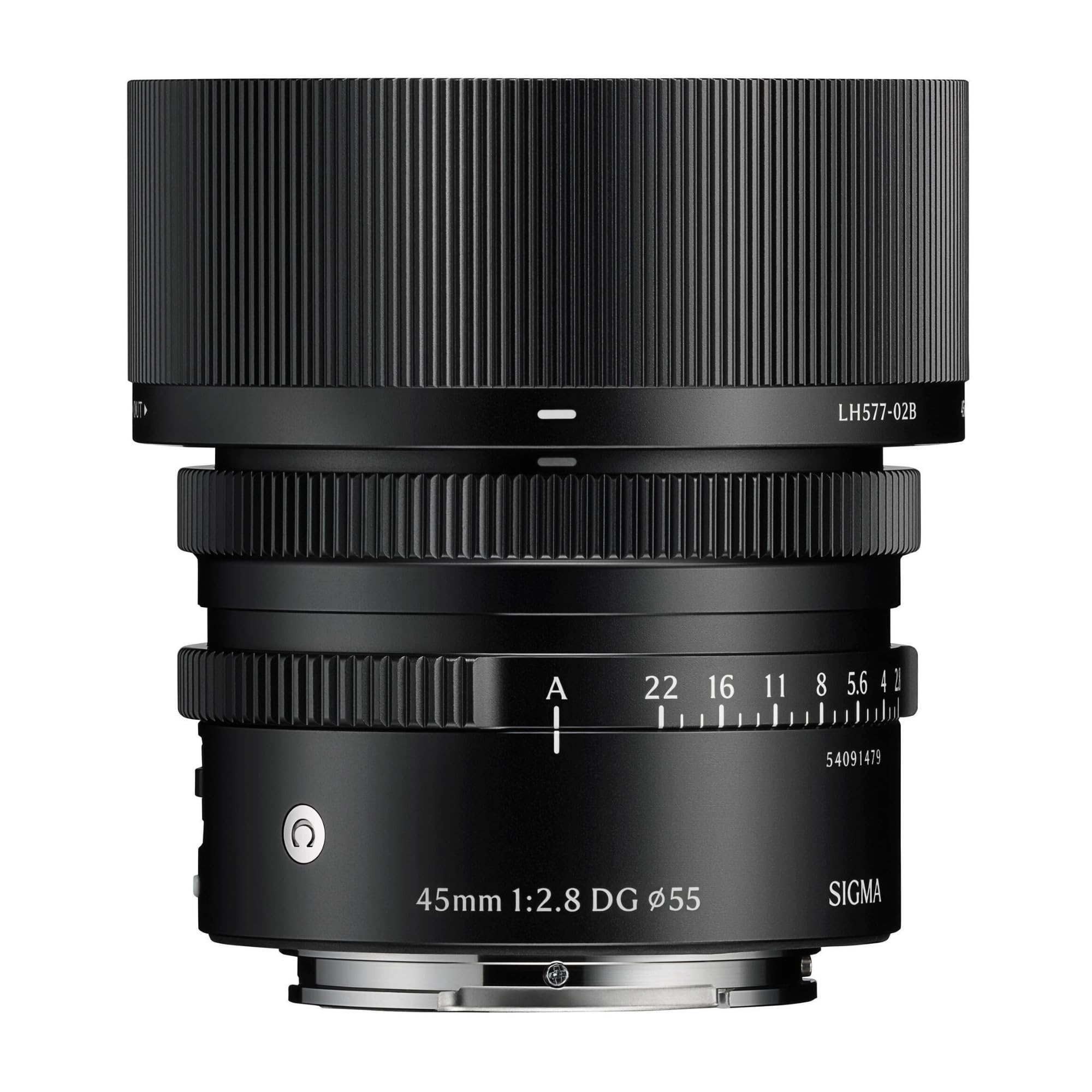
Focal length is also critical. A standard focal length can create an intimate environmental portrait, while a short telephoto often delivers more flattering compression for headshots. If you are choosing between compact portrait-friendly primes, a lens like the Sigma 45mm F2.8 DG Contemporary offers a natural perspective for half-body portraits and lifestyle work, while a 90mm option is often better suited to tighter framing and classic portrait compression.
Why do two lenses with similar test scores produce portraits that feel very different?
This is one of the most common points of confusion. Two lenses can look nearly identical in chart-based testing and still create very different portrait images because rendering is about more than raw resolution. Microcontrast, color transmission, spherical aberration control, transition smoothness, and background blur all influence how a subject appears.
In portrait work, photographers often notice the difference in how skin texture is described, how highlights bloom in the background, and how quickly focus falls away behind the subject. A technically strong lens may look more clinical, while another lens with slightly lower measured sharpness may feel more dimensional or flattering. That is why lens comparison data should be paired with real-world portrait priorities rather than read as a simple ranking.
Are prime lenses better than zoom lenses for portraits?
Not automatically, but primes often have advantages that portrait photographers appreciate. Prime lenses are typically chosen for their consistent rendering, compact size, brighter maximum apertures, and a more deliberate shooting experience. They also tend to make lens comparisons easier because you are evaluating one focal length and one optical design rather than a zoom range with changing performance characteristics.
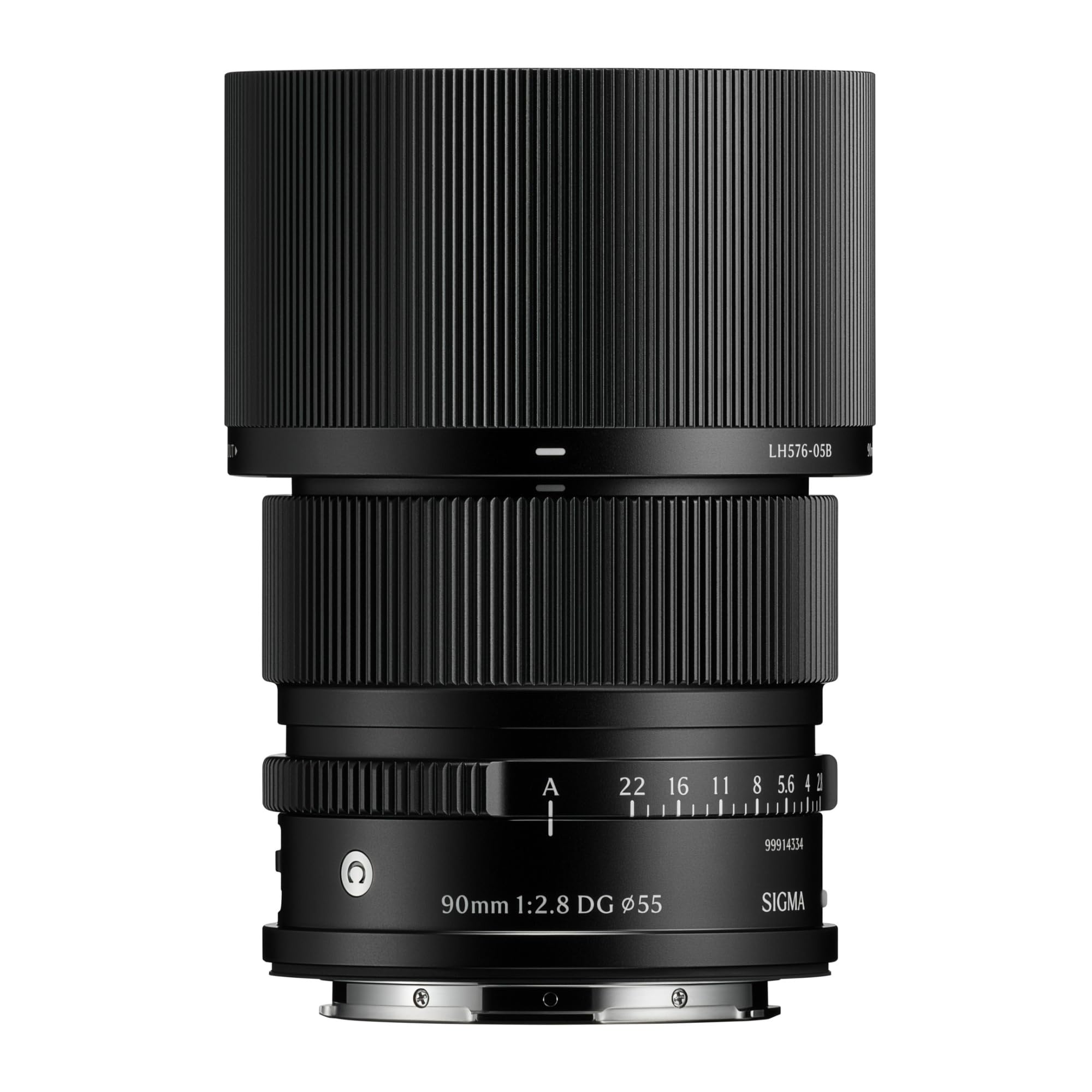
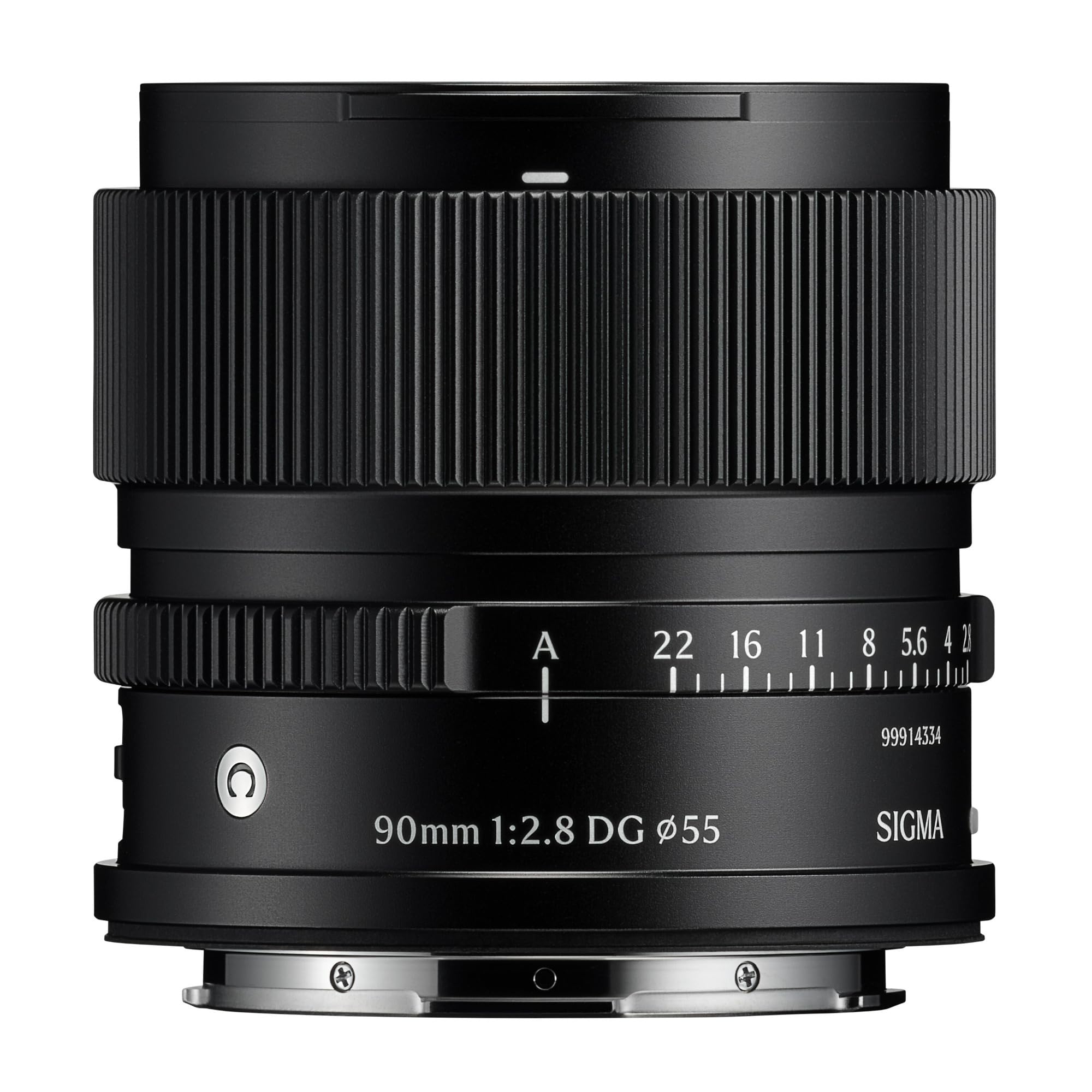
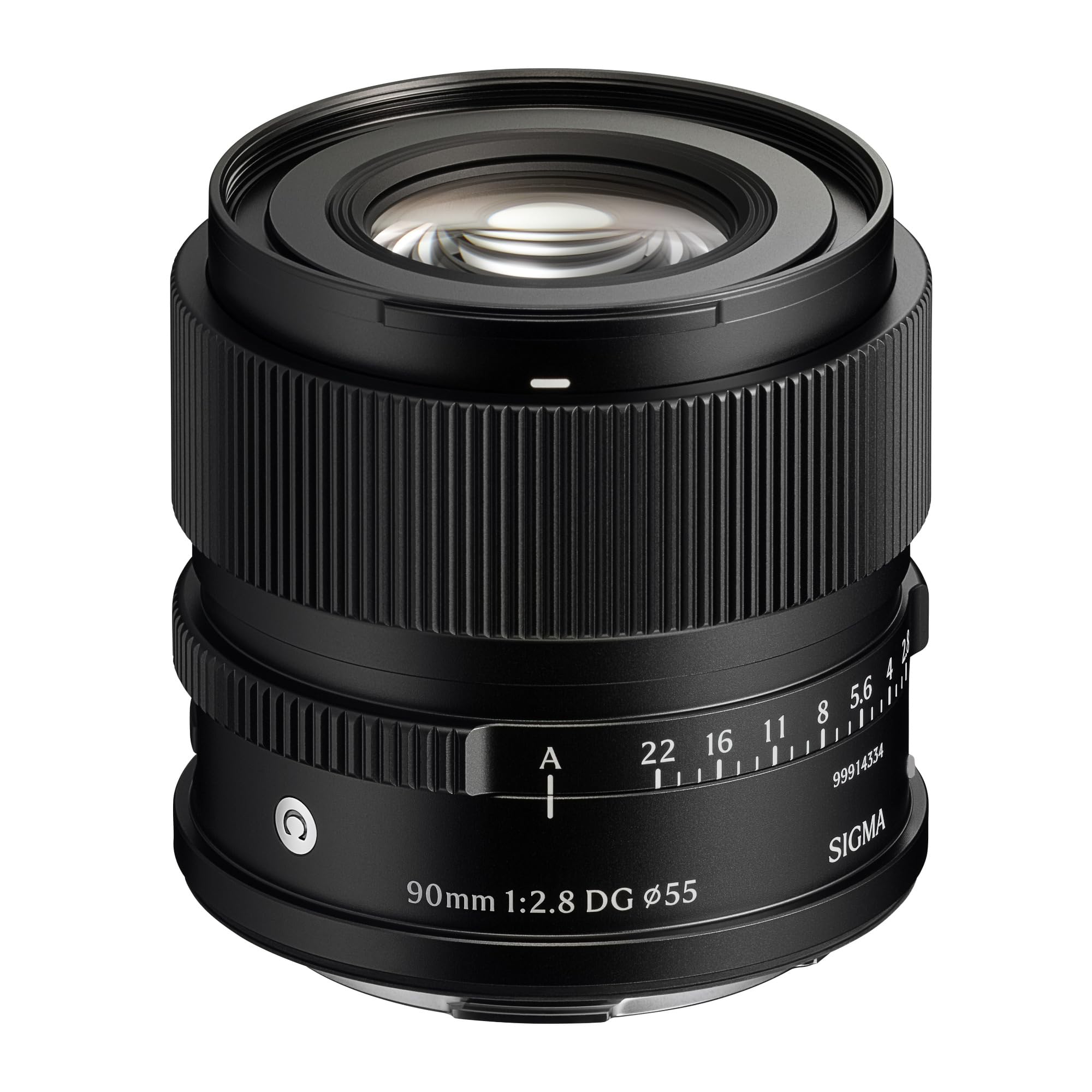
For example, a prime such as the Sigma 90mm F2.8 DG Contemporary can be an excellent portrait tool for photographers who want a lightweight short telephoto with flattering perspective and a refined look. A focal length around 90mm is especially useful for headshots, tighter portraits, and isolating a subject from the background without stepping too far away.
Zooms remain a strong choice when flexibility matters most, especially for event portraiture or fast-moving sessions. But if your goal is to study rendering nuances closely, primes often reveal those differences more clearly.
How should I interpret sharpness results for headshots versus environmental portraits?
For headshots, strong center sharpness and smooth tonal rendering are usually more important than extreme corner performance. Your subject's eyes, lashes, and facial features need to hold detail, but the outer edges of the frame may matter very little. In that case, a lens comparison chart showing excellent center performance wide open can be more relevant than one showing perfect corners at smaller apertures.
For environmental portraits, mid-frame and edge consistency start to matter more because the surroundings contribute to the composition. If you frame a subject off-center or include architectural context, you may care more about how the lens performs beyond the middle of the image.
A lens like the Sigma 45mm F2.8 DG Contemporary is particularly appealing for environmental portraits because its field of view feels natural and flexible. By contrast, the Sigma 90mm F2.8 DG Contemporary is often the better fit when your priority is cleaner subject separation and a tighter portrait look.
Does aperture data tell me everything about background blur and subject separation?
No. Maximum aperture is important, but it is only one part of portrait rendering. Subject separation also depends on focal length, focus distance, background distance, and the lens's optical character. A longer focal length at a moderate aperture can sometimes create a more flattering portrait effect than a wider lens shot at a brighter aperture.
That is why portrait photographers often compare lenses by both focal length and look, not simply by f-stop. A 90mm prime at f/2.8 can still deliver compelling separation thanks to its perspective and compression, especially for head-and-shoulders work. Meanwhile, a 45mm lens at f/2.8 may feel better for portraits that intentionally keep more of the environment visible.
What should I look for in lens comparison data if I want a more cinematic portrait look?
If you want portraits with a more cinematic feel, pay attention to contrast roll-off, highlight behavior, and focus transition rather than looking only at resolution. Cinema-oriented lenses are often selected because they deliver a polished, controlled rendering style that remains attractive in motion and close-up framing.
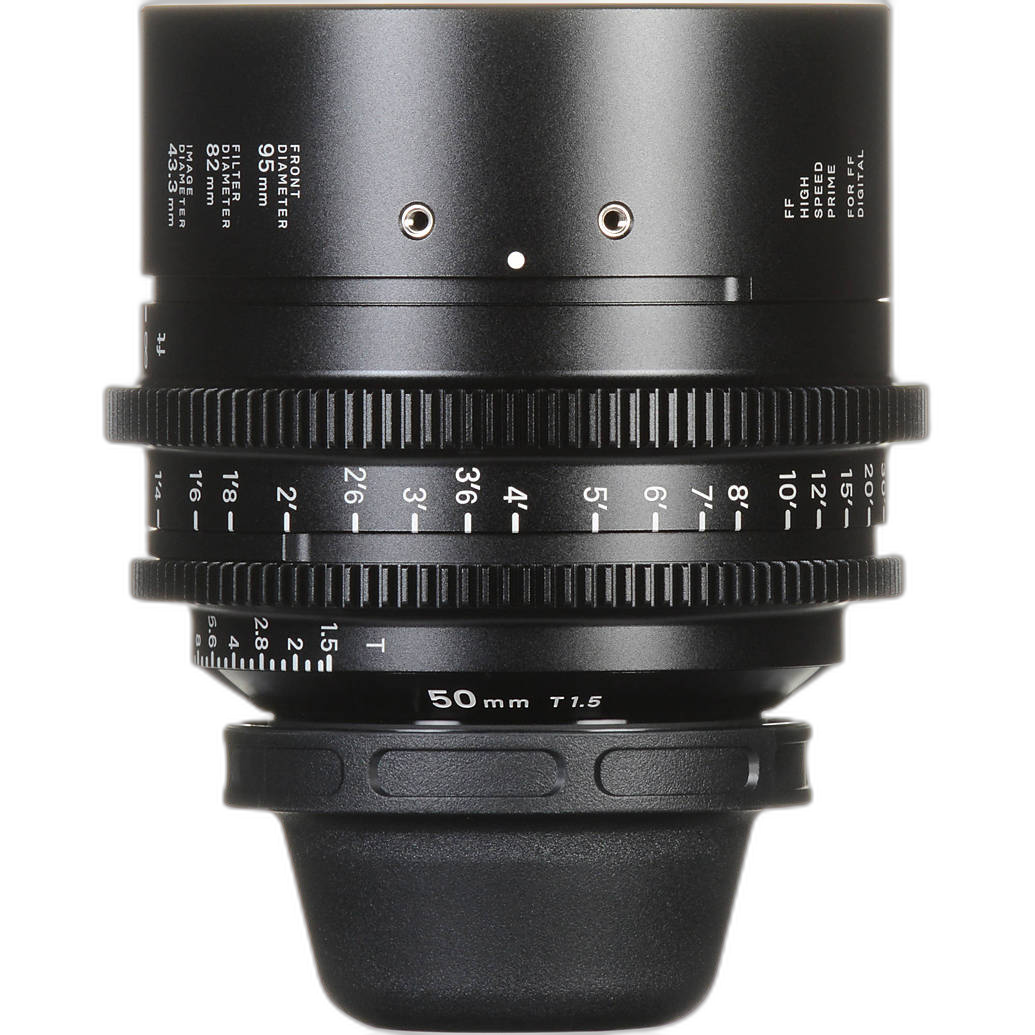
A product like the Sigma 50mm T1.5 Fully Luminous FF High-Speed Prime Lens is a good example of how lens choice shapes portrait character for video and hybrid production. The 50mm focal length is highly versatile for interviews, narrative close-ups, and stylized portrait motion work, while the fast T1.5 aperture supports low-light shooting and stronger separation.
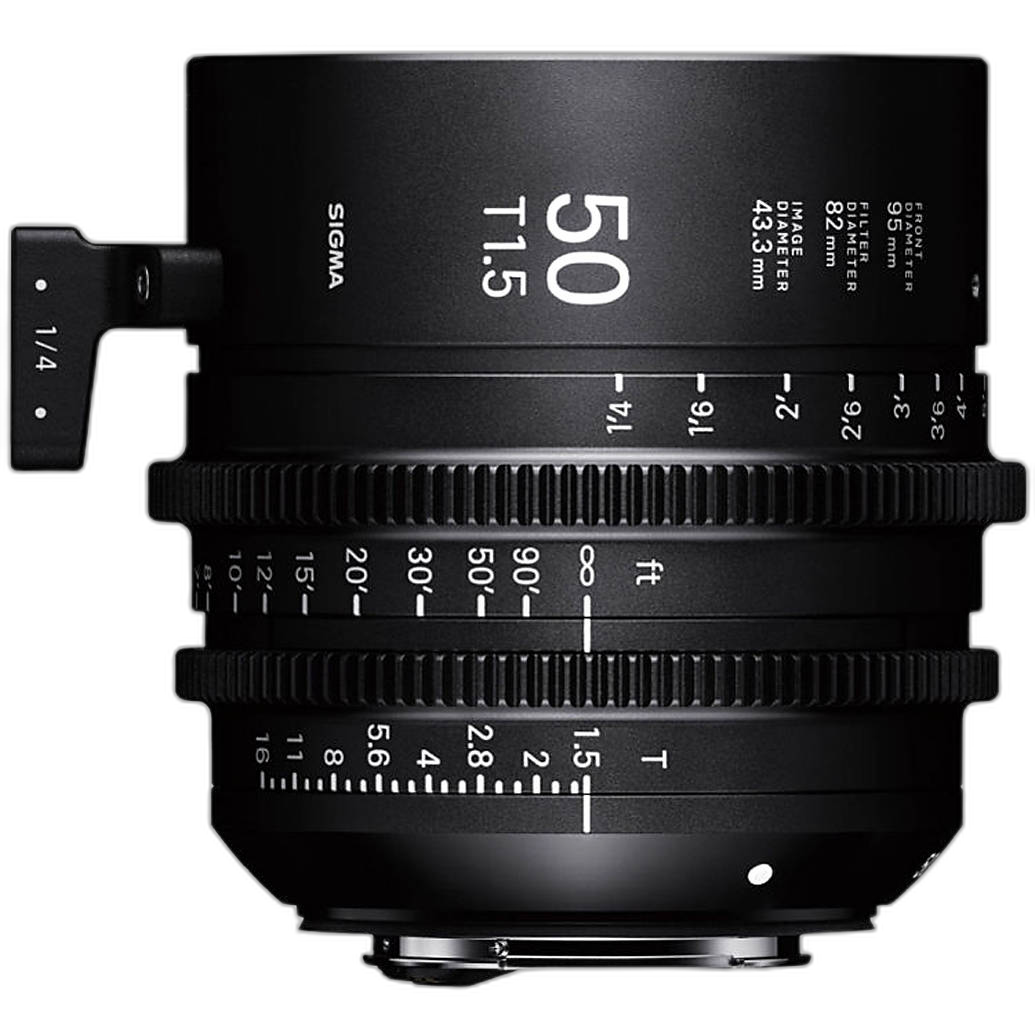
For portrait filmmakers, test data should be balanced with practical considerations like focus throw, consistency, and the way skin tones and out-of-focus highlights render on camera.
How much should distortion and compression influence a portrait lens choice?
Quite a bit. Distortion measurements are often overlooked in comparison tools, but they can affect how natural facial features appear, especially at closer distances. Wider focal lengths can exaggerate noses, foreheads, and cheek lines if used too near the subject. That effect is not always caused by the lens itself alone; camera-to-subject distance plays a major role.
Short telephoto lenses are popular for portraits because they allow a more comfortable working distance and a more flattering perspective. This is where a 90mm lens can shine. If you prefer portraits with elegant compression and less facial exaggeration, a lens like the Sigma 90mm F2.8 DG Contemporary is a strong option to consider from Unique Photo.
Should I choose a lens based on test charts or on the look I want?
The best answer is both, with the final decision weighted toward the look you want. Test charts are useful for identifying weaknesses, comparing consistency, and narrowing the field. But portraits are about expression, lighting, and visual character. A lens that technically wins a chart comparison may not be the one that best matches your personal style.
If you want a compact everyday portrait lens with a natural perspective, the Sigma 45mm F2.8 DG Contemporary is a smart place to start. If you want a classic tighter portrait focal length, the Sigma 90mm F2.8 DG Contemporary may be the better fit. If your work leans toward video, interviews, or cinematic portrait production, the Sigma 50mm T1.5 cine prime brings a different level of creative control.
What is the best practical way to use lens comparison tools before buying?
Use comparison tools to answer specific questions. Compare center sharpness at your typical portrait aperture. Check whether performance changes significantly wide open. Look for information on contrast and field consistency. Then match those findings to your actual shooting needs: headshots, environmental portraits, weddings, content creation, or cinematic interviews.
It also helps to compare lenses within the focal lengths you truly use rather than chasing the highest numbers overall. Portrait photographers usually benefit more from choosing the right perspective and rendering style than from selecting the most clinically sharp option on paper.
At Unique Photo, we recommend treating lens data as one layer of decision-making. Pair the specs with sample imagery, your preferred subject distance, and the kind of portrait experience you want to create. If you are ready to refine your portrait kit, explore options like the Sigma 45mm F2.8 DG Contemporary, Sigma 90mm F2.8 DG Contemporary, or Sigma 50mm T1.5 cine prime at Unique Photo and find the lens character that fits your style.