Photography contest feedback can feel exciting, confusing, motivating, and discouraging all at once. The key is to treat every comment as usable information rather than a final verdict on your talent. Whether you entered images made with a modern compact like the Fujifilm X100VI or a classic piece such as a used Leica rangefinder, thoughtful review can help you sharpen both your eye and your process. Here are practical tips for turning contest feedback into better photographs.

1. Separate emotional reaction from useful critique
Let the first response pass before judging the feedback
If a judge says your image is technically strong but emotionally distant, resist the urge to dismiss the comment immediately. Read the feedback once, step away, and come back later with a notebook. Ask yourself: is the critique about timing, composition, lighting, subject choice, or presentation? This is especially helpful when reviewing street or travel work captured on a camera like the Fujifilm X100VI, where subtle framing decisions can change how personal an image feels.
- Highlight comments that mention specific visual issues.
- Ignore vague negativity that offers no direction.
- Look for repeated themes across multiple contests.
2. Translate comments into photographic categories
Turn broad feedback into skills you can practice
Judges often use words like “impact,” “clarity,” or “storytelling.” Those words are only useful if you convert them into something actionable. “Impact” may really mean stronger contrast, cleaner composition, or a more decisive moment. “Storytelling” may mean you need a clearer subject relationship or better sequencing.
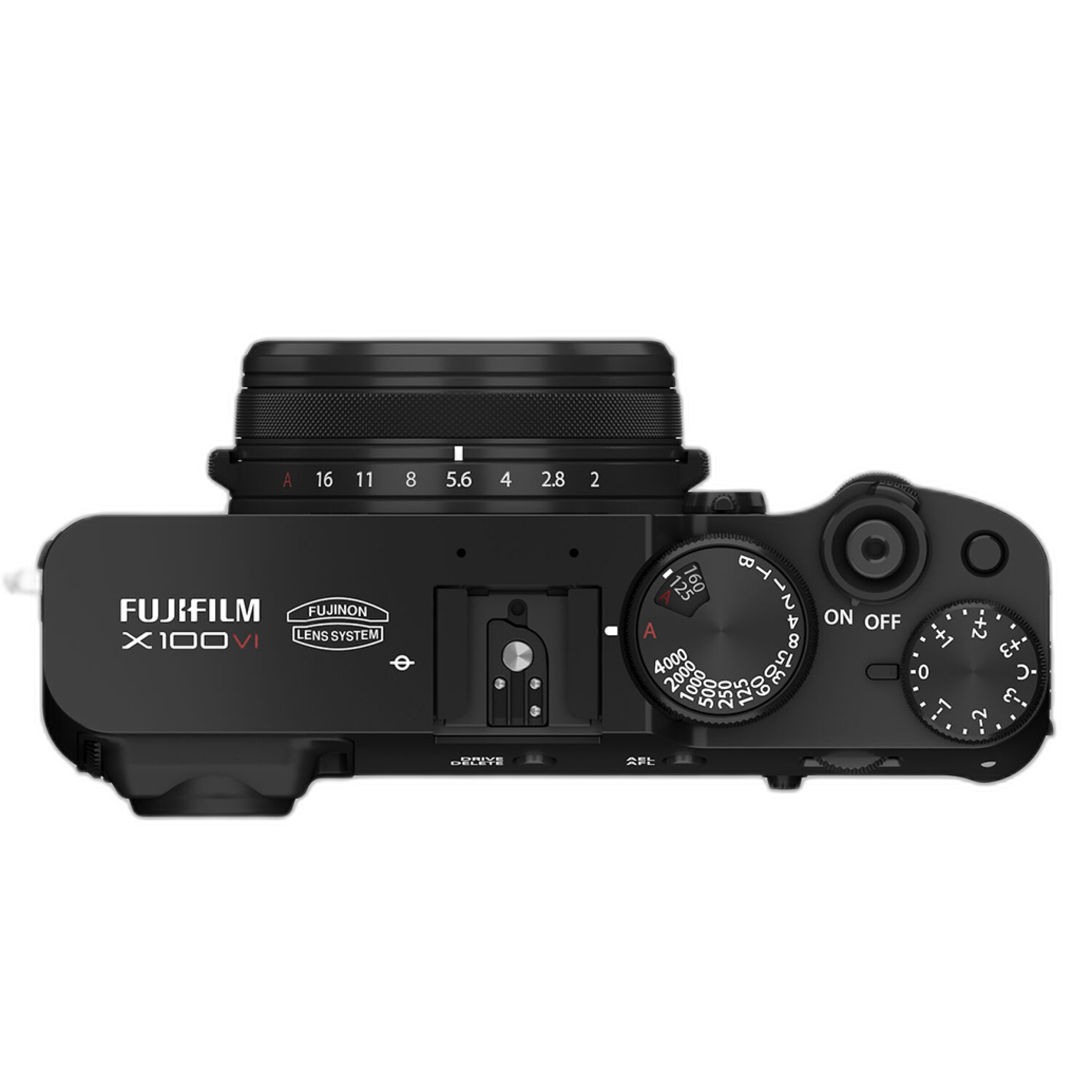
If you shoot with a fixed-lens camera like the Fujifilm X100VI Digital Camera (Black), this process can be particularly revealing because gear limitations often make compositional habits easier to spot. You may discover that your work needs more variation in distance, layering, or subject isolation rather than more equipment.
- Composition: balance, distractions, crop, edge control
- Light: direction, quality, highlights, shadow detail
- Moment: timing, gesture, expression, peak action
- Technical execution: focus, exposure, color, print/file quality
- Concept: originality, coherence, emotional intent
3. Look for patterns, not one-off opinions
Repeated comments deserve the most attention
One judge may love your minimalism while another finds it too sparse. That is normal. What matters most is repetition. If several reviewers mention weak backgrounds, inconsistent editing, or unclear subject emphasis, that is your roadmap.
Create a simple spreadsheet with columns for contest name, image title, feedback summary, and recurring themes. Over time, you will see where growth is needed. Even photographers working with historic tools like a used Leica Standard Rangefinder converted from Leica 1 with 50MM Elmar can benefit from this approach, because strong feedback trends often reveal stylistic habits that transcend camera generation.
4. Compare the feedback to your intent
Ask whether the image communicated what you meant
An image can be technically excellent and still miss its intended message. Before revising your work, write down what you wanted the photograph to say. Then compare that to what the judge actually saw. If your goal was intimacy but the feedback says the image feels observational, there is a communication gap worth studying.
- Did viewers identify the main subject quickly?
- Did mood and edit support the idea?
- Did the frame include elements that weakened your message?
This exercise helps you improve with any system, from a walkaround compact to a dedicated long-term personal project camera.
5. Build a revision plan from the comments
Use critique to shape your next shoot, not just your archive
The most productive response to contest feedback is a shooting assignment for yourself. If the critique says your images lack depth, spend a week shooting layered scenes. If judges mention inconsistent tonal treatment, edit a small set of files using one intentional visual approach.
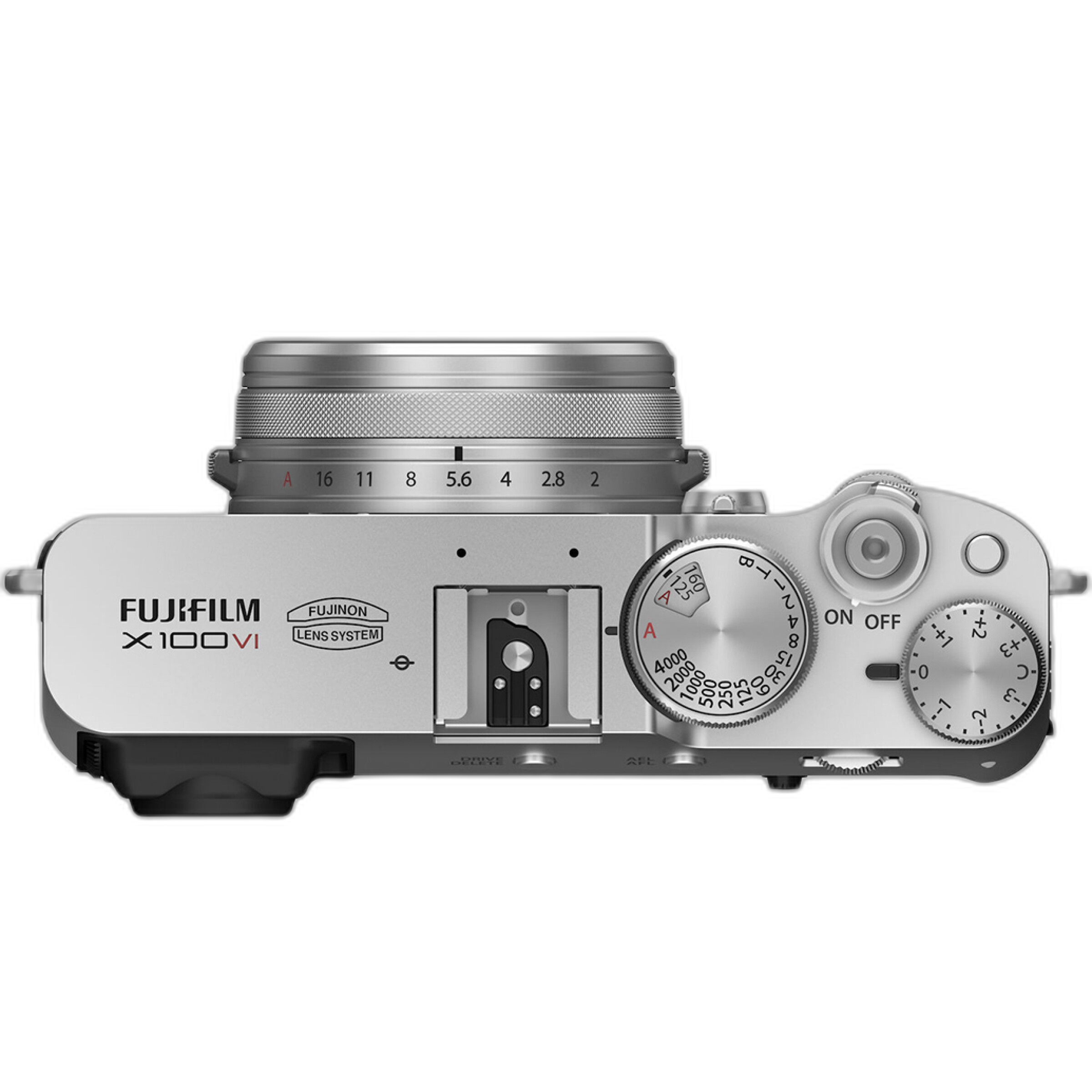
The Fujifilm X100VI is a great example of a camera that encourages repetition and refinement because it is compact enough to carry often. Frequent practice makes it easier to test one change at a time rather than overhauling everything at once.
- Choose one recurring weakness.
- Design a short project around it.
- Shoot intentionally for that one improvement.
- Review results and compare against past entries.
6. Use peer discussion to clarify what judges meant
Talk through confusing feedback with trusted collaborators
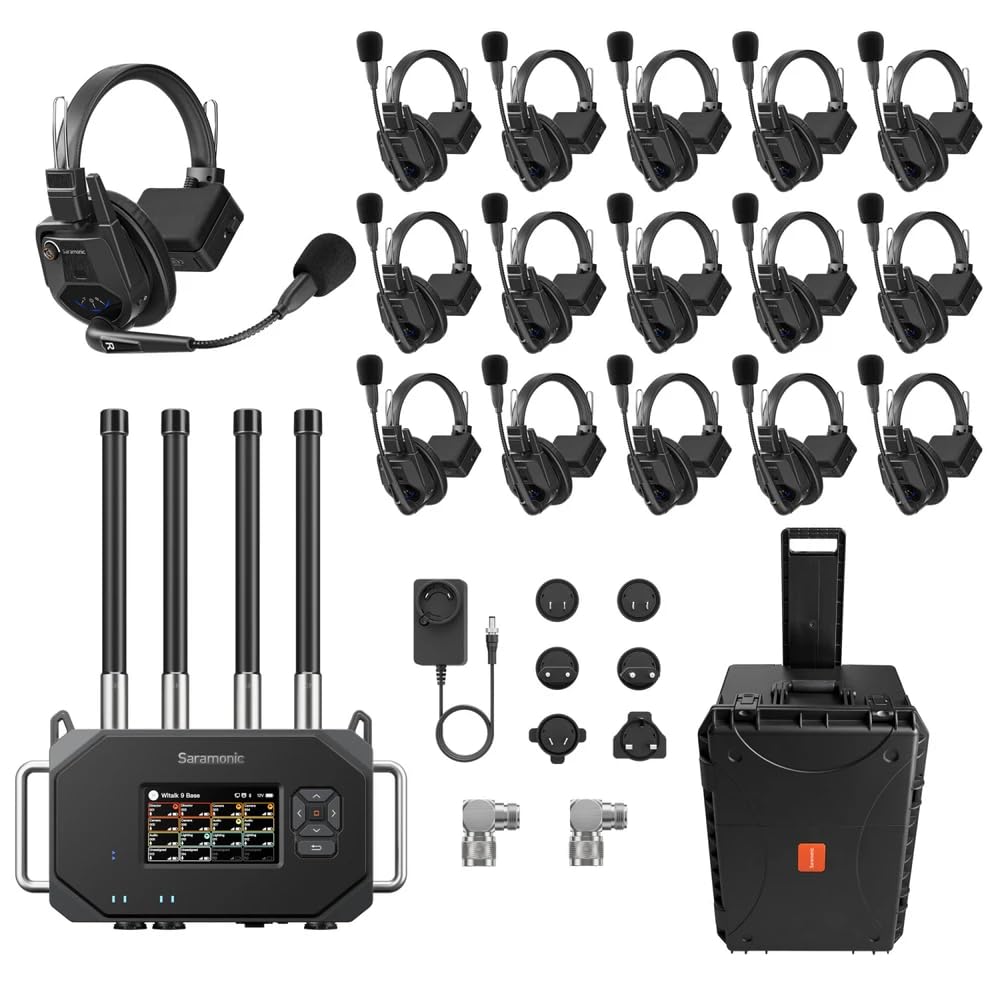
Sometimes a comment is too brief to be immediately useful. Sharing it with knowledgeable peers can help you decode it. In collaborative environments, clear communication matters, and tools built for team coordination—like the Saramonic WiTalk Base G16 intercom system—reflect how valuable real-time discussion can be during production and critique alike. Even if your contest entry is a still image, talking through feedback with others often reveals blind spots you would miss on your own.
- Ask peers what they think the judge was responding to.
- Request examples from your portfolio that succeed where the contested image did not.
- Avoid asking only for reassurance; ask for specificity.
7. Don’t confuse contest results with your overall progress
A rejection can still contain valuable direction
Contest outcomes are shaped by theme, judge preference, timing, and the broader entry pool. Not placing does not mean the work has no value. A single image may be wrong for one contest and perfect for another. Your job is to extract insight without letting rankings define your development.
If a comment pushes you toward better sequencing, stronger technical consistency, or a more personal perspective, it has already helped you move forward.
8. Revisit older work with new standards
Feedback becomes more useful when applied retroactively
After receiving critique, go back through your older edits and contact sheets. You may suddenly notice recurring cropping issues, overprocessing, or hesitant timing. This is one of the fastest ways to measure growth. The more intentionally you review your archive, the easier it becomes to identify which images still hold up and which ones were carried by novelty alone.
That kind of disciplined review is just as meaningful whether you shot on a contemporary digital camera or an older rangefinder with a distinct rendering style.
Conclusion
Contest feedback is most powerful when you treat it as a learning tool instead of a verdict. Pause, categorize, compare, and practice. Over time, the comments that once felt frustrating can become the clearest guide to stronger images and more confident submissions. If you are ready to keep refining your craft, explore cameras and creative tools at Unique Photo and keep making work worth entering again.