How to Get Tack‑Sharp Landscape Photos: Community Techniques, Gear, and Troubleshooting
From sunrise vistas to blue‑hour cityscapes, consistently sharp landscape images come from a blend of solid technique, smart settings, and the right accessories. We asked experienced landscape shooters in the Unique Photo community what actually makes the difference in the field. Here’s a practical playbook you can use on your next outing.
Quick checklist: How to get tack‑sharp landscape photos
- Lock the camera down: solid tripod, center column low, legs spread wide.
- Use base ISO, aperture in the f/7.1–f/11 range, and the shortest shutter that stops motion.
- Focus deliberately: single AF point on a mid‑distance subject or manual focus with magnification; consider hyperfocal distance.
- Stabilize your workflow: remote release or self‑timer, IBIS/VR off on a tripod, EFCS/electronic shutter or mirror lock‑up.
- Watch the wind: shield your setup; use your bag as a weight; time shots between gusts.
- Bracket focus and/or exposure; stack if needed.
Best camera settings for sharp landscape images
Start at base ISO for the cleanest detail. Pick an aperture that balances depth of field and diffraction—many lenses are sharpest around f/7.1 to f/11. Avoid stopping down to f/22 unless you need deep focus and plan to stack images. Choose a shutter speed fast enough to freeze environmental movement (foliage, water texture) or intentionally go long for silky water—but add stability accordingly.
- ISO: 64–100 (base) for maximum detail.
- Aperture: f/7.1–f/11 for general scenes; f/5.6–f/8 for distant vistas; f/11–f/16 when you need more depth (watch diffraction).
- Shutter: As fast as needed to stop movement, or multi‑second with tripod, remote, and wind control.
- Stabilization: Turn IBIS/VR off when on a tripod to prevent micro‑blur.
Focusing for landscapes: AF precision and manual control
Single‑point AF and back‑button focus help you place focus exactly where you want it. Many pros switch to manual focus, magnify live view, and fine‑tune until microcontrast pops. Accessory focus rings can make tiny adjustments more repeatable—especially with gloves or when a lens has a narrow throw.
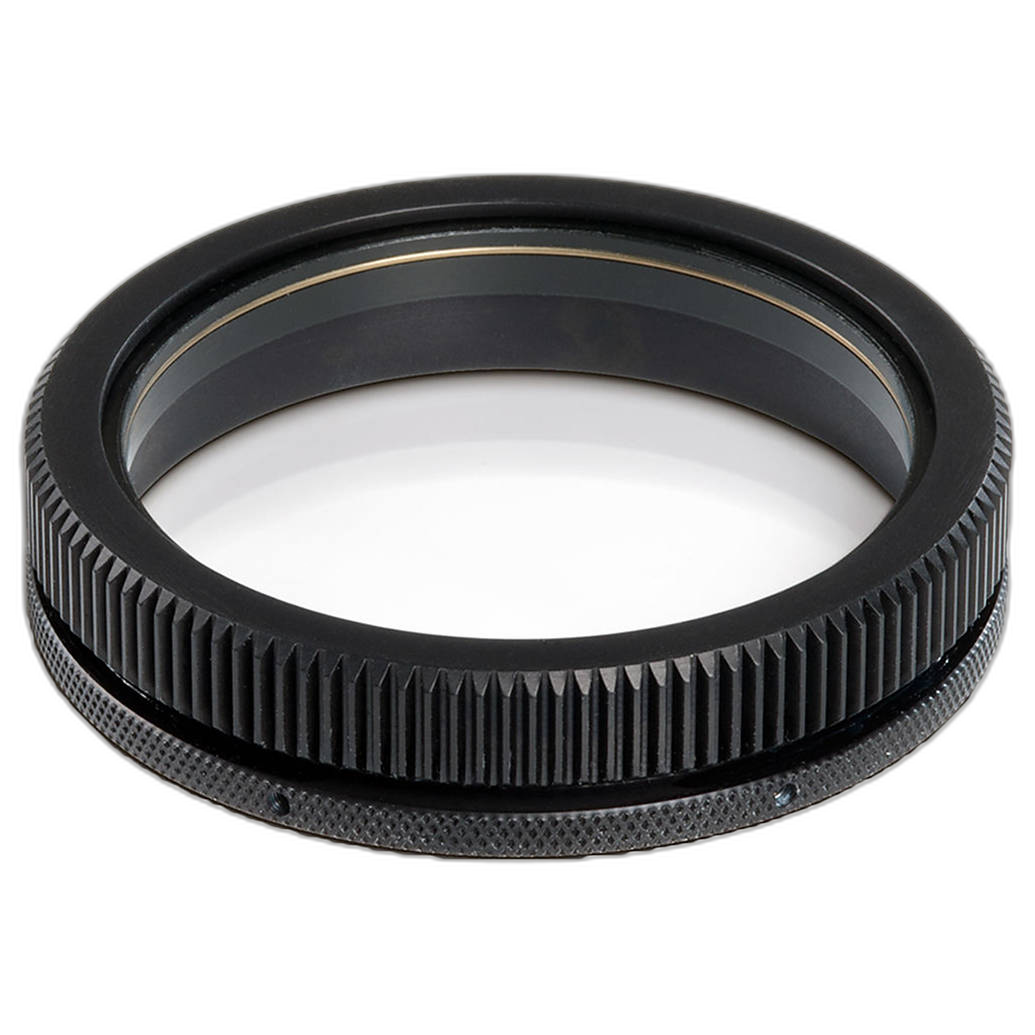
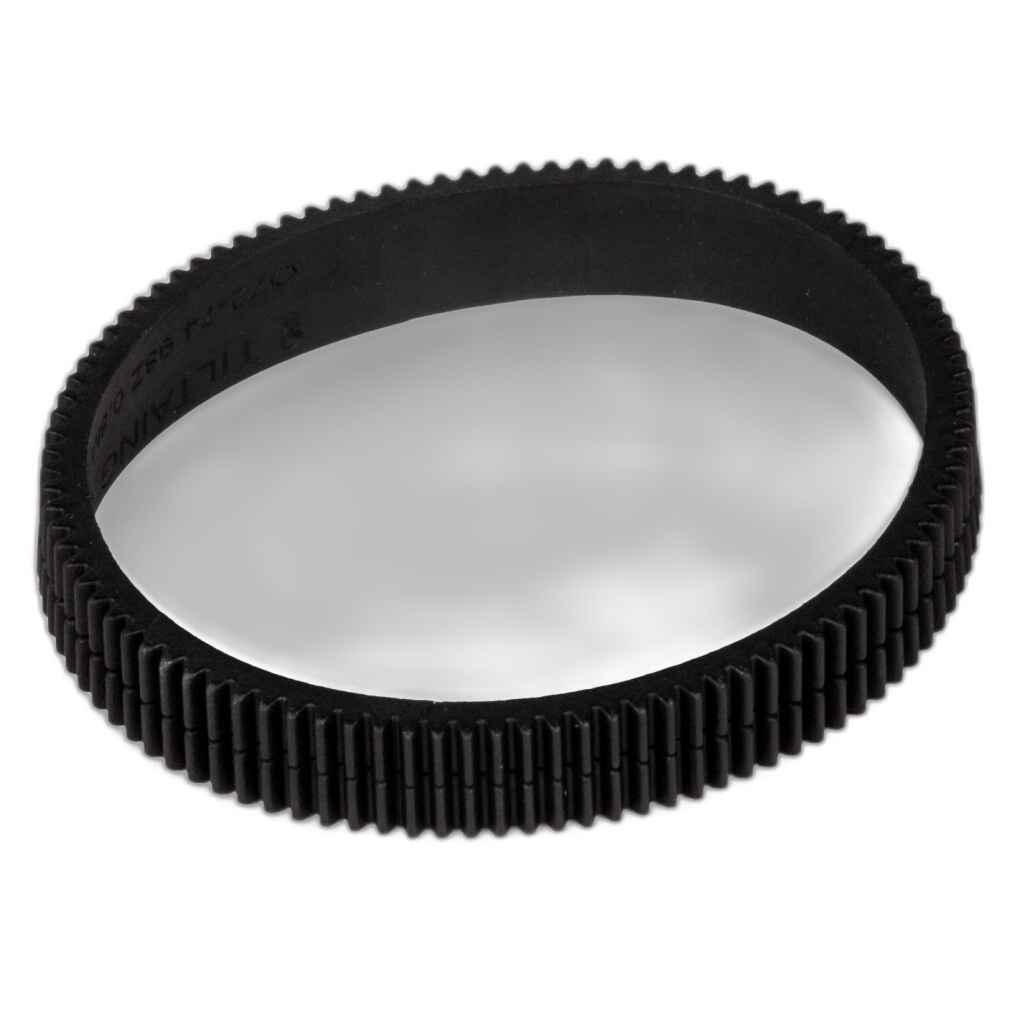
If you frequently manual‑focus for landscapes, consider a seamless or universal focus gear ring so your fingers can make small, controlled moves without bumping the camera. Unique Photo carries options from Zeiss and Tilta:
- Tilta Seamless Focus Gear Ring – 53 to 55mm (SKU: TIL3112) for a snug, slip‑free fit on many landscape primes and zooms.
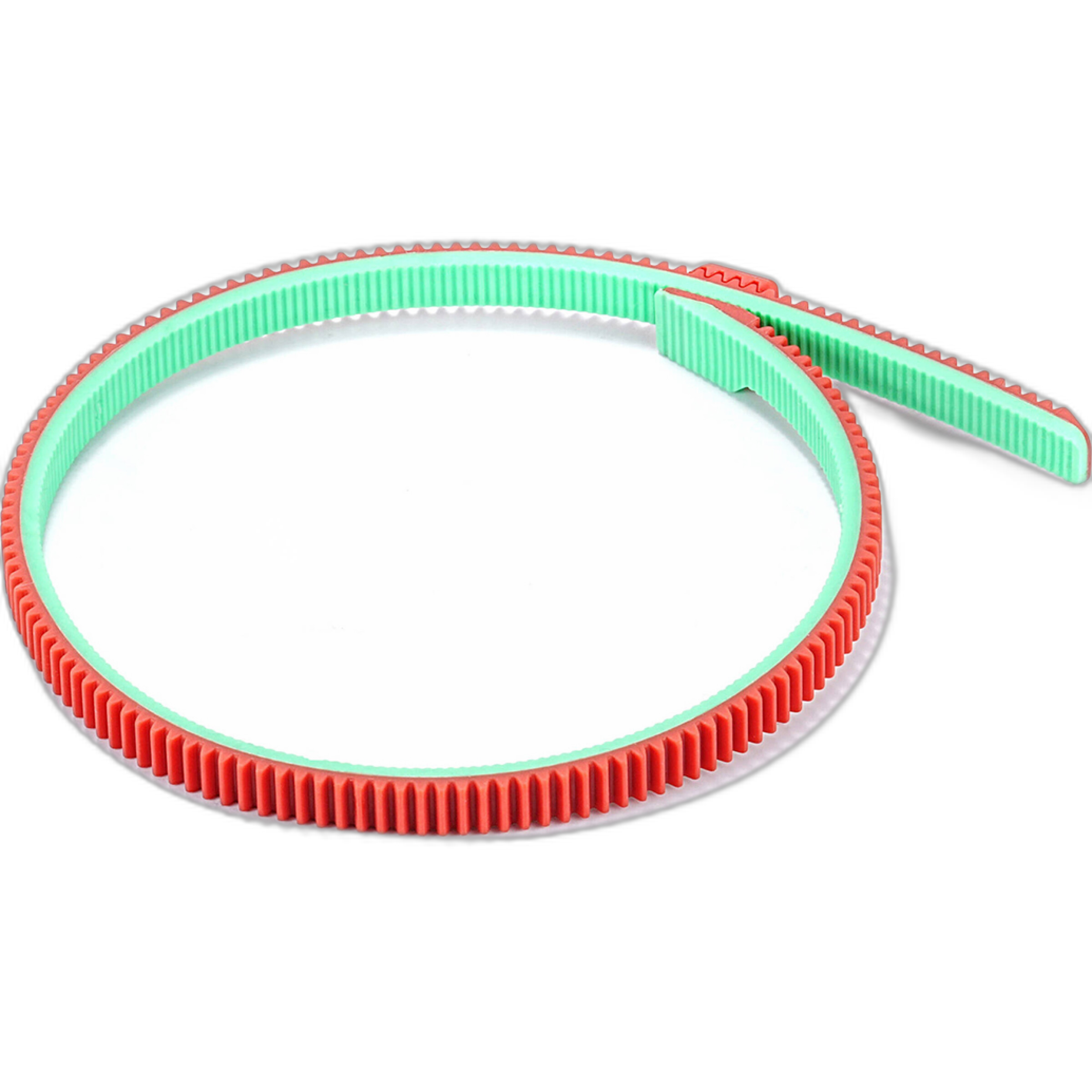
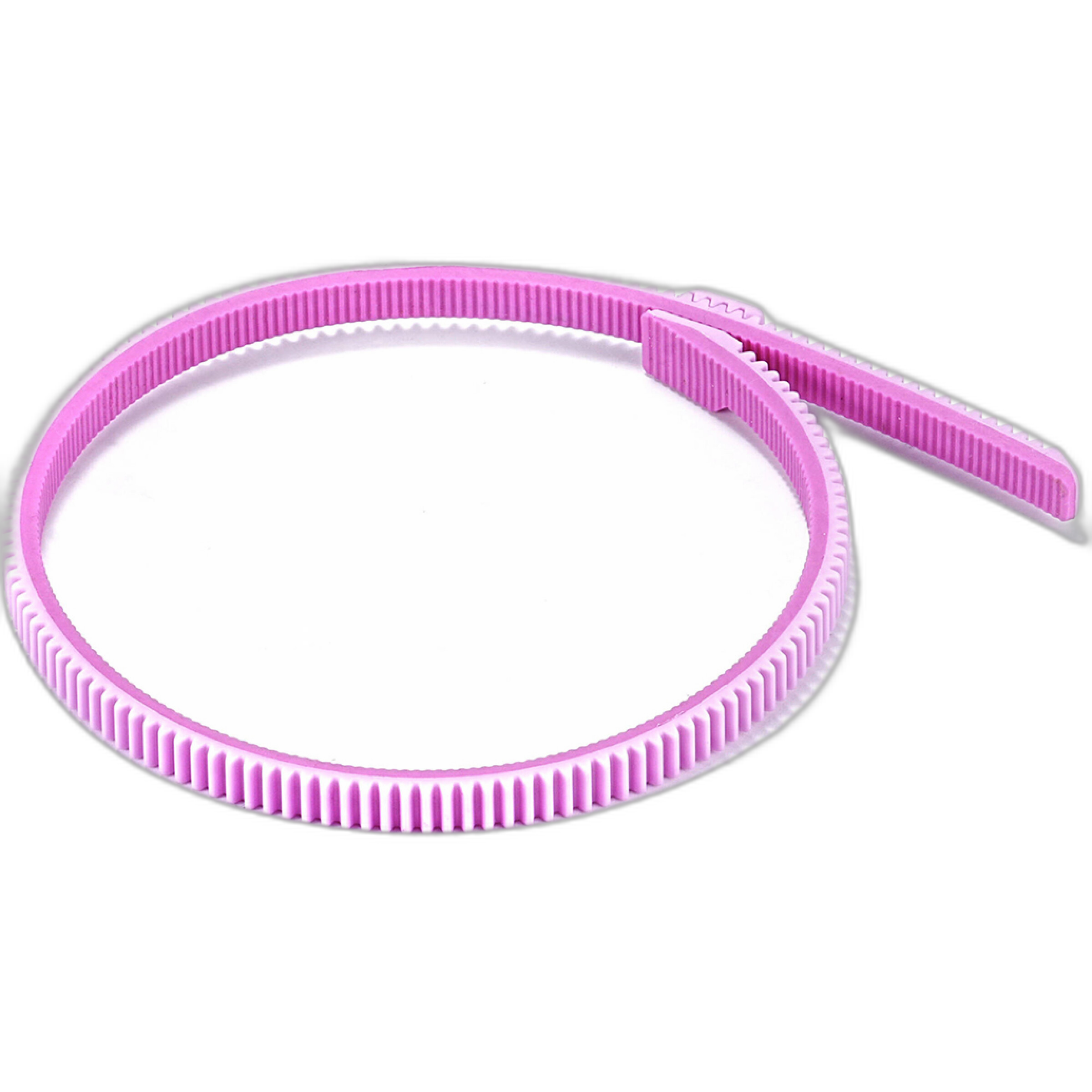
- Tilta Universal Focus Gear Rings in Red or Pink (SKUs: TIL1972, TIL1971) to add consistent grip across multiple lenses.
Hyperfocal distance made simple
Hyperfocal distance is the focus distance that yields acceptable sharpness from roughly half that distance to infinity at a given aperture. A fast field method: set your aperture (say f/8), frame the scene, then focus about one‑third into the composition or on a mid‑distance subject with good contrast. For critical edges‑to‑infinity sharpness, use a hyperfocal chart/app and manual focus with magnification to nail it.
Tripod, wind, and vibration control
- Tripod setup: extend thicker leg sections first; keep the center column down; hang your bag as a weight (not swinging).
- Remote triggering: use a wired release, Bluetooth remote, or 2–10s self‑timer. Enable EFCS/electronic shutter where available; on DSLRs, use mirror lock‑up.
- Wind tactics: stand windward of the tripod, use your body as a shield, shoot between gusts, and keep straps from flapping.
When to focus stack for landscapes
Whenever a foreground element is close and infinity detail matters, focus stacking beats extreme apertures. Capture 3–7 frames from front to back (foreground, mid‑ground, infinity) at a sharp aperture like f/8, then blend in post. A tactile focus ring helps you make tiny, repeatable pulls between shots.
Troubleshooting soft landscape photos
- Missed focus: Use magnified live view; switch to manual and fine‑tune with a focus gear ring; confirm focus breathing isn’t shifting your framing.
- Camera or subject movement: Increase shutter speed; use a sturdier tripod; time shots between wind gusts; capture multiple frames and median‑stack foliage.
- Diffraction: If you’re at f/16–f/22 and detail looks mushy, open to f/8–f/11 and stack focus.
- Stabilization confusion: Turn off IBIS/VR on a tripod to avoid feedback blur.
- Atmospherics: Heat shimmer and haze soften distant subjects; shoot earlier/later, use a longer focal length, and capture during stable air.
- Filter issues: Dirty or low‑quality filters reduce microcontrast; clean regularly and use high‑end glass.
- Lens sample or decentering: Test at multiple apertures and focal lengths; if edges are smeared on one side only, have the lens checked.
Sharpness for aerial landscapes
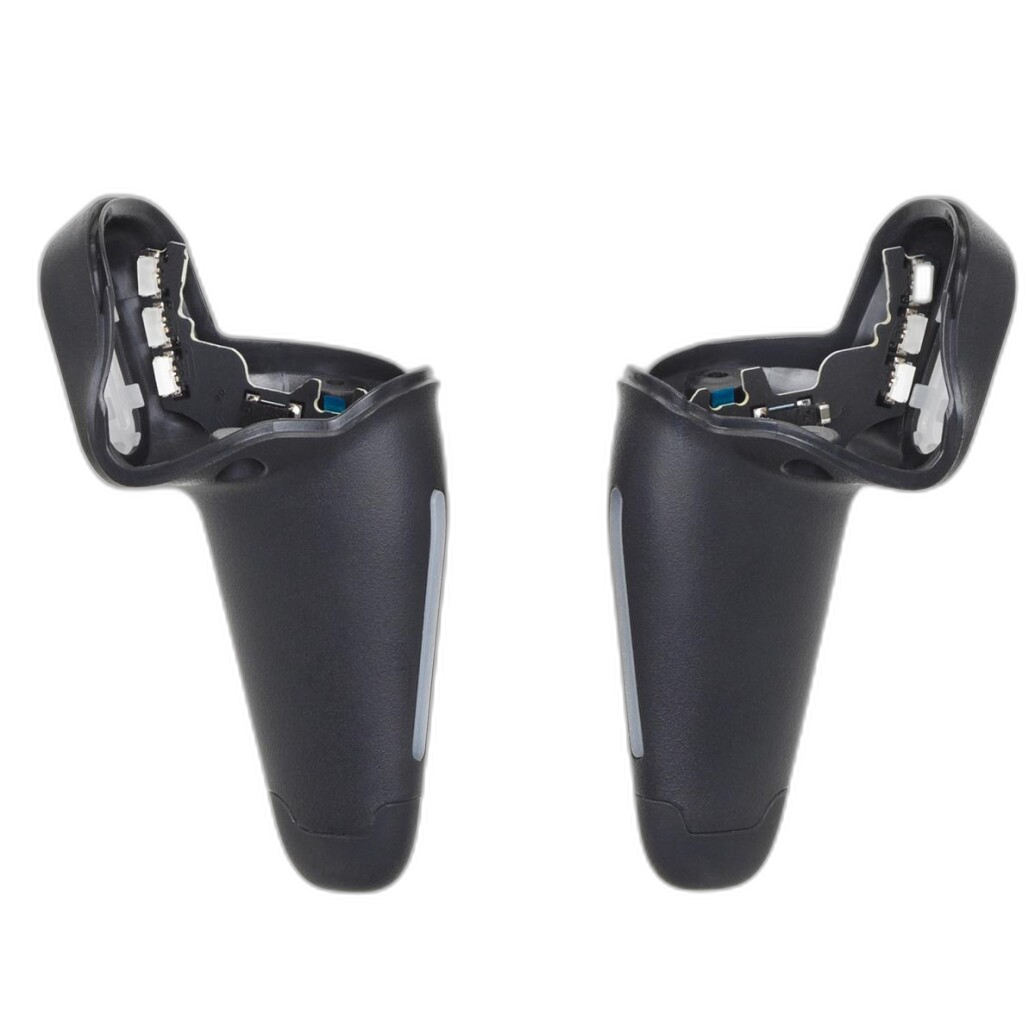
If you also shoot aerial landscapes, stability before takeoff and after landing protects calibration and keeps gimbals happy for sharp frames.
Post‑processing that preserves detail
- Raw capture: Gives you the most latitude to sharpen without artifacts.
- Lens profile corrections: Fix field curvature and edge softness; apply before sharpening.
- Two‑stage sharpening: Apply capture sharpening lightly, then final output sharpening sized for web or print.
- Local contrast: Use clarity/texture or microcontrast selectively on rocks, trees, and buildings; avoid sharpening smooth skies.
Recommended gear for sharper landscape photos
Beyond the obvious tripod and remote release, tactile focus control can be the missing link for critical sharpness—especially at dawn, with gloves, or when bracketing focus.
- Zeiss Lens Gear – Large (ZSA2174301): durable metal ring for repeatable manual focus on many lenses.
- Tilta Seamless Focus Gear Ring – 53 to 55mm (TIL3112): snug, slip‑free fit for fine focus pulls.
- Tilta Universal Focus Gear Ring – Red/Pink (TIL1972/TIL1971): universal solution across lens barrels.
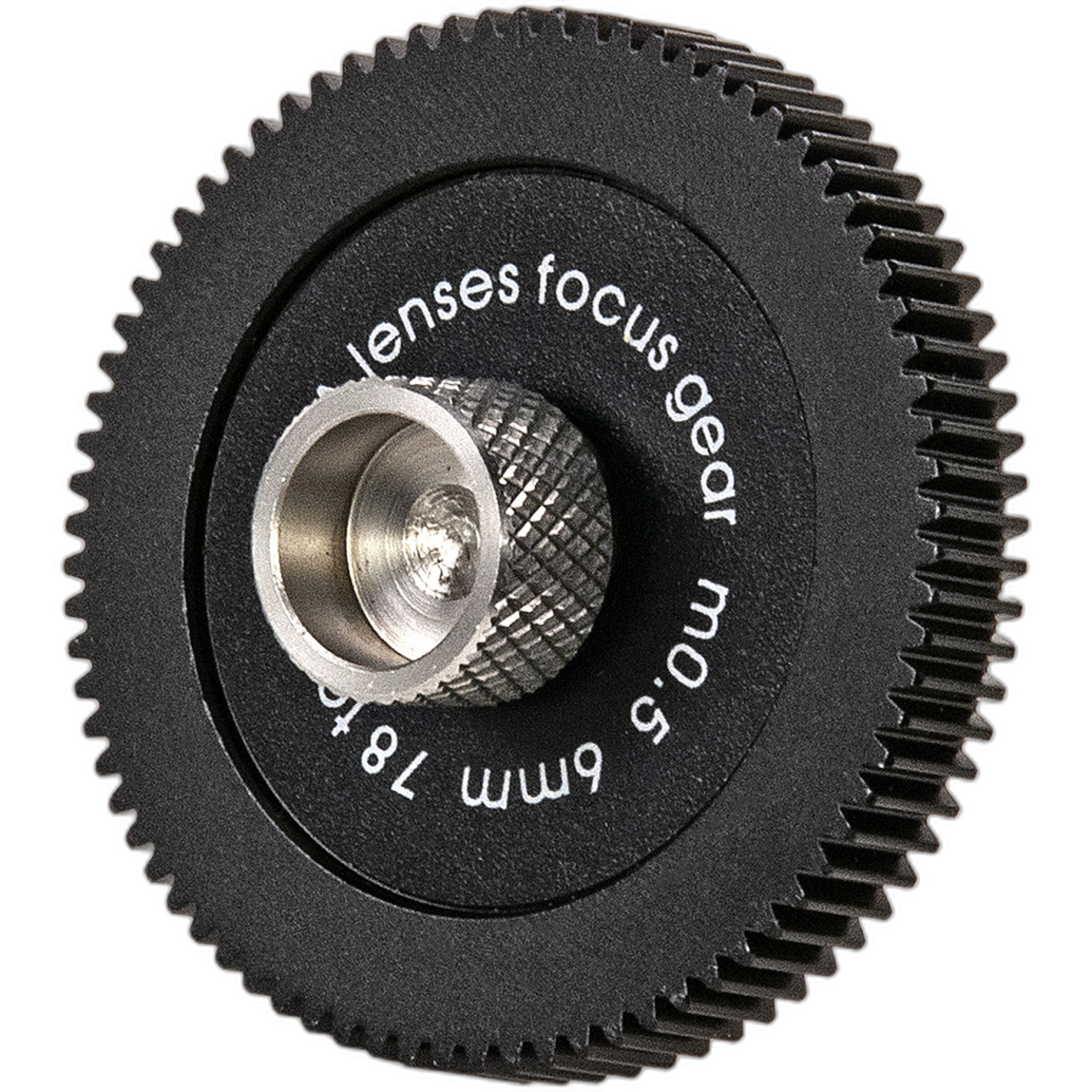
- Tilta Follow Focus Lens Drive Gear – 78‑Tooth (TIL3027): pairs with follow focus systems for precise steps during focus stacking.
- Tilta 0.7 MOD Gear for Nucleus‑M FIZ Motor (TIL2050): for hybrid shooters who want motorized, repeatable focus control.
Sharpen your skills with Unique Photo
Technique is the biggest driver of sharp results. Workshops—even those outside pure landscape—can sharpen your focusing discipline, stacking workflow, and attention to detail. Unique Photo regularly hosts classes and events that translate directly to landscape precision.

Conclusion: Your next steps to consistently sharp landscapes
Combine rock‑solid stability, deliberate focus, and diffraction‑aware apertures, then augment with tactile focus accessories where needed. Unique Photo stocks the precision gear listed above and offers knowledge‑packed events to help you master it in the field.
Internal linking suggestions:
- Link to Unique Photo Lens Accessories (Zeiss, Tilta) for focus gear rings and follow focus components.
- Link to Tripods & Supports for stability upgrades.
- Link to Remote Shutter Releases and Camera Controls for vibration‑free triggering.
- Link to Filters (ND, polarizers) for motion control and clarity.
- Link to Workshops & Events to build hands‑on focusing and stacking skills.
- Link to DJI FPV/Avata Series Accessories for aerial landscape stability.