Winning a photo contest takes more than technical skill. Judges often look for images that combine strong composition, a fresh point of view, emotional impact, and polished editing. Whether you're entering local competitions, online contests, or professional juried exhibitions, learning how photographers create contest-winning photos can help you build a stronger portfolio and submit images with confidence.
At Unique Photo, photographers regularly explore workshops, image critiques, editing classes, and creative education to refine the exact skills that help contest entries stand out. Below, we break down practical tips on composition, originality, storytelling, and editing so you can make your next submission more memorable.
What judges look for in contest-winning photos
If you want to create photos that impress judges, it helps to think like a judge first. Most contests evaluate images on a combination of technical quality, creativity, relevance to the theme, composition, lighting, and emotional impact. A sharp image alone is rarely enough. Judges review many technically solid photos, so the entries that rise to the top usually communicate something distinctive.
Before entering any contest, read the rules carefully and study the judging criteria. Ask yourself:
- Does the image clearly fit the contest theme?
- Is the subject immediately engaging?
- Does the composition guide the viewer effectively?
- Is the photo original rather than predictable?
- Has the editing improved the image without looking overdone?
The strongest contest images usually feel intentional from capture to final presentation.
How to use composition to create stronger contest photos
Composition is one of the fastest ways to elevate your entries. Even an ordinary subject can become compelling when arranged thoughtfully in the frame. Contest-winning composition often balances clarity with creativity.
Some of the most effective composition techniques include:
- Rule of thirds: Place your subject off-center to create a more dynamic image.
- Leading lines: Use roads, fences, architecture, shadows, or natural lines to guide the eye.
- Framing: Incorporate windows, doorways, branches, or foreground elements to add depth.
- Negative space: Give your subject room to breathe and create stronger visual emphasis.
- Layering: Build foreground, middle ground, and background interest for dimension.
- Symmetry and balance: Use centered compositions when the subject benefits from order and structure.
One common mistake is trying to include too much. Contest judges often respond better to images with a clear subject and a strong visual path. Simplify the frame. Remove distractions in-camera whenever possible by changing your angle, lens choice, or shooting position.
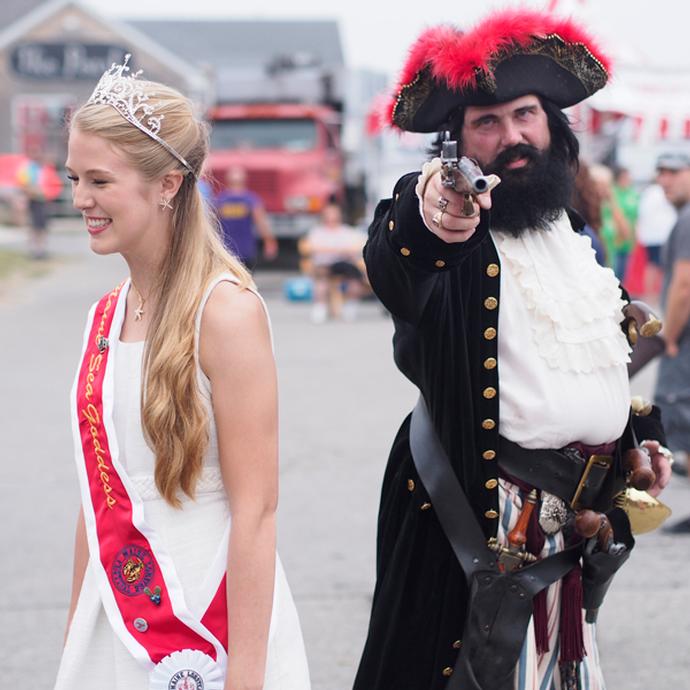
If you enjoy photographing events, travel, or lively public spaces, studying how scenes come together can improve your timing and composition. Unique Photo educational programs like Seminar: How to Capture Great Festival and Event Photos with David Wells can help photographers develop stronger instincts for framing fast-moving moments.

Why originality matters in photography contests
Originality is often what separates finalists from everyone else. Judges see countless sunsets, portraits, landscapes, and street scenes. To stand out, your photo needs a perspective that feels personal.
Originality does not always mean photographing something rare. It can mean showing a familiar subject in an unexpected way. Consider:
- Shooting from a lower or higher angle
- Using unusual light, weather, or timing
- Capturing a genuine human moment instead of a posed one
- Focusing on details others might overlook
- Building a visual concept that supports the contest theme
When photographers discuss winning images, they often mention that the best entries feel authentic rather than copied from trends. Study great work for inspiration, but do not imitate it too closely. Ask what you care about, what you notice that others miss, and what visual style consistently appears in your strongest work.
How to tell a story in a contest-winning photo
Storytelling is a powerful advantage in competitions. A compelling photo invites the viewer to ask questions, feel emotion, or imagine what happened before and after the moment was captured. Judges remember images that create connection.
To strengthen storytelling in your photography:
- Look for emotion in expressions, gestures, and body language
- Include contextual details that support the subject
- Wait for the decisive moment instead of shooting too early
- Use light and shadow to reinforce mood
- Think about what the image communicates in one glance
Storytelling is especially important in portrait, documentary, travel, and event photography, but it also matters in nature, landscape, and fine art images. A quiet scene can still tell a story through atmosphere, contrast, and composition.
Lighting tips that help photos impress judges
Lighting can make or break a contest entry. Good light shapes the subject, controls mood, and emphasizes texture. Great contest photos often use light intentionally instead of simply accepting whatever is available.
Try these approaches:
- Golden hour light: Soft, directional light often adds warmth and dimension.
- Backlighting: Can create drama, glow, silhouettes, and separation.
- Side lighting: Reveals texture and depth.
- Overcast conditions: Useful for portraits, macro, and even tonal scenes.
- Artificial light: Flash, LEDs, or practical lighting can help you shape a scene creatively.
If the light is flat or cluttered, your image may not stand out even if the subject is strong. Many award-worthy images succeed because the photographer recognized the right light and waited for it.
How much editing is right for a photo contest?
Editing is an essential part of modern photography, but contest-winning editing is usually controlled and purposeful. Overprocessed photos can lose credibility with judges, especially when saturation, sharpening, skin retouching, or HDR effects become distracting.
A strong editing workflow should improve the image while preserving its believability and impact. Focus on:
- Accurate exposure and contrast
- Natural-looking color correction
- Selective dodging and burning to guide attention
- Thoughtful cropping for stronger composition
- Noise reduction and sharpening that fit the subject
- Retouching that supports rather than dominates the image
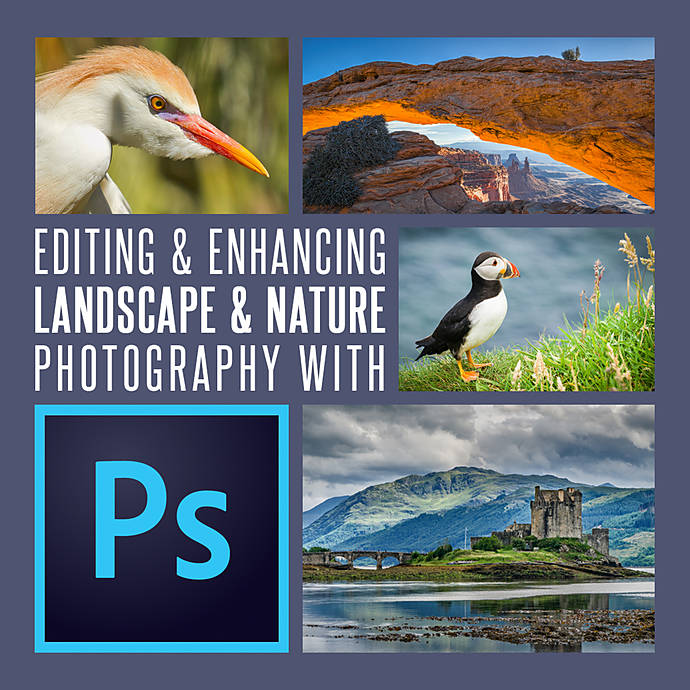
For landscape, nature, and fine-art photographers, editing skill can be a major differentiator. Unique Photo classes such as Editing and Enhancing Landscape and Nature Photography with Photoshop and UUOnline: Photoshop Mentoring are relevant resources for photographers who want more refined post-production techniques.

Always check the contest rules before editing. Some competitions allow heavy compositing, while others prohibit object removal, sky replacement, or major manipulation. Disqualification over editing violations is avoidable if you understand the guidelines.
How to choose your best photo for a contest entry
Many photographers lose competitions before judging even begins by submitting the wrong image. Choosing your strongest photo requires objectivity. The image you feel most attached to may not be the one that resonates most with judges.
To select better entries:
- Step away from your photos for a day or two before reviewing them
- Compare similar frames and choose the one with the strongest moment
- View the image small and large to test impact and detail
- Ask trusted photographers for feedback
- Consider whether the image fits the contest category exactly
It can also help to maintain printed archives or physical selects when reviewing your work over time. Albums and print collections can reveal patterns in your strongest images and help you curate with more discipline.

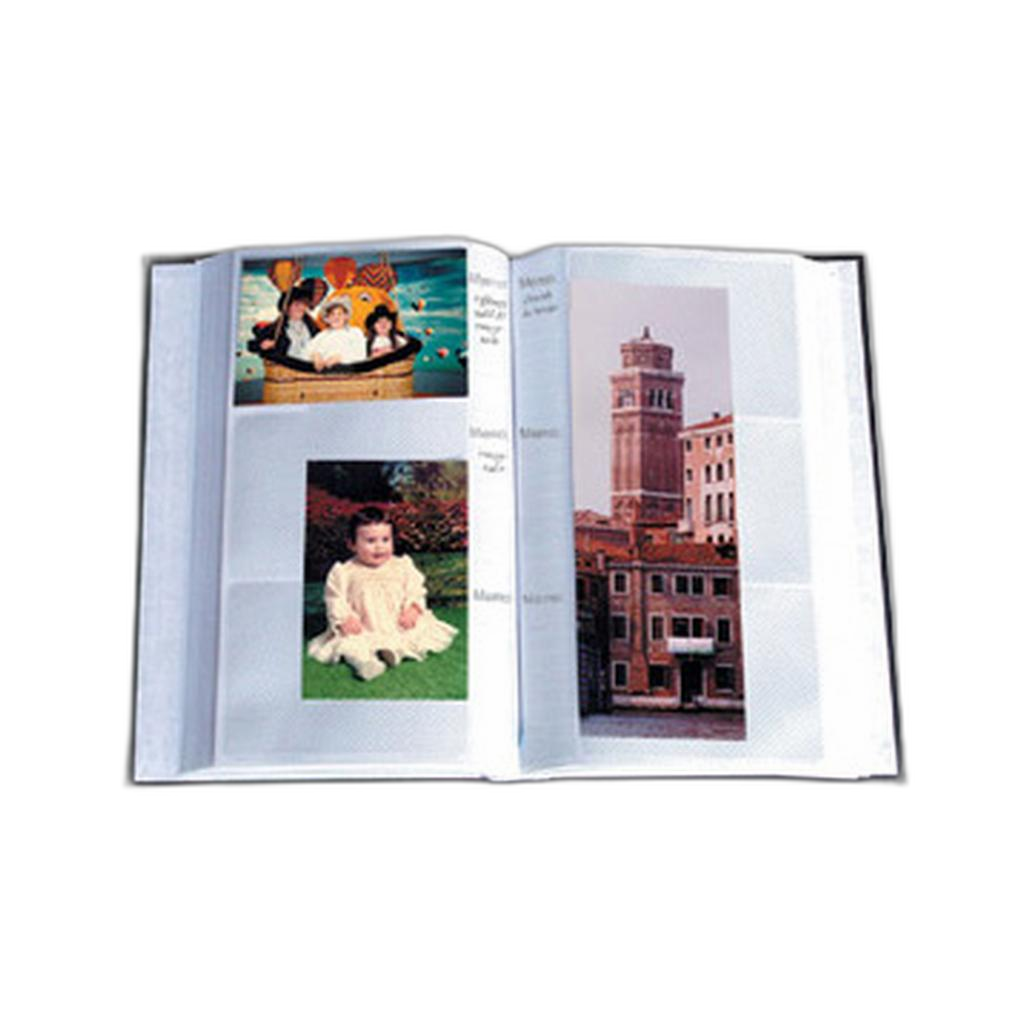
Products like the Pioneer 4 x 6 In. Bi-Directional Memo Photo Album, Pioneer Album Refill Pages for BP-200 Album, and the Pioneer 4 x 6 In. Embossed Leather Frame Photo Album can be practical for photographers who like to review physical prints, compare sequences, and build a competition-ready portfolio archive.
Common mistakes that keep good photos from winning
Even talented photographers can miss out because of avoidable issues. Some of the most common contest mistakes include:
- Submitting images that do not clearly fit the theme
- Overediting with unrealistic color or contrast
- Weak cropping or distracting background elements
- Lack of a clear focal point
- Entering too many similar images
- Ignoring technical details like dust spots, halos, or poor sharpening
- Using clichés without a fresh interpretation
Paying attention to these details can improve your success rate immediately. The goal is not just to make a good photo, but to make an image that remains memorable after judges have viewed dozens or hundreds of entries.
How to build a contest-winning photography portfolio over time
Winning consistently usually comes from long-term growth, not one lucky image. Photographers who perform well in contests often review their work critically, seek education, enter regularly, and learn from feedback.
One useful strategy is to study winning images and note patterns without copying them. You may notice that many successful photos share:
- A simple, readable composition
- Strong use of light
- Distinct emotional tone
- Excellent timing
- Thoughtful editing restraint
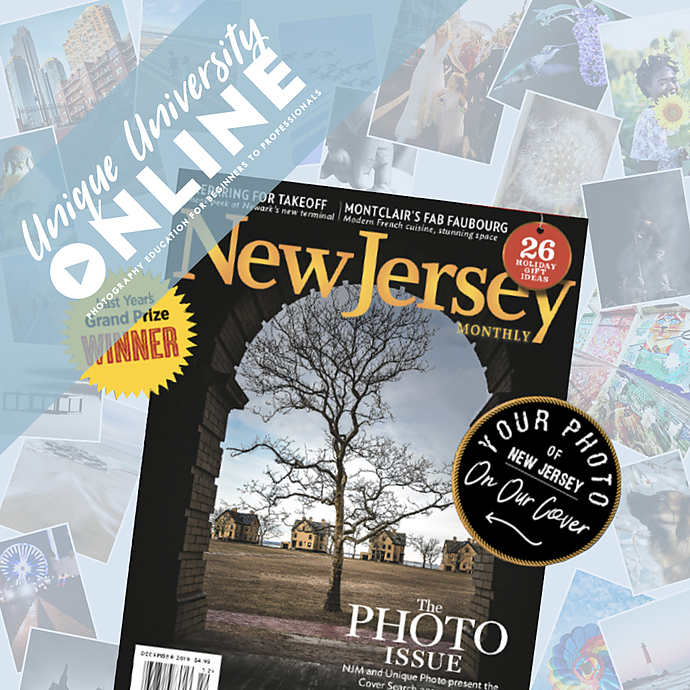
Unique Photo offers learning opportunities that can help photographers sharpen both shooting and editing skills. Programs featuring contest reveals, critiques, or specialized photographic education can be especially valuable for understanding how standout images are made.
Final tips for creating photos that judges remember
If you want to create contest-winning photos, focus on three essentials: composition, originality, and editing discipline. Build clear compositions that direct the eye. Search for original viewpoints that reflect your voice. Edit carefully to enhance impact without overwhelming the image. Most importantly, submit photos that say something.
At Unique Photo, photographers can continue developing these skills through classes, seminars, online education, and gear resources designed to support every stage of the creative process. As you prepare your next contest entry, review your images with intention and ask whether the final photo feels both technically strong and personally meaningful.
For further reading and internal linking opportunities on Unique Photo, consider linking this article to pages about photography classes, Photoshop workshops, photo contests, photo printing, and portfolio presentation tools. You could also direct readers to related Unique University seminars and online learning options for event photography, editing education, and critique-based sessions.