Why lens choice matters in documentary features
Documentary features demand versatility: you’re chasing vérité moments one minute and composing controlled interviews the next. The right lenses help you move fast, keep continuity across scenes, and tell the story with intentionality—without missing a beat. Here’s a practical, field-tested approach to choosing lens setups that deliver in real-world documentary conditions.
Field‑proven tips for building your doc lens kit
1. Anchor your kit with a two‑zoom workhorse range
For most doc features, a fast wide‑to‑normal and a mid‑tele zoom cover 80–90% of shots with minimal lens swaps. A matched cine pair keeps handling consistent and saves time on rig changes.
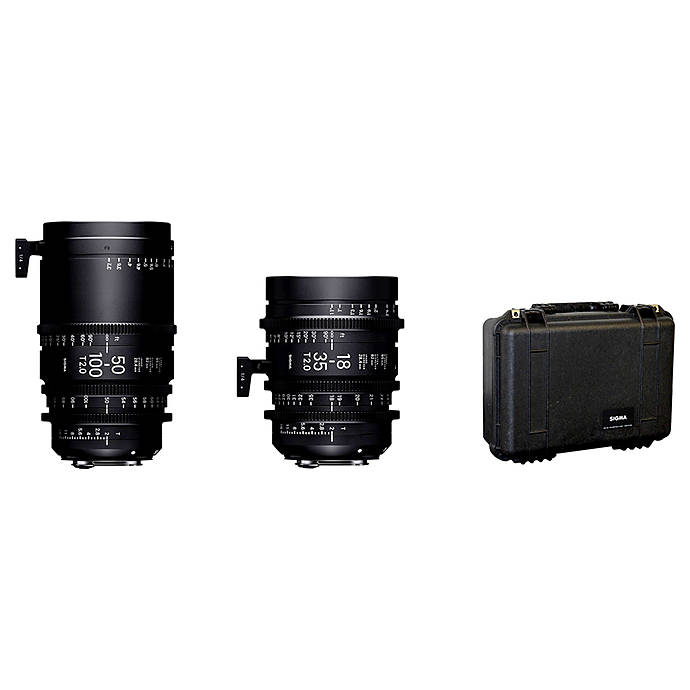
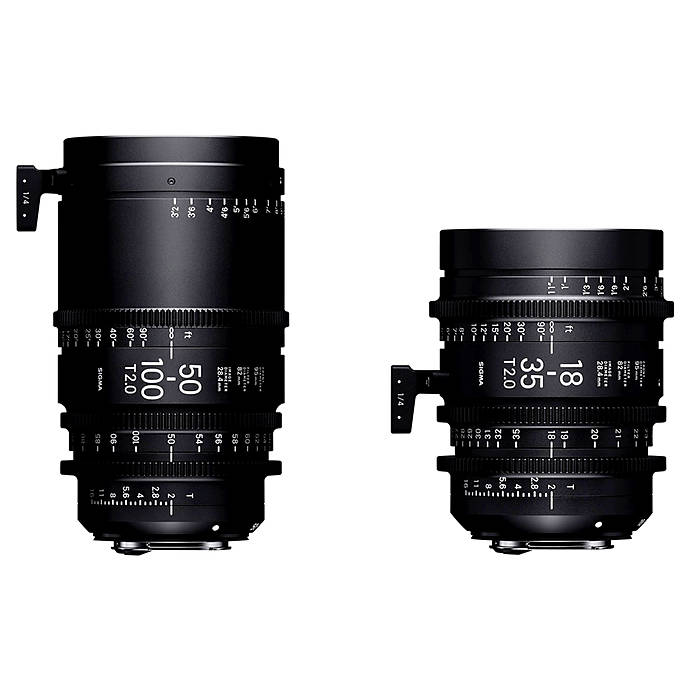
The Sigma 18–35mm T2 and 50–100mm T2 cine zooms make a robust A‑camera core: both share T2 speed, geared rings, and consistent color, ideal for interviews, b‑roll, and run‑and‑gun sequences.
Why it works in docs:
- Range: 18–100mm covers establishing shots through tight portraits.
- Speed: T2 keeps ISO reasonable in dim verité interiors.
- Consistency: Matching mechanics aid fast, confident operation.
2. Prioritize real‑world speed (T‑stop) for low light
Documentary schedules rarely allow for relighting. Lenses that truly transmit more light (measured in T‑stops) help maintain cleaner images at night or in practical‑only interiors. A T2 zoom gives you near‑prime speed while retaining flexibility.
Tip: Evaluate lenses at your typical working ISOs. If you’re often above ISO 3200 to maintain exposure, faster glass will likely yield more cinematic results than leaning solely on sensor performance.
3. Plan your mount strategy early—adapt smartly
Many documentary shooters mix camera bodies across projects. Choosing lenses in a universal mount and adapting to your body increases longevity and rental compatibility. EF‑mount cine lenses adapted to Sony E are a common, reliable route.
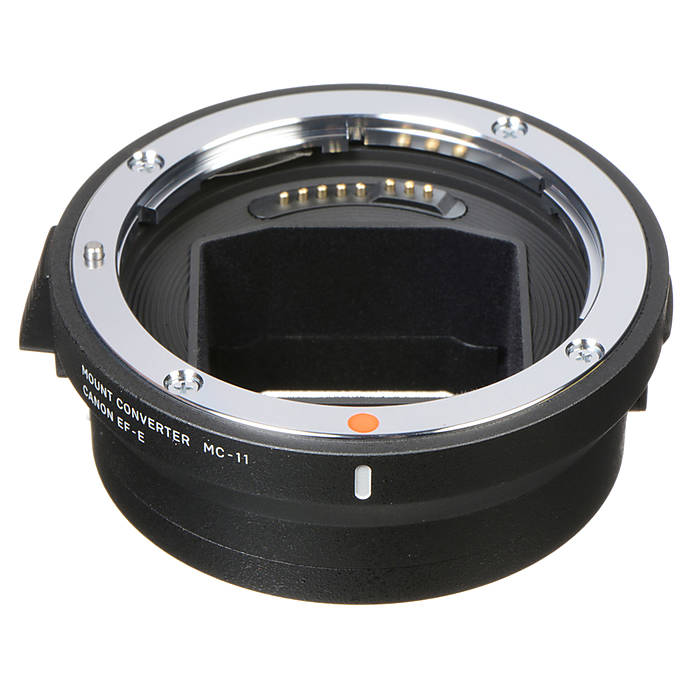
The Used Sigma MC‑11 Mount Adapter (Canon EF to Sony E) is a proven solution when you want EF cine glass on a Sony documentary body, making your lens investment more flexible over time.
Checklist:
- Confirm full‑frame vs. Super35 coverage for your camera.
- Test stabilization and metadata pass‑through if needed.
- Check clearance and rigidity on your rig or cage.
4. Control flare and veiling for consistent contrast
Outdoor verité and window‑lit interiors can introduce uncontrolled flare and lowered contrast. A well‑matched hood keeps blacks deep and colors consistent across scenes—especially helpful for interviews and day‑exterior walk‑and‑talks.
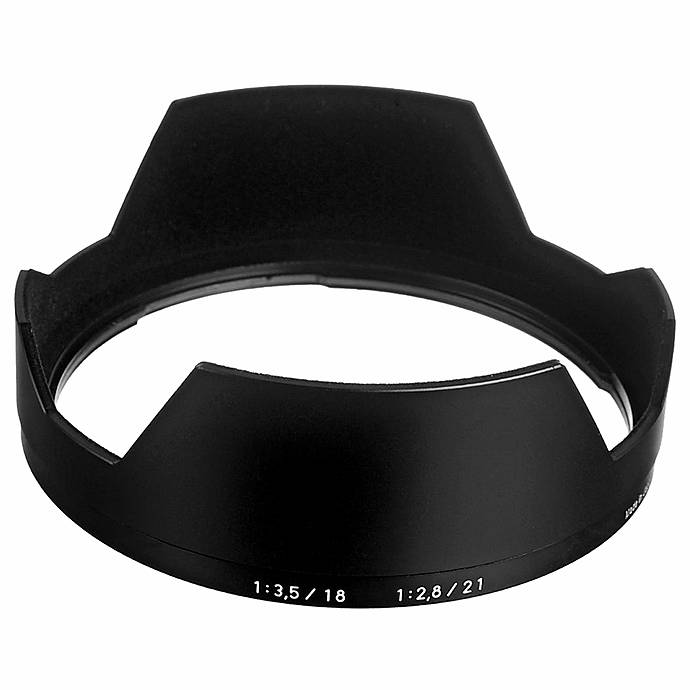
If you run classic Zeiss wide primes (e.g., 18mm f/3.5 or 21mm f/2.8) in your kit, the Zeiss Lens Shade for 18mm f/3.5 and 21mm f/2.8 provides tailored flare control without vignetting.
Tip: Combine a hood with a top flag or small matte box for bright, uncontrolled environments.
5. Test focus behavior: breathing, throw, and repeatability
Focus transitions should feel natural and repeatable, especially in vérité scenes where subjects move unpredictably. Evaluate:
- Breathing: Less image size shift looks more polished.
- Focus throw: Longer throws aid precision for interviews; shorter throws can be faster for run‑and‑gun.
- Gearing & markings: Consistent, calibrated marks help when pulling focus off a monitor.
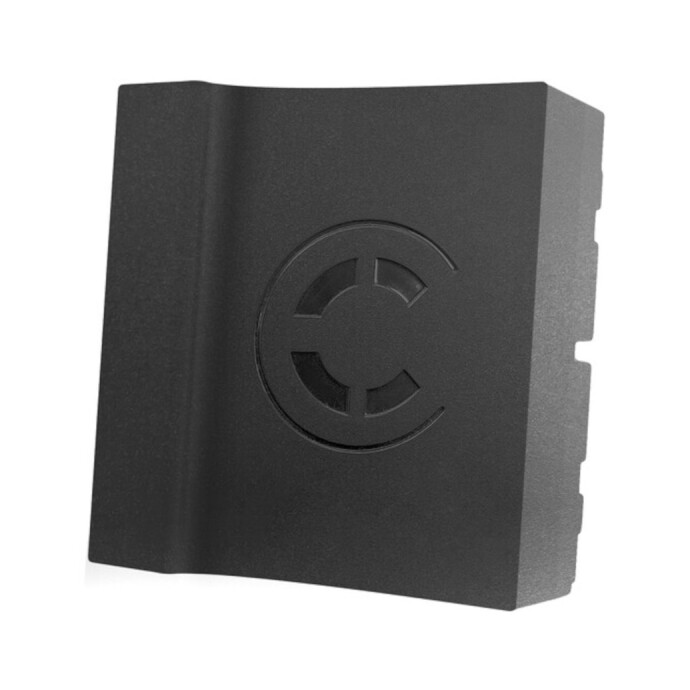
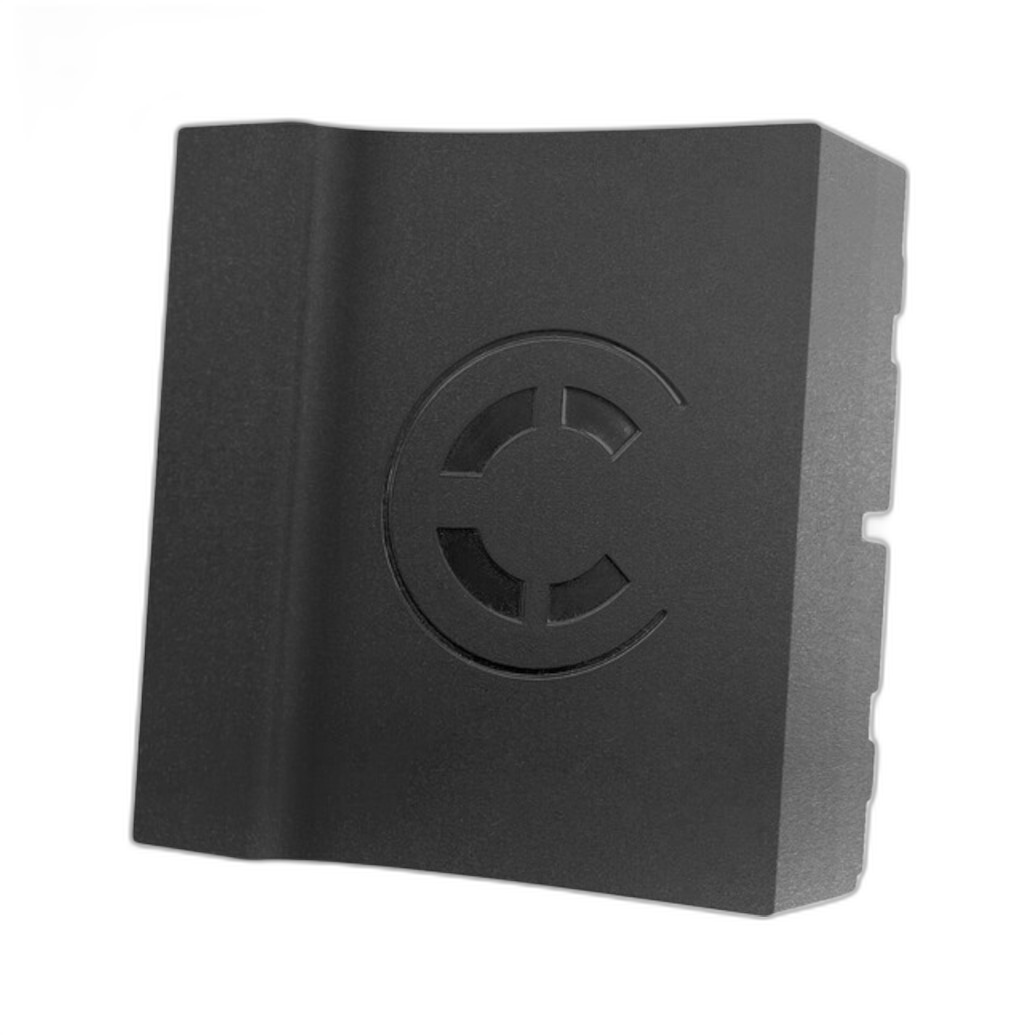
Powering a bright 7‑inch monitor helps you judge critical focus and breathing during tests. A compact battery solution like the Core SWX Dual NPF Style Battery Pack for Atomos 7 keeps your monitor alive for long takes and travel days.
6. Balance ergonomics for long days
Doc days are long. Consider lens weight and center of gravity with your cage/handles/gimbal. Cine zooms like the Sigma 18–35/50–100 are robust, so pair them with rails and a compact support when handheld. If you must stay ultra‑light, a fast prime for walk‑up moments paired with the zooms for planned scenes is a practical compromise.
7. Complement zooms with one fast, characterful prime
Even a single fast 35mm or 50mm prime can be your low‑light or emotional close‑up ace. Look for consistent color with your zooms, manageable focus throw, and a rendering that suits your story—clean for vérité, or with gentle falloff for interviews.
8. Keep learning: know your lens families
Understanding how different lens lines render faces, skin tones, and highlights helps you make confident choices for each story. If you’re leaning into a Canon ecosystem for hybrid doc work, our in‑depth guide can help you narrow your options.
Pro move: Build a short, repeatable lens test—backlit portrait, wide exterior, and a handheld interior—to evaluate contrast, flare, focus, and color side‑by‑side before committing.
Final take
For documentary features, a fast, matched zoom pair plus one prime, a solid mount strategy, and simple flare control will carry you through most scenarios—without slowing the real story. When you’re ready to refine your kit, visit Unique Photo for expert advice, hands‑on demos, and trusted gear that’s field‑proven.