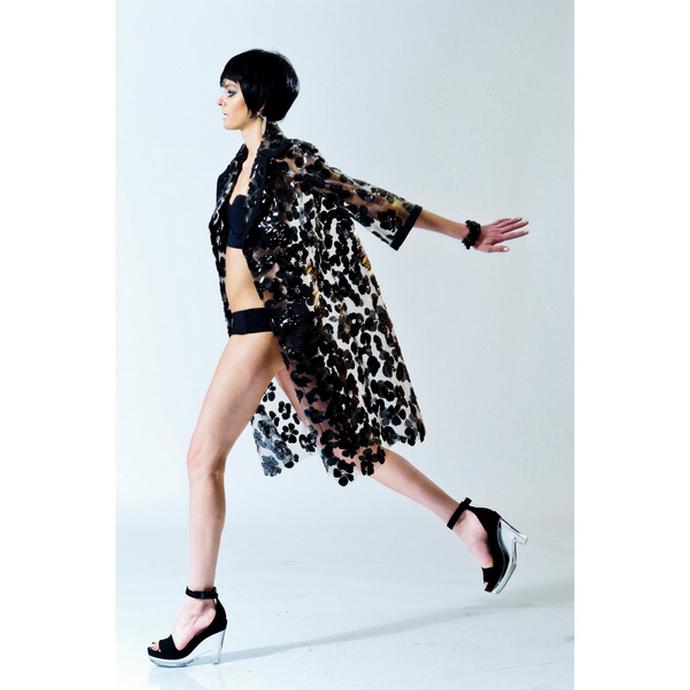
Themed photography contests can be some of the most rewarding opportunities for photographers. They push you to think beyond making a technically strong image and challenge you to interpret an idea, tell a story, and present work that feels intentional. This guide is for photographers who want to sharpen their contest strategy with the right education, inspiration, and post-processing skills so their submissions feel more distinctive and competition-ready.
Rather than treating a theme as a limitation, the best entrants use it as a framework for creativity. That means understanding your camera well, mastering lighting, learning how to build stronger visual narratives, and refining the final image in editing. Below are some smart resources from Unique Photo that can help you prepare for a wide range of themed contests, from portrait and product-based challenges to landscape, macro, and astrophotography categories.
How to stand out in a themed photography contest
Before choosing a class or resource, it helps to know what judges usually respond to. Strong themed contest images often share a few things: a clear interpretation of the prompt, confident technical execution, an original perspective, and polished finishing. If the contest theme is broad, your edge comes from specificity. If the theme is narrow, your edge comes from creativity within the rules.
- Study the theme carefully: Identify whether the contest favors literal interpretation, conceptual storytelling, or emotional impact.
- Develop a visual plan: Sketch ideas, list locations, lighting approaches, props, or subjects that support the concept.
- Control the technical side: Focus, exposure, composition, and color all matter more when judges are comparing similar ideas.
- Edit with restraint: Strong post-production should support the concept, not distract from it.
- Submit your best single image: Choose the frame with the strongest immediate read and most memorable visual hook.
Best learning resources for contest preparation
Our Pick: EXPO: Stories from the Road - Photography Across Worlds w. Matthew Borowick
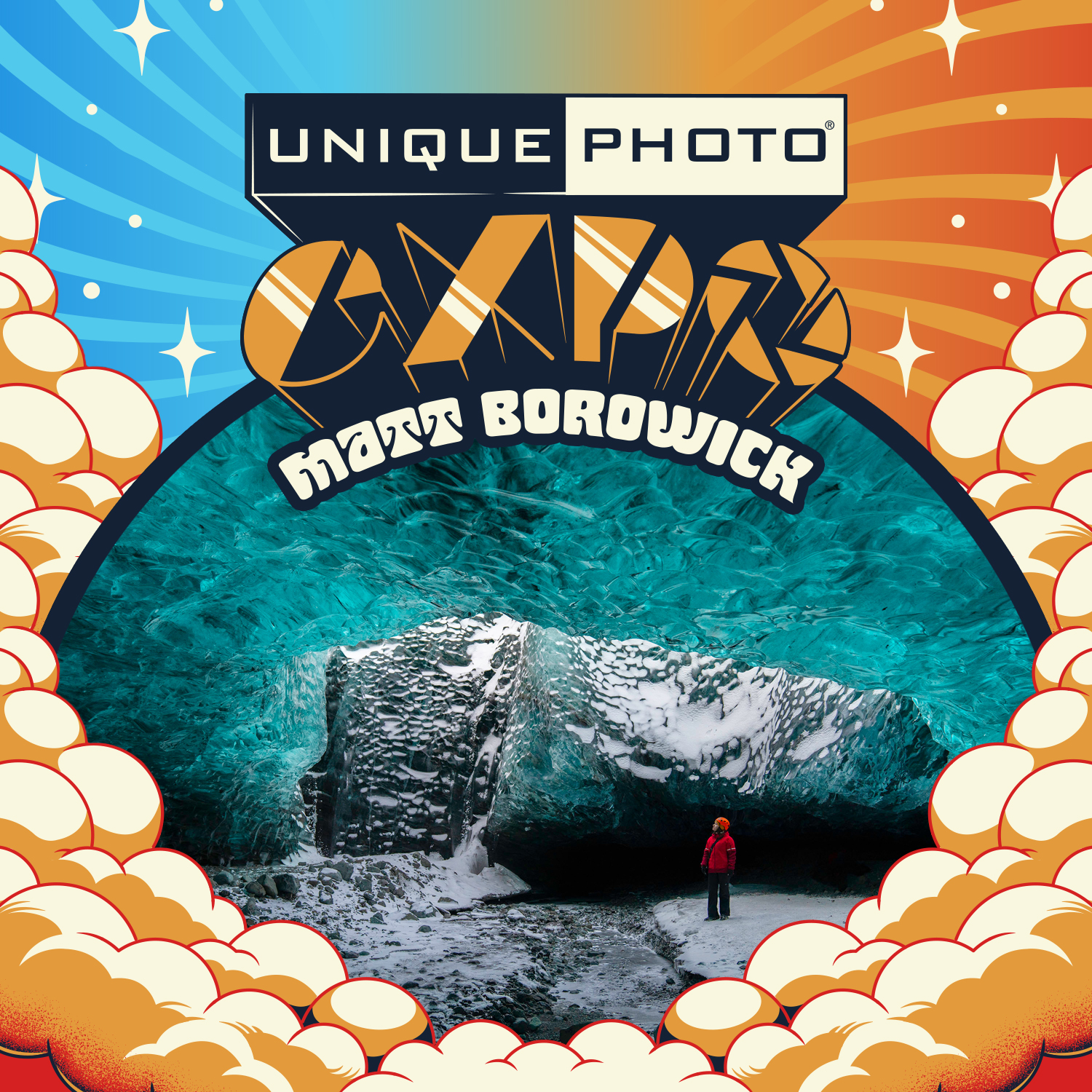
Why it stands out: Storytelling is often what separates a good contest image from a winning one. This presentation-oriented resource is especially relevant for themed contests because it encourages photographers to think in terms of meaning, perspective, and visual narrative rather than just technical perfection.
When you're responding to a theme, judges want to feel that your image says something. A resource centered on photographic stories and experiences across worlds can help you broaden your approach to interpretation and develop a more compelling point of view.
Best for: Photographers entering travel, documentary, culture, conceptual, or open-theme contests.
Contest advantage: Helps you create images with stronger emotional resonance and more memorable storytelling.
Understanding Light Modifiers with John Ricard and Models
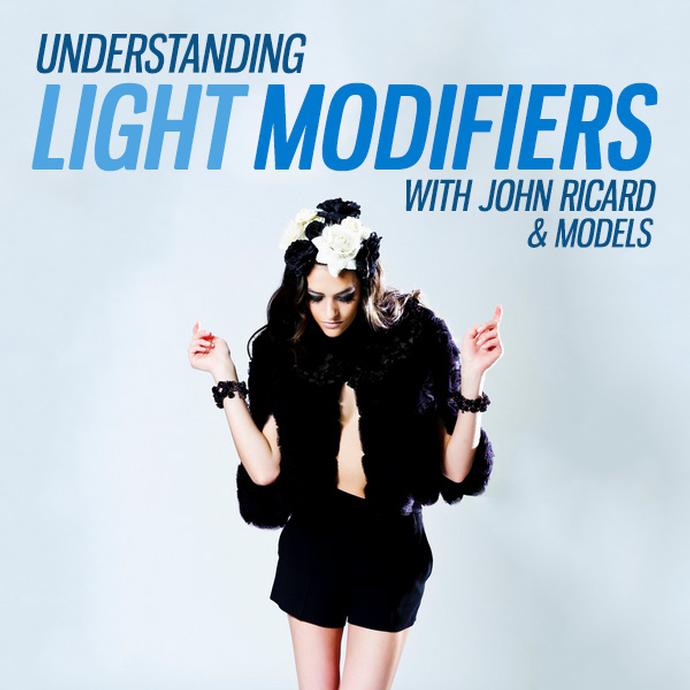
Lighting can completely transform how a contest theme is interpreted. If the prompt involves mood, character, fashion, drama, or identity, knowing how to shape light gives you a major advantage. This class helps photographers better understand how modifiers influence contrast, softness, direction, and overall feel.
For portrait-driven or conceptual contests, deliberate lighting often makes the difference between an image that looks casual and one that looks competition-ready. A themed entry should feel intentional, and lighting is one of the clearest ways to communicate intention.
Best for: Portrait, editorial, fine-art, and concept-based contest themes.
Contest advantage: Better control over mood and subject separation.
Editing and Enhancing Landscape and Nature Photography with Photoshop
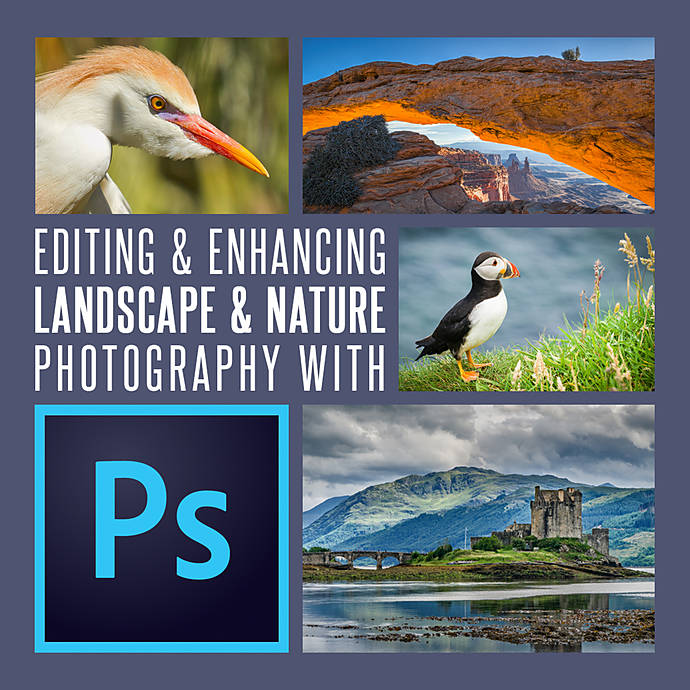
Many themed contests are won in part because the final image is polished without looking overworked. This editing-focused class is especially useful for photographers entering nature, scenic, environmental, or seasonal categories where tonal control, color balance, detail management, and subtle enhancement are essential.
Good editing helps your image hold attention longer. It can strengthen atmosphere, clarify your subject, and create consistency between your concept and final presentation. It also teaches discipline, which is critical when contest rules limit excessive manipulation.
Best for: Landscape, nature, outdoor, and environmental themed contests.
Contest advantage: Cleaner, more refined final files that still look believable.
Macro and Landscape Photography at Duke Farms with Michael Downey
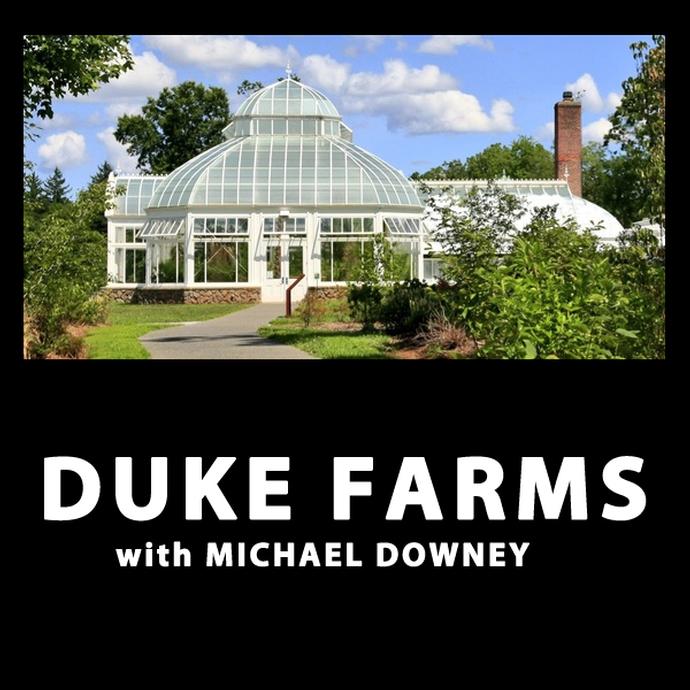
Themed contests often include categories like patterns, details, growth, nature, texture, and place. This class is a smart option for photographers who want to improve both close-up observation and broader scene composition. Those two skills are especially valuable when trying to interpret a familiar theme in a fresh way.
Macro work helps you discover unusual perspectives, while landscape practice helps you build stronger compositions with depth and structure. Together, they train you to look more carefully, which is a huge competitive advantage.
Best for: Nature, texture, abstract, botanical, and place-based contest themes.
Contest advantage: Helps you move beyond obvious interpretations by seeing both intimate details and wider visual context.
Product Photography and Post Production Editing with Blake Taylor

Not every themed contest is about landscapes or portraits. Some prompts revolve around design, objects, color, minimalism, commerce, or studio creativity. Product photography training can be surprisingly useful in these cases because it teaches precision, styling, control, and finish.
If you're entering still life or concept-driven contests, this kind of resource helps you produce cleaner compositions and more professional-looking results. It also reinforces the importance of post-production in presenting a visually cohesive final image.
Best for: Still life, object, design, color, minimalism, and studio-themed contests.
Contest advantage: Better set-building, cleaner composition, and more controlled final presentation.
Understanding Your Sony Mirrorless Camera: Intermediate (Sony)
Sometimes the best way to improve your odds in a contest is simply to know your camera better. Fast-moving themed assignments, changing light, and fleeting moments all demand quick, confident camera operation. This class is ideal for Sony users who want more consistency from their autofocus, exposure settings, and camera customization.
The more fluently you use your camera, the more attention you can devote to timing, composition, and meaning. In contests, those small gains can matter a lot.
Best for: Sony photographers entering any contest category.
Contest advantage: Reduces missed moments and improves technical consistency.
UUOnline: Astrophotography 4-Part Series with Temu Nana (Session 2)
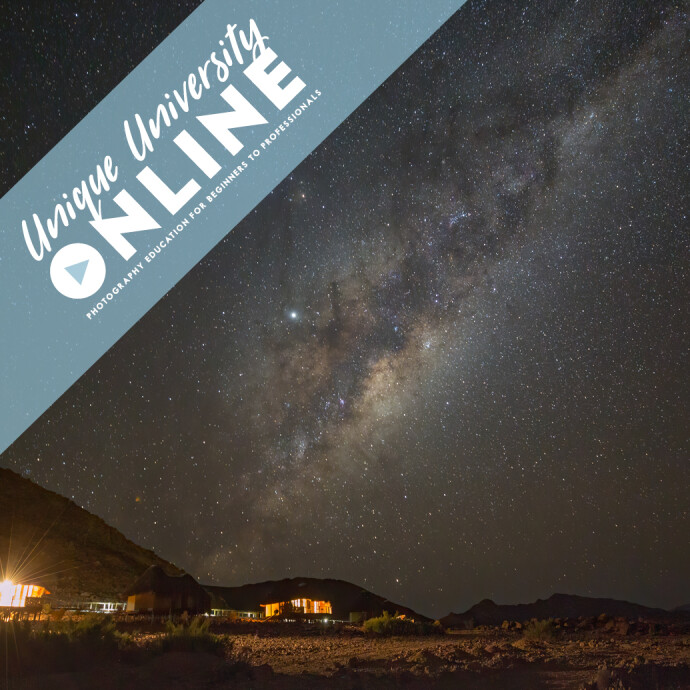
If your contest theme involves night, wonder, solitude, the environment, or the cosmos, astrophotography can deliver truly standout submissions. This type of imagery has immediate visual impact, but it also requires strong technique and planning. A focused astrophotography series can help photographers tackle exposure, timing, location selection, and low-light workflow more effectively.
Because astrophotography is less commonly attempted well, it can be a great way to separate yourself from a crowded field when it fits the theme.
Best for: Night, sky, adventure, science, and awe-themed contests.
Contest advantage: Gives you access to a visually distinctive category with high impact potential.
Nikon D850 Guide to Digital SLR Photography by David Busch
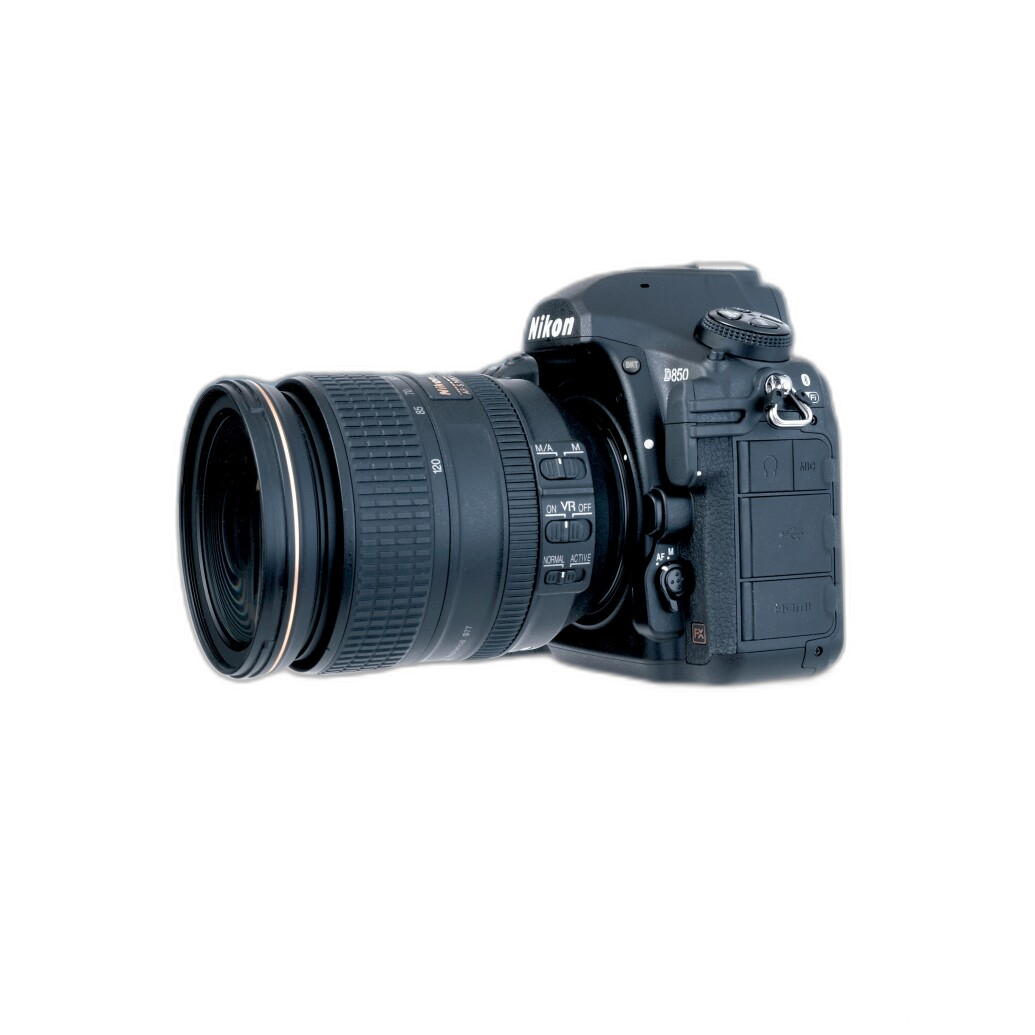
For Nikon D850 users, a dedicated guide can be an excellent support tool when preparing for contests. Camera-specific knowledge helps you get the most from a high-resolution body, particularly when detail, dynamic range, and careful customization matter. That's especially useful for landscape, portrait, studio, and fine-art themed entries where image quality is under close scrutiny.
Best for: Nikon D850 users who want to maximize camera performance before entering contests.
Contest advantage: Helps improve confidence in setup, controls, and image quality optimization.
Quick comparison table
| Product | Best For | Main Strength | Ideal Contest Themes |
|---|---|---|---|
| EXPO: Stories from the Road - Photography Across Worlds w. Matthew Borowick | Storytelling photographers | Visual narrative and perspective | Travel, documentary, conceptual, open theme |
| Understanding Light Modifiers with John Ricard and Models | Portrait and studio shooters | Lighting control | Portrait, fashion, drama, character |
| Editing and Enhancing Landscape and Nature Photography with Photoshop | Landscape and nature photographers | Polished post-processing | Nature, scenery, seasons, environment |
| Macro and Landscape Photography at Duke Farms with Michael Downey | Outdoor photographers | Seeing detail and composition | Texture, botanical, place, abstract nature |
| Product Photography and Post Production Editing with Blake Taylor | Still life and studio creatives | Precision and styling | Objects, design, minimalism, color |
| Understanding Your Sony Mirrorless Camera: Intermediate (Sony) | Sony users | Camera mastery | Any theme |
| UUOnline: Astrophotography 4-Part Series with Temu Nana (Session 2) | Night sky enthusiasts | Specialized low-light technique | Night, sky, wonder, adventure |
| Nikon D850 Guide to Digital SLR Photography by David Busch | Nikon D850 users | Camera-specific optimization | Any theme, especially detail-rich work |
How to choose the right resource for your contest goals
If you're still deciding where to begin, use your likely contest category as a guide:
- Choose storytelling-focused learning if you want your images to feel more meaningful and less generic.
- Choose lighting education if your work depends on mood, portraits, or studio control.
- Choose editing instruction if your images are strong in-camera but need a more refined final presentation.
- Choose camera-specific training if missed focus, awkward settings changes, or inconsistent exposure are holding you back.
- Choose specialty classes like macro or astrophotography if you want a more distinctive visual angle for themed challenges.
Final thoughts
Standing out in themed photography contests is rarely about chasing the most obvious interpretation. It's about presenting a thoughtful idea with confidence, technical control, and a finished look that supports the concept. Whether you need help with storytelling, lighting, editing, or simply understanding your camera better, the right learning resource can make your next contest entry far more compelling.
For photographers looking to build stronger contest-ready skills, Unique Photo offers valuable classes, educational experiences, and guides that can help turn a theme into a truly memorable image. If you're preparing for your next submission, start with the resource that best matches your style and subject matter, and explore more education through Unique Photo.