Canon R8 FAQ: Is It the Best Entry-Level Full-Frame Value?
The Canon EOS R8 has quickly become a standout option for photographers who want full-frame image quality, modern autofocus, and strong video performance without stepping into a much higher price tier. If you're comparing entry-level full-frame cameras and wondering whether the R8 offers the right balance of value, features, and real-world usability, this FAQ breaks down the key points that matter most.
At Unique Photo, we often see shoppers weighing the R8 against older DSLRs, competing mirrorless bodies, and even APS-C systems. The right answer depends on how you shoot, what lenses you plan to use, and how important portability, autofocus intelligence, and upgrade potential are to your workflow.
Is the Canon R8 a good value for photographers moving into full-frame?
Yes—especially for photographers who want current-generation Canon mirrorless performance without paying for a larger, more advanced body. The R8 delivers a full-frame sensor, excellent subject detection autofocus, strong low-light capability, and impressive video specs in a camera that remains relatively compact and approachable. That combination makes it appealing for portrait shooters, travel photographers, hybrid creators, and enthusiasts ready to move beyond APS-C or older DSLR platforms.
What makes the R8 particularly compelling is that it gives you access to Canon's modern RF ecosystem and autofocus technology at a more attainable entry point than many higher-tier full-frame models. For buyers focused on image quality and AF performance more than dual card slots, in-body stabilization, or a larger battery, the R8 can be one of the smartest ways to enter Canon full-frame mirrorless.
How good is the Canon R8 autofocus in real-world shooting?
Autofocus is one of the R8's biggest strengths. Canon's subject detection system performs very well for people, eye detection, animals, and many fast-moving situations. In practical use, that means the camera is capable of locking onto eyes for portraits, tracking people during events, and helping newer shooters get a higher percentage of sharp frames than they might with older systems.
For photographers coming from legacy DSLR autofocus, the improvement can feel substantial. The R8 is especially attractive if you shoot candid family moments, street scenes, casual sports, pets, or social content where fast and reliable focus matters. Lens choice still plays a role, of course, but the body itself provides a strong foundation for accurate focus acquisition and subject tracking.
Is the Canon R8 reliable enough for everyday photography and paid work?
For many photographers, yes. The R8 is a dependable camera for day-to-day shooting, portraits, travel, content creation, and many professional applications when used within its design limits. Like any lightweight, entry-oriented full-frame body, it involves tradeoffs: a smaller battery, a more compact grip, and fewer high-end redundancies than more expensive models. Those compromises do not make it unreliable, but they do mean you should match the camera to your shooting style.
If you shoot long events, all-day weddings, or extended video sessions, it is smart to plan around battery life and workflow. If you primarily shoot shorter sessions, travel, portraits, and general-purpose content, the R8's compact design can actually be a major advantage. Reliability also comes down to how you protect and maintain your gear. For added peace of mind on Canon gear, service and protection plans can be worth considering depending on your setup and usage patterns.
While this particular Canon CarePAK PLUS option is for a different product category, Unique Photo can help you explore protection solutions and support options for your imaging equipment so you can build a kit with confidence.
What are the biggest tradeoffs of the Canon R8?
The R8's strongest value proposition comes from what it includes for the price—but it also leaves out a few features some photographers expect in a more advanced full-frame body. The most commonly discussed considerations are battery life, the absence of in-body image stabilization, and a body design that prioritizes low weight over a larger, more rugged feel.
None of those are automatic dealbreakers. In fact, many photographers prefer the portability. But if you often handhold in low light with non-stabilized lenses, shoot very long sessions, or want the confidence of more robust physical controls, you may eventually prefer a step-up model. For a large number of buyers, however, the R8's autofocus, sensor performance, and overall responsiveness more than offset those omissions.
How important is lens selection when deciding if the R8 is the best value?
Lens selection is crucial, because the true value of any camera body depends on the system around it. The R8 benefits from Canon's RF mount roadmap, and that matters over the long term. If you want a camera body that can start simple and grow into a more capable kit over time, system depth is part of the appeal.
Another practical advantage is that many photographers adapt older Canon EF lenses or experiment with used glass to keep costs manageable while building their setup. At Unique Photo, used lenses can be a smart way to stretch your budget, especially if you're exploring focal lengths before investing in newer native options.
For example, a classic used prime can be an affordable way to experiment with shallow depth of field and manual-focus shooting styles:
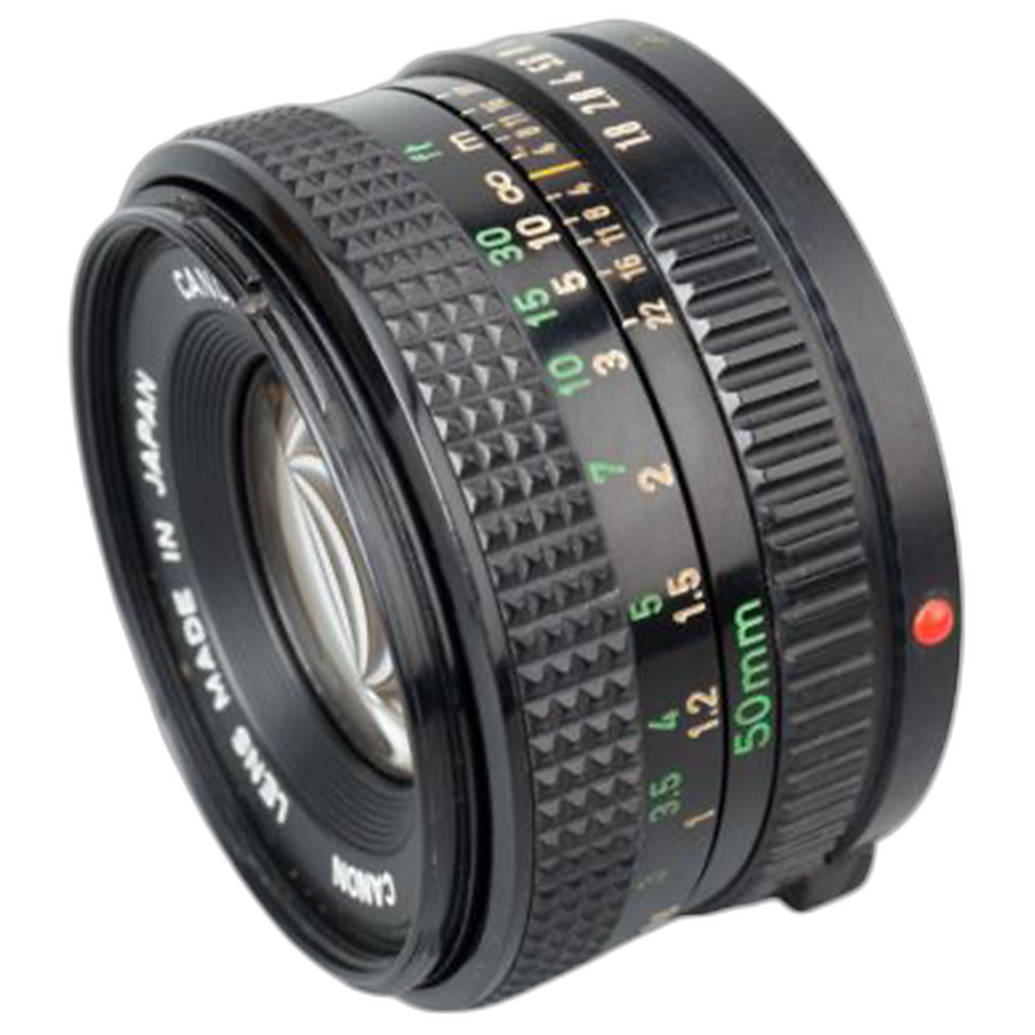
The Used Canon FD 50mm f/1.8 Lens - Good is not a native RF lens, but it reflects the kind of creative, budget-conscious lens path many enthusiasts enjoy when building a full-frame kit. Likewise, photographers with existing EF-mount glass may look at used options as part of an adapter-based transition:
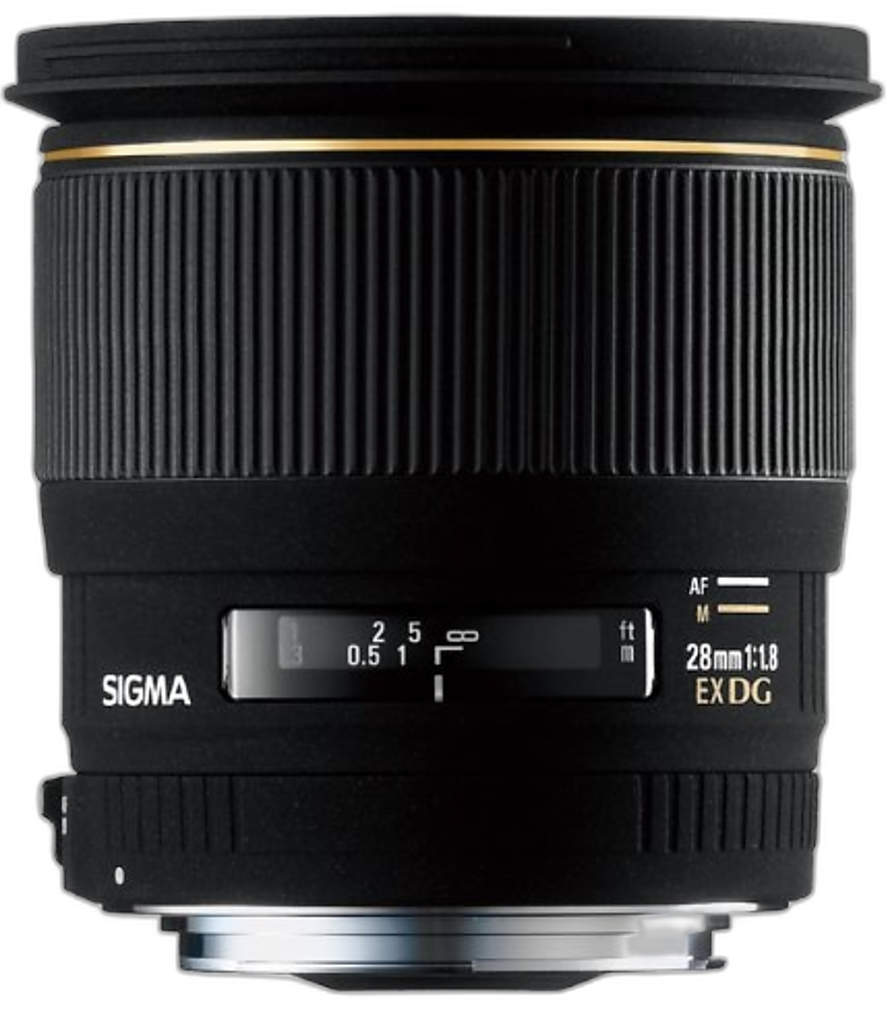
The Used Sigma 28mm f/1.8 EX DG for Canon EF - Good can appeal to shooters who want a bright wide-to-normal perspective and are exploring affordable lens options around the Canon system.
Is the Canon R8 better than staying with APS-C?
That depends on your priorities. If you want the lightest, least expensive system overall, APS-C can still make more sense—especially when lenses are part of the budget equation. But if your priorities are full-frame depth of field, stronger low-light performance, wider-angle flexibility, and a more future-facing full-frame system, the R8 has a strong case.
Some photographers compare the R8 not only to other full-frame bodies, but also to smaller Canon systems they may already know. Used APS-C lenses from older mirrorless lines can still offer value for photographers staying in those systems. For example:
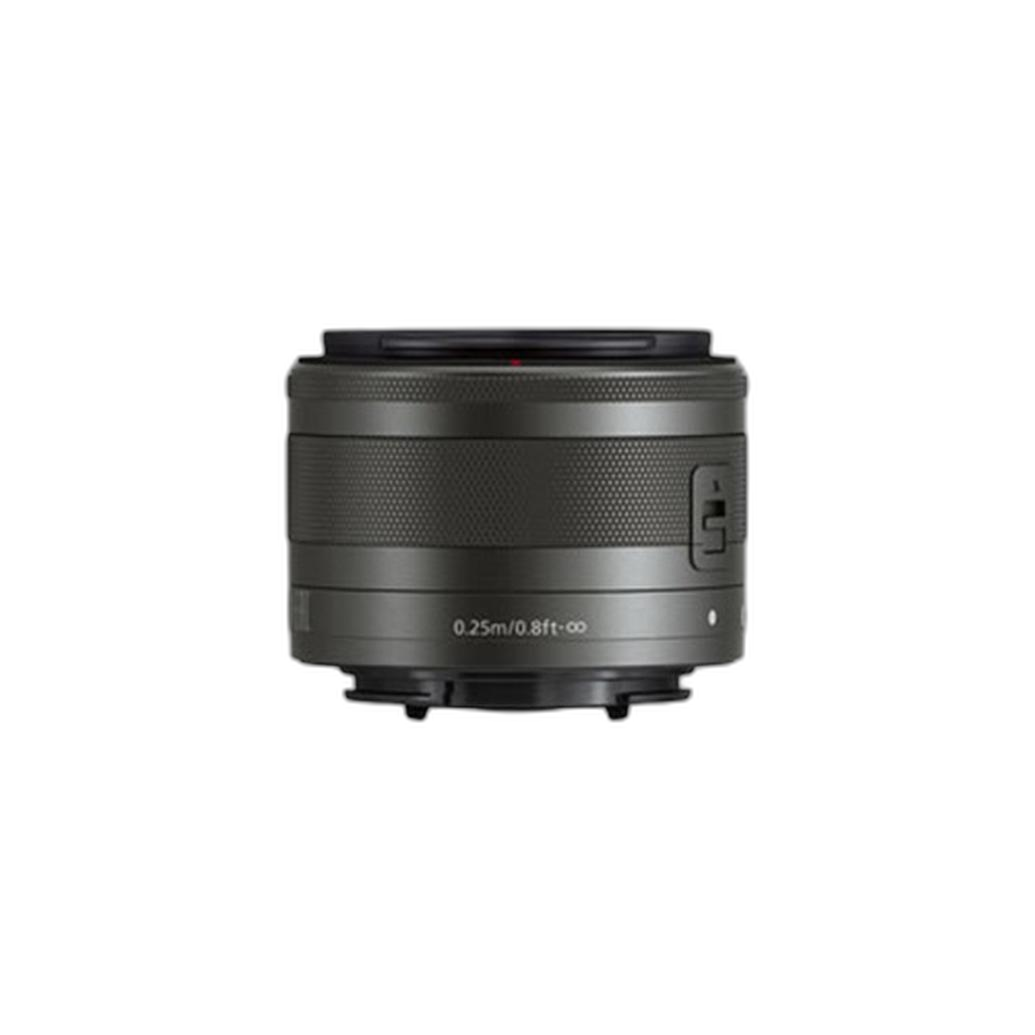
The Used Canon EF-M 15-45mm f/3.5-6.3 IS STM - Good is a reminder that lower-cost APS-C kits can remain practical for casual shooting. However, for buyers specifically looking for the full-frame look and more advanced autofocus performance, the R8 often feels like a more decisive upgrade path.
Who is the Canon R8 best for?
The R8 is best for photographers and hybrid shooters who want modern full-frame performance in a compact package. It is especially well suited to portrait enthusiasts, travel photographers, family and lifestyle shooters, social content creators, and anyone moving from an older DSLR who wants a meaningful autofocus upgrade.
It is also a strong choice for users who care more about image quality, subject tracking, and portability than maximum body size or top-tier pro features. If your work depends on dual card slots, heavier-duty ergonomics, or in-body stabilization, another body may fit better. But for a broad range of enthusiasts and many working creators, the R8 lands in a sweet spot.
Should beginners buy the Canon R8, or is it better for experienced photographers?
The R8 can work for both. For beginners with the budget to start in full-frame, it offers room to grow and simplifies sharp shooting thanks to advanced autofocus. For experienced photographers, it can serve as a lightweight primary body or an excellent second camera. The user experience is approachable enough for newer shooters, but the image quality and focusing system are good enough to satisfy demanding users.
The key question is not whether a beginner can use it—the answer is absolutely yes—but whether a beginner will also budget for lenses, batteries, and accessories. If the body purchase crowds out the rest of your kit, a less expensive system may be the more balanced route. If you can support the full setup, the R8 is an excellent long-term platform.
So, is the Canon R8 the best combination of price, performance, and features in entry-level full-frame?
For many photographers, yes. The Canon R8 stands out because it delivers the features that most directly affect real shooting results: very capable autofocus, strong full-frame image quality, solid video tools, and a portable body at a price that feels more accessible than many competitors. It is not the perfect camera for every user, but it is one of the most compelling value-oriented full-frame choices for people who want current Canon mirrorless performance without moving too far up the pricing ladder.
If you're building a system, remember that the best value is not just the body—it's the body plus the lenses and support gear that fit your style. Unique Photo can help you compare Canon camera options, explore used lens opportunities, and choose the accessories that make your setup more practical in the field.
Ready to build your next Canon kit? Shop cameras, lenses, used gear, and expert-recommended accessories at Unique Photo.