If you shoot film, sooner or later you face the same question: should you develop at home, or send your rolls and prints to a lab? This guide is for beginners curious about building a small darkroom setup, experienced film shooters looking to save money over time, and photographers who simply want the best balance of control, convenience, and consistency. The truth is that neither option is universally better. Home developing can be deeply rewarding and cost-effective, while lab developing can save time and deliver dependable results with less hassle. The right choice depends on how often you shoot, how much control you want, and whether you enjoy the process as much as the final image.
Below, we break down the real-world pros and cons of each path, then highlight a few useful darkroom tools for photographers ready to try home developing or expand a print-processing setup.
Home Developing vs Lab Developing at a Glance
| Factor | Home Developing | Lab Developing |
|---|---|---|
| Upfront Cost | Higher at first due to equipment and chemistry | Low upfront cost; pay per roll or print order |
| Long-Term Cost | Often lower if you shoot regularly | Can add up quickly for frequent shooters |
| Convenience | Requires setup, storage, cleanup, and time | Very convenient; drop off or mail in |
| Creative Control | High control over process and output | More limited unless lab offers custom instructions |
| Consistency | Depends on your skill and workflow | Usually strong, especially with a reputable lab |
| Learning Curve | Moderate to steep depending on process | Minimal |
| Turnaround Time | Immediate when you are ready to process | Varies by lab workload and shipping |
| Space Needed | Needs storage and work area, especially for prints | None at home |
The Real Pros of Home Developing
The biggest reason to develop at home is control. You decide how carefully your negatives are handled, how your chemistry is mixed, and how your prints are processed. For black-and-white film shooters in particular, home developing is one of the most approachable ways to become more involved in the craft.
Home processing also makes more sense financially if you shoot often. Once you have the basic equipment, each additional roll may cost less than repeated lab fees. If you print in a darkroom, home workflow also lets you experiment with contrast, timing, and print interpretation in a way that feels much more hands-on than scanning and ordering online.
There is also the satisfaction factor. Many photographers enjoy film precisely because of the tactile process. Mixing chemistry, agitating trays, washing prints, and seeing images come to life can be as rewarding as making the exposure itself.
The Real Cons of Home Developing
The downside is that home developing is not automatically cheaper or easier for everyone. There is an initial investment in trays, washers, chemistry, storage bottles, measuring tools, and often a dedicated workspace. Color processing can be more demanding than black-and-white because temperature control and timing are less forgiving.
You also need consistency and discipline. Poor mixing, contaminated chemistry, insufficient washing, or inconsistent timing can lead to disappointing results. If you shoot only occasionally, chemistry may expire before you fully use it, reducing the value of a home setup.
Space is another practical issue. Even a modest print-processing setup benefits from organized trays, running water access, and enough room to work safely in low light. For apartment dwellers or casual shooters, that can be a dealbreaker.
The Real Pros of Lab Developing
A good lab removes most of the friction from the process. You do not need to worry about chemistry management, contamination, storage, or cleanup. That makes lab service especially attractive for photographers who want reliable results without dedicating time and space to processing.
Labs are also ideal for infrequent shooters. If you only put a few rolls through your camera every couple of months, paying per roll is often more practical than buying chemistry and supplies that may sit unused. Professional labs can also be the safer choice for important work such as weddings, travel, or once-in-a-lifetime personal projects where consistency matters more than experimentation.
The Real Cons of Lab Developing
The most obvious downside is recurring cost. Processing, scans, proofs, and prints can add up quickly, especially if you are shooting regularly. Turnaround time can also vary, and mail-in service adds waiting, shipping cost, and some risk.
You also give up a degree of creative control. While many labs do excellent work, they may not interpret your negatives the way you would. If you are particular about density, printing style, or how your final prints are washed and handled, home developing may feel more aligned with your goals.
Who Should Choose Home Developing?
Home developing makes the most sense for photographers who shoot film often, enjoy process-oriented work, want to learn darkroom technique, or want more direct control over results. It is especially appealing for black-and-white photographers and darkroom printers who want to build a repeatable workflow over time.
Who Should Stick With a Lab?
Lab developing is usually the better choice for photographers who shoot occasionally, value convenience, lack darkroom space, or mainly want dependable negatives and scans without investing time into chemistry and cleanup. It is also a great option if you are primarily interested in shooting film rather than mastering the processing side.
Recommended Darkroom Tools for Home Printing and Processing
If you decide to explore home developing or darkroom printing, these products can help you build a practical workflow. While trays and washers are more closely associated with print processing than simple tank film developing, they become essential when you want to expand into hands-on darkroom work.
Paterson Developing Tray 16x20 Red
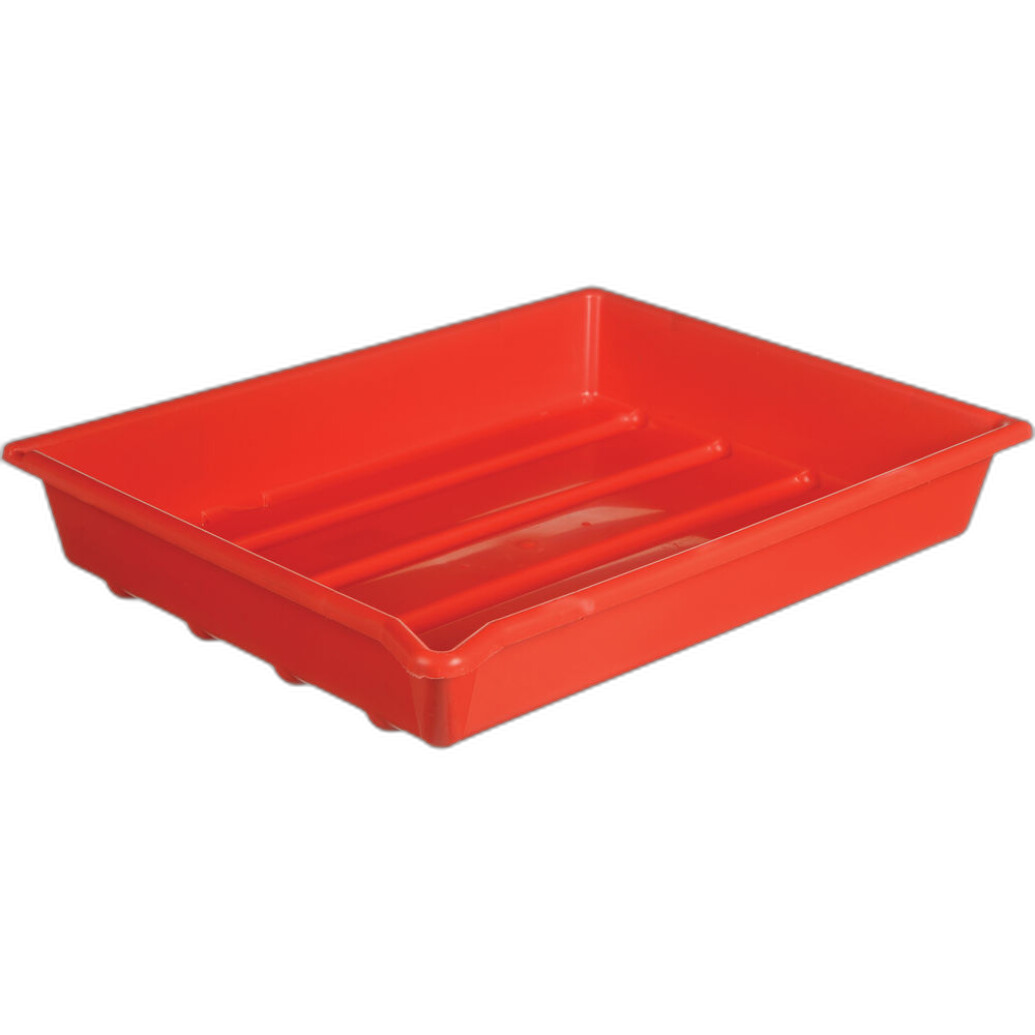
The Paterson 16x20 Red Developing Tray is a strong choice for photographers building out a print-processing station. A tray this size is useful for handling larger paper sizes while still fitting into many home darkroom layouts. Color-coded trays can also make chemical organization easier, helping you separate developer, stop bath, and fixer at a glance.
Best for: home darkroom users who want a practical, easy-to-identify tray for print workflow.
Paterson Developing Tray 16x20 Grey
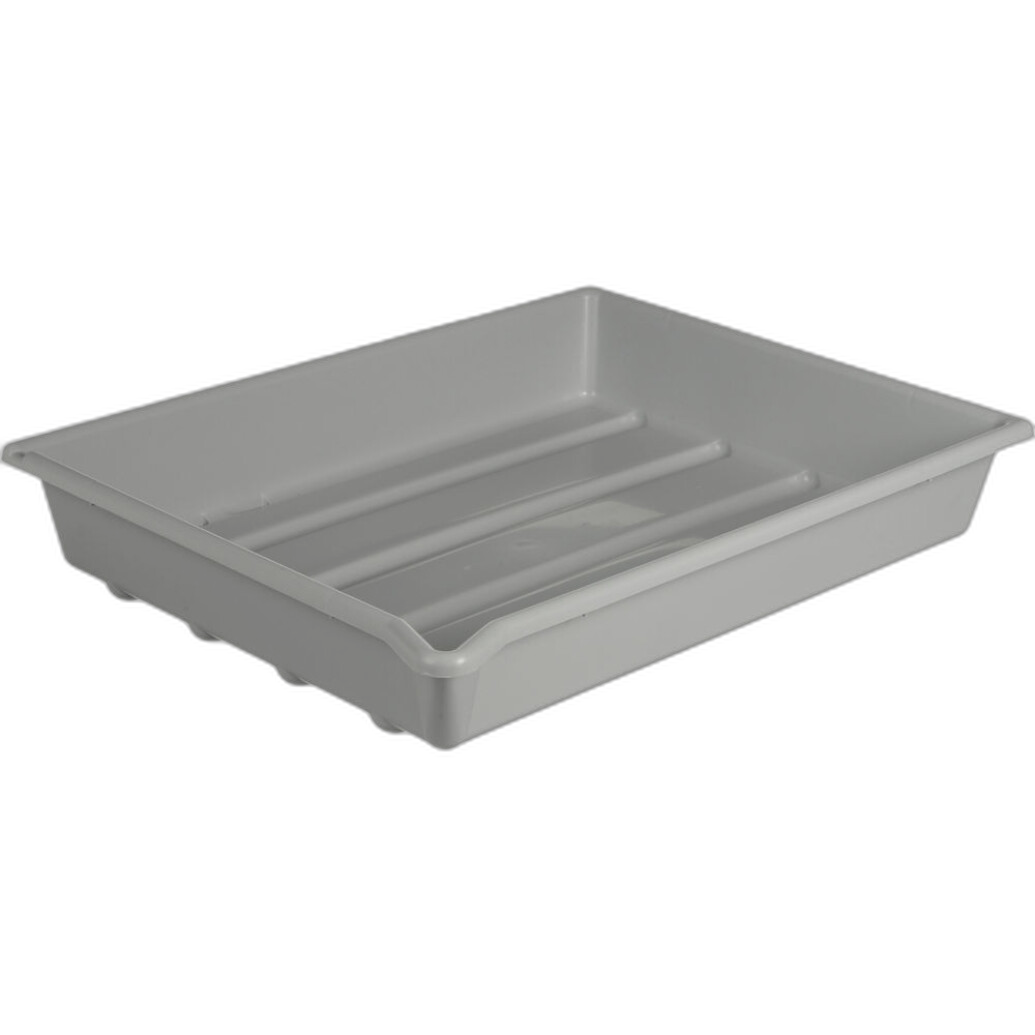
The Paterson 16x20 Grey Developing Tray offers the same versatile format in a neutral color option. For photographers assembling a multi-tray setup, mixing tray colors can help streamline workflow and reduce mistakes during a session. It is a smart pick for anyone creating a clean, organized print-processing station at home.
Best for: photographers who want to build a multi-tray darkroom setup with clear visual organization.
Paterson Developing Tray 16x20 White
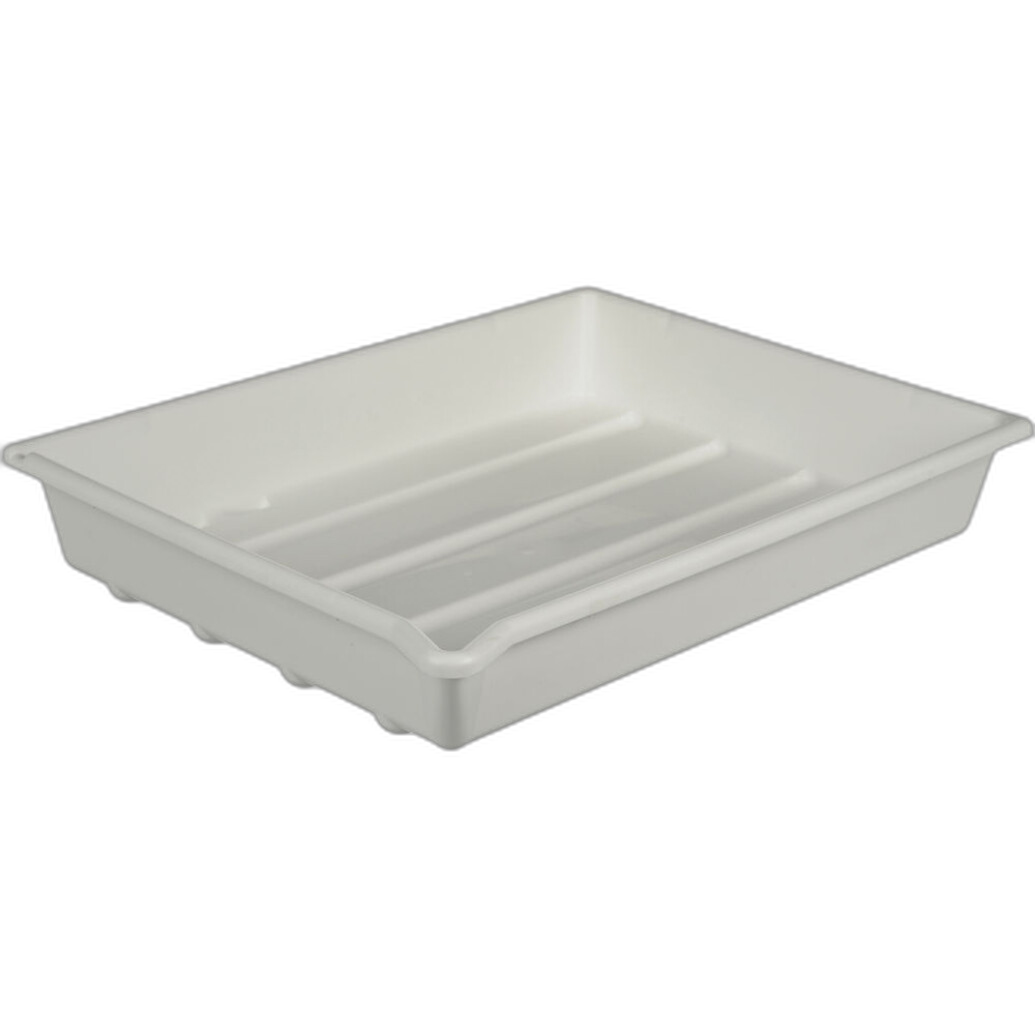
The white 16x20 version is especially useful when you want high visibility while evaluating chemistry coverage and print handling. For many darkroom users, white trays can make it easier to see the paper during processing. If you are learning tray technique, that added visibility can be helpful.
Best for: beginners and printers who prefer maximum visibility during print processing.
Paterson Developing Tray 20x24 White
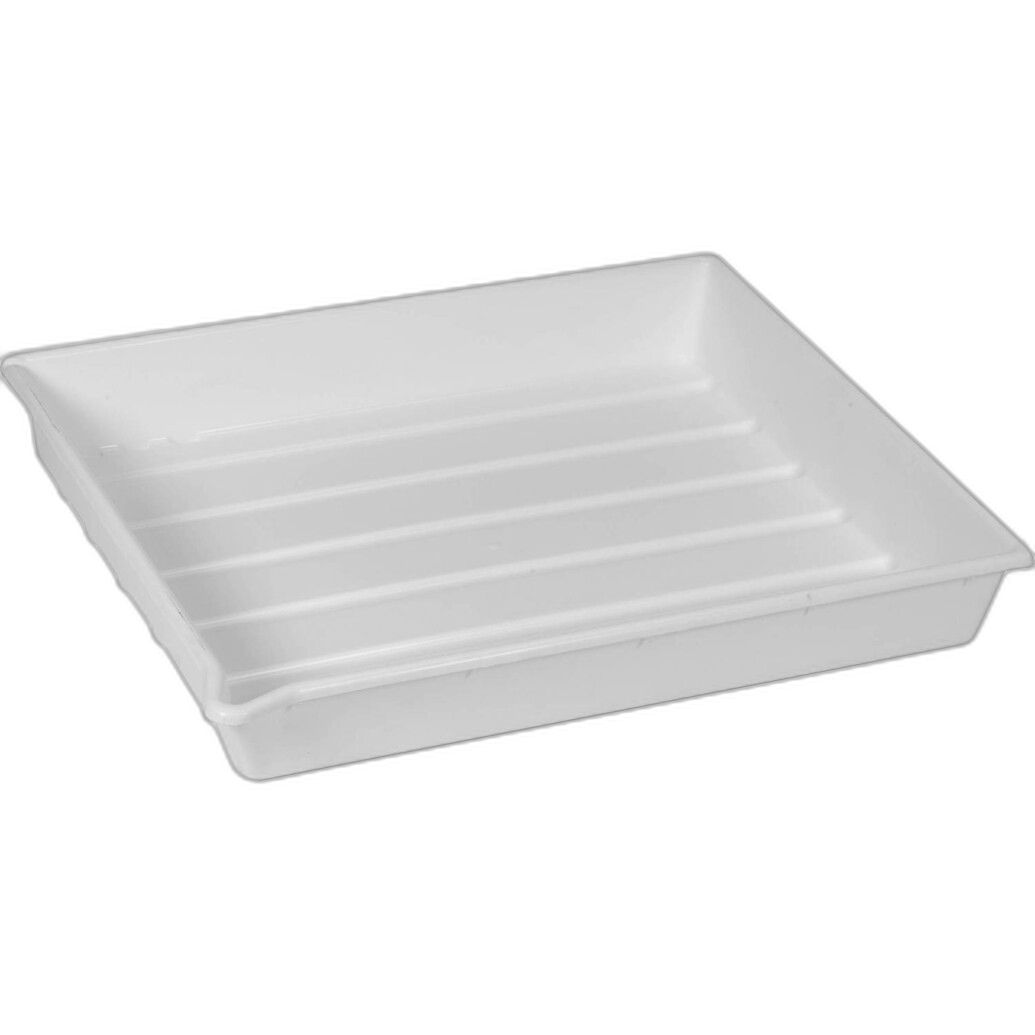
If you plan to work with larger prints, the Paterson 20x24 White Developing Tray gives you more room to process bigger paper sizes comfortably. It is more specialized than a 16x20 tray, but for photographers serious about darkroom enlargement and larger final prints, the extra capacity is valuable.
Best for: advanced darkroom users producing large prints.
Paterson Auto Print Washer Standard
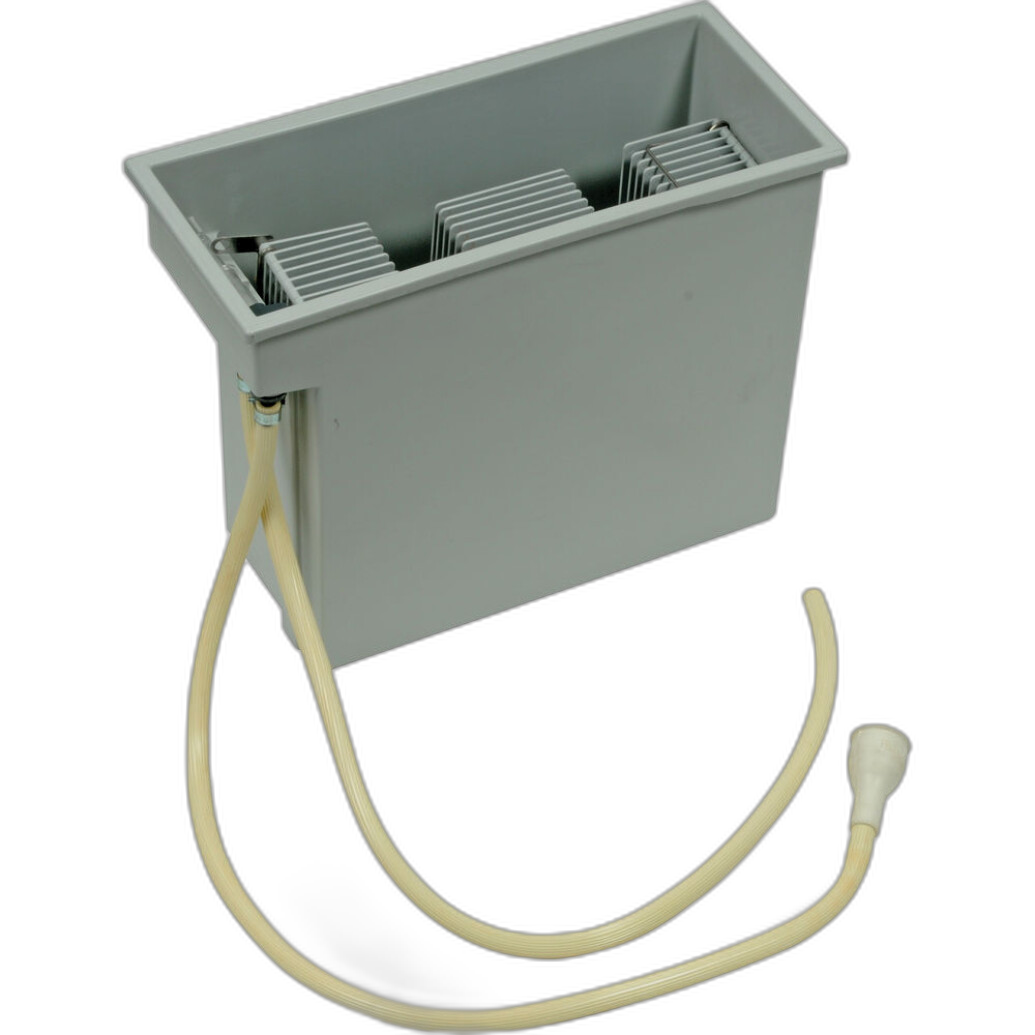
Proper print washing is a major part of archival darkroom workflow, and the Paterson Auto Print Washer Standard helps simplify that step. A print washer is especially useful for photographers who process multiple prints in a session and want more efficient, consistent washing than manual methods can provide.
Best for: home printers who want better print longevity and a more efficient finishing workflow.
Paterson Auto Print Washer Major 12x16
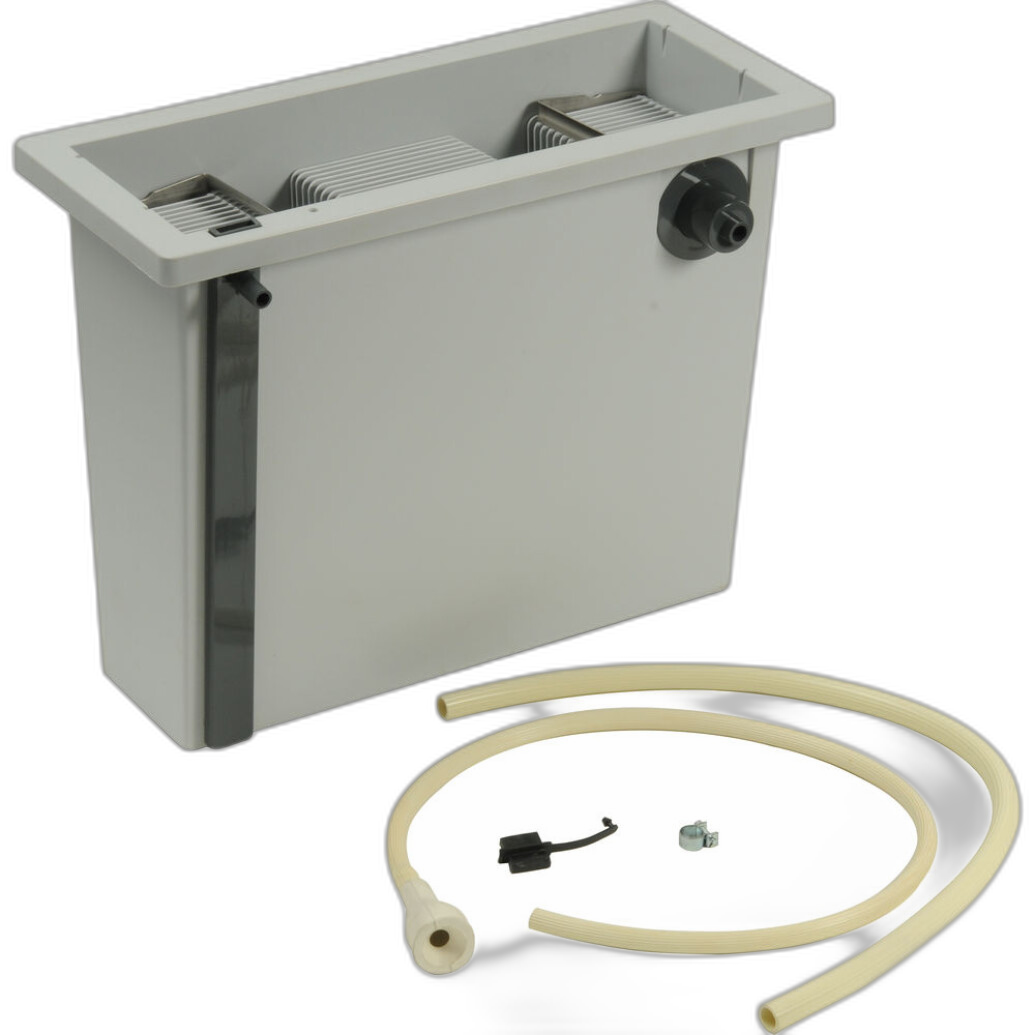
The Paterson Auto Print Washer Major 12x16 is well suited to photographers working with larger print formats or higher print volume. It is a strong upgrade path if you already know you enjoy darkroom printing and want a more capable archival wash solution for your workspace.
Best for: serious darkroom printers handling larger prints or frequent print sessions.
Recommended Products Comparison
| Product | Best Use | Why Consider It |
|---|---|---|
| Paterson Developing Tray 16x20 Red | General print processing | Easy color coding in a multi-tray workflow |
| Paterson Developing Tray 16x20 Grey | Organized darkroom setups | Useful for separating chemistry stations |
| Paterson Developing Tray 16x20 White | Beginner print processing | High visibility while handling prints |
| Paterson Developing Tray 20x24 White | Large-format print work | Extra room for bigger paper sizes |
| Paterson Auto Print Washer Standard | Archival print washing | Improves consistency and efficiency |
| Paterson Auto Print Washer Major 12x16 | Larger or more frequent print sessions | Better fit for serious darkroom users |
So, Which Is Better?
If you shoot film occasionally and mostly want dependable results with minimal effort, lab developing is the better fit. If you shoot often, enjoy process, and want more creative control, home developing can be incredibly rewarding and may save money over time. For many photographers, the real answer is a hybrid approach: use a lab for color or important jobs, and build a home setup for black-and-white and darkroom printing.
If you are ready to explore home processing gear, Unique Photo is a great place to start. From Paterson trays to print washers and other darkroom essentials, Unique Photo can help you build a workflow that matches your space, experience level, and film goals.