Low light photography asks a lot from your camera. You need strong high-ISO performance, reliable image stabilization, fast autofocus, and a sensor that can hold onto detail when the light drops. If you are shopping for the best mirrorless camera for low light photography in 2024, the good news is that there are several excellent options depending on how you shoot, what you prioritize, and how much size or budget matters.
Below, we break down a few smart tips for choosing a low-light mirrorless camera and highlight some standout options that make sense for everything from night street scenes to events, portraits, and hybrid photo/video work.
What Makes a Mirrorless Camera Great in Low Light?
Before comparing models, it helps to know what really matters. Sensor size is a big factor, but it is not the only one. In-body image stabilization, ergonomic handling, autofocus confidence, and lens availability all affect how successful you will be once the sun goes down.
- Full-frame sensors usually give you an edge in cleaner high-ISO files.
- In-body stabilization helps keep handheld shots sharp at slower shutter speeds.
- Good grip and controls matter when shooting in dark, fast-changing scenes.
- A strong lens ecosystem makes it easier to pair the camera with bright primes.
Tips for Picking the Best Low Light Mirrorless Camera
1. Start with full-frame if low light is your top priority
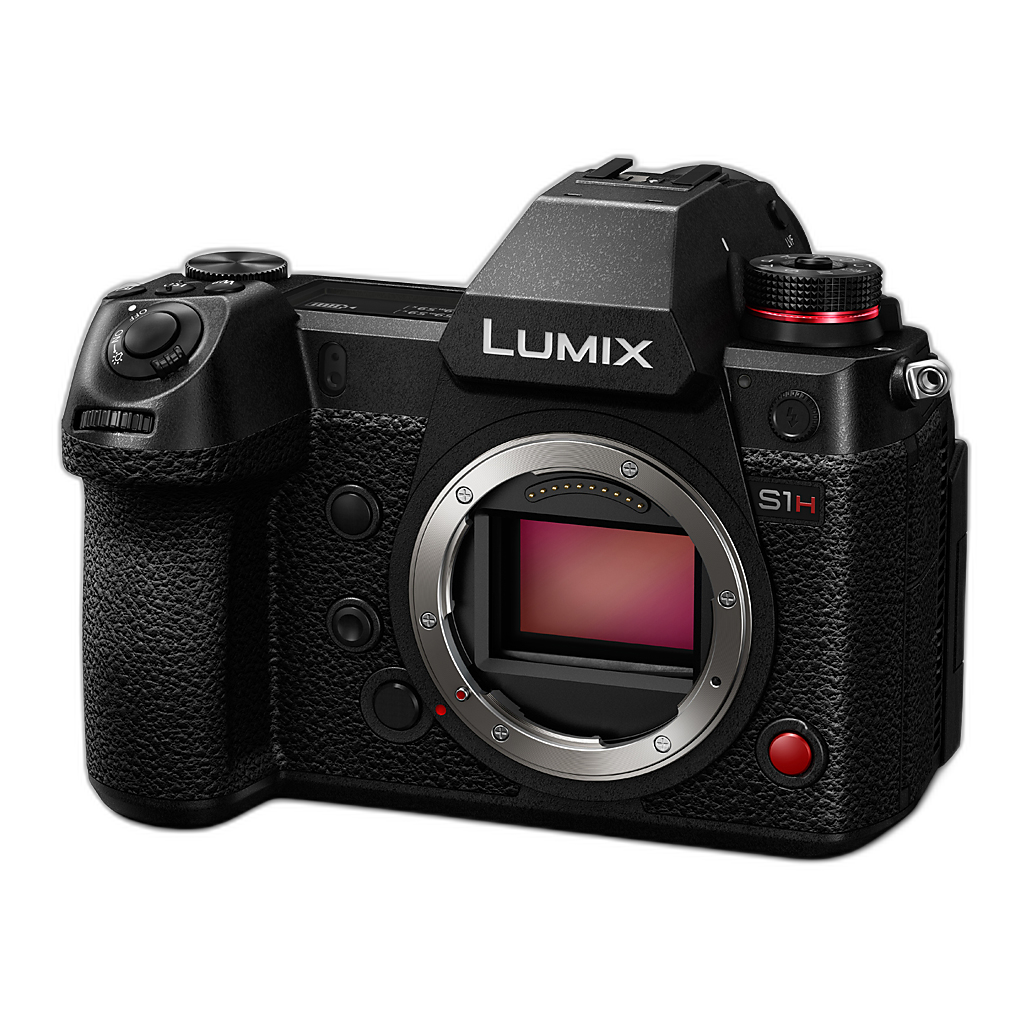
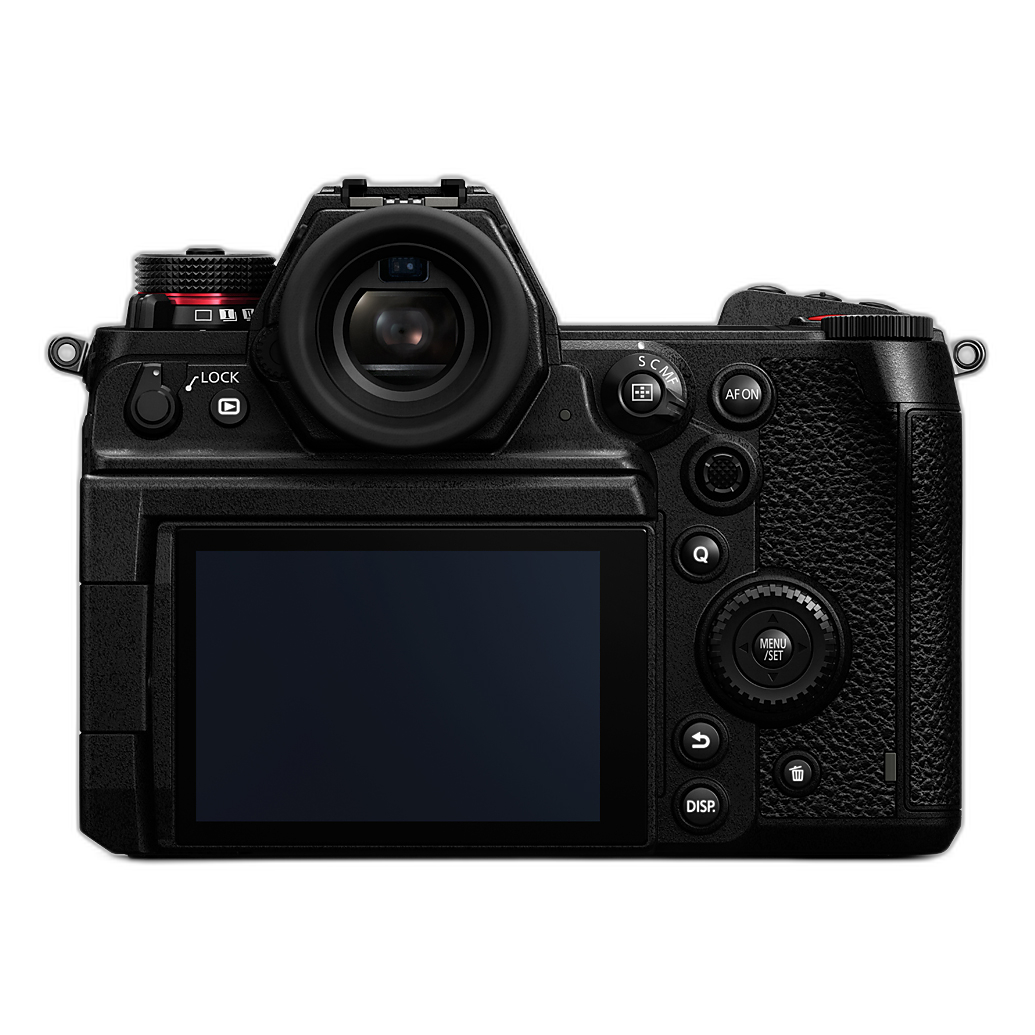
If your main goal is image quality in dim environments, full-frame is often the safest place to start. Cameras like the Used Leica SL2 Mirrorless Camera, Used Panasonic S1R Mirrorless Camera, and Used Panasonic LUMIX S1H Mirrorless Camera Body all give you the larger sensor format many photographers want for night photography, indoor work, and shallow-depth-of-field portraits.
The Panasonic LUMIX S1H is especially appealing for hybrid shooters who want serious low-light capability with a body known for robust handling and strong video credentials. The Leica SL2 stands out for photographers who value a premium build and a refined shooting experience in challenging lighting.
2. Do not overlook image stabilization for handheld night shooting
Low light is not just about ISO. If you shoot city scenes, interiors, travel, or handheld portraits, in-body image stabilization can make a major difference. It lets you work at slower shutter speeds and often keep ISO lower than you otherwise could.
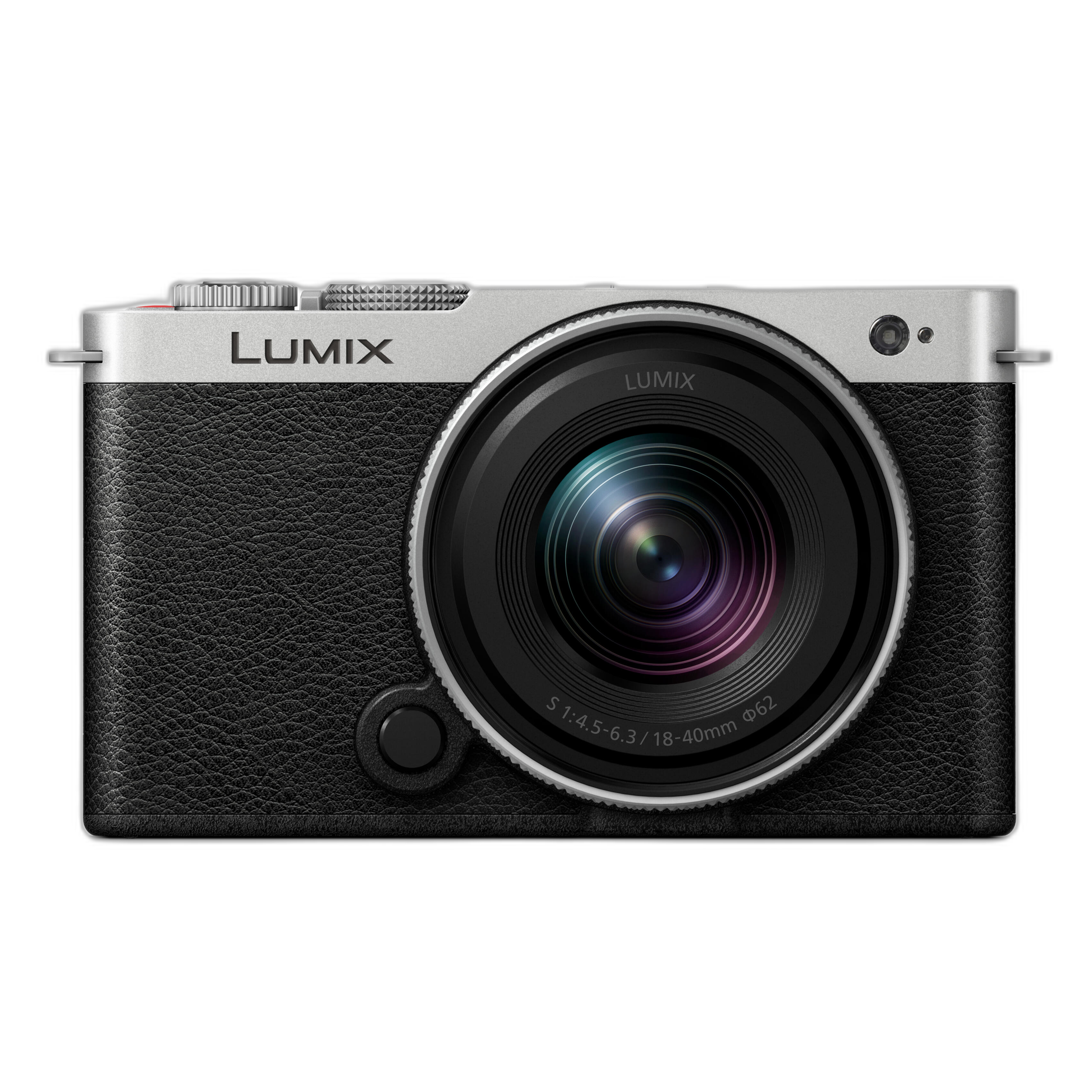
That makes cameras like the Panasonic LUMIX S9 Mirrorless Camera with 18-40mm Lens very interesting for photographers who want a modern, compact full-frame option for everyday low-light use. It is an approachable choice for street, travel, and casual night photography, especially if portability matters as much as sensor size.
3. Think about your subject before choosing resolution
Not every low-light shooter needs the same kind of camera. If you mostly photograph static scenes, architecture, or slower-paced portraits, a higher-resolution body can still be a great fit. The Used Panasonic S1R Mirrorless Camera - Good may appeal to photographers who want extra detail for prints and landscapes, even when shooting around dusk or blue hour.
If you are shooting action, events, or movement in dim spaces, you may lean toward a body known more for practical speed, dependable stabilization, and real-world versatility than maximum resolution alone. That is one reason the Panasonic LUMIX S1H keeps coming up in low-light conversations.
4. APS-C can still be an excellent value choice
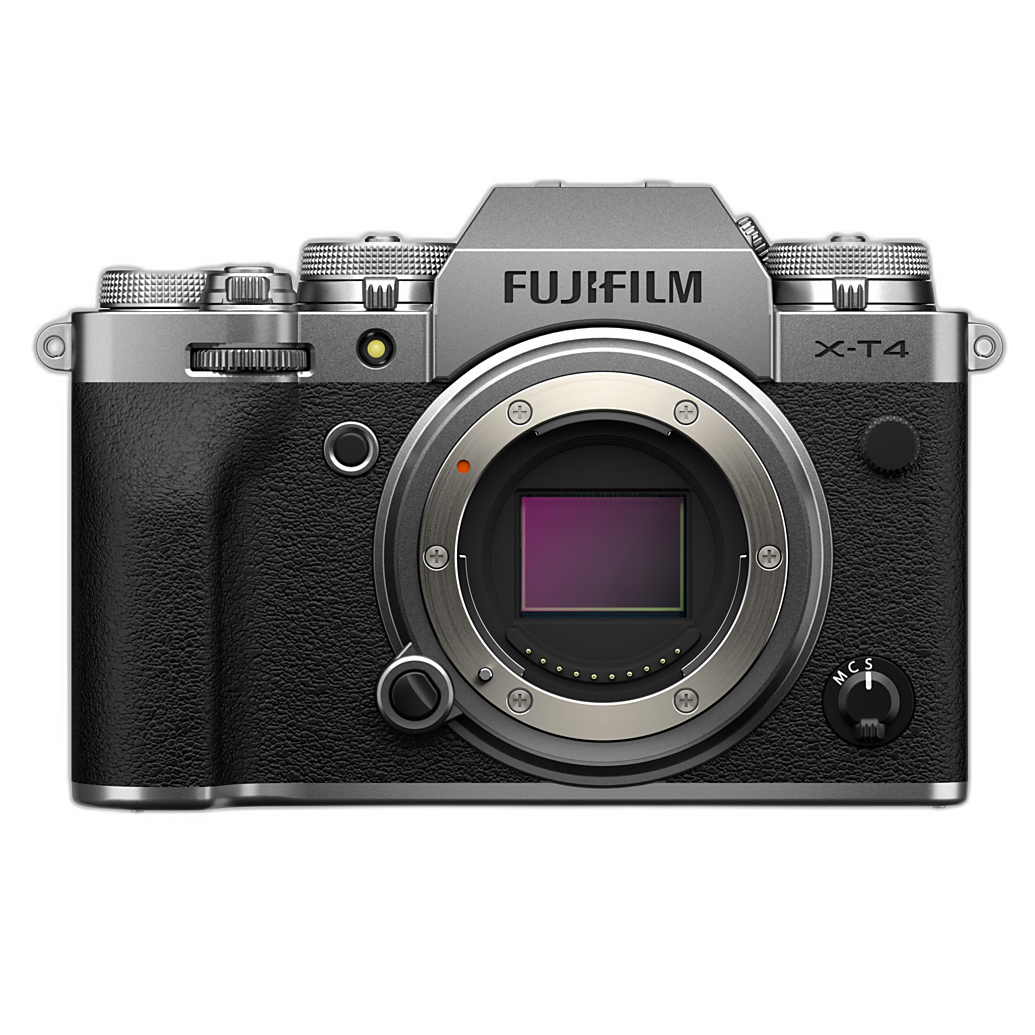
Full-frame gets most of the attention, but APS-C remains a strong option if you want impressive performance in a smaller, often more budget-friendly package. The Fujifilm X-T4 Mirrorless Digital Camera continues to be a smart pick for photographers who want strong stabilization, a proven body design, and a system with excellent fast prime lenses.
For available-light portraits, street photography, and event coverage on a more modest budget, the X-T4 still makes a lot of sense in 2024. Pair it with a bright lens, and it can be a very capable low-light setup.
5. Smaller sensors can work when stabilization and handling are priorities
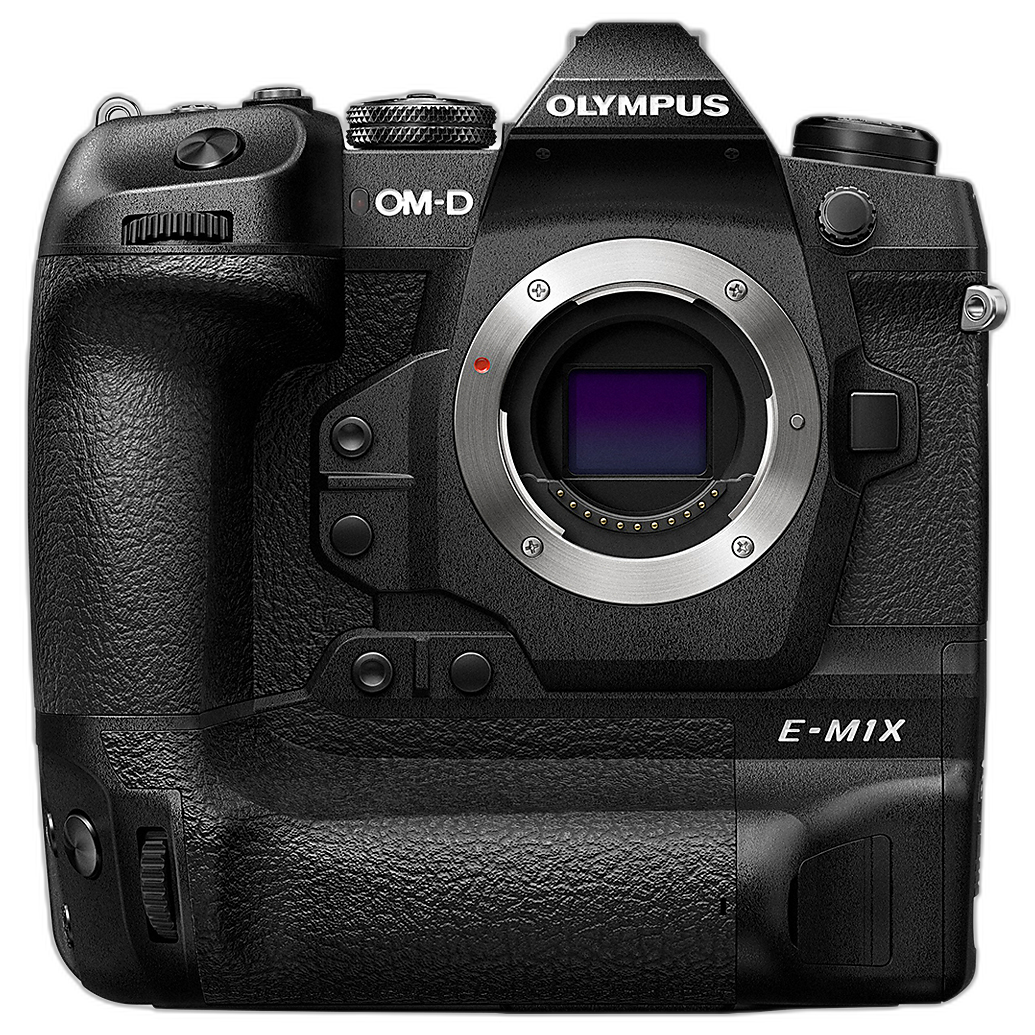
If you value mobility, rugged design, and stabilization, the Used Olympus E-M1X Mirrorless Camera - Excellent deserves a look. While Micro Four Thirds will not usually match full-frame in pure high-ISO output, it can still perform very well in low light when paired with good technique and bright lenses.
The E-M1X may be especially attractive for photographers who shoot handheld often and want a durable body that feels secure in the hand. For some users, that confidence and stability matter just as much as sensor size.
6. Buying used can be one of the smartest ways to move up a tier
One of the best tips for low-light shoppers in 2024 is to consider used gear. Premium bodies that may have felt out of reach new can become much more attainable on the used market. Options like the Used Leica SL2 Mirrorless Camera (Black) - Excellent, Used Leica SL2 Mirrorless Camera (Black) - Good, and the different condition grades of the Panasonic LUMIX S1H are great examples.
If low-light image quality is the priority, shopping used can help you get into a more capable sensor or body design without stretching your budget as far. That can leave room for the fast lens that really unlocks better nighttime results.
Which Camera Is Best for Low Light in 2024?
The best answer depends on your shooting style:
- Best for premium full-frame photography: Used Leica SL2
- Best for hybrid photo/video low-light work: Used Panasonic LUMIX S1H
- Best compact full-frame option: Panasonic LUMIX S9
- Best value APS-C choice: Fujifilm X-T4
- Best for rugged handheld shooting: Used Olympus E-M1X
- Best for detail-focused photographers: Used Panasonic S1R
If low-light performance is your number-one priority, the full-frame Panasonic and Leica options are especially compelling. If value and versatility matter most, the Fujifilm X-T4 remains a very smart camera to consider.
Final Tip: The Lens Matters Just as Much as the Camera
Even the best low-light camera performs better with the right lens. A fast prime or bright zoom can have a bigger impact than a body upgrade alone. So when comparing mirrorless cameras for low light photography in 2024, think in terms of the whole system: sensor, stabilization, controls, and the lenses you plan to use.
If you are ready to upgrade your night photography kit, explore new and used mirrorless options at Unique Photo. A well-chosen camera can make low light feel a lot less limiting and a lot more creative.