Introduction
Getting started with home film developing is exciting, but most beginner mistakes come down to the same issues: loading film incorrectly, drifting chemistry temperatures, rushing wash steps, or buying a kit that doesn’t match your workflow. In this comparison, we’re looking at a few beginner-relevant darkroom tools and kits that help solve those problems in different ways. Rather than comparing identical products, this guide compares roles in a home developing setup so new photographers can avoid common mistakes before they start.
For beginners, the key decision is whether to start with an all-in-one kit, build a more modular setup, or add specialized tools that make film handling and temperature control easier. The products below each address a common pain point in the learning process.
Side-by-Side Comparison
| Product | Best For | Beginner Benefit | Common Mistake It Helps Prevent | Category |
|---|---|---|---|---|
| Lomography Lomo Daylight Developing Tank 35 mm | Easy 35mm loading in daylight | Reduces the intimidation of loading film | Botched reel loading and light exposure errors | Developing Tank |
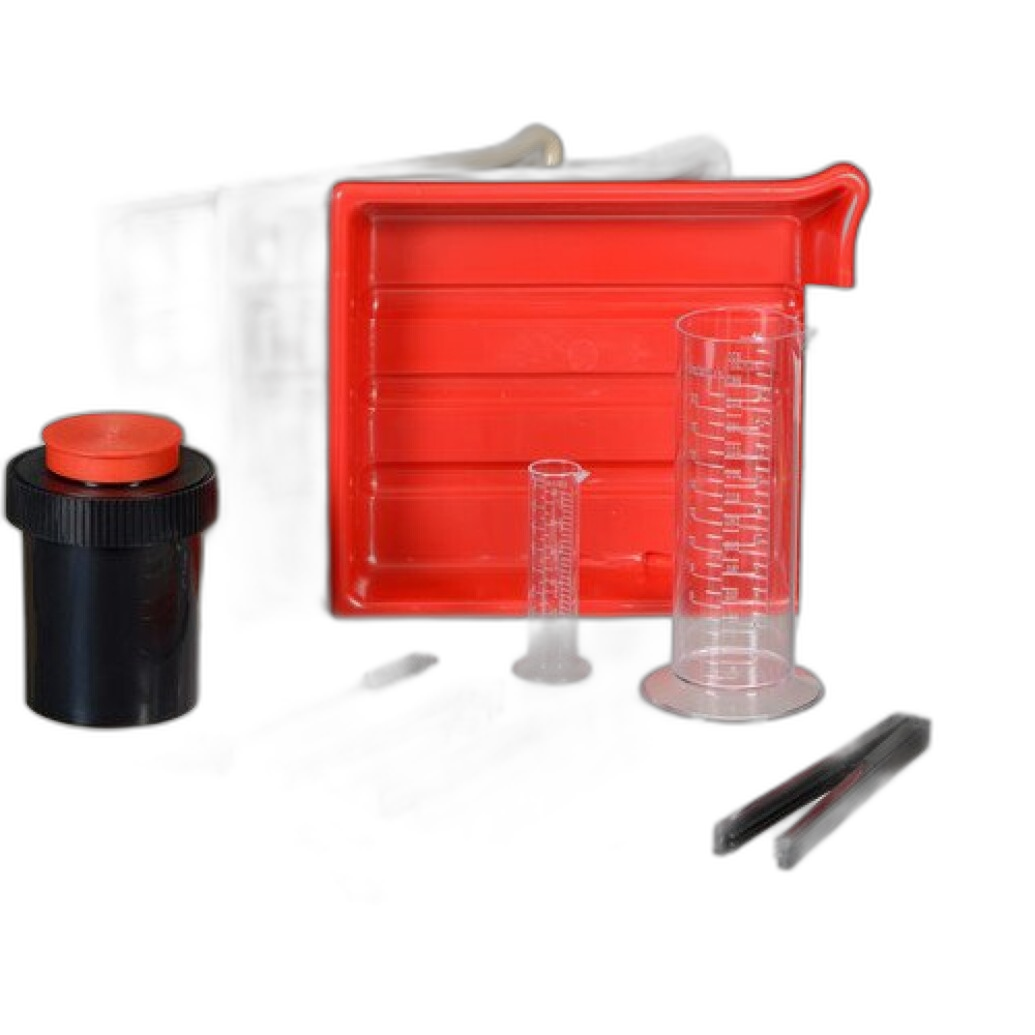
| Photographic Darkroom Film and Paper Developing Kit | Budget-friendly starter setup | Bundles core tools in one purchase | Missing essential accessories at the start | Starter Kit |
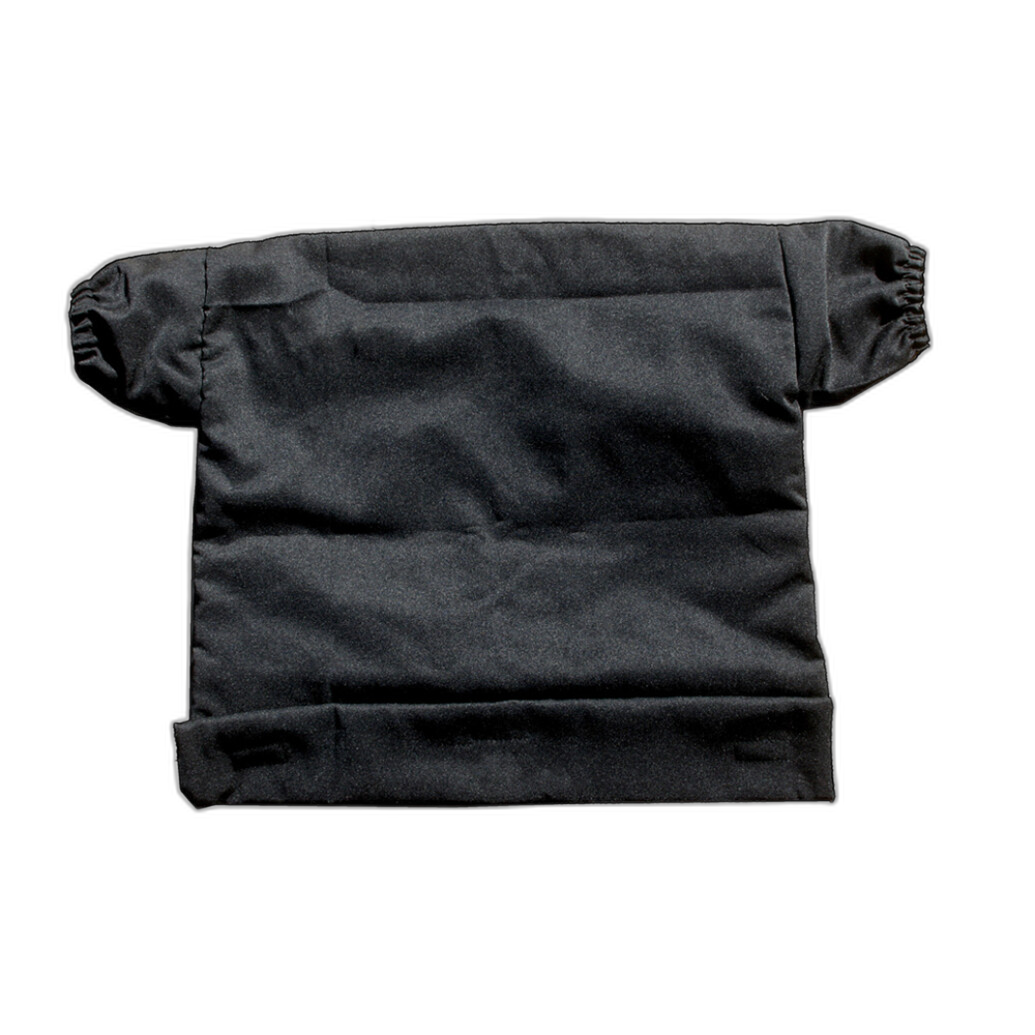
| Paterson Changing Bag 27.5x27.5 | Loading film without a darkroom | Makes film transfer possible anywhere | Fogged film from accidental light leaks | Film Handling Accessory |
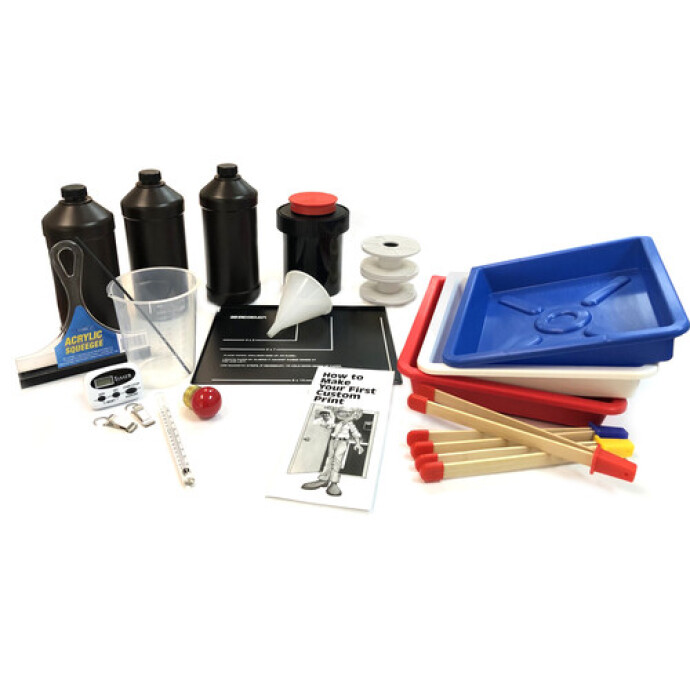
| Beseler Printmaker Darkroom Kit | Broader darkroom learning | Good for users planning to expand into printing | Outgrowing a minimal setup too quickly | Darkroom Kit |
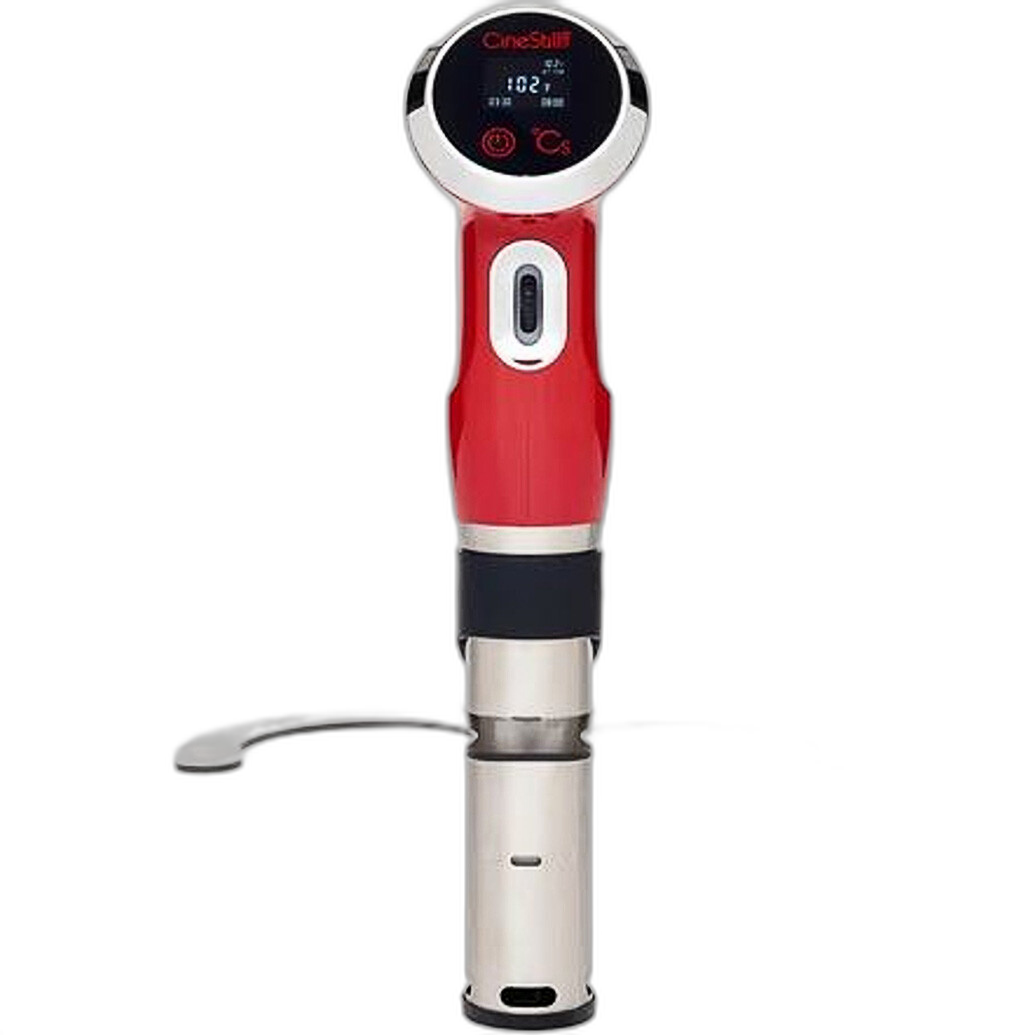
| Cinestill TCS-1000 Temperature Control System | Precise chemistry temperature management | Improves consistency, especially for color workflows | Temperature swings causing uneven results | Temperature Control |
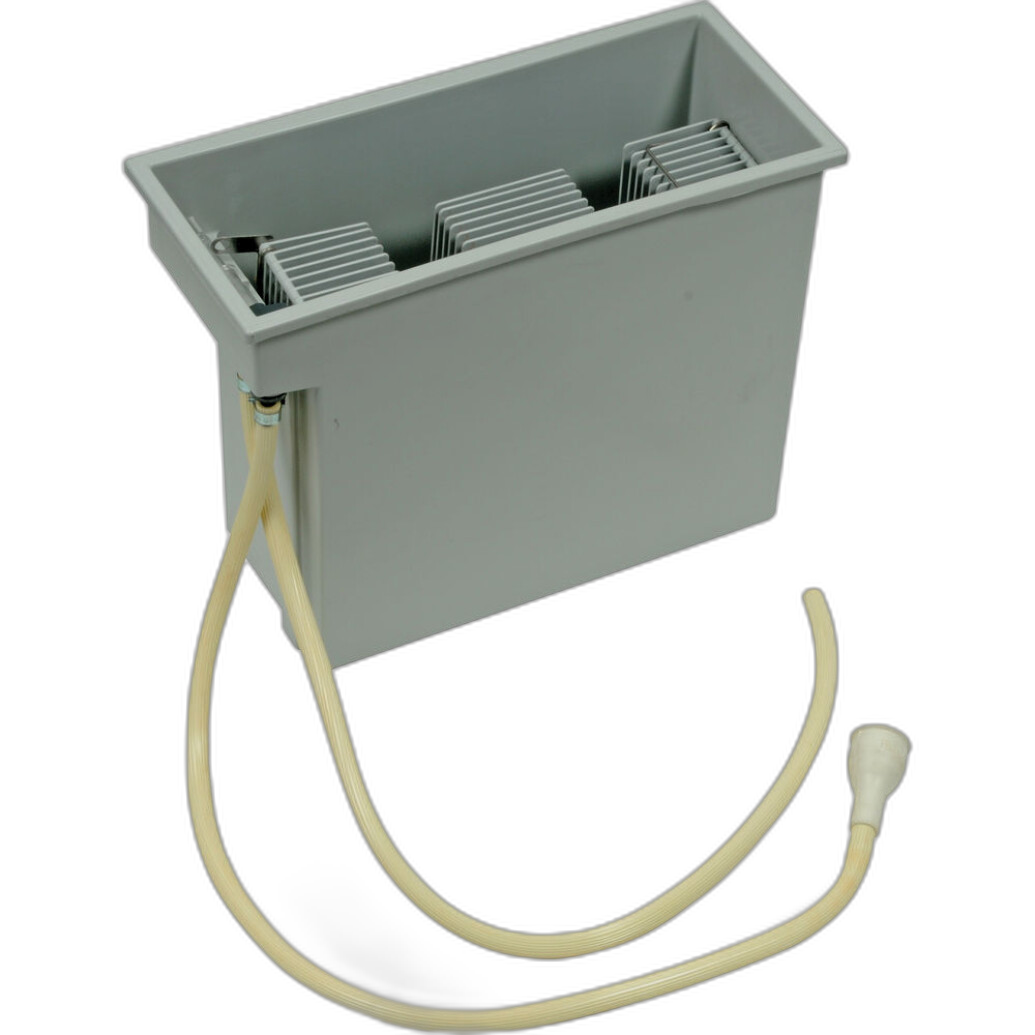
| Paterson Auto Print Washer Standard | Efficient print washing | Supports cleaner finishing workflow | Insufficient washing of prints | Print Washing |
| Paterson Auto Print Washer Major 12x16 | Larger print washing needs | Better for bigger darkroom ambitions | Poor archival washing on larger prints | Print Washing |
Common Beginner Mistakes and the Best Gear to Avoid Them
1. Mistake: Struggling to Load Film
One of the biggest early frustrations is simply getting exposed film onto a reel. If loading goes badly, you can kink film, cause uneven development, or accidentally expose it to light. For absolute beginners, the Lomography Lomo Daylight Developing Tank 35 mm stands out because it is designed to simplify one of the hardest first steps. A daylight-friendly workflow can make the process feel far less intimidating than traditional tank loading.
If you’re using a more traditional reel-and-tank system, the Paterson Changing Bag 27.5x27.5 is a smart addition. It gives you a portable dark workspace, especially if you don’t have a dedicated darkroom. That can make the difference between confidence and ruined rolls.
2. Mistake: Buying Too Little or Too Much Gear
Beginners often either buy a random collection of pieces that doesn’t fully work together, or overspend on a setup that’s too advanced for their needs. This is where kits can help. The Photographic Darkroom Film and Paper Developing Kit is the simpler entry point in this comparison, offering a practical way to get started without hunting down every item separately.
The Beseler Printmaker Darkroom Kit, on the other hand, makes more sense for someone who already knows they want a fuller darkroom experience and may move beyond basic film developing into printing. For a total beginner focused on learning the fundamentals, the Generic kit is likely less overwhelming. For someone thinking longer-term, the Beseler kit may provide better room to grow.
3. Mistake: Ignoring Temperature Control
Inconsistent temperature is one of the most common causes of inconsistent development, especially with color film but also with black-and-white chemistry where repeatability matters. Many beginners assume “close enough” is fine, then wonder why negatives vary from roll to roll.
The Cinestill TCS-1000 Temperature Control System is the most specialized tool in this group, but it addresses one of the biggest quality-control issues in home processing. If your goal is consistency, especially for C-41 or other temperature-sensitive processes, this is the product that most directly reduces mistakes. It may not be the first purchase for every beginner, but it quickly becomes valuable once you care about repeatable results.
4. Mistake: Overlooking the Finishing and Washing Stage
Developing is only part of the process. Beginners often focus so much on chemistry and tanks that they neglect proper washing and finishing. For photographers moving into darkroom printing, that can affect print longevity and cleanliness.
The Paterson Auto Print Washer Standard is better suited to modest print workflows, while the Paterson Auto Print Washer Major 12x16 is the better fit for larger print sizes and bigger ambitions. These aren’t first-purchase essentials for everyone, but they’re worth comparing if your version of “home developing” includes a print workflow rather than just negatives.
Category-by-Category Analysis
Best for Absolute Beginners
The Photographic Darkroom Film and Paper Developing Kit is the easiest recommendation for a beginner who wants a straightforward starting point. It lowers the risk of forgetting an essential piece and keeps the learning curve manageable.
Best for Simplifying Film Loading
The Lomography Lomo Daylight Developing Tank 35 mm is especially appealing for new film shooters nervous about the loading stage. If loading anxiety is what’s keeping you from trying home development, this style of tank is very compelling.
Best Add-On for Small Spaces
The Paterson Changing Bag 27.5x27.5 is the best support tool for users without a dedicated darkroom. It’s one of the most practical beginner purchases because it solves a real logistical problem immediately.
Best for Consistent Results
The Cinestill TCS-1000 Temperature Control System is the strongest choice for improving process consistency. It’s less about getting started cheaply and more about avoiding one of the most common technical mistakes once you begin developing regularly.
Best for Building a More Complete Darkroom
The Beseler Printmaker Darkroom Kit makes more sense for the beginner who already knows they want to go beyond the basics. It’s a bigger commitment, but potentially a smarter one for a dedicated home darkroom setup.
Our Pick
Our Pick: Photographic Darkroom Film and Paper Developing Kit
For most beginners, this is the most practical place to start. It addresses the most common early mistake—starting without a complete, usable setup—and offers a balanced entry into home developing without the added complexity of specialty tools. If you later want to improve consistency, adding the Paterson Changing Bag or Cinestill TCS-1000 is a logical next step.
If your single biggest concern is loading film easily, the Lomography Lomo Daylight Developing Tank 35 mm is the strongest alternative pick.
Conclusion
The best way to avoid common home developing mistakes is to match your gear to your actual experience level and workflow. A good starter kit prevents missing-piece frustration, a changing bag protects your film during loading, and temperature control helps you achieve more repeatable results. If you’re building your first home developing setup, Unique Photo offers the tools to start simple and upgrade intelligently as your confidence grows.