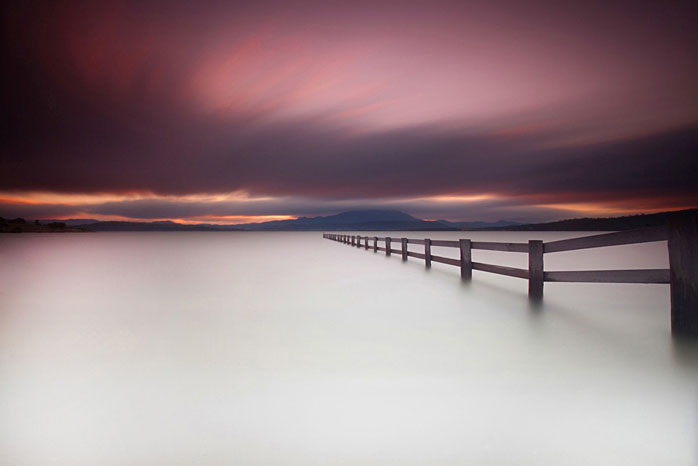
[caption id="attachment_15649" align="aligncenter" width="502"]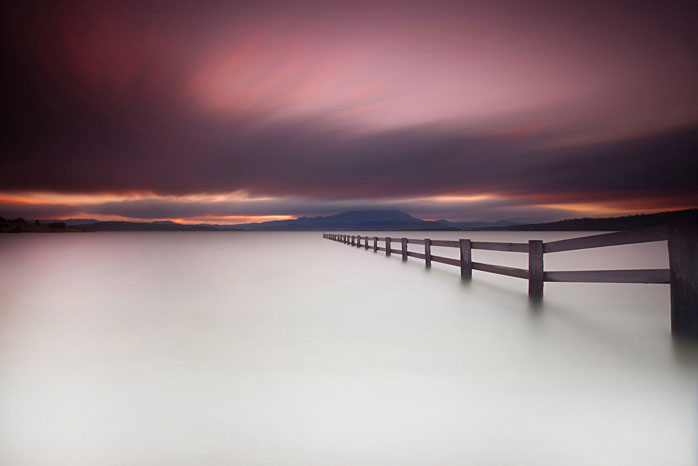 Copyright Alex Wise[/caption]
All of this rain in New Jersey really sucks. The endless gray makes me pine for my past trips to Florida and Mexico, with the sapphire-blue skies and wispy-white clouds that hovered by as I sipped a beer. A few weeks ago, I went back to look at these photos, and as nice as they were, I knew they had been taken many times before by other people. That's when it hit me: I had a 6-stop neutral density filter in my photo pack, and I've never used it. Thus, I had my idea for taking shots that most people wouldn't take.
[caption id="attachment_15633" align="aligncenter" width="500"]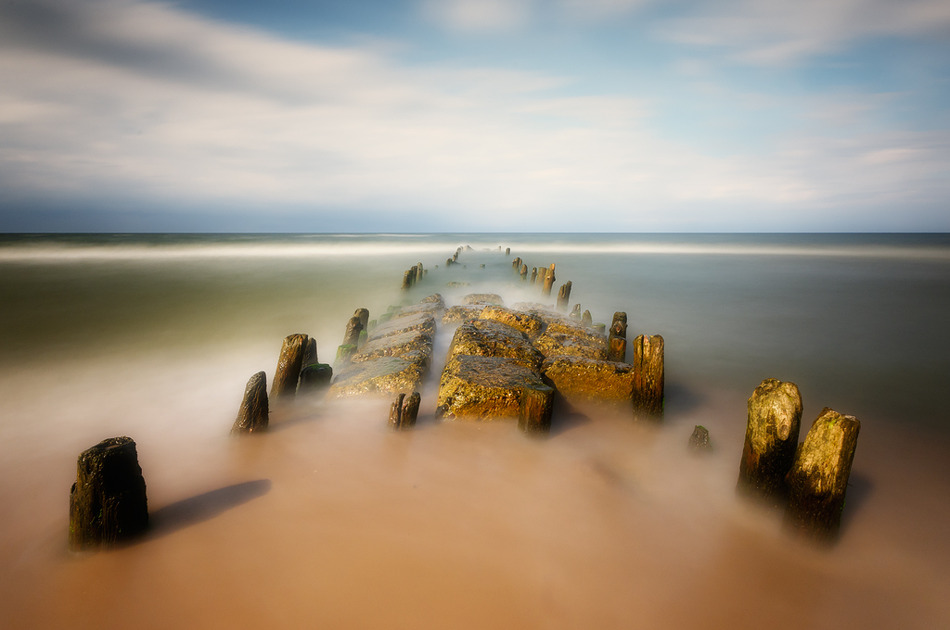 Sea Road by Piotr Krol[/caption]
For those who don't know, neutral density filters are basically tinted glass that cuts down on the light entering the camera through the lens. Most buy neutral density filters to bring shutter times down a tad for flowing water or simply to shoot a little slower during the daytime. But 6 and 10 stop neutral density filters (often referred to as ND64 and ND110, respectively), have a dramatic effect on daylight photos. As in the photo above, it's possible to take 30-second or longer exposure times under sunlight, which creates an ethereal look for images. Most notably, water and clouds blur as they would in night photography. The filters can also demonstrate movement of people, as seen below.
[caption id="attachment_15634" align="aligncenter" width="500"]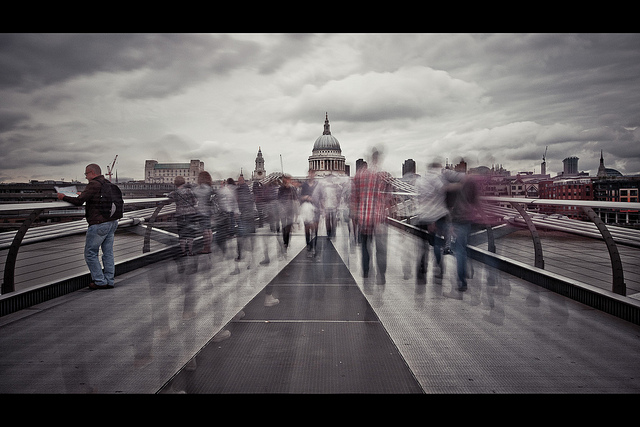 Big City Bustle by Flickr user Vaidas M[/caption] [caption id="attachment_15643" align="aligncenter" width="512"]
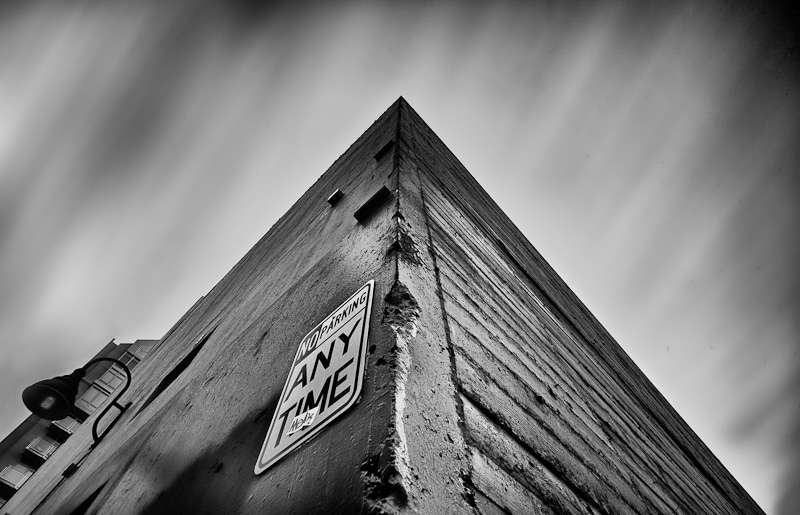 Copyright Flickr user liquid in plastic[/caption]
An obligatory accessory for this setup is, quite obviously, a tripod. The above photo by a Flickr user was exposed for 5 minutes and 15 seconds at f/11, and not even a monopod can steady a photo for that long. The essentials: if you decide to buy one of these and have a decent tripod, go out and experiment with this technique! It can change the character of ordinary skies and water and turn the static nature of your photos into something kinetic.
Tim Kauger is a blogger and photographer based in Short Hills, NJ. You can visit his website here.