Gimbals vs. IBIS: What Actually Makes Handheld Video Look Better?
If you shoot handheld video, the debate between a dedicated gimbal and in-body image stabilization (IBIS) comes up fast. Modern cameras promise impressively stable footage straight out of the body, while 3-axis gimbals still remain the go-to tool for floating movement, walk-and-talk shots, and polished tracking sequences. The truth is that neither system fully replaces the other. Instead, each solves a different problem, and the right choice depends on how you shoot, what camera you use, and how cinematic you want your motion to feel.
For most creators, IBIS is the convenience-first solution. It is always there, requires no balancing, and works beautifully for static handheld framing, subtle motion, and fast-paced documentary shooting. A gimbal, on the other hand, is a purpose-built stabilization tool for movement. It excels when your body is in motion and you want footage that feels intentionally gliding rather than merely corrected.
In practical use, the question is less which one is better overall and more which one matters more for your style of handheld video. For quick shoots, travel, and hybrid photo/video work, IBIS may matter more. For real estate, weddings, branded content, music videos, and cinematic B-roll, a gimbal often makes the bigger visual difference. Retailers like Unique Photo carry options across both lightweight and pro-level classes, making it easier to match the tool to the shooter rather than forcing one answer for everyone.
Why IBIS Is So Important for Everyday Video
Always-On Convenience
The biggest advantage of IBIS is speed. If your camera has effective stabilization built into the sensor, you can pick it up and start shooting immediately. There is no balancing procedure, no battery management for a second device, and no added rig bulk. For event shooters, journalists, travel creators, and solo operators, that convenience is massive.
Better for Unpredictable Shooting
IBIS shines when the shot changes faster than your setup can. If you move from a handheld interview clip to detail B-roll to a quick vertical social segment, IBIS keeps you nimble. It can also pair well with optically stabilized lenses for even more correction. While it will not create the same drifting, crane-like movement as a gimbal, it does smooth out micro-jitters and makes handheld footage more usable in real-world conditions.
Best for Smaller Crews and Run-and-Gun Work
When you need to stay light, IBIS often matters more because it removes friction. The less your stabilization setup interrupts the pace of production, the more likely you are to get the shot at all. For documentary-style work, where authenticity and speed matter more than perfectly floating movement, IBIS is often the smarter choice.
Why a Gimbal Still Wins for Cinematic Motion
Movement Stabilization, Not Just Shake Reduction
IBIS reduces shake. A gimbal controls motion. That distinction matters. Once you start walking, orbiting a subject, revealing a room, or following a person through space, a quality gimbal dramatically changes the look of the footage. Instead of handheld realism, you get smoother, more directed movement that feels intentional and production-ready.
Superior Results for Walking Shots
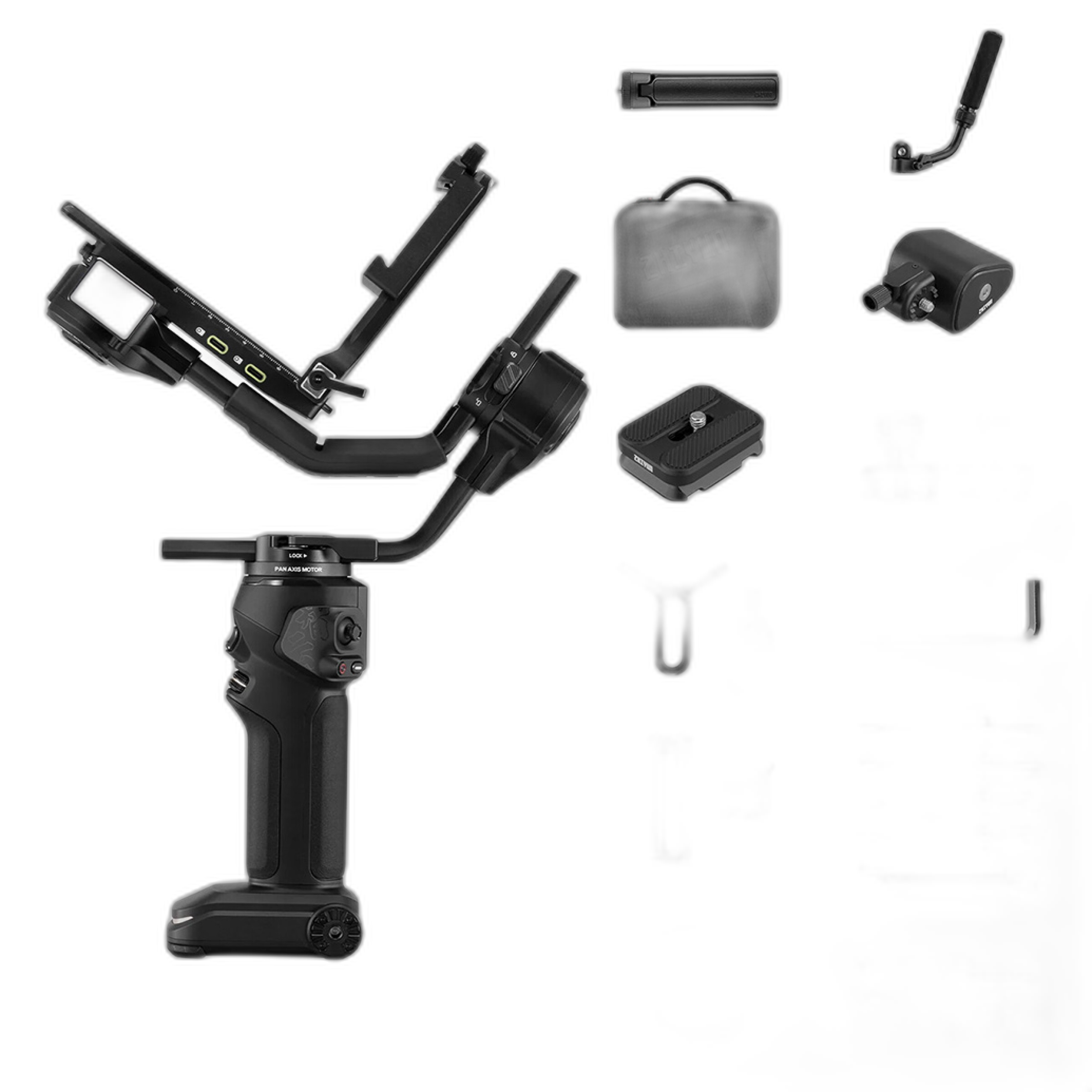
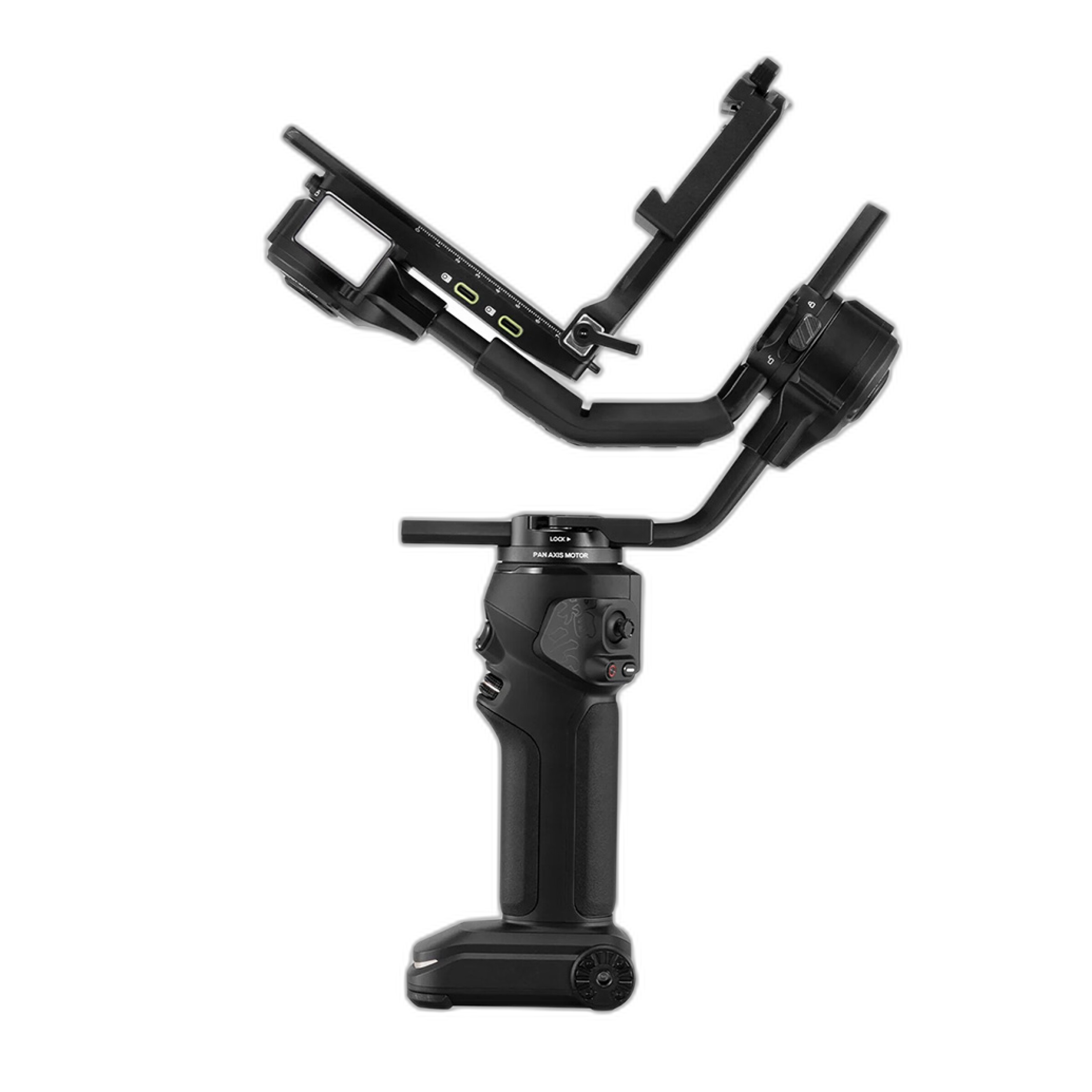
Even excellent IBIS can struggle with vertical bounce, rolling corrections, or visible warping with wide lenses and aggressive digital stabilization. A dedicated motorized stabilizer is designed to counteract these issues mechanically. That is why a product like the Zhiyun CRANE 4 3-Axis Handheld Gimbal Stabilizer Combo Kit stands out for shooters using larger mirrorless rigs and wanting more advanced handheld movement control.
Better for Repeated, Professional Camera Moves
If your work includes weddings, commercial reels, property tours, or client-facing video production, consistency matters. A gimbal helps repeat smoother moves from take to take, especially when using heavier camera/lens combinations. That reliability is difficult to replicate with IBIS alone.
Product Perspective: Which Gimbals Make the Strongest Case?
Zhiyun CRANE 4: Best Argument for Serious Camera Rigs
The Zhiyun CRANE 4 makes the clearest case for why gimbals still matter. It is built for creators using more substantial camera setups who need controlled, cinematic handheld motion. Compared to relying solely on IBIS from a mirrorless body, a tool like this expands what handheld video can look like in client work. It is especially compelling for filmmakers who regularly shoot moving subjects, walkthroughs, and stylized B-roll.
Its tradeoff is obvious: setup time, added weight, and more gear to carry. But if your footage quality depends on polished motion rather than mere steadiness, that investment pays off.
Zhiyun CRANE M3S: The Practical Middle Ground
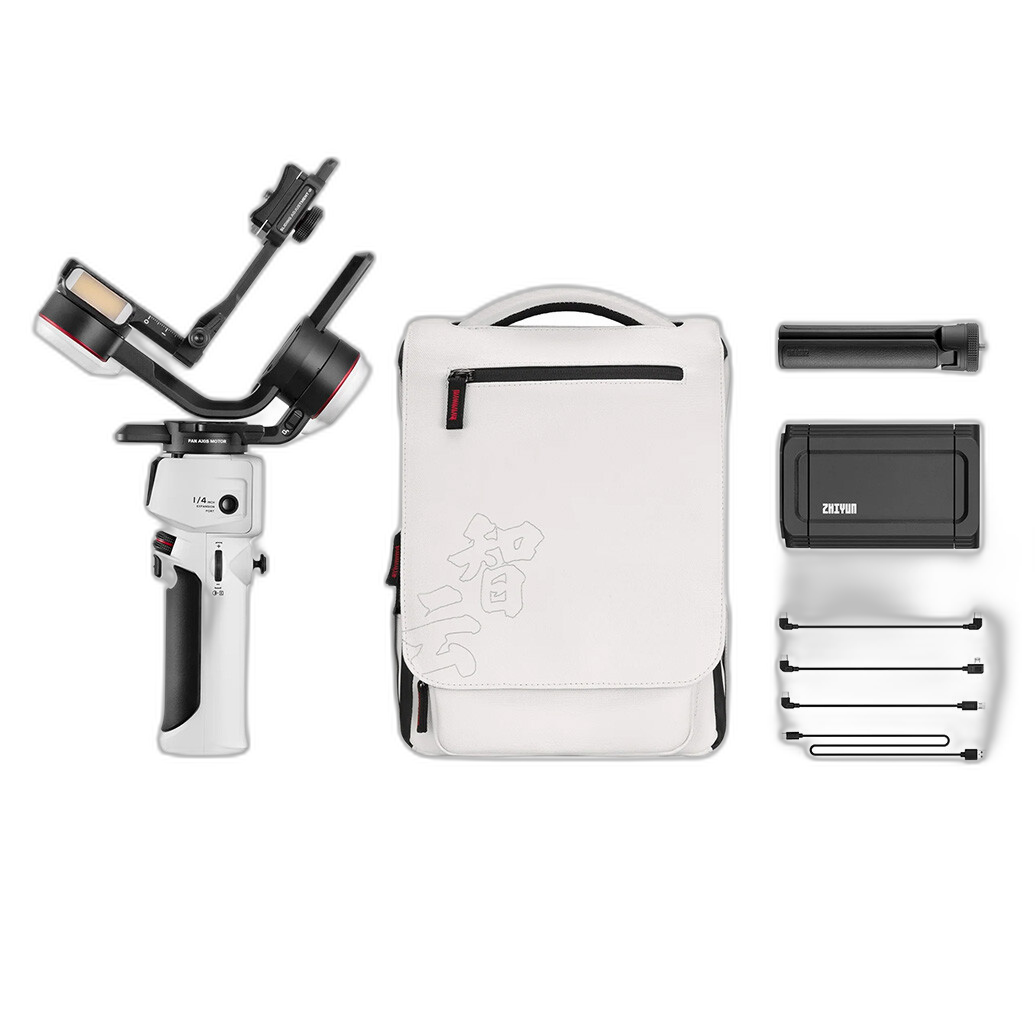
The Zhiyun CRANE M3S Handheld Gimbal Stabilizer Combo is the more balanced answer for many modern creators. It represents the sweet spot between portability and performance. If your camera already has decent IBIS but you still want a dedicated stabilization tool for select shots, the M3S category makes a lot of sense. It is easier to justify for hybrid shooters who do not want a large cinema-oriented rig but still want cleaner movement than IBIS can offer alone.
DJI RS 4 Pro Combo: For Operators Who Need Maximum Control
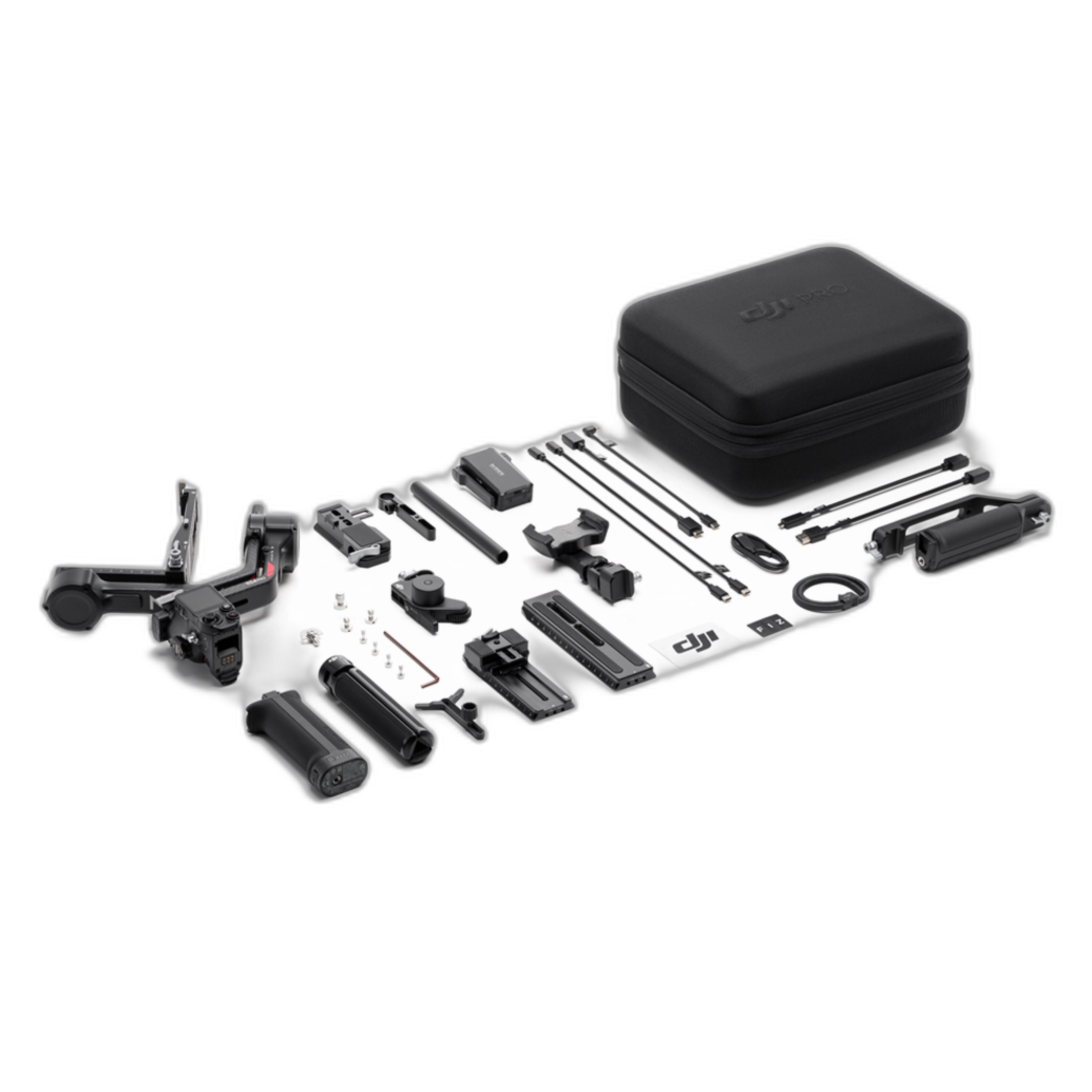
The DJI RS 4 Pro Combo represents the high-end side of the argument. If you are using larger payloads, complex accessories, or building a professional video kit around repeatable movement, a pro-grade gimbal like this matters more than IBIS by a wide margin. It is not the answer for casual handheld shooting, but for productions where stabilization is part of the visual language, this class of tool remains hard to beat.
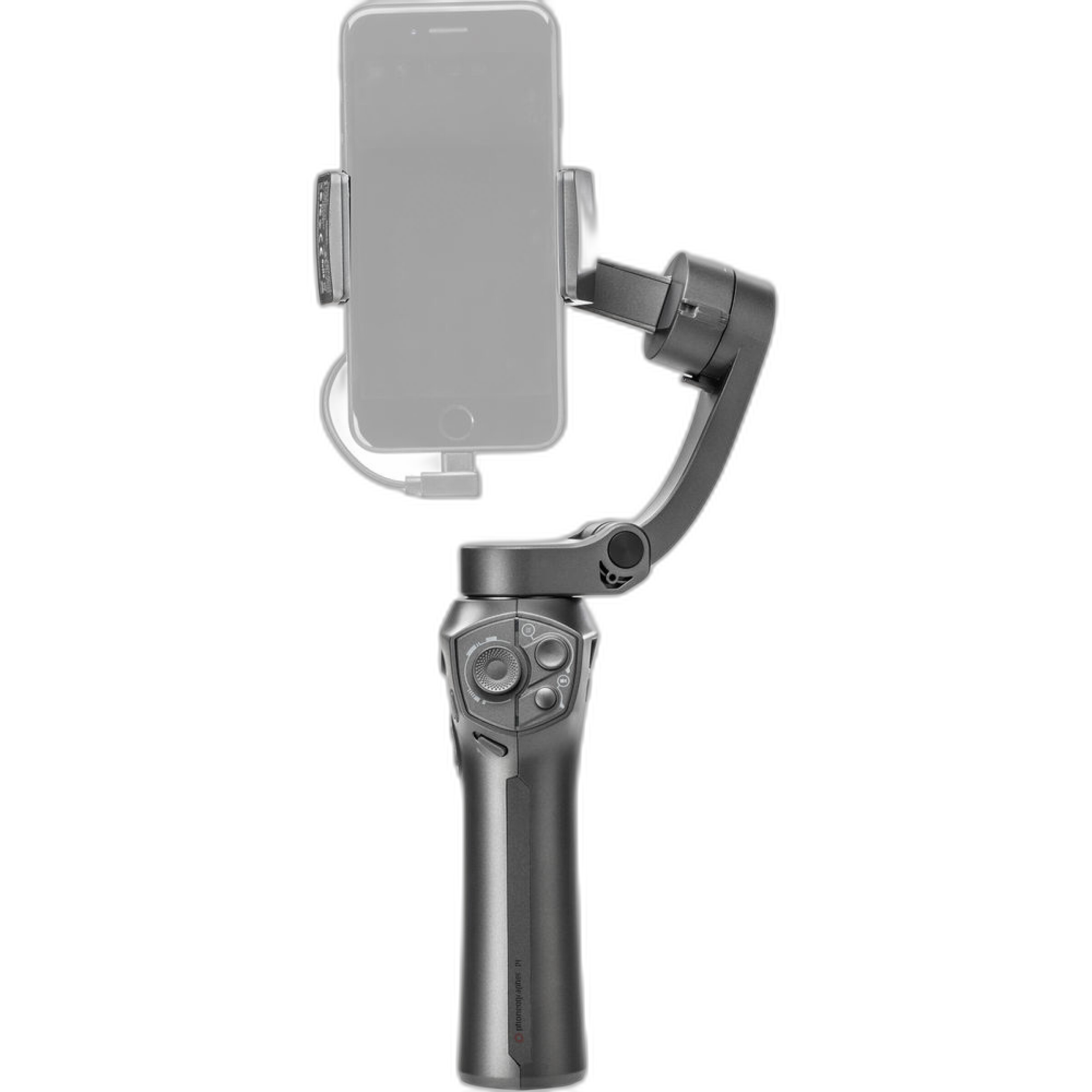
Benro 3 Axis Handheld Gimbal for Smartphone: Why Phones Need Help Too
Smartphones often use electronic and optical stabilization very effectively, but a handheld smartphone gimbal still improves deliberate motion. The Benro 3 Axis Handheld Gimbal for Smartphone is a reminder that stabilization is not only about removing shake; it is also about controlling movement language. If your phone footage needs to feel more cinematic and less casual, a compact gimbal can matter more than the phone's built-in stabilization alone.
Where IBIS Matters More Than a Gimbal
Documentary, Travel, and Fast Event Coverage
If you are constantly changing lenses, moving in crowds, or grabbing moments as they happen, IBIS often delivers the higher real-world value. It reduces gear fatigue, keeps the camera compact, and works for both video and stills. For travel creators especially, an IBIS-equipped camera is often the system backbone, while a gimbal becomes optional rather than essential.
Long Shoot Days and Lightweight Kits
A gimbal can absolutely improve footage, but it also adds fatigue. Over long days, that matters. Many shooters discover that the best camera support system is the one they will actually keep using. IBIS wins a lot of handheld situations simply because it stays active with no extra effort.
Where a Gimbal Matters More Than IBIS
Real Estate, Weddings, Commercial B-Roll, and Music Video Work
These categories benefit heavily from smooth, directed movement. Clients notice motion quality, even if they do not know why one shot feels more expensive than another. In these jobs, a gimbal often matters more because the movement itself becomes part of the deliverable.
Heavier Setups and Specialized Motion
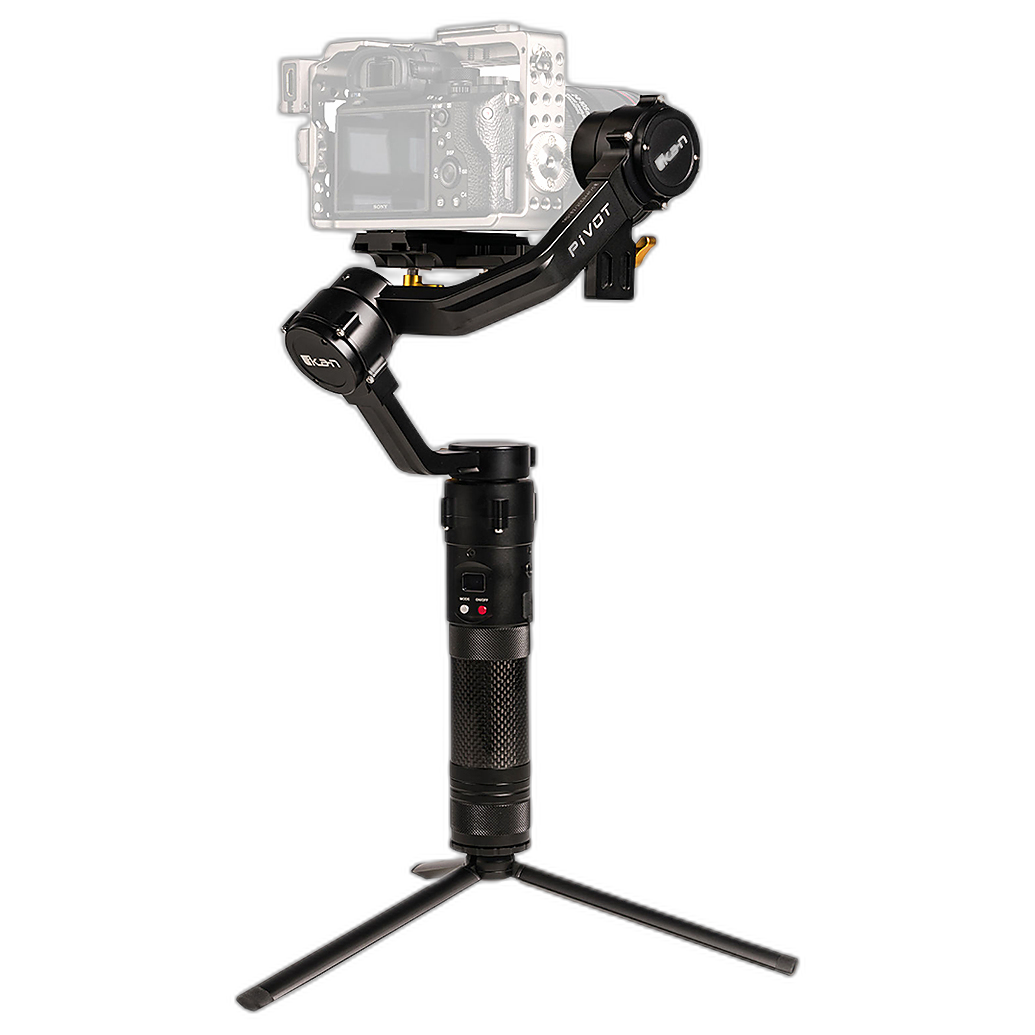
Once you are working with larger lenses, external monitors, microphones, or cine accessories, IBIS alone cannot solve the mechanical instability of the whole rig. A dedicated 3-axis system is built for that task. Even used options available through Unique Photo, such as the Used ikan PIVOT Angled 3-Axis Handheld Gimbal Stabilizer or Used Nebula 4000 Lite 3-Axis Handheld Gimbal Stabilizer, can be worthwhile entry points for creators building stabilization into their workflow on a tighter budget.
Can You Use Both Together?
Yes, but Carefully
The best answer for many shooters is both. IBIS plus a gimbal can produce excellent results, but camera settings matter. In some setups, combining strong sensor correction with motorized stabilization can create odd corrections, edge warping, or subtle horizon behavior. Testing is key. Many operators prefer turning down digital stabilization while keeping either lens stabilization or a moderate IBIS mode active when mounted on a gimbal.
The Hybrid Approach Is Often the Smartest One
For many creators, the ideal setup is an IBIS-equipped camera for general shooting and a compact gimbal for planned motion shots. That way, you are not forced to commit to a gimbal for everything, but you still have the tool available when the visual payoff justifies it.
Pros and Cons
Pros of IBIS
- Always available with no extra setup
- Excellent for run-and-gun and documentary-style shooting
- Keeps your kit lighter and faster to operate
- Works well for subtle handheld correction
- Ideal for hybrid photo/video creators
Cons of IBIS
- Cannot fully replicate controlled cinematic movement
- Less effective for walking and tracking shots
- May introduce warping or correction artifacts in some modes
- Performance varies significantly between camera systems
Pros of Gimbals
- Far better for smooth walking, orbiting, and reveal shots
- Creates more polished, professional-looking motion
- Useful across many camera systems, including phones and mirrorless bodies
- Essential for many commercial and client-driven video styles
- Options range from compact travel models to pro cinema stabilizers
Cons of Gimbals
- Require balancing and setup time
- Add weight and fatigue during long shoots
- Need separate charging and transport considerations
- Can slow you down in fast-changing environments
Verdict: Which Matters More?
If you shoot spontaneous, fast-moving, real-world video, IBIS probably matters more on a day-to-day basis. It improves footage constantly, asks almost nothing of you, and keeps the camera agile. But if your goal is cinematic handheld motion, a gimbal matters more. It is still the better tool for truly smooth movement and for making handheld video look intentionally crafted rather than simply stabilized.
The simplest recommendation is this: IBIS is more important for convenience, but a gimbal is more important for style. If your work depends on visual polish, a dedicated stabilizer like the Zhiyun CRANE 4, Zhiyun CRANE M3S, or DJI RS 4 Pro Combo is the stronger investment. If you value speed and flexibility above all, prioritize a camera with strong IBIS and add a gimbal later.
For creators ready to compare stabilization tools in person or shop new and used options, Unique Photo is an excellent place to buy, with choices ranging from smartphone-friendly models to advanced professional gimbals.