If you are building a compact video kit, choosing the right gimbal for a lightweight mirrorless setup can make handheld footage look dramatically smoother without turning your camera bag into a burden. For creators shopping at Unique Photo, the sweet spot is often a small-to-mid-size 3-axis gimbal paired with a compact mirrorless body, a lightweight lens, and a few balancing accessories that help you work faster on location.
Whether you shoot travel films, weddings, social clips, real estate, or YouTube content, the best gimbal setup is not just about payload. It is also about balance speed, battery life, camera size, grip comfort, and how easily your rig transitions from tripod to handheld to vehicle shots.
What makes a mirrorless camera setup ideal for a lightweight gimbal?
The best lightweight mirrorless gimbal setups usually share a few traits: a compact camera body, a moderate lens, dependable autofocus, and a total rig weight that stays comfortably under the gimbal's real-world operating limit. On paper, many gimbals support more weight than you will actually want to carry for a long day. In practice, lighter systems are easier to balance, faster to reposition, and less tiring during extended shoots.
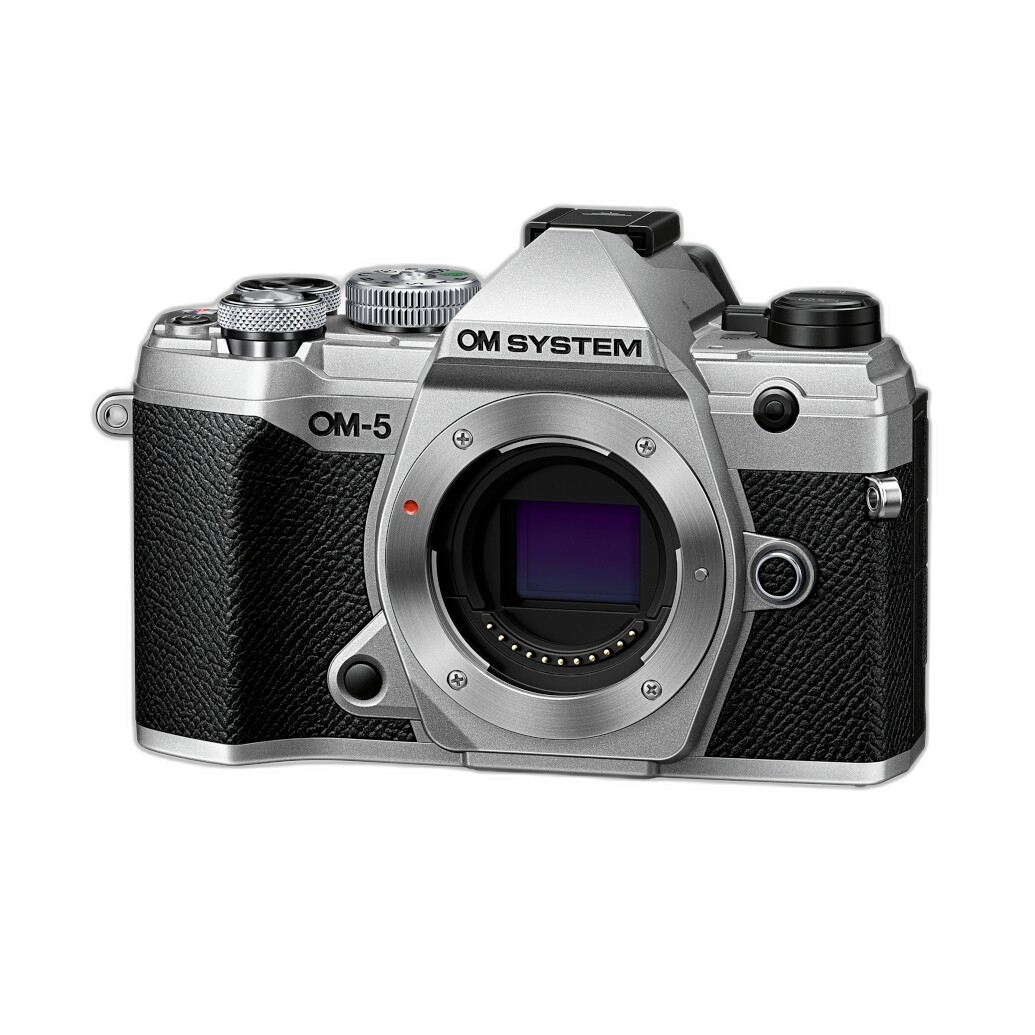
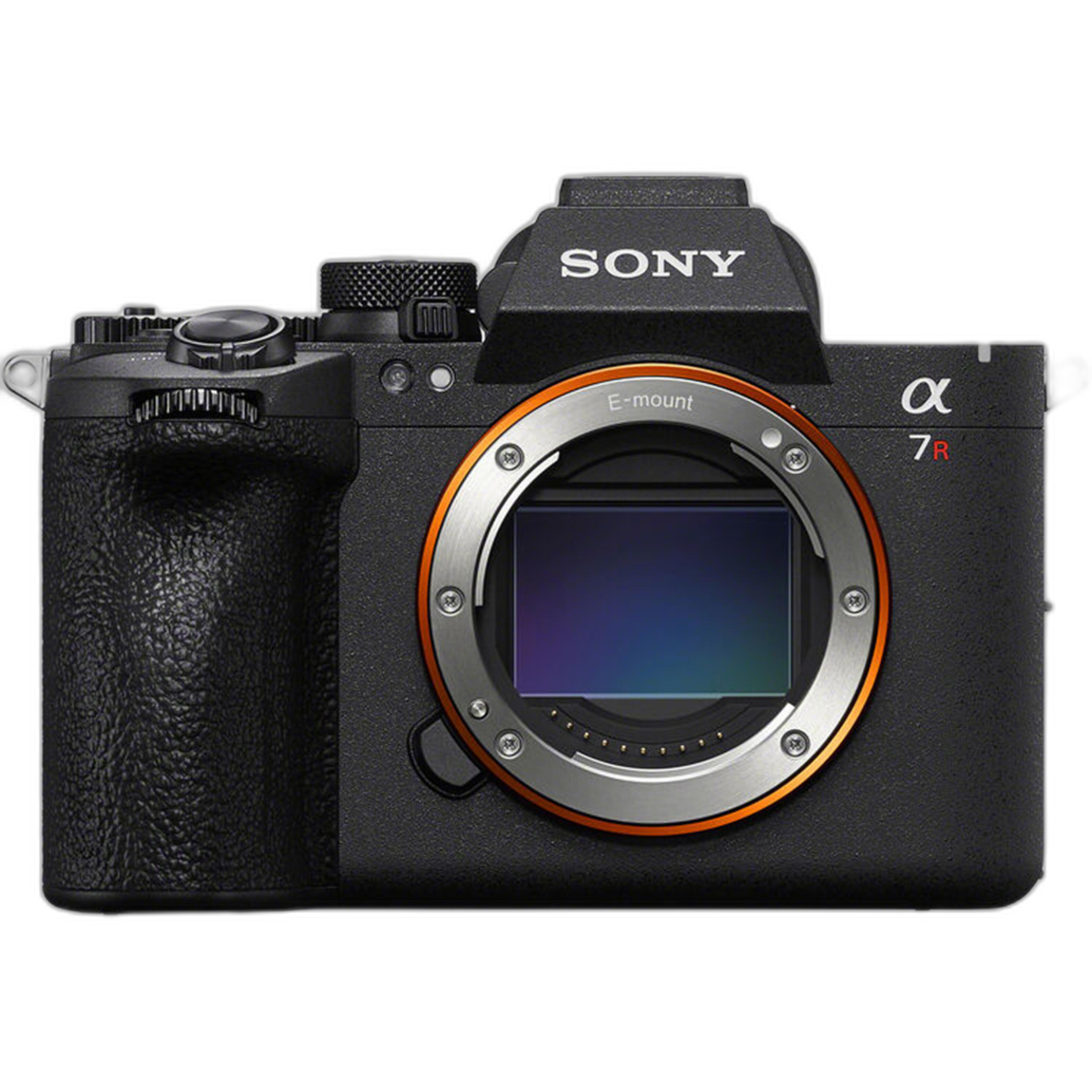
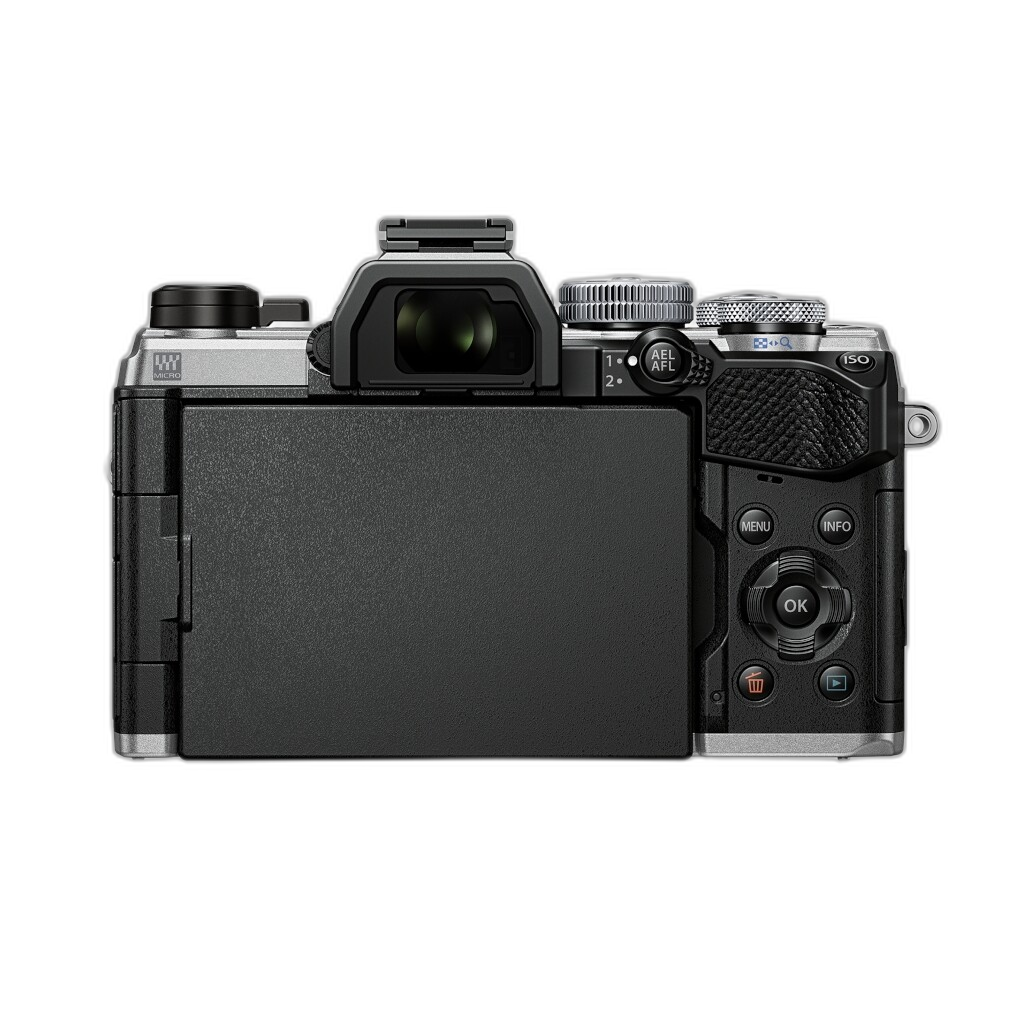
Cameras like the OM SYSTEM OM-5 Mirrorless Camera are attractive choices for lightweight stabilization because the body is compact and travel-friendly. A smaller body can also leave more room on the roll axis, which helps avoid interference when using wider lenses or flip screens. At the other end of the spectrum, a higher-resolution full-frame body such as the Sony a7R VI Mirrorless Camera can still work well on a compact gimbal when paired with a lighter prime or small standard zoom.
When shopping through Unique Photo, think in terms of the complete rig weight: camera, lens, memory card, battery, quick release plate, mic, and any cable needed for control. That full operating weight determines how stable and convenient your setup will feel.
How to choose the best gimbal for a lightweight mirrorless camera
If you are searching for the best gimbal for a lightweight mirrorless camera, prioritize these factors:
- Payload headroom: Leave margin beyond your setup weight so motors do not strain.
- Arm clearance: Compact bodies balance more easily, but lens length still matters.
- Battery life: Long event days and travel shoots demand more runtime.
- Setup speed: Locking axes, memory marks, and fast plates save time.
- Portability: Foldable designs are easier to travel with.
- Control options: App tuning, joystick response, and subject tracking support can matter for solo shooters.
For many creators, a small gimbal is ideal with Micro Four Thirds and APS-C bodies, while a mid-size gimbal is often the better choice for full-frame mirrorless cameras. If you use a compact full-frame camera with a light prime, you can still benefit from a travel-oriented gimbal, but once your lens gets larger, stepping up in size improves reliability.
Best lightweight mirrorless camera and lens combinations for gimbal use
The easiest gimbal setups to live with are usually the simplest. A compact body with a lightweight lens lets the motors stabilize motion without fighting unnecessary front-heavy weight. Here are the kinds of combinations that tend to work best:
- Micro Four Thirds body + compact prime: Excellent for travel, walking shots, and vlogging.
- APS-C body + small wide zoom: Great for real estate, events, and social content.
- Full-frame body + lightweight 24mm, 35mm, or 50mm prime: A practical option for cinematic handheld footage.
A camera like the OM SYSTEM OM-5 is especially appealing if your goal is a highly portable gimbal kit. Meanwhile, the Sony a7R VI can serve creators who want full-frame image quality but still need a rig that remains manageable on a modern compact stabilizer.
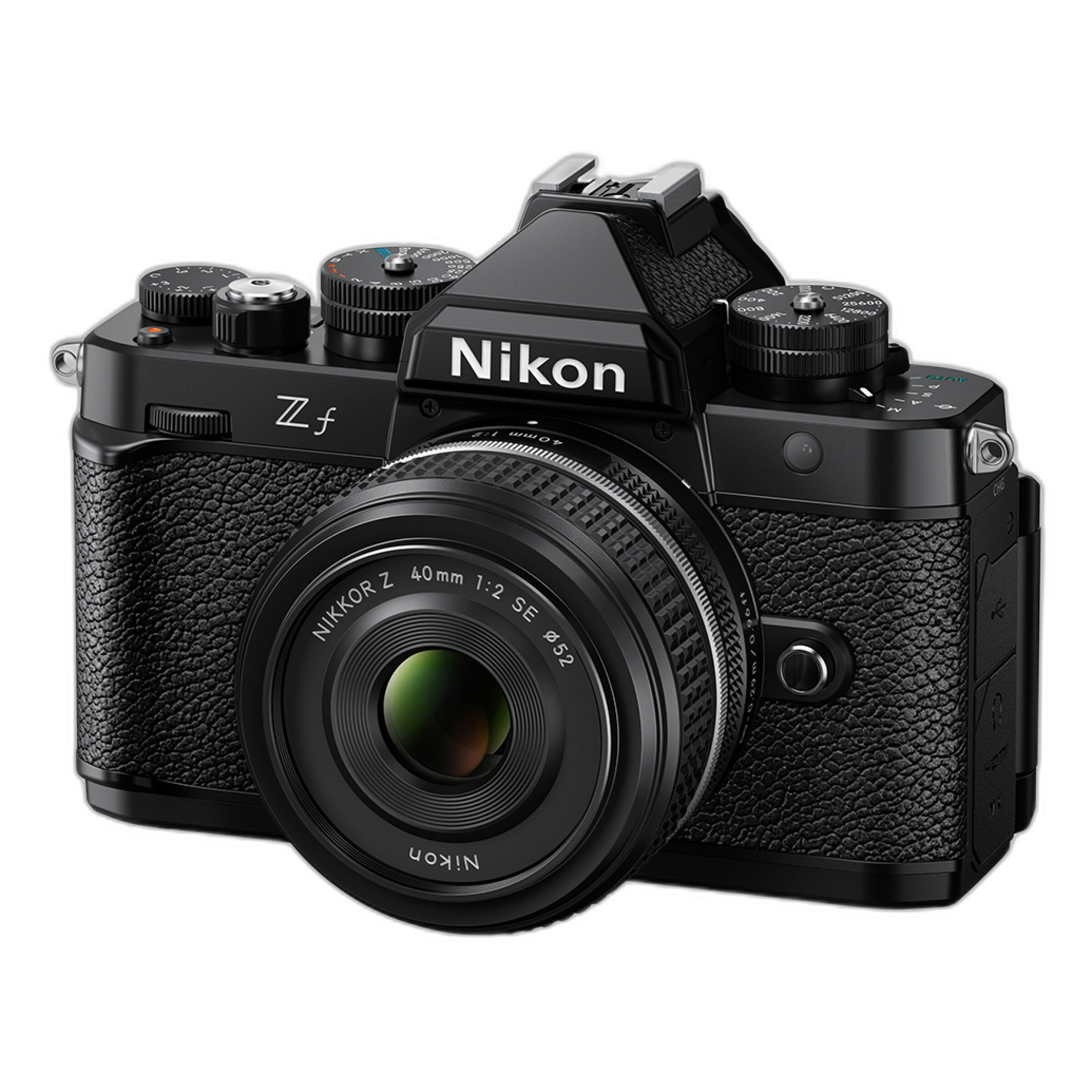
Even used camera options can be worth considering for creators building a value-focused video kit. For example, a compact retro-style body like the Used Nikon Zf Mirrorless Camera with 40mm f/2 SE Lens may appeal to hybrid shooters who want stills and video versatility in a relatively streamlined package, though lens length and grip shape should always be checked for clearance on your gimbal.
Can you use full-frame mirrorless cameras on a lightweight gimbal?
Yes, but with smart lens choices. Full-frame cameras are popular for their low-light performance, dynamic range, and subject separation, yet they can quickly push a lightweight gimbal toward its comfort limit. The key is keeping the lens compact and avoiding oversized accessories unless your stabilizer is rated for them.
The Sony a7R VI Mirrorless Camera is a good example of a camera that can be part of a lightweight gimbal workflow when built thoughtfully. Pairing it with a small prime often creates a more practical setup than mounting a heavy f/2.8 zoom. If you routinely use larger lenses, a slightly larger gimbal body is usually the better long-term solution.
By contrast, cameras like the Used Fair Canon EOS R3 Mirrorless Digital Camera generally fall outside what most shoppers mean by a lightweight mirrorless gimbal setup. While high-end bodies can absolutely be stabilized, they usually benefit from more robust support systems and are less ideal for creators focused on portability.

Accessories that improve balancing on lightweight gimbal rigs
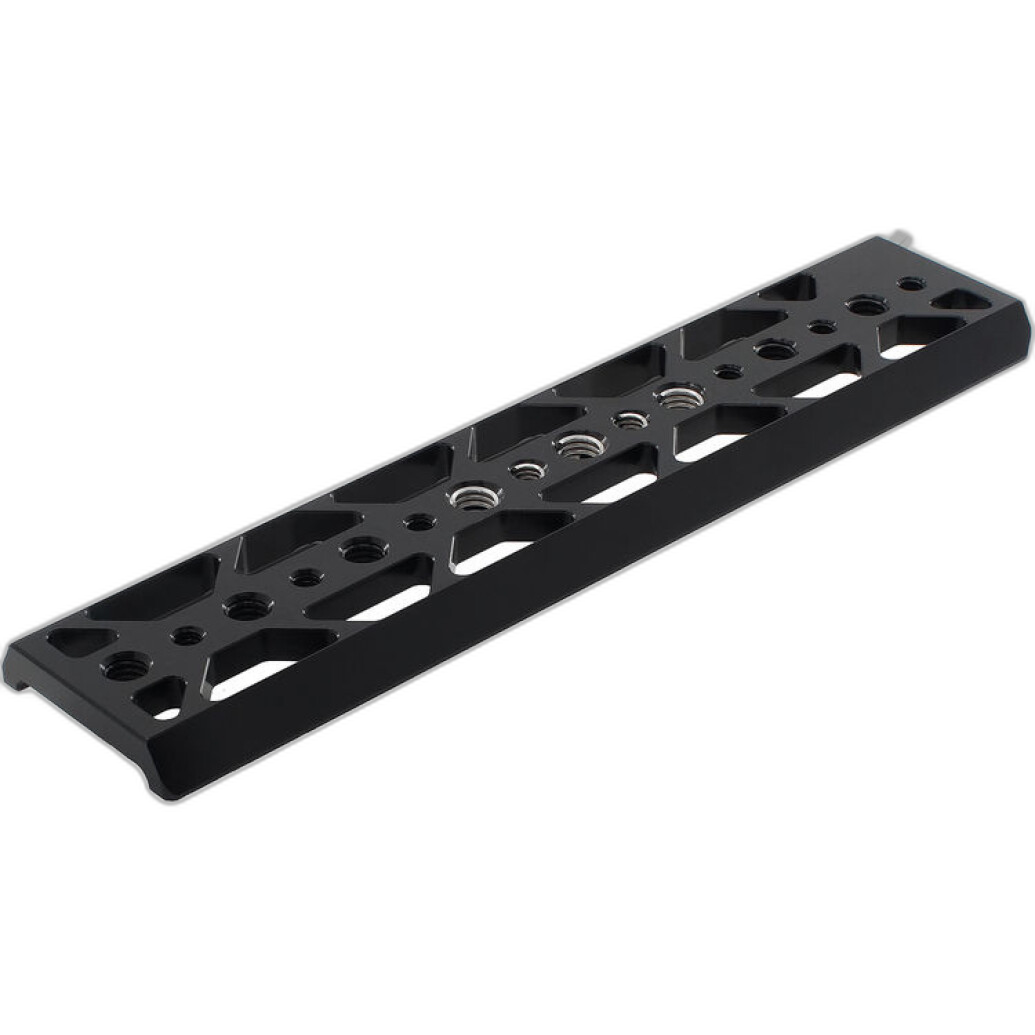
Balancing is easier when your camera plate and rig accessories support quick adjustments. This is where compact support components can be surprisingly useful. For example, the Tilta 10 Lightweight Dovetail Plate (Black) can be relevant for creators building modular rigs that need cleaner front-to-back adjustment and consistent mounting positions between support systems.
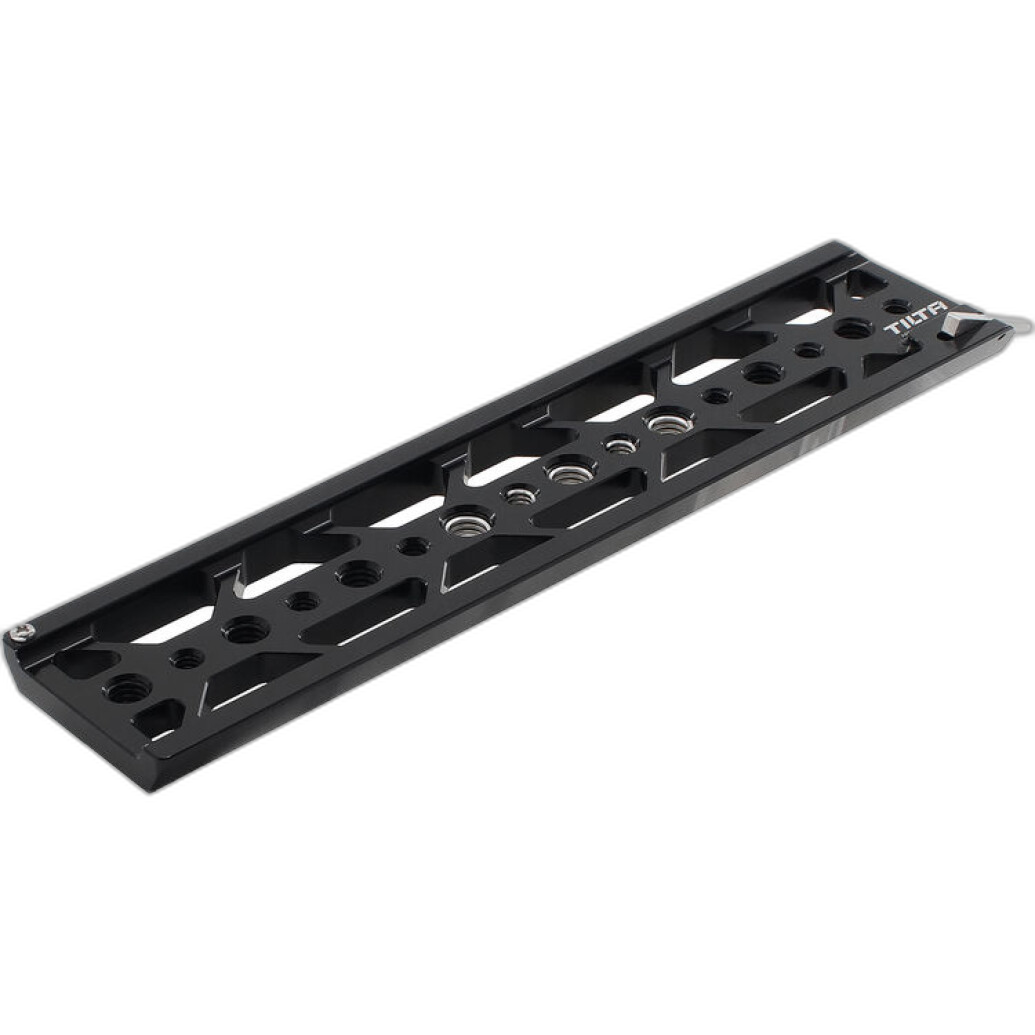
Useful accessories for lightweight gimbal setups include:
- Lightweight quick release or dovetail plates for repeatable balancing
- Low-profile cables that do not obstruct the roll arm
- Compact microphones instead of full-size on-camera audio gear
- Small batteries when possible to reduce overall load
- Counterweight or rear battery solutions only when required for unusual lens/body combinations
For more advanced builds, specialized mounting accessories like the Tilta Gimbal Ring Adapter for Mini V-Mount Battery Plate can help users who want improved power management or expanded rigging options. These are more niche additions, but they can be valuable for filmmakers turning a lightweight mirrorless setup into a more production-ready configuration.
Tips for balancing a mirrorless camera on a gimbal faster
One of the most common search questions around gimbals is how to balance a mirrorless camera quickly. The process gets easier with repetition, but a few habits make a big difference:
- Mount the exact lens you plan to use before balancing.
- Insert the battery and memory card first.
- Remove lens caps, oversized straps, and anything that shifts weight.
- Balance tilt, roll, and pan in sequence.
- Use plate markings so you can return to known positions later.
- Run the gimbal's auto-tune after manual balancing is complete.
If your camera drifts, buzzes, or vibrates, the issue is usually balance rather than motor strength. Buying a larger gimbal does not always solve poor balancing habits. Unique Photo shoppers often benefit most from building a lighter, simpler kit before adding complexity.
Best use cases for lightweight mirrorless gimbal setups
Lightweight mirrorless gimbals shine when mobility matters more than maximum payload. They are especially effective for:
- Travel filmmaking: Easier to pack and carry all day
- Wedding video: Fast transitions between ceremony, portraits, and reception coverage
- Real estate tours: Smooth walkthrough footage in tight interiors
- Content creation: Social clips, YouTube, and branded video with minimal crew
- Event coverage: Handheld stabilization without a large support rig
If your work frequently shifts between stills and video, a compact hybrid camera plus a lightweight gimbal offers a particularly versatile solution. The more quickly you can deploy the rig, the more likely you are to actually use it in the field.
Do you still need in-body image stabilization if you use a gimbal?
Yes, IBIS can still help, but it depends on the shot. A gimbal stabilizes broader movement across three axes, while in-body image stabilization can reduce micro-jitter and help when you are shooting static handheld footage without the gimbal. Some camera-and-lens combinations perform beautifully with both systems working together, while others may need testing to avoid small visual artifacts during movement.
This is one reason lightweight stabilized camera bodies remain so popular. A compact camera with strong autofocus and dependable stabilization gives you more flexibility whether you are on a gimbal, monopod, tripod, or shooting handheld.
Learning to get better footage from your Sony mirrorless gimbal setup
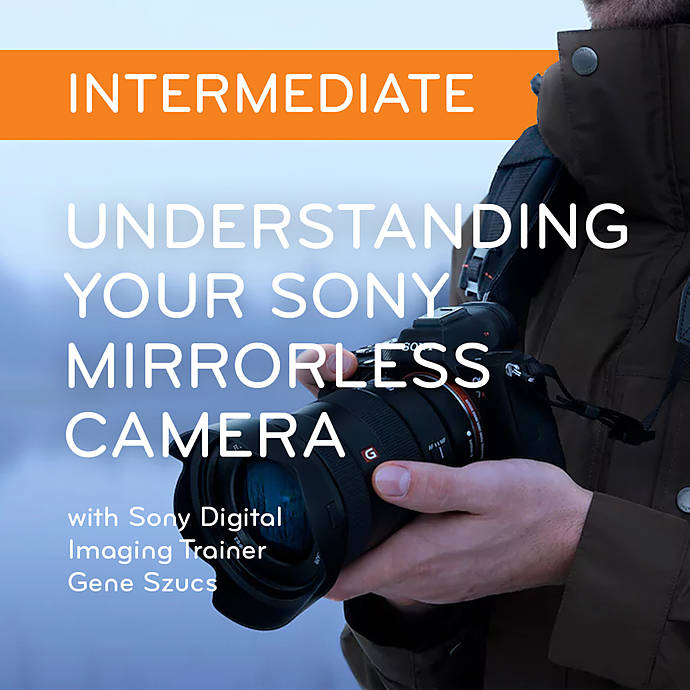
For Sony users, gear choice is only part of the equation. Camera settings, autofocus behavior, shutter speed, frame rate, and picture profiles all influence how polished your footage looks. Unique Photo also offers educational resources such as Understanding Your Sony Mirrorless Camera: Intermediate (Sony), which can be a helpful next step if you want to get more from a Sony hybrid video setup.
Final thoughts on gimbal suggestions for lightweight mirrorless setups
The best gimbal for a lightweight mirrorless setup is the one that matches your real shooting style, not just the one with the biggest payload rating. For most creators, that means pairing a compact mirrorless body with a small lens, leaving room for quick balancing, and adding only the accessories that truly improve your workflow.
At Unique Photo, shoppers can build a smart compact video kit by combining a capable mirrorless body like the OM SYSTEM OM-5 or Sony a7R VI with practical support accessories such as the Tilta 10 Lightweight Dovetail Plate when a more modular rig is needed. If your goal is smoother footage without carrying an oversized stabilizer, staying light is often the smartest move.
For internal linking opportunities, consider pointing readers to related Unique Photo pages for mirrorless cameras, gimbals, camera rig accessories, used mirrorless cameras, and photo and video classes to help them complete a lightweight production setup.