Beginner Photography Contest FAQ: How to Enter and Stand Out
Entering your first photography contest can feel intimidating, especially when you see large entry pools and highly polished portfolios. The good news is that beginners can absolutely compete effectively with the right strategy, strong editing, and a smart approach to choosing where and how to submit.
At Unique Photo, we encourage new photographers to treat contests as both a creative challenge and a learning opportunity. Below, we answer the most common questions about finding beginner-friendly contests, improving your odds, and presenting your work in a more professional way.
What kinds of photography contests are best for beginners?
The best contests for beginners are the ones with clear categories, reasonable entry requirements, and themes that reward creativity over an extensive client portfolio. Look for local photo club competitions, community arts contests, student and emerging-artist calls, brand-sponsored challenges, and contests hosted by magazines, nonprofits, or camera retailers. These are often more approachable than broad international open-call competitions where thousands of advanced photographers may enter.
It is also helpful to choose contests with distinct categories such as portrait, landscape, street, travel, film, or mobile photography. Narrow categories can give your image more context and make judging more focused. If you shoot film or hybrid film-and-digital workflows, educational opportunities can also sharpen your edge before you submit. For example, Unique Photo's film-focused learning events can help you improve technical quality and presentation for specialty contest entries.

Do themed contests give beginners a better chance?
Yes, themed contests can be an excellent fit for newer photographers. A strong theme narrows the field and shifts attention away from sheer technical perfection alone. Judges often respond to images that interpret a theme clearly, emotionally, and memorably. That means a well-seen concept from a beginner can outperform a technically strong but less relevant image.
When entering a themed contest, avoid submitting your most generic favorite photo just because it is your personal best. Instead, choose the image that most directly answers the theme. If the prompt is “motion,” for example, think about how composition, blur, light, and subject all support that idea. Specialty tools can also help you create a more distinctive visual approach. Tiffen Center Spot filters, for instance, can produce a stylized look that draws attention to the subject in creative portrait or fine-art work when used intentionally for the contest's concept.
How can I get my work noticed among thousands of submissions?
The biggest mistake beginners make is assuming they need to submit their most complicated image. In reality, judges usually notice photographs that communicate quickly and confidently. To stand out, submit work with a clear subject, strong composition, thoughtful timing, and a recognizable point of view. Simplicity is often more memorable than clutter.
Editing discipline matters just as much as shooting. Before entering, compare your finalists side by side and ask which image reads best at thumbnail size, which image has the strongest emotional hook, and which one fits the contest prompt most precisely. Make sure your color, contrast, crop, and retouching support the story instead of distracting from it. If the contest allows a caption or artist statement, use that space to clarify the idea without overexplaining.
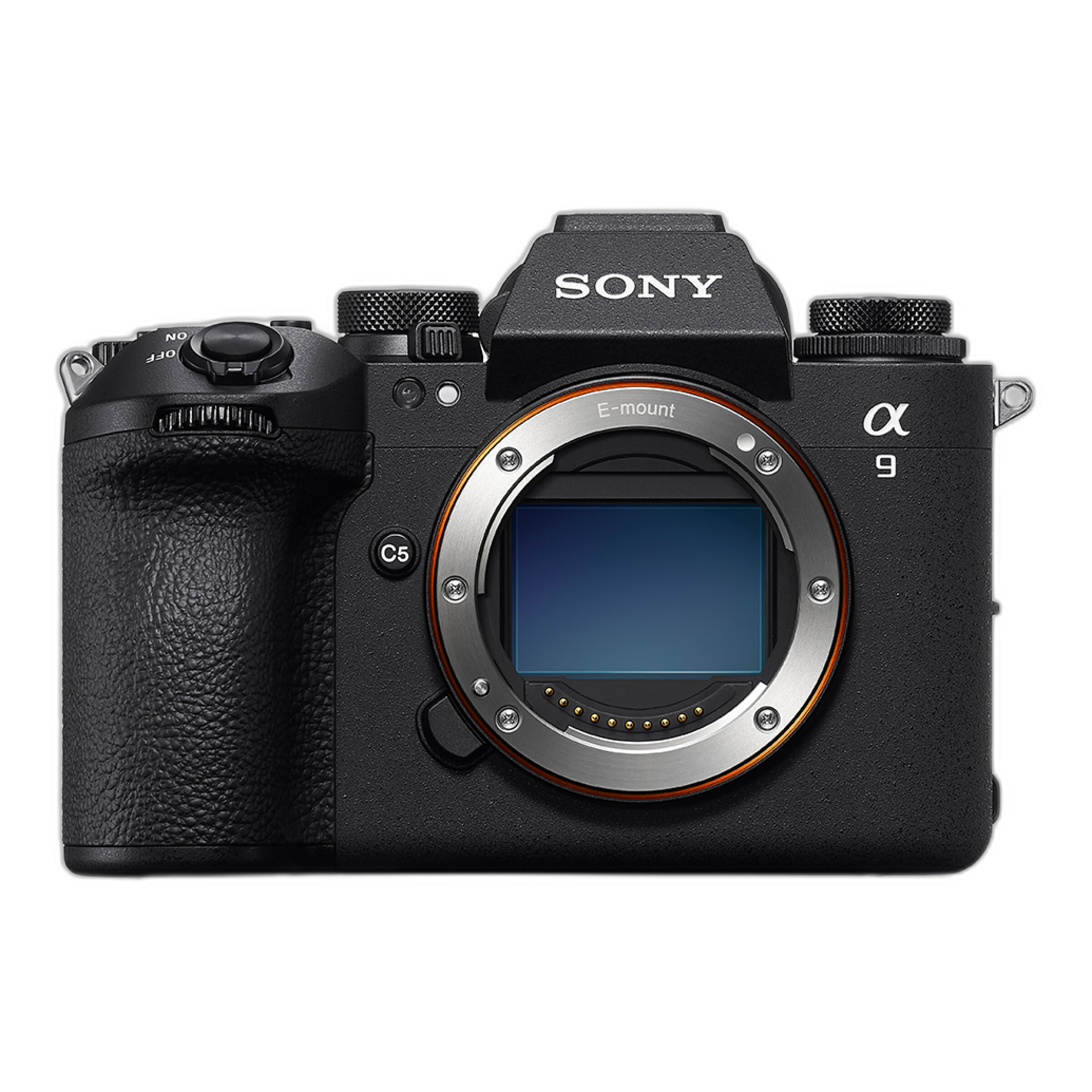
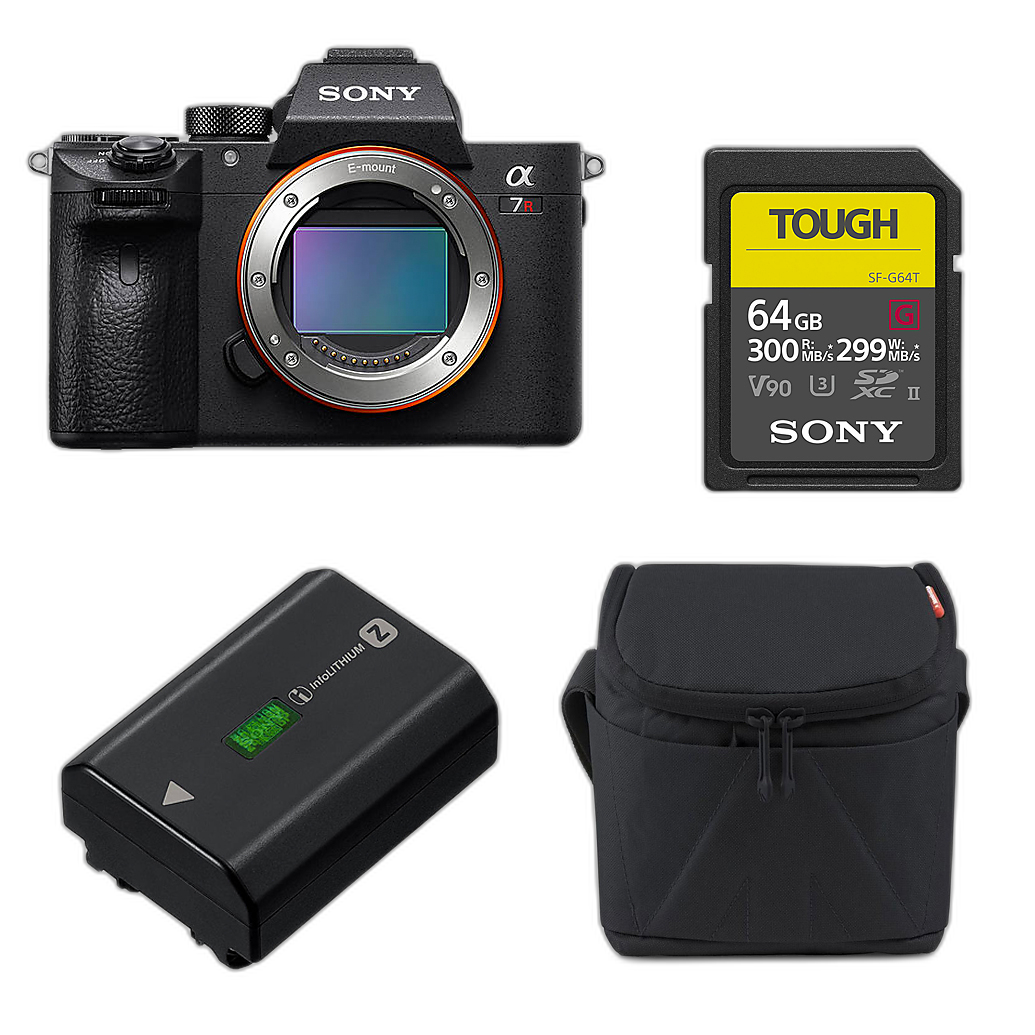
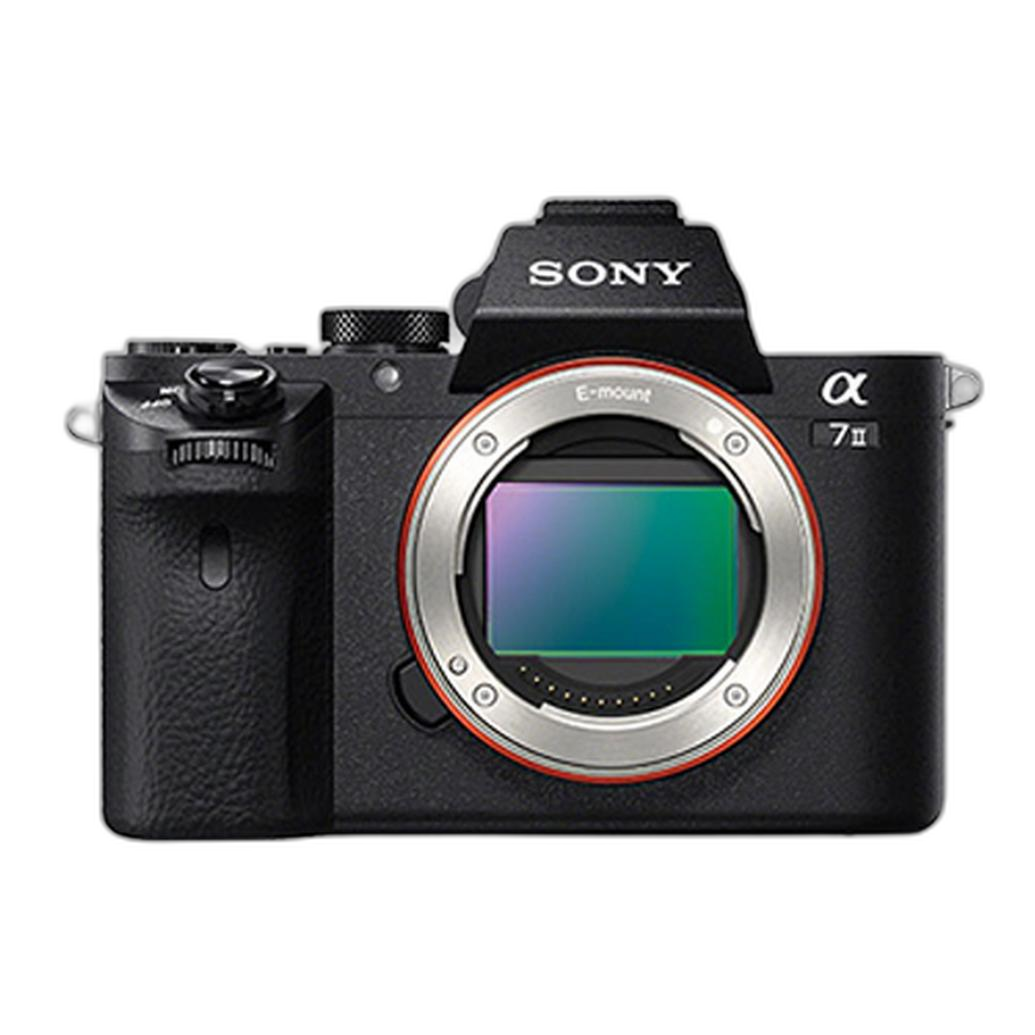
Presentation matters too. Clean files, consistent output, and careful submission formatting make your work feel more professional. If you are creating work across mixed camera systems, an adapter such as the Metabones Nikon G to E-mount adapter can help you keep using lenses you already own while building a more flexible shooting kit for contest projects.

Should I enter lots of contests or focus on a few?
For most beginners, it is smarter to focus on a smaller number of well-chosen contests rather than entering everything you find. Targeting a handful of competitions lets you tailor submissions more carefully, follow each contest's rules, and avoid entry fatigue. You will also be more likely to learn from the process if you keep track of which images were accepted, shortlisted, or ignored.
A good strategy is to build a shortlist of contests that match your style and level. For example, if you are strongest in portraits, don't dilute your efforts by forcing wildlife or architecture submissions. Develop a repeatable process: research the brief, select two or three strong options, edit carefully, check technical requirements, and submit before the deadline. Over time, this more focused approach usually produces better results than high-volume entry.
What makes a contest submission look more professional?
Professional-looking submissions start with technical consistency. Pay attention to sharpness, exposure, white balance, file size, color space, and cropping. Read the contest rules carefully and follow them exactly. A great image can be disqualified or weakened simply because it was exported incorrectly or named improperly.
Your visual choices should feel intentional. If you use specialty optics, filters, or adapted lenses, make sure the effect supports the idea rather than looking gimmicky. The right gear can help refine your creative voice. For photographers experimenting with lens character across systems, the Metabones adapter is useful for extending the life of existing Nikon G lenses on Sony E-mount bodies.

If you work in film, strong scans are essential. A poorly scanned negative can hide detail and reduce your image's impact. Improving your scanning workflow through hands-on education can make a meaningful difference when submitting film-based contest work.
Can film photographers compete effectively in beginner contests?
Absolutely. Film can be a real strength in contests when it complements the subject and is presented well. Many judges appreciate the tonal character, texture, and deliberate process behind film photography. However, the final presentation still matters just as much as the capture medium. If your scans are flat, dusty, poorly cropped, or inconsistent in color, the advantages of film can be lost.
That is why technique after the shutter matters. Learning how to digitize negatives properly, manage contrast, and preserve detail can help your work compete on equal footing with digital files. Unique Photo's educational events, including sessions on getting better scans with a digital camera, are especially valuable for photographers preparing film images for exhibition or contest use.

How important is the story behind the image?
Story is often what separates an image that is merely attractive from one that is memorable. Even in contests that emphasize technical quality, judges tend to gravitate toward photographs that suggest emotion, atmosphere, timing, or intent. Your story does not need to be dramatic, but it should be clear. Ask yourself what the image is saying and whether every element in the frame helps communicate that message.
If a contest allows supporting materials, keep your written description concise and specific. Mention what inspired the image, why the moment mattered, or how it connects to the theme. If you create behind-the-scenes content for your own social channels while promoting your work, clear audio can make that content more polished. Tools like the Shure MOTIV MVL smartphone lavalier microphone can help when recording short artist intros, reels, or submission-related updates for your audience.

Should beginners promote their contest entries on social media?
Yes, when the contest rules allow it. Social media promotion will not influence every judge, but it can help you build momentum, connect with peers, and create visibility around your work. Share the final image, your thought process, and a bit of the making-of story. This can be especially useful for audience-vote competitions or contests that also consider community engagement.
If you are recording simple video updates on a phone, a compact mic like the Shure MOTIV MVL can make your content sound cleaner and more credible. Better audio helps your message land more effectively, whether you are discussing your inspiration, asking followers for support, or documenting your growth as a photographer.

What is the best mindset for entering your first contest?
The best mindset is to treat every contest as practice in editing, sequencing, and visual communication. Winning is great, but it should not be the only measure of success. A contest can help you identify your strongest work, refine your taste, and understand how your images read to others. Even a rejection can be useful if it pushes you to tighten your portfolio and shoot with more intention next time.
Start with realistic goals: enter one or two strong images, follow the rules carefully, and choose contests that genuinely fit your work. Over time, your consistency, confidence, and ability to interpret briefs will improve. That progress is often what eventually leads to shortlists, features, and awards.
If you are ready to build a stronger contest portfolio, Unique Photo can help with the gear, education, and creative support you need. Explore our classes, accessories, and photographic tools to prepare your next submission and take the next step in your photography journey.