Full-Frame vs Crop Sensor for Portraits: FAQ for Real-World Shooters
Portrait photographers often ask whether full-frame cameras truly deliver better results than crop-sensor models. The honest answer is that sensor size matters, but it is only one part of the portrait equation alongside lens choice, lighting, working distance, and budget.
At Unique Photo, we help photographers and hybrid creators look beyond internet debates and focus on what actually improves portraits in the real world. Here are the most common questions we hear about full-frame versus crop sensor performance for portraiture.
Is full-frame better for portrait photography?
Full-frame cameras can offer clear advantages for portrait work, especially if you want shallower depth of field, cleaner high-ISO files, and more flexibility when working in available light. Because the sensor is larger, it is easier to achieve a softer background blur at the same framing and aperture compared with a crop-sensor camera. That look is part of why full-frame systems remain so popular for headshots, fashion, editorial, and cinematic portrait work.
That said, better portraits are not automatic just because a camera is full-frame. Posing, expression, lens selection, and lighting still matter far more than sensor size alone. A crop-sensor camera in skilled hands can absolutely create professional portraits, but full-frame gives you more creative room when you want that classic subject separation.
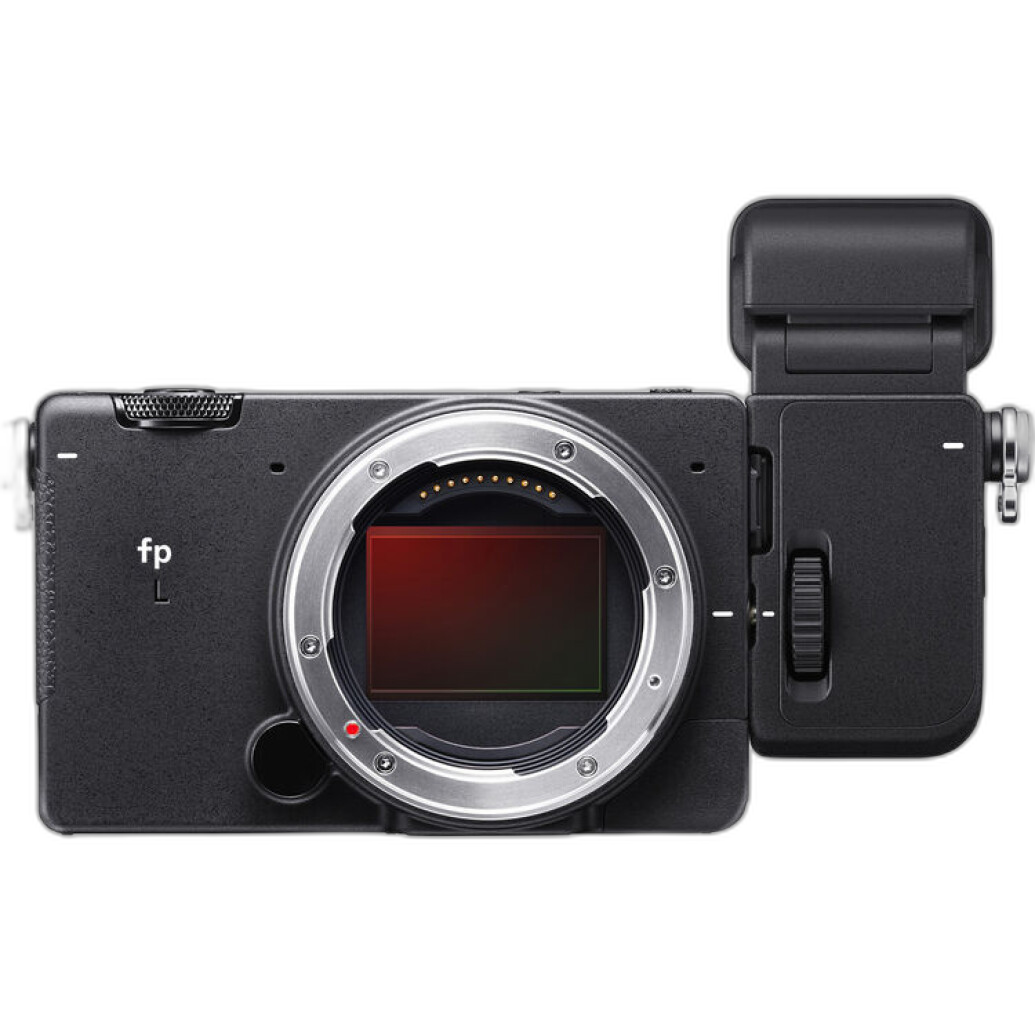
For creators who also produce high-end portrait video, a compact full-frame option like the Sigma fp L Mirrorless Digital Camera with EVF-11 can be especially appealing thanks to its full-frame sensor and flexible hybrid workflow.
Does full-frame create more background blur than crop sensor?
In practical use, yes. If you frame your subject the same way and use equivalent lenses, a full-frame camera generally makes it easier to produce a shallower depth of field. This is one of the biggest reasons portrait shooters gravitate toward full-frame systems. The transition from sharp focus to blur can feel more gradual and visually pleasing, especially for close-up portraits.
However, the lens still plays the starring role. A fast portrait lens on a crop camera can outperform a slow lens on a full-frame body when it comes to background separation. If your goal is creamy bokeh, think about the full system: sensor size, focal length, aperture, and shooting distance.
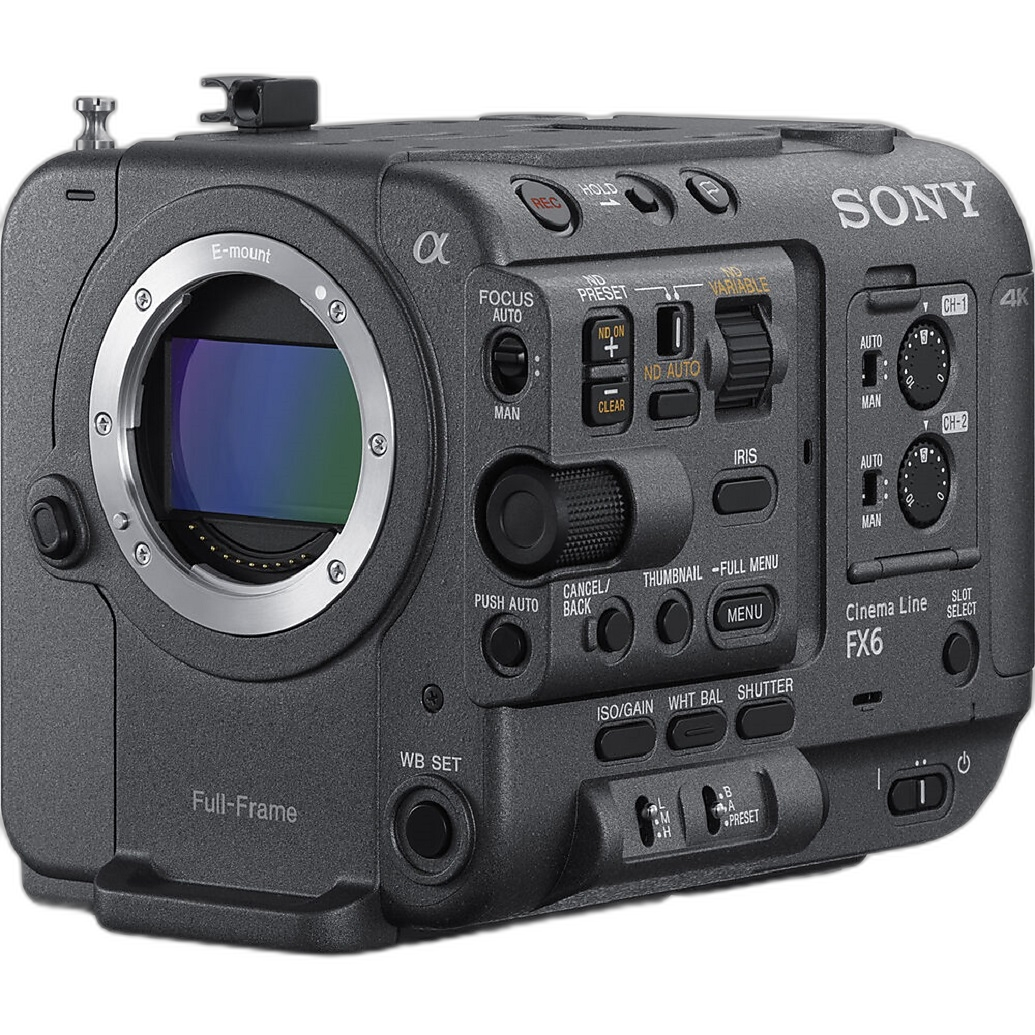
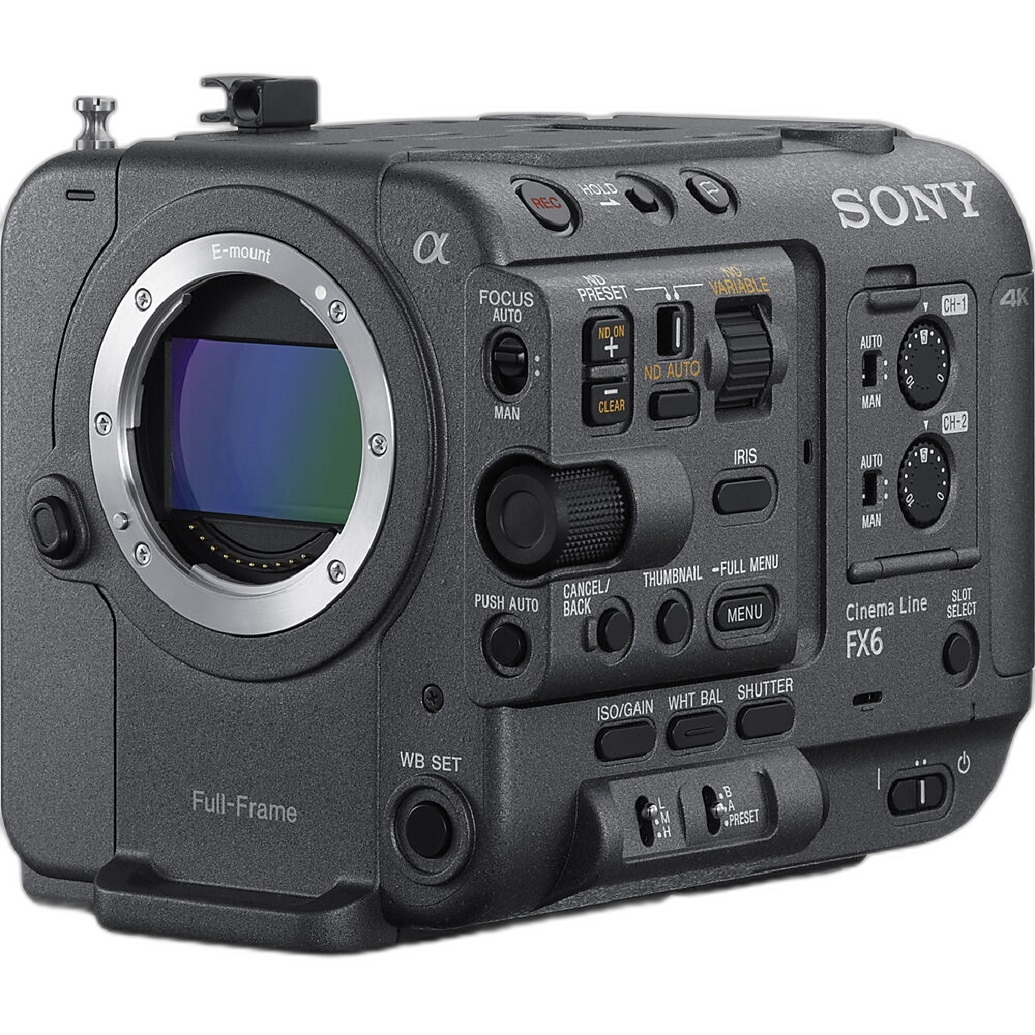
For portrait filmmakers who want a cinematic full-frame look with strong subject isolation, cameras such as the Sony FX6 Full-Frame Cinema Camera are popular choices because they combine full-frame imaging with professional video features.
Are full-frame cameras better in low light for portraits?
Full-frame cameras often hold an edge in low light because their larger sensors can gather more light overall, which can translate into cleaner files at higher ISO settings. This can be helpful for indoor portraits, event portraits, environmental portraiture at dusk, or video interviews where you want to preserve skin tone and detail without adding excessive noise.
That advantage is real, but modern crop-sensor cameras have improved significantly. If you usually shoot with strobes or in controlled studio conditions, the low-light benefit of full-frame may be less important than many people think. On the other hand, if your portrait style depends on natural light or practical lighting, full-frame may make your workflow easier.
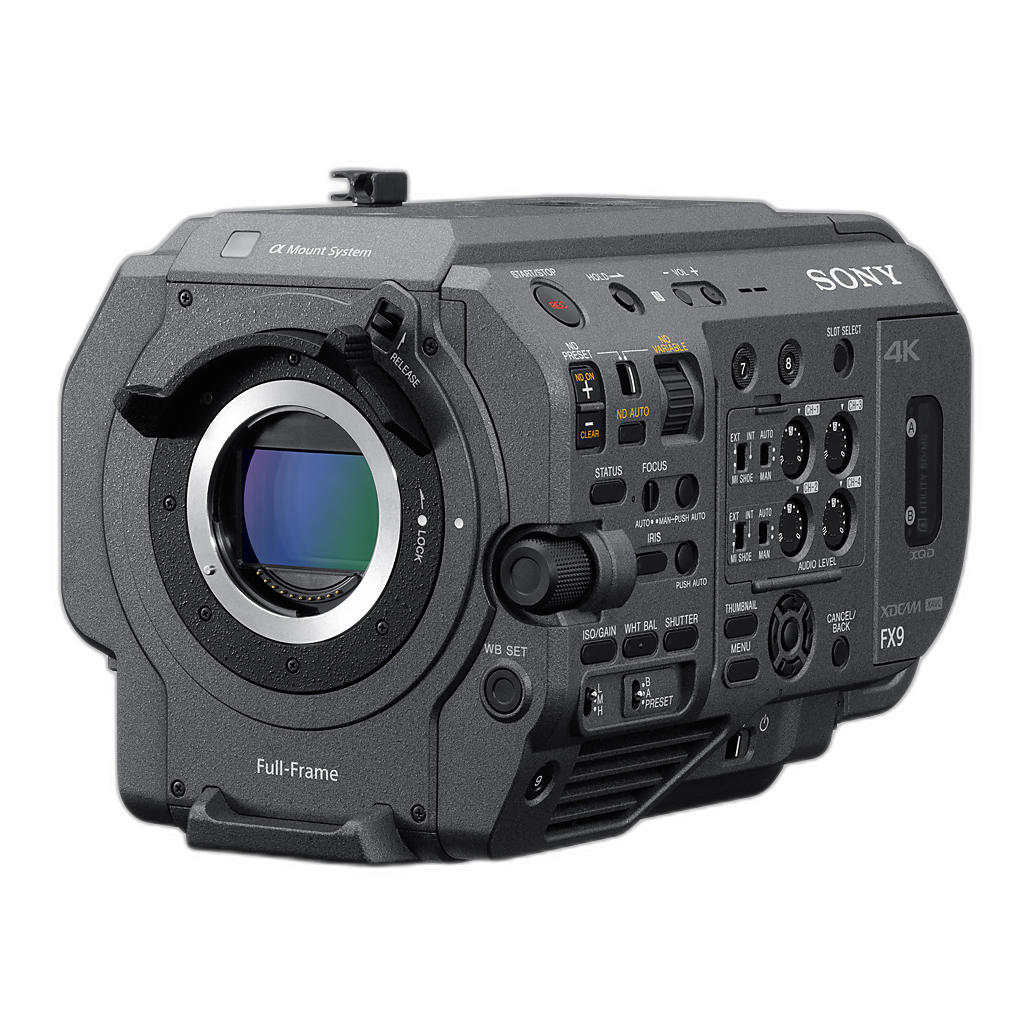
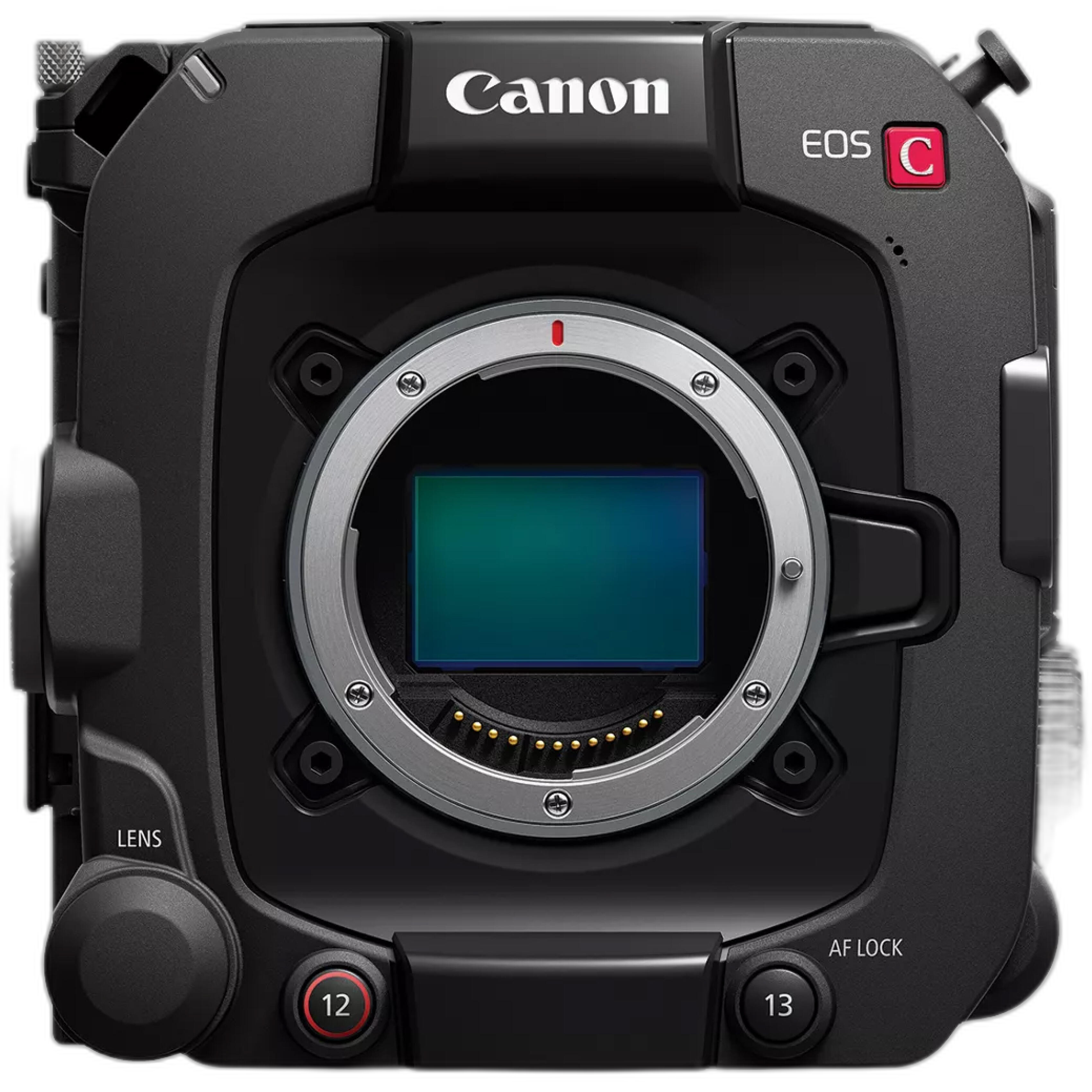
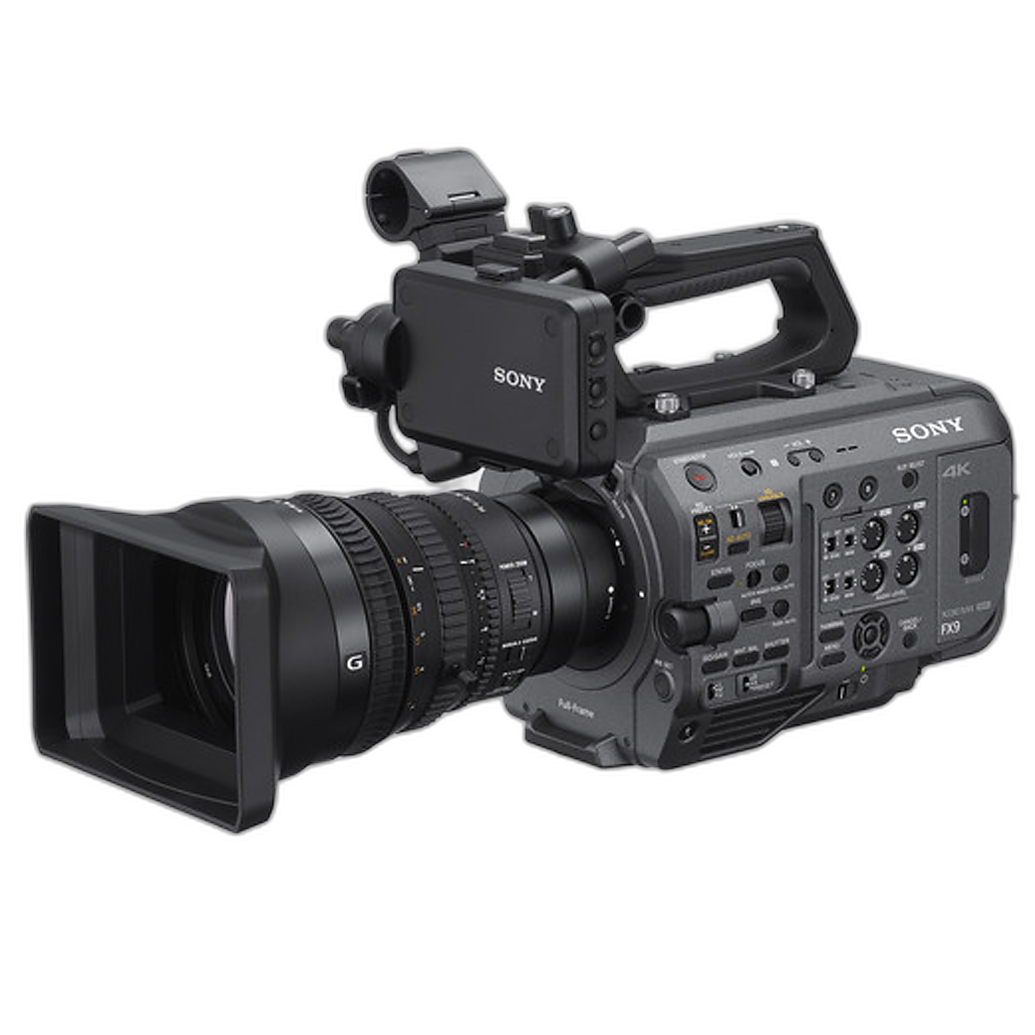
For advanced hybrid teams and portrait filmmakers working in demanding light, cameras like the Sony PXW-FX9 XDCAM 6K Full-Frame Camera System and Canon EOS C400 6K Full-Frame Digital Cinema Camera offer the kind of dynamic range and sensitivity that can support polished, professional-looking results.
Will a crop-sensor camera distort faces more in portraits?
No. Facial distortion is caused primarily by camera-to-subject distance, not by sensor size itself. If you stand too close to your subject, features such as the nose can appear exaggerated whether you are using crop or full-frame. The key is choosing a flattering focal length and maintaining appropriate working distance.
Many portrait photographers prefer short telephoto focal lengths because they render facial features naturally and let the subject feel comfortable. On full-frame, that often means classic portrait ranges like 85mm to 135mm. On crop-sensor cameras, you can achieve a similar look with a shorter focal length that gives an equivalent field of view.
So if someone says full-frame is automatically more flattering, the more accurate answer is that it may make it easier to use traditional portrait focal lengths without changing your composition too much. But perspective remains about distance, not the sensor.
Is full-frame worth the extra cost for portraits?
That depends on how you shoot and what you need to deliver. If portraits are a major part of your paid work and your style emphasizes natural light, soft backgrounds, and premium image quality, full-frame can be a worthwhile long-term investment. It can also be a strong choice if you are shooting both stills and cinematic portrait video for clients.
If you are still building your kit, though, it may be smarter to spend less on the body and more on lenses, lighting, and education. A good lens and well-controlled light usually improve portrait quality more dramatically than a sensor upgrade alone. Budget-minded buyers should also remember that pre-owned gear can be an excellent way to step into full-frame without stretching too far.
A practical option for creators who want to save while moving into a professional full-frame system is a Used Sony FX6 Full-Frame Cinema Camera in excellent condition. For many buyers, used gear opens the door to full-frame image quality at a more manageable price point.
What matters more for portraits: sensor size or lens choice?
Lens choice usually has the bigger visible impact. The lens determines your focal length, maximum aperture, rendering style, compression, and often the overall feel of the image. A portrait-friendly lens can elevate results on either sensor format, while a less suitable lens may limit what you can achieve even on an excellent full-frame body.
Sensor size still matters because it affects framing, depth of field behavior, and low-light performance, but photographers often overestimate its importance compared with optics and lighting. If your portraits are not looking the way you want, the first upgrades to consider are often a stronger lens, better modifiers, or a more intentional lighting setup.
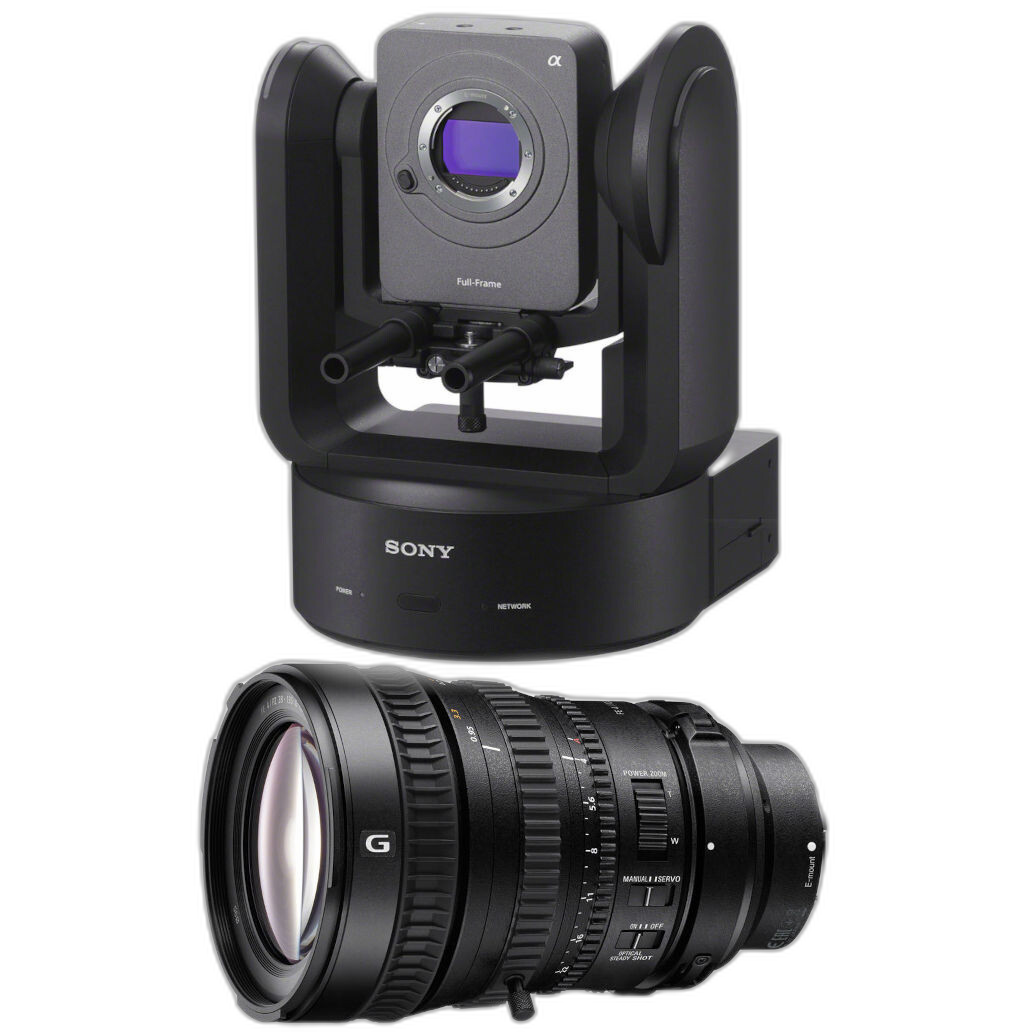
For hybrid creators who also need a polished cinematic portrait look in motion, systems like the Sony PXW-FX9K with the included 28-135mm f/4 G OSS lens or the Sony FR7 Cinema Line Full-Frame PTZ Robotic Camera with 28-135mm Zoom Lens show how a full-frame body paired with a versatile lens can support controlled, professional portrait production.
Do full-frame cameras make more sense for studio portraits or environmental portraits?
Full-frame can benefit both, but the advantage often feels stronger in environmental and available-light portraiture. In a studio, where you control flash power, modifiers, and background distance, a crop-sensor camera can perform extremely well. Since lighting is controlled, the low-light advantage of full-frame becomes less important.
In environmental portraits, full-frame often shines because it lets you work in mixed light, raise ISO more confidently, and create subject separation even when you cannot perfectly control the setting. That makes it appealing for on-location work, branding sessions, lifestyle portraits, and documentary-style portrait video.
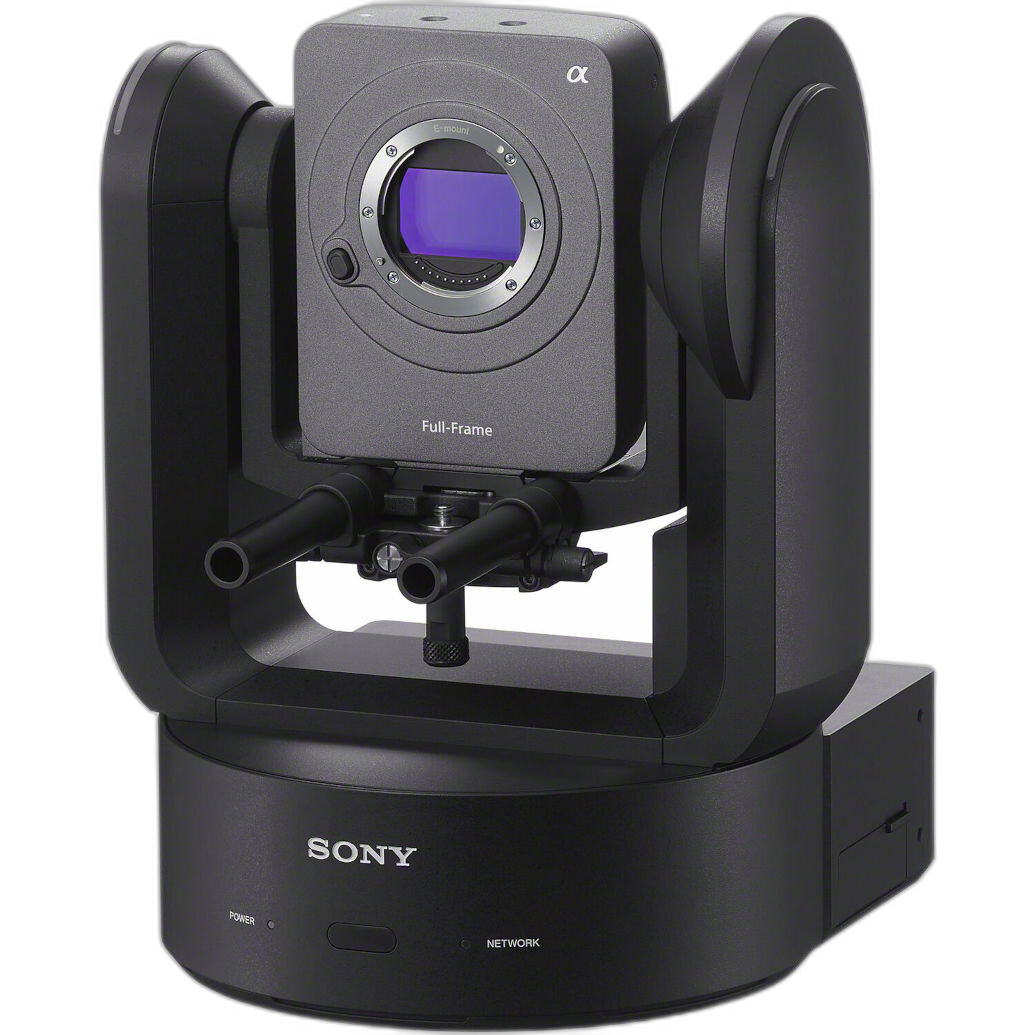
For installations, studios, or event spaces that need remote operation and a cinematic full-frame image, the Sony FR7 Cinema Line Full-Frame PTZ Robotic Camera can be a strong specialty option.
Who should choose full-frame for portrait work?
Full-frame is a smart fit for photographers and creators who prioritize shallow depth of field, low-light flexibility, premium image quality, and room to grow into advanced client work. It is especially attractive for portrait specialists, wedding photographers, fashion shooters, and hybrid teams delivering both stills and video.
Crop sensor still makes sense for many users, particularly beginners, students, hobbyists, and anyone balancing quality with budget. If your current camera is meeting your needs and you would get more benefit from upgrading your lens or lighting, there is no reason to switch formats just because of online opinion.
The best choice is the one that supports your style, your workflow, and your business goals. If you are building a portrait-centric video or hybrid setup, full-frame options such as the Sigma fp L, Sony FX6, Sony FX9 series, and Canon EOS C400 all represent strong professional pathways depending on how advanced your production needs are.
Still deciding between full-frame and crop for portraits? Visit Unique Photo to compare cameras, explore available new and used gear, and get expert advice tailored to the way you actually shoot.