Full-Frame vs Crop Sensor for Portrait Photography: FAQ Guide
Choosing between full-frame and crop sensor cameras for portrait photography is one of the most common questions photographers ask. The right answer depends on your shooting style, lens choices, budget, and whether you create still portraits, video portraits, or both.
At Unique Photo, we help photographers look beyond spec sheets and focus on the results they want: flattering perspective, beautiful background separation, reliable autofocus, and a workflow that fits real-world portrait sessions.
Is full-frame better than crop sensor for portrait photography?
Full-frame is often preferred for portrait photography because it makes it easier to achieve shallow depth of field, smoother background blur, and strong low-light performance. Those qualities can help subjects stand out more naturally, especially in studio, environmental, and lifestyle portrait settings. A full-frame sensor also gives you a wider field of view with the same focal length, which can be useful when shooting indoors or in tighter locations.
That said, crop sensor cameras can still produce excellent portraits. Great portrait results depend just as much on lens selection, lighting, posing, and subject distance as they do on sensor size. If you are comparing systems, full-frame is typically the more flexible choice for photographers who want a classic portrait look with easy subject separation.
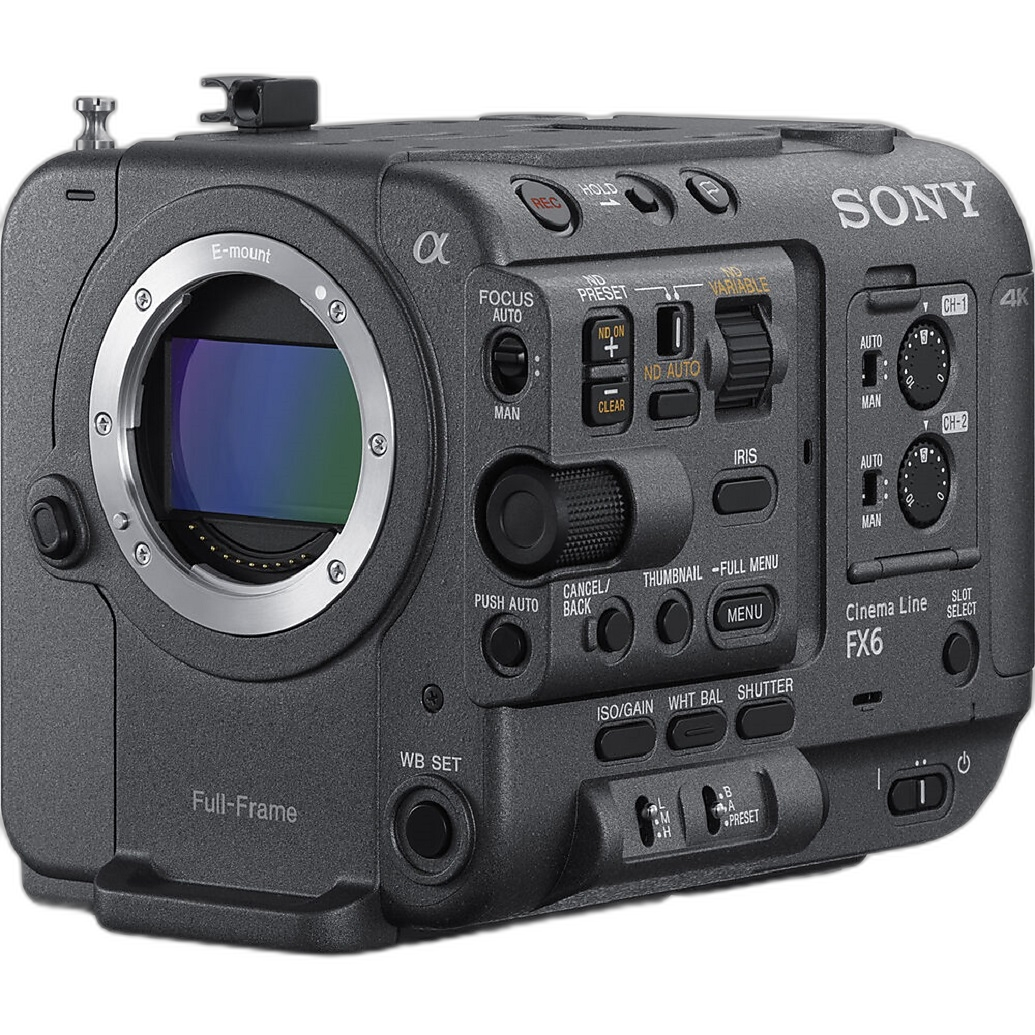
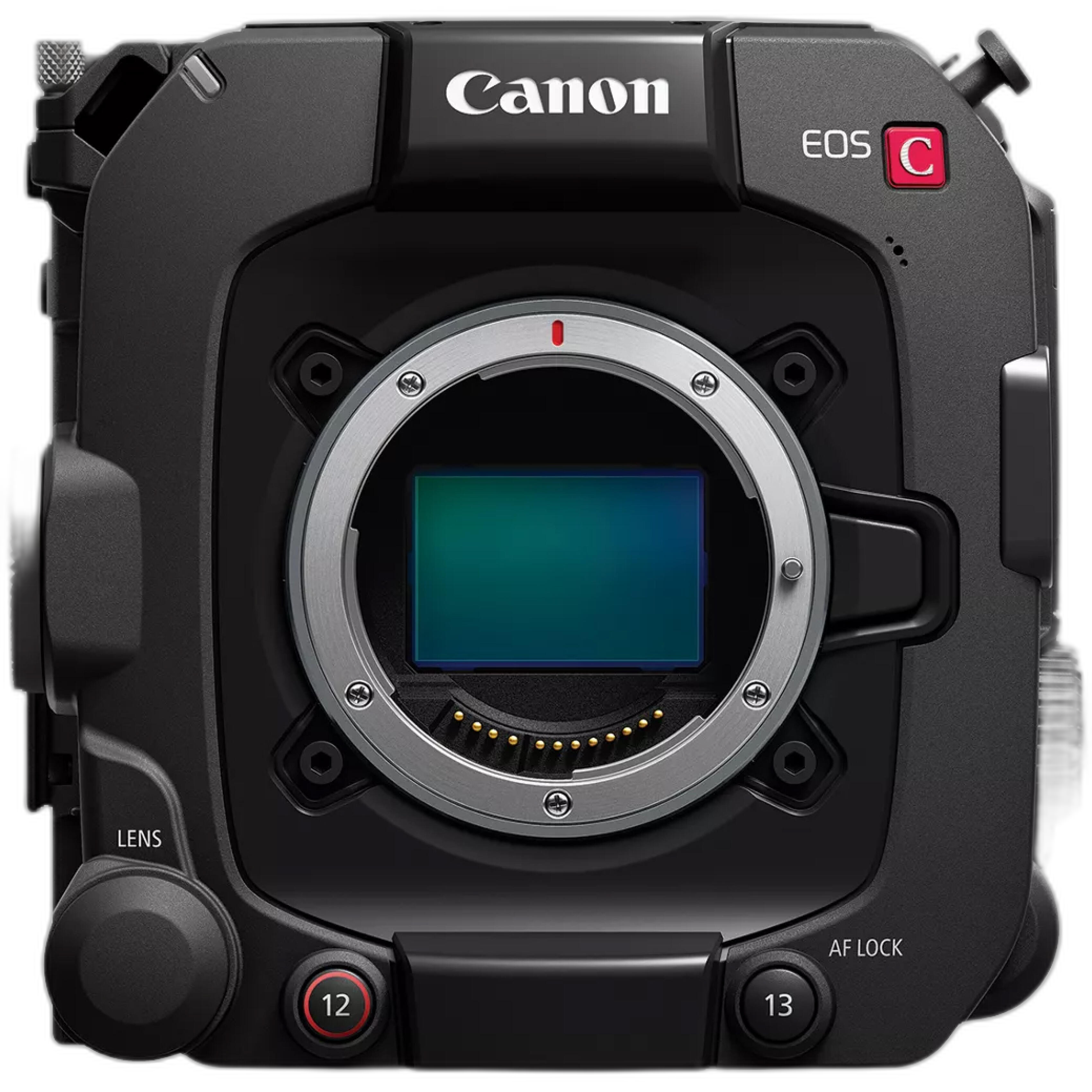
For hybrid creators producing portrait video as well as still-inspired motion work, full-frame cinema tools can be especially compelling. Cameras like the Sony FX6 Full-Frame Cinema Camera and Canon EOS C400 6K Full-Frame Digital Cinema Camera are designed to deliver the full-frame aesthetic many portrait-focused filmmakers want.
Does a crop sensor make portraits look worse?
No, a crop sensor does not automatically make portraits look worse. In fact, many portrait photographers create beautiful work with APS-C cameras. A crop sensor simply changes how your lens behaves in practice. You may need to stand farther back for the same framing, or choose a wider lens to match the field of view you would get on full-frame.
The main difference is that achieving the same level of background blur can be a little more challenging on crop sensor, especially if you are using slower kit lenses. With a fast prime and thoughtful lighting, crop sensor portraits can still look polished, flattering, and professional. For photographers building a system on a budget, crop sensor often offers excellent value.
Still, if your goal is maximum control over separation and a more cinematic portrait style, many photographers ultimately move toward full-frame systems. That is one reason full-frame options remain popular among portrait videographers and studio professionals.
Why do portrait photographers like full-frame cameras so much?
Portrait photographers tend to like full-frame because it complements the focal lengths traditionally used for portraits, such as 50mm, 85mm, and 135mm. These lenses retain their familiar angle of view on full-frame, making composition feel intuitive. Full-frame sensors also tend to perform well at higher ISO settings, which helps when working in natural light, window light, or dim indoor locations.
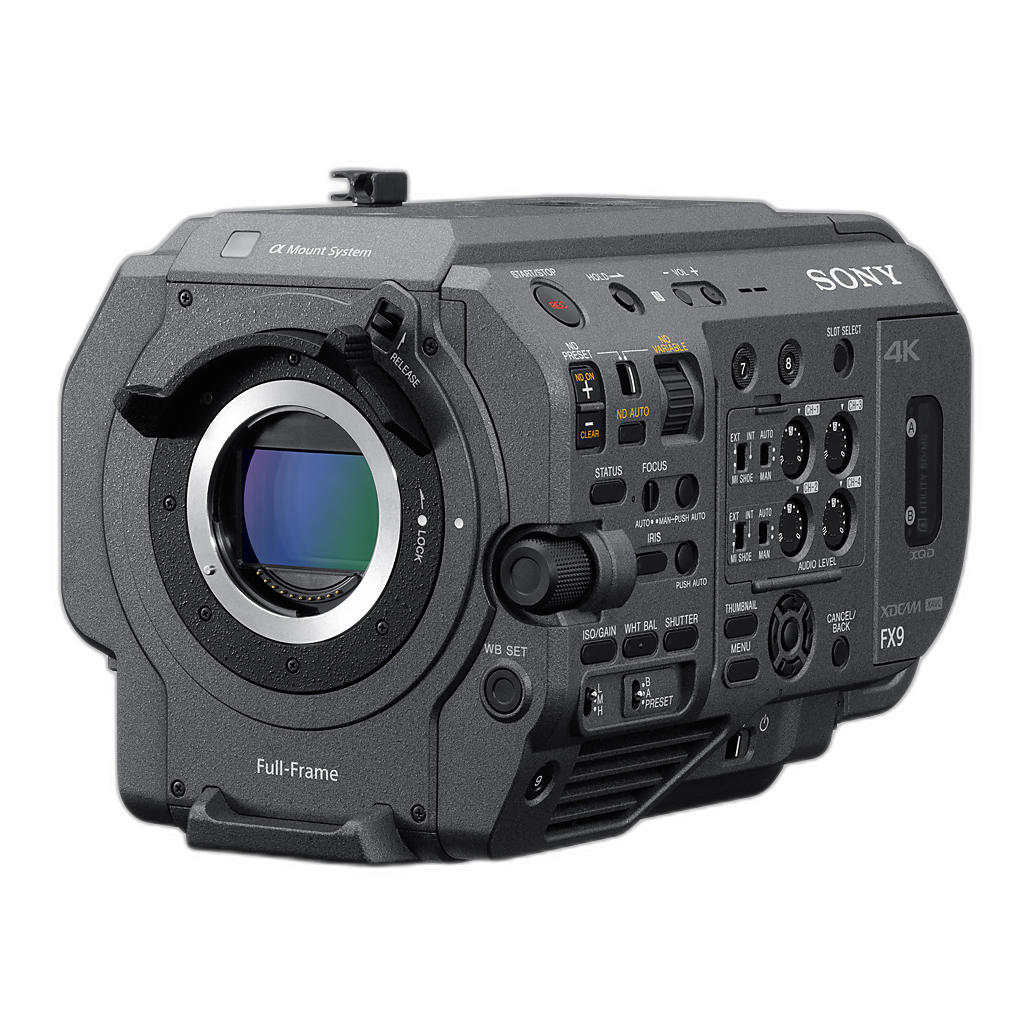
Another major advantage is rendering. While sensor size alone does not create great portraits, the combination of full-frame coverage and fast glass often delivers the softer falloff and shallower depth of field many photographers and filmmakers associate with premium portrait imagery. For dedicated portrait video production, systems like the Sony PXW-FX9 XDCAM 6K Full-Frame Camera System offer that full-frame look along with professional controls and workflow features.
What focal lengths work best for portraits on full-frame versus crop sensor?
On full-frame, classic portrait focal lengths usually include 50mm for environmental portraits, 85mm for head-and-shoulders work, and 135mm for tighter framing with especially strong background compression. On crop sensor, photographers often choose shorter focal lengths to achieve similar framing, such as roughly 35mm to mimic a normal perspective or 50mm to approach a more traditional portrait field of view.
The key is to think about framing and subject distance rather than only the number printed on the lens. If you shoot from too close with a wide lens, facial features can become distorted. If you back up too far with a very long lens, communication with your subject can become more difficult. For portrait filmmakers seeking a more stylized look, a full-frame anamorphic lens like the Viltrox EPIC 135mm T2.4 1.33x Full-Frame Anamorphic Lens can create dramatic separation and cinematic character, while the Viltrox EPIC 65mm T2.8 Macro 1.33x Full-Frame Anamorphic Lens offers a more versatile portrait-friendly perspective.
Is full-frame worth the extra cost for portraits?
For many photographers, full-frame is worth the investment if portraits are a major part of their work. You may see benefits in low-light performance, dynamic range, subject isolation, and lens behavior. If you regularly shoot clients, want the most flexibility in mixed lighting, or love a shallow-depth-of-field look, full-frame can be a strong long-term choice.
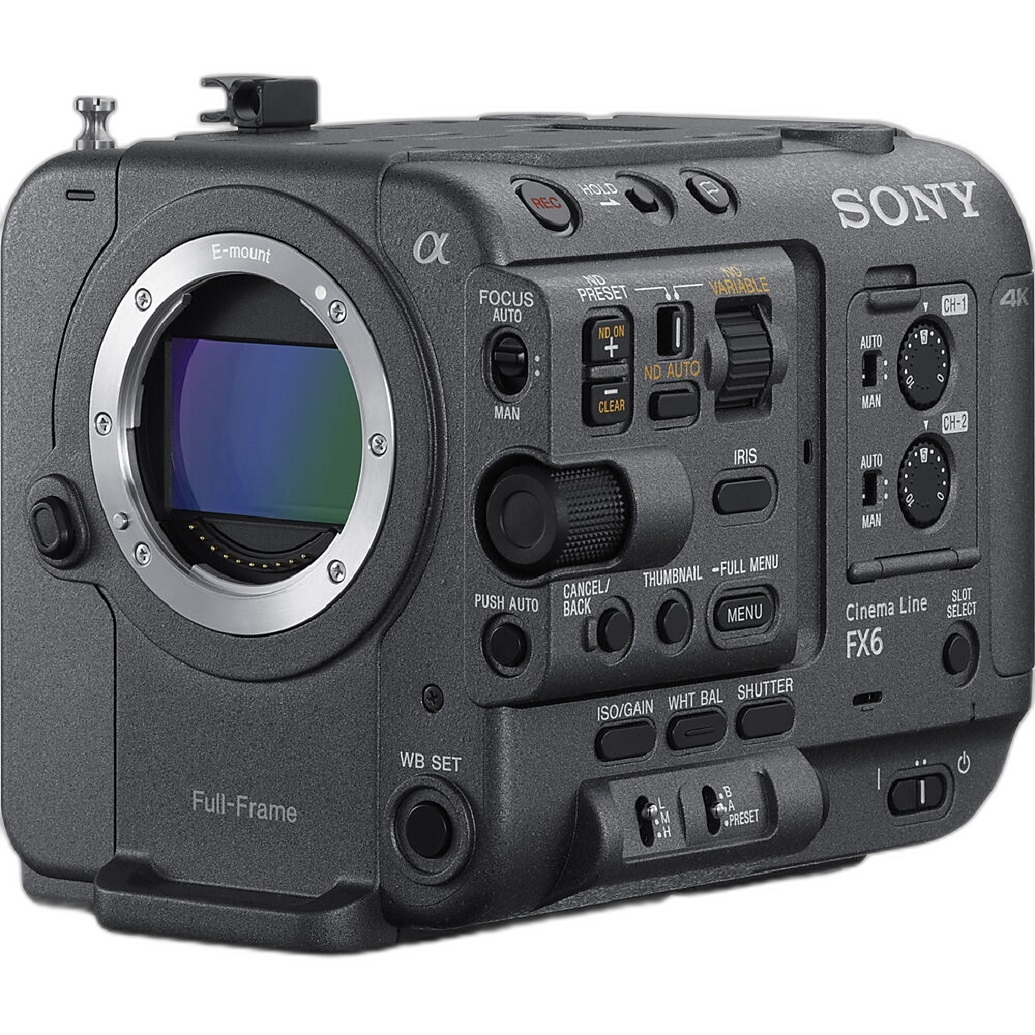
However, the best value depends on your priorities. If you have a limited budget, it can be smarter to spend less on the camera body and more on lenses and lighting. A well-lit portrait on modest gear will usually outperform a poorly lit portrait on an expensive camera. For creators who want professional full-frame performance while keeping costs under control, used equipment can be a practical path. The Used Sony FX6 Full-Frame Cinema Camera - Excellent is one example of a premium full-frame option that may appeal to portrait and interview filmmakers shopping more strategically.
Do full-frame cameras help more with portrait photography or portrait video?
They can help with both, but many creators especially notice the benefits in portrait video. Full-frame cameras can deliver a more immersive, cinematic look with smooth falloff, strong low-light performance, and flexible lens options. This is particularly useful for interviews, branded personal content, fashion films, and documentary-style portrait work.
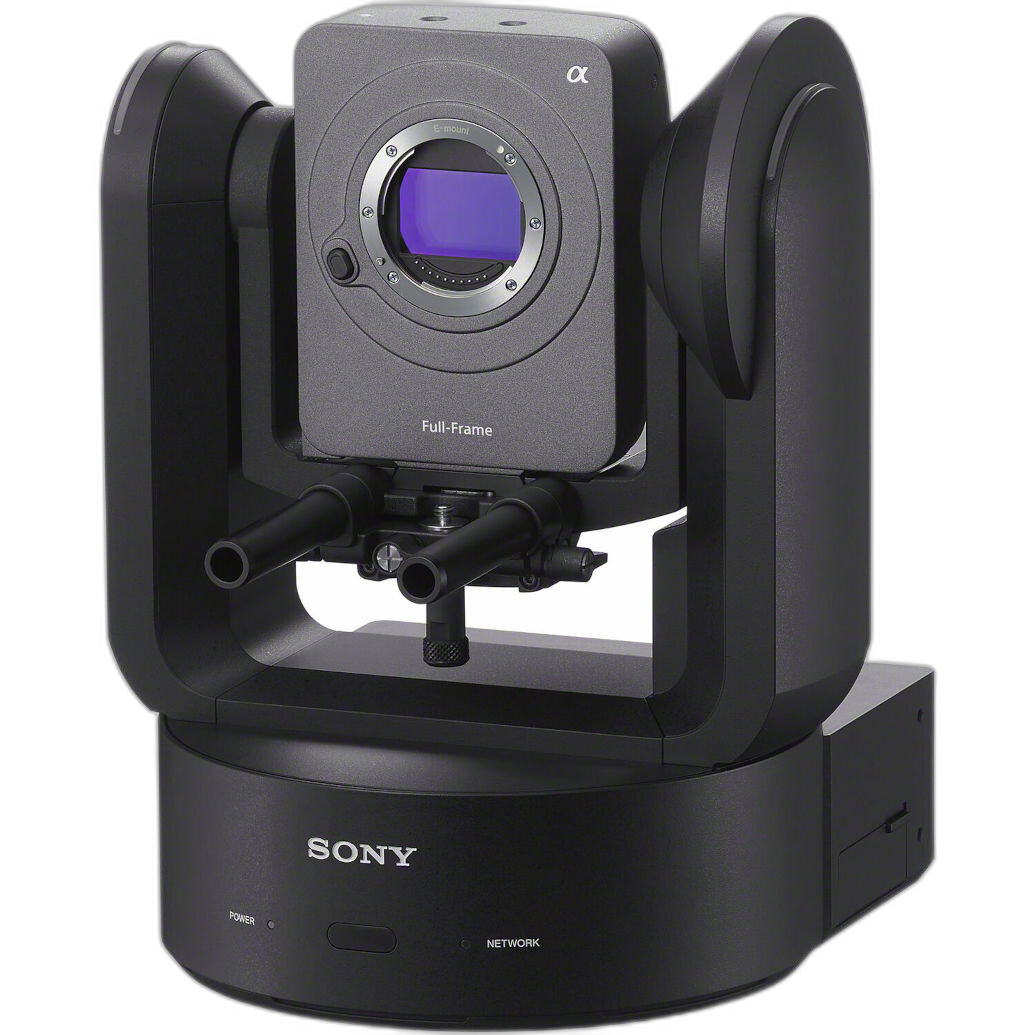
If you need advanced video features for portrait productions, cameras like the Canon EOS C400 6K Full-Frame Digital Cinema Camera and Sony FX6 Full-Frame Cinema Camera are built for high-end workflows. If your production setup involves fixed positions, multi-camera shoots, or remote operation for events and live productions, the Sony FR7 Cinema Line Full-Frame PTZ Robotic Camera can also fit portrait-oriented video environments where consistent framing and cinematic full-frame capture matter.
When is a crop sensor the smarter choice for portrait shooters?
A crop sensor can be the smarter choice when affordability, portability, and lens reach matter more than maximum background blur. It is often an excellent option for beginners, students, and photographers who want to learn portrait technique without overextending their budget. Crop sensor systems can also be appealing for outdoor shooters who want lighter gear for travel or location sessions.
If your style leans toward environmental portraits with more of the scene in focus, or if you frequently shoot with controlled lighting where low-light performance is less important, crop sensor can be more than enough. In those situations, investing in good lenses, modifiers, and education may improve your portrait work more than simply moving to a larger sensor.
What matters more for portraits: sensor size or lens choice?
Lens choice usually has a bigger day-to-day impact on how portraits look. Sensor size influences field of view, depth of field, and low-light behavior, but the lens determines perspective, compression, sharpness, rendering, and how comfortably you can work with your subject. A flattering focal length paired with good light will often shape the final image more than the sensor alone.
That is why many portrait photographers build their kit around the look they want first, then choose the body that best supports it. Full-frame systems shine when paired with portrait-friendly lenses and premium optics. For cinematic portrait production, full-frame bodies paired with specialty lenses, including anamorphic options, can open up a more distinctive visual style than sensor size alone.
So which should you choose for portrait photography?
If you want the easiest path to classic shallow-depth-of-field portraits, stronger low-light flexibility, and a premium look for both stills-inspired and cinematic work, full-frame is an excellent choice. If you are budget-conscious, still learning, or prioritize compact gear and value, crop sensor remains a capable and practical option.
The best camera is the one that supports your creative goals and leaves room in your budget for the lenses and lighting that truly shape your portraits. At Unique Photo, we can help you compare full-frame camera systems, video-ready portrait tools, and specialty lenses so you can build the right kit with confidence.