Fujifilm vs Olympus for Travel Photography: Recommendations and Experiences
Travel photography rewards gear that disappears in your bag, survives the elements, and produces images you love straight from the camera. Two systems consistently rise to the top for globe‑trotters: Fujifilm’s APS‑C X‑series and Olympus/OM SYSTEM’s Micro Four Thirds (MFT) lineup. This in‑depth review focuses on what actually matters on the road—portability, image quality, stabilization, lenses, and usability—and helps you decide which system better fits your travel style. You can handle both systems and build your kit at Unique Photo, where you’ll also find education and hands‑on events to sharpen your craft.
What matters most when you travel
- Size and weight: A kit you’ll carry all day without thinking twice.
- Image quality and color: Files that hold up in mixed light and high contrast.
- Stabilization and autofocus: Sharp shots from dawn markets to blue‑hour skylines, often without a tripod.
- Lens ecosystem: Compact primes and do‑it‑all zooms for cities, trails, and everything between.
- Ruggedness: Weather sealing and reliability when the forecast or itinerary changes.
- Power and workflow: Simple charging, smart controls, and JPEG color you’re happy to share.
Fujifilm on the road
APS‑C image quality and color science
Fujifilm’s APS‑C sensors deliver excellent dynamic range and strong high‑ISO performance for dim temples, night streets, and interiors. The renowned film simulations provide punchy, ready‑to‑share JPEGs that feel tailor‑made for travel storytelling, while RAW files give you plenty of latitude back at your laptop.
Compact lenses with character
Fujifilm’s small weather‑resistant primes and versatile standard zooms keep your kit lean without sacrificing optical quality. Lightweight telephoto options also travel well, letting you reach distant details without adding a heavy second bag.
Ergonomics and dials
Dedicated shutter, ISO, and exposure controls (on many X‑series bodies) make quick adjustments intuitive, even when you’re juggling a coffee, a map, and a fleeting moment of light. The result: fewer missed shots and more confidence working fast.
Autofocus and video
Recent Fujifilm bodies offer capable subject detection and reliable continuous AF for street, family, and casual wildlife. Stabilized bodies and lenses combine with attractive color profiles to produce pleasing travel video without heavy rigs.
Charging and accessories
Most modern X‑series bodies support in‑camera USB charging—ideal for charging off a power bank on trains or planes. Fujifilm’s accessory ecosystem is broad as well.
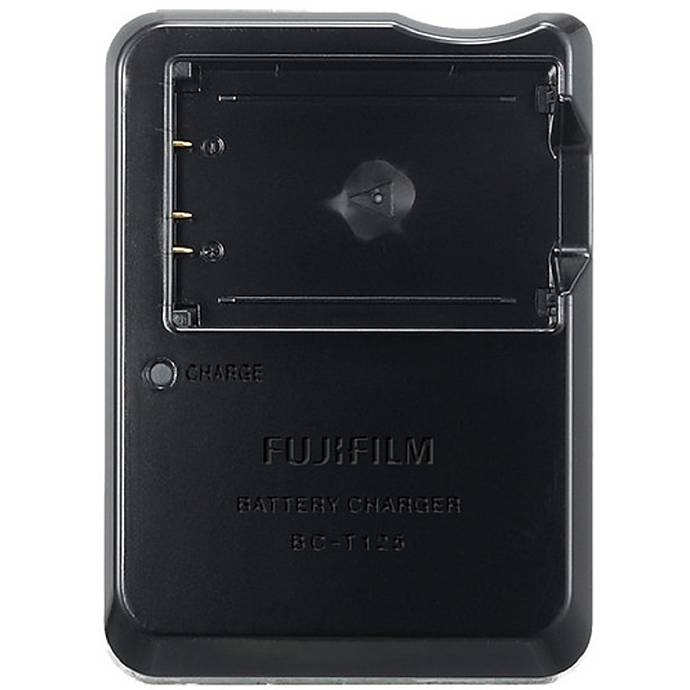
Shown above: a Fujifilm charger for the GFX system (BC‑T125) as an example of Fuji’s accessory depth; always confirm compatibility for your specific camera before you buy.
Olympus/OM SYSTEM on the road
Featherweight kits and huge effective reach
Micro Four Thirds bodies and lenses are exceptionally compact. That means a two‑ or three‑lens kit—and even a respectable telephoto—often weighs less than a single full‑frame zoom. For hikers, city explorers, and carry‑on minimalists, this is a real advantage.
Class‑leading in‑body stabilization
Olympus/OM SYSTEM is renowned for industry‑leading IBIS. Handheld dusk scenes, interiors, and casual long exposures are easier, and video looks smoother without a gimbal—perfect for travel diaries and reels.
Weather sealing and reliability
Many OM‑branded bodies and PRO lenses are impressively sealed. If your plans include misty coasts, rainforest hikes, or dusty bazaars, the durability can be a trip‑saver.
Computational tools that travel well
Features like Live ND, hand‑held high‑res modes, and Pro Capture expand creative possibilities without extra gear. They’re practical, not gimmicks, and reduce the need for tripods and filters.
Pros and cons at a glance
Fujifilm X‑series
- Pros: Strong APS‑C image quality and dynamic range; excellent JPEG color and film simulations; compact WR primes and versatile zooms; tactile controls; solid AF for travel stills and video.
- Cons: Lenses and bodies are slightly larger/heavier than MFT; ultimate reach requires bigger glass; some bodies rely on in‑lens stabilization.
Olympus/OM SYSTEM (Micro Four Thirds)
- Pros: The smallest, lightest interchangeable‑lens kits; best‑in‑class IBIS; highly weather‑sealed options; deep lens lineup with travel‑friendly zooms; computational features reduce extra gear.
- Cons: Smaller sensor means more noise at very high ISOs and less shallow depth‑of‑field; absolute dynamic range trails good APS‑C; maximum subject isolation requires fast lenses.
Which should you choose?
Pick Fujifilm if you value APS‑C image quality and Fuji color, love tactile controls, and want a balanced kit that excels from street to landscapes with minimal fuss. Pick Olympus/OM SYSTEM if size and weight are paramount, stabilization is mission‑critical, and you want the most portable kit for hiking, city breaks, and unpredictable weather.
Either way, you’re choosing a mature system with a deep lens catalog and proven reliability. The best fit comes down to how you pack and how you like your images to look straight out of camera.
Real‑world packing tips
- Keep it to two lenses: a wide/standard zoom plus a small prime for low light and character.
- Leverage stabilization: leave the tripod unless you know you’ll need it.
- Charge via USB when possible: a power bank covers flights, trains, and cafés.
- Protect from the elements: a lightweight rain cover and microfiber cloth go a long way.
Verdict and recommendation
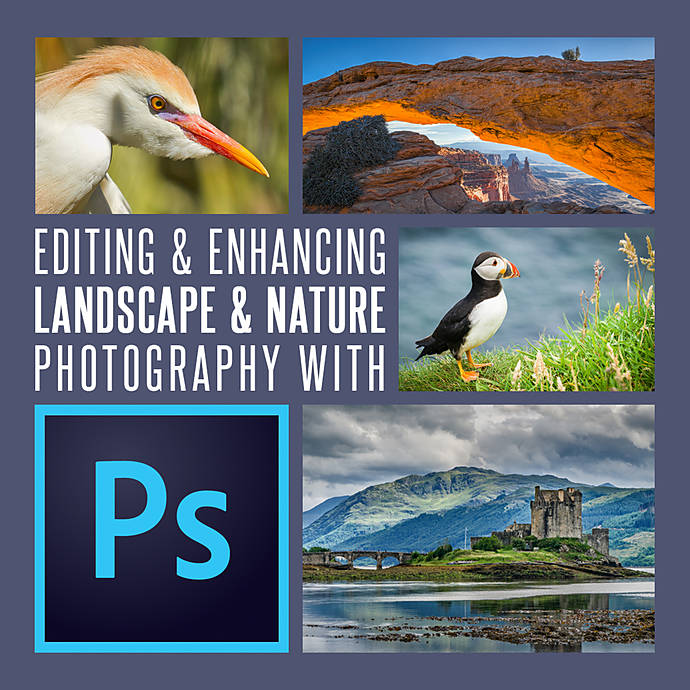
For travelers seeking the lightest possible footprint and class‑leading stabilization, Olympus/OM SYSTEM is hard to beat. For photographers who prioritize richer dynamic range and Fuji’s signature color with equally travel‑ready lenses, Fujifilm is a superb choice. If you’re torn, visit Unique Photo to handle both systems side‑by‑side, compare lens sizes, and see how the JPEG color from each resonates with your eye. You can also boost your skills with Unique University classes and field workshops like the ones pictured above. When you’re ready, build your travel kit at Unique Photo—cameras, lenses, batteries, bags, and the training to put it all to work.