Introduction: Which Budget Portrait Light Makes More Sense?
For portrait photographers shopping on a budget, the biggest lighting question is often simple: should you buy a flash system or start with LED continuous lighting? Both can produce polished, flattering portraits, but they work very differently in practice. Flash offers higher output and excellent motion-freezing power, while LED gives you a what-you-see-is-what-you-get shooting experience that can be especially helpful for beginners, hybrid shooters, and small-space creators.
In this review-style guide, we’re looking at the real-world strengths and trade-offs of each approach for portrait work, with a practical focus on affordable entry points and learning value. To frame that discussion, two standout options from Unique Photo make a lot of sense for budget-conscious creators: educational training like Portrait Lighting Made Easy with Joel Grimes (Westcott) for photographers who want to master light regardless of gear, and compact modern LED kits like the Godox ML60II Bi-Color LED Monolight Kit 2 for creators who want flexibility without a steep learning curve.
If your goal is better portraits without overspending, the smartest answer is not always the cheapest light—it’s the system that best matches how you shoot, what you shoot, and how quickly you want to grow.
Featured Product Perspective: Learning Before Buying More Gear
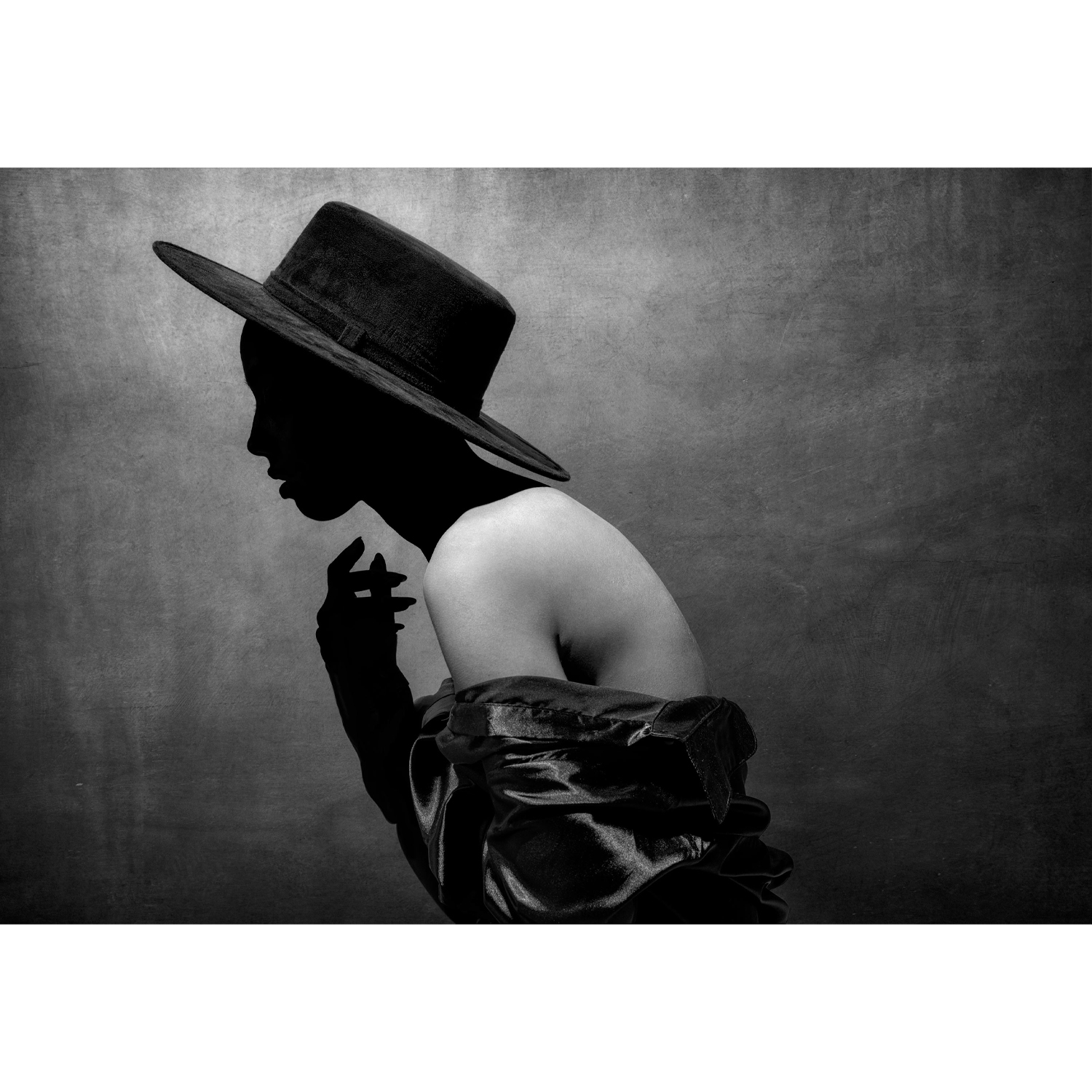
One of the most underrated budget moves in portrait photography is investing in lighting education before building a kit. Portrait Lighting Made Easy with Joel Grimes (Westcott) is not a light itself, but it directly addresses the biggest reason photographers waste money on lighting: buying tools before understanding control, shaping, placement, and contrast.
For beginners trying to decide between flash and LED, this kind of resource has real value. It helps you understand how light behaves on faces, how modifiers affect softness, and how positioning can matter more than sheer output. That makes it easier to buy the right first light instead of replacing the wrong one later.
Why Education Matters in the Flash vs. LED Debate
Flash and LED can both produce professional-looking portraits, but beginners often mistake convenience for quality or power for versatility. A good lighting course helps separate marketing from workflow reality. If you mainly shoot posed indoor portraits, flash may deliver more shaping power per dollar. If you also create video, livestream, or social content, LED can be the better investment. Understanding that distinction early can save both money and frustration.
Best For
This educational product is best for first-time portrait shooters, hobbyists upgrading from natural light, and budget-conscious photographers who want stronger results before committing to a larger lighting setup.
Flash for Portraits on a Budget
Flash remains one of the strongest values in portrait photography because it delivers a lot of usable power for the money. Even modest flash units can overpower ambient indoor light, create clean skin tones, and freeze movement in ways most entry-level continuous lights cannot. For still portraits, especially in home studios or event-style environments, flash often gives you more dramatic control and more room to shape the image.
The downside is the learning curve. Because flash only appears at the moment of exposure, you don’t always see the final effect with your eyes before taking the shot. That means beginners may need more test frames to dial in exposure, modifier position, and light-to-subject distance. Once learned, though, flash is often the more efficient portrait tool.
Where Flash Wins
Flash is usually the better choice if you want stronger subject separation, lower ISO, smaller apertures for group portraits, or the ability to shape light dramatically without pushing your camera settings too far. It is especially attractive for photographers focused on stills only, where the lack of continuous illumination is less of an issue.
Budget Considerations
On a tight budget, flash frequently stretches further than LED in terms of effective output. You may spend less to get a light that can fill a softbox properly or compete with window light. That makes flash particularly appealing for portraits in brighter rooms or locations where ambient light would otherwise limit your creative options.
LED for Portraits on a Budget
LED lighting has become far more compelling for portrait photographers, particularly those who also shoot video or simply want a gentler learning curve. With continuous light, you can see shadows, catchlights, and falloff in real time. That immediate feedback is useful for beginners and efficient for solo shooters working without an assistant.
The Godox ML60II Bi-Color LED Monolight Kit 2 is a strong example of why LED is so attractive right now. Compact monolights like this fit smaller spaces, travel easily, and offer practical color temperature flexibility. For portraits, that can mean easier balancing with window light or ambient interior lighting, especially when shooting lifestyle content, headshots, or creator-focused work.
Why the Godox ML60II Kit Stands Out
This kind of kit makes sense for photographers who want a clean entry into controlled lighting without committing to a flash-first workflow. The included accessories—such as softbox and grid support—help users shape and direct the light rather than relying on a bare source. That matters because the quality of portrait light often depends more on modification and placement than on the fixture alone.
Bi-color control adds flexibility, making the light easier to blend into mixed lighting situations. For creators shooting portraits, interviews, social reels, and behind-the-scenes content, that versatility can make an LED kit a smarter first purchase than a stills-only flash setup.
Where LED Wins
LED is often the better budget option for photographers who are still learning, who prefer to see their lighting live, or who divide time between portrait photography and video. It is also excellent for close-range portraits, environmental portraits, and content creation in apartments, offices, or compact home studios.
Real-World Trade-Offs: Flash vs. LED
Ease of Use
LED is easier for most beginners. You see the effect immediately, which speeds up experimentation and reduces guesswork. Flash requires more technique but rewards that effort with greater output and efficiency for still photography.
Power Per Dollar
Flash usually wins. If your main goal is flattering still portraits with maximum control on a budget, flash tends to offer more punch for the money.
Hybrid Shooting
LED wins clearly for anyone shooting both video and photos. A continuous source can serve multiple production needs without changing systems.
Motion and Sharpness
Flash is generally better for freezing motion and maintaining lower ISO settings. If you photograph active children, expressive movement, or fashion-inspired poses, flash can make the process easier.
Learning Curve
LED is more intuitive. Flash can produce more polished results in many portrait scenarios, but it may take longer to master.
Pros and Cons
Flash Pros
- Excellent power output for the price
- Great for freezing motion in portraits
- Helps maintain lower ISO and cleaner files
- Often the strongest value for still-photo portrait specialists
Flash Cons
- Steeper learning curve for beginners
- You cannot preview the final lighting effect as easily
- Less useful if you also shoot video
LED Pros
- What-you-see-is-what-you-get lighting makes setup easier
- Ideal for hybrid photo and video creators
- Excellent for learning light placement and shadow control
- Compact kits like the Godox ML60II are practical in small studios
LED Cons
- Lower output than flash in many budget-friendly setups
- Can require higher ISO or wider apertures
- Less effective in bright ambient environments
Who Should Buy What?
If you are a stills-first portrait photographer and want the most lighting power for your money, flash is usually the better buy. It remains the budget-performance leader for classic portrait work. If, however, you are a beginner, a content creator, or a hybrid shooter who values simplicity and versatility, LED may be the more satisfying first investment.
And if you are truly starting from scratch, a smart first step is often educational: learn the fundamentals with Portrait Lighting Made Easy with Joel Grimes (Westcott), then decide whether your workflow needs flash power or LED flexibility.
Verdict
For portraits on a budget, there is no one-size-fits-all winner—but there is a clear best fit depending on your priorities. Choose flash if your focus is still photography, maximum output, and the best performance-per-dollar. Choose LED if you want an easier learning curve, live visual feedback, and a lighting tool that can serve both portrait and video work.
Our recommendation for most beginners is simple: start by learning lighting fundamentals, then buy based on workflow, not hype. For educational value, Portrait Lighting Made Easy with Joel Grimes (Westcott) is a smart companion purchase. For practical continuous lighting, the Godox ML60II Bi-Color LED Monolight Kit 2 is a compelling option for portrait photographers who want flexibility and simplicity. You can find these portrait lighting solutions at Unique Photo, a trusted destination for photographers building a capable setup without overspending.