Film developing at home vs lab: what’s the difference?
For many film photographers, one of the biggest decisions comes after the roll is finished: should you develop film at home or send it to a photo lab? Both options can produce excellent results, but the right choice depends on your budget, time, workflow, and how hands-on you want to be. At Unique Photo, we work with photographers at every level, from beginners shooting their first roll to longtime analog enthusiasts building out a full home darkroom.
In simple terms, developing film at home gives you more control and can save money over time, while using a professional lab is more convenient and often more consistent, especially for photographers who don’t want to handle chemistry or invest in equipment.
If you are trying to compare film developing at home vs lab, the pros and cons below will help you decide which path makes the most sense for your photography goals.
Pros of developing film at home
Home film developing appeals to photographers who enjoy the process as much as the final image. If you like learning technical skills and controlling every step of your workflow, home processing can be very rewarding.
1. More control over the final result
When you develop at home, you control time, temperature, agitation, dilution, and workflow. That matters if you want to push or pull film, experiment with contrast, or fine-tune black-and-white negatives for scanning or darkroom printing.
2. Lower cost over time
While there is an upfront investment in tanks, reels, chemistry, thermometers, storage bottles, and changing bags, frequent shooters can often reduce their cost per roll over time. This is especially true for black-and-white film, which is typically the most approachable place to start.
3. Faster turnaround
If you have chemistry ready, you can process your film the same day you shoot it. That can be a major advantage for students, artists, and anyone testing cameras, lenses, or exposure techniques.
4. A deeper understanding of film photography
Learning to develop film yourself teaches you how exposure, development, and scanning or printing all work together. That knowledge can make you a better shooter and help you troubleshoot issues more confidently.
5. Creative satisfaction
For many analog photographers, developing at home is part of the magic. There is a real sense of accomplishment in taking a roll from camera to negative entirely on your own.
Cons of developing film at home
As rewarding as it can be, home film developing is not the best fit for everyone.
1. Upfront equipment costs
To develop film at home, you need at minimum a tank, reels, chemistry, measuring tools, clips, and a safe way to load film in the dark. If you also want to scan negatives or make darkroom prints, the cost increases further.
2. Time and learning curve
Developing film is not difficult, but it does require care and consistency. Beginners can make mistakes with temperature, agitation, chemical mixing, or drying, and those mistakes may affect image quality.
3. Chemistry handling and storage
Film chemistry has to be mixed, stored, and disposed of properly. Some photographers are comfortable with that; others would rather avoid the mess and maintenance entirely.
4. Space requirements
Even basic film processing needs some dedicated space for loading, washing, and drying. If you live in a small apartment or share space with others, that can be a challenge.
5. Color film is less forgiving
Black-and-white film is relatively simple for home users, but C-41 color negative and E-6 slide film require tighter temperature control and stricter consistency. It is absolutely possible to do at home, but it demands more precision.
Pros of using a film lab
For many photographers, sending film to a trusted lab is the easiest and most practical option. Professional labs streamline the process and can save a lot of time.
1. Convenience
The biggest advantage of lab developing is simple: you drop off or mail in your film, and the lab handles the rest. That is ideal for busy photographers, occasional shooters, or anyone who prefers spending time shooting instead of processing.
2. Consistent results
A good lab has calibrated equipment, standardized chemistry, and experienced technicians. That often means cleaner, more repeatable outcomes, especially for color film.
3. Access to scanning and printing services
Many labs offer high-quality scans, contact sheets, and prints in one workflow. For photographers who want finished files or prints without building out a complete home setup, this is a major benefit. Unique Photo’s lab services and print offerings can be especially helpful if you want a seamless path from negatives to physical prints.
4. Better for occasional film shooters
If you only shoot a few rolls every few months, a lab is usually more cost-effective than buying and maintaining chemistry that may expire before you use it.
5. Specialty processing options
Professional labs may offer services such as push/pull processing, black-and-white development, medium format handling, disposable camera processing, and higher-end scans for archival or commercial work.
Cons of using a film lab
Even though labs are convenient, there are some tradeoffs to keep in mind.
1. Higher cost per roll
Lab fees add up, particularly if you shoot film regularly. Once you include developing, scanning, and shipping or travel, the cost per roll can be significantly higher than home processing over time.
2. Slower turnaround
Depending on demand, shipping, and service level, it may take days or even weeks to get your negatives and scans back. That can be frustrating if you want immediate feedback.
3. Less control
Although labs can follow notes for push/pull requests and scan preferences, you still have less direct control than if you process and scan everything yourself.
4. Quality can vary by lab
Not all labs are equal. Some offer exceptional handling and scans; others may be less consistent. Choosing a reputable provider matters.
Is it cheaper to develop film at home or at a lab?
One of the most searched questions around film developing at home vs lab is cost. The short answer is:
Home developing is usually cheaper in the long run, but labs are often cheaper at the beginning.
If you are just starting out and only shoot occasionally, a lab may be the more economical choice because you avoid buying equipment and chemistry. If you shoot film every week, home development can lower your cost per roll substantially, especially for black-and-white.
Color film is a little different. You can still save money at home, but temperature control and chemistry management are more demanding. For some photographers, paying a trusted lab is worth it for the consistency alone.
Black-and-white vs color film: which is easier to develop at home?
Black-and-white film is generally the easiest and best place to start with home development. It is forgiving, flexible, and widely supported by beginner-friendly kits and tutorials.
Color negative film can also be developed at home, but C-41 chemistry requires tighter temperature control. If your temperatures drift, your results can shift too. Slide film is typically even less forgiving.
If you are deciding whether to start home developing, many photographers begin with black-and-white at home and continue sending color film to a lab until they feel ready to expand their setup.
Who should develop film at home?
Home film developing may be right for you if:
- You shoot film often
- You enjoy the technical side of photography
- You want complete control over processing
- You primarily shoot black-and-white film
- You want to reduce long-term per-roll costs
- You are interested in eventually scanning or printing your own negatives
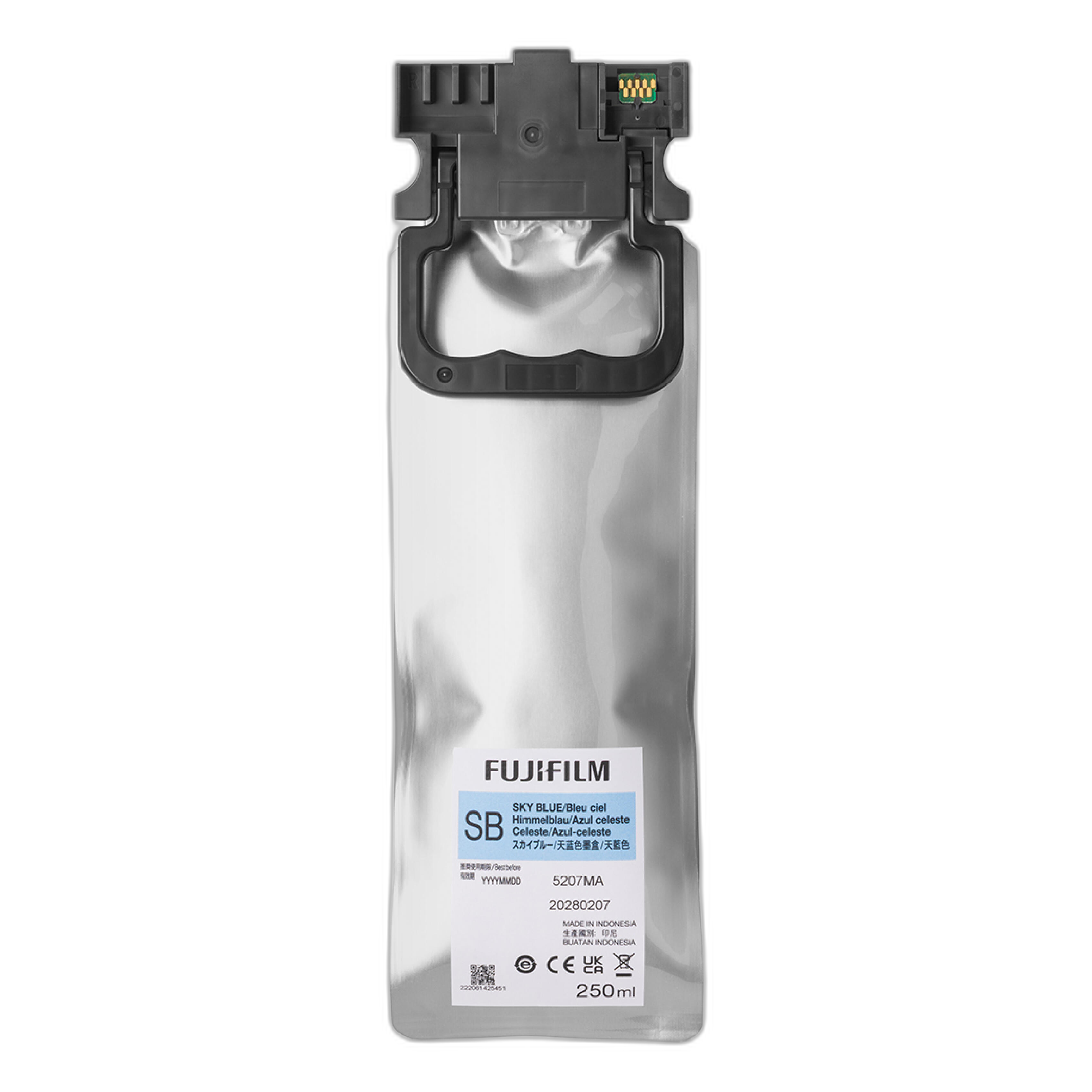
Photographers building a more traditional analog workflow may also appreciate access to darkroom-related products and supplies. Unique Photo carries a range of film and darkroom categories, and products tied to printing workflows, including Fujifilm paper options used in lab and darkroom environments.
Who should use a film lab?
Using a lab may be the better option if:
- You only shoot film occasionally
- You value convenience more than process
- You primarily shoot color film or slide film
- You want professional scans without buying scanning equipment
- You do not have space to store chemistry and tools
- You want dependable results with minimal trial and error
For many people, there is no shame in choosing convenience. In fact, a trusted lab can make shooting film more enjoyable because it removes the most time-consuming part of the workflow.
Can you do both? A hybrid film workflow
Absolutely. Many photographers use a hybrid approach:
- Develop black-and-white film at home
- Send color film to a lab
- Scan negatives at home
- Order finished prints from a lab
This is often the most practical middle ground. You gain hands-on experience and some cost savings, while still relying on professional services when they make the most sense. Unique Photo is a natural resource for that kind of workflow, whether you are buying supplies, exploring film cameras, or ordering prints from your finished images.
How to choose between home film developing and lab developing
If you are still undecided, ask yourself these questions:
- How many rolls do I shoot each month?
- Do I enjoy process-oriented photography?
- Do I have room to store chemistry and equipment?
- Am I mostly shooting black-and-white or color?
- Do I need fast turnaround?
- Would I rather spend time learning or pay for convenience?
If your answers lean toward control, experimentation, and volume, home developing may be worth the investment. If they lean toward simplicity, consistency, and convenience, a lab is probably the better fit.
Final thoughts on film developing at home vs lab
There is no universal winner in the film developing at home vs lab debate. Home processing offers control, creative satisfaction, and lower long-term costs. Lab processing offers convenience, consistency, and easier access to scans and prints. The best choice comes down to how you shoot and how involved you want to be in the analog process.
At Unique Photo, film photographers can find inspiration, lab services, printing options, and gear to support either approach. If you are just getting started, a lab may be the easiest entry point. If you are ready to go deeper into analog photography, home developing can become one of the most satisfying parts of the craft.
For helpful next steps, consider linking readers to related Unique Photo pages such as film cameras, darkroom supplies, lab services, and photo prints to support every stage of the film workflow.