First Medium Format Camera FAQ: Best Beginner Film Choices
Medium format film is one of the most rewarding ways to slow down and make more deliberate photographs. If you're considering your first 120 camera, the biggest questions usually come down to format, handling, reliability, and the real cost of shooting film over time.
At Unique Photo, we help photographers get started with film every day, and the best first medium format camera is usually the one that fits how you like to shoot. Below, we break down the most common beginner questions so you can choose a system with confidence.
Is it better to start with a Mamiya 645-style camera or go straight to a Pentax 67-style system?
For most beginners, a 645 camera is the easier starting point. Cameras in the 645 class tend to be more compact, lighter, and a little less intimidating to carry all day. They also give you more frames per roll than larger 6x7 systems, which can make practice more affordable and help you learn faster.
A Pentax 67-style camera appeals to photographers who want a larger negative, a more dramatic rendering, and handling that feels closer to a 35mm SLR scaled up. The tradeoff is size, weight, and operating cost per image. If you plan to shoot handheld for long sessions, travel often, or simply want a gentler introduction to medium format, 645 is usually the more forgiving path. If your goal is portraiture, tripod-based work, or the classic large-negative look and you are comfortable with a heavier kit, a 6x7 system may be worth the jump.
Whichever direction you choose, carrying comfort matters more than many beginners expect. A supportive strap like the PGYTECH Camera Strap Slim - Vintage-Olive Green can make a film body much more pleasant to use on long walks or portrait sessions.
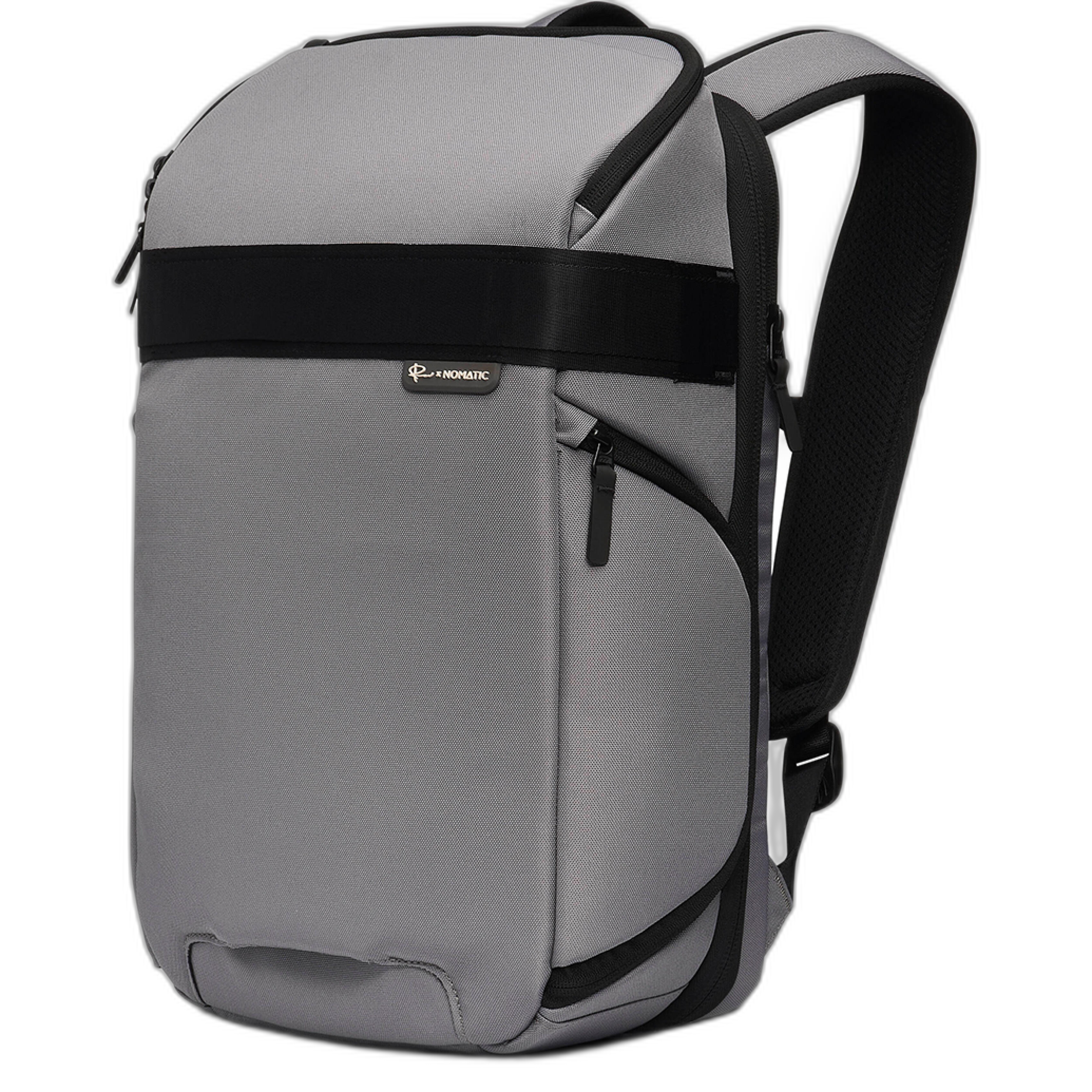
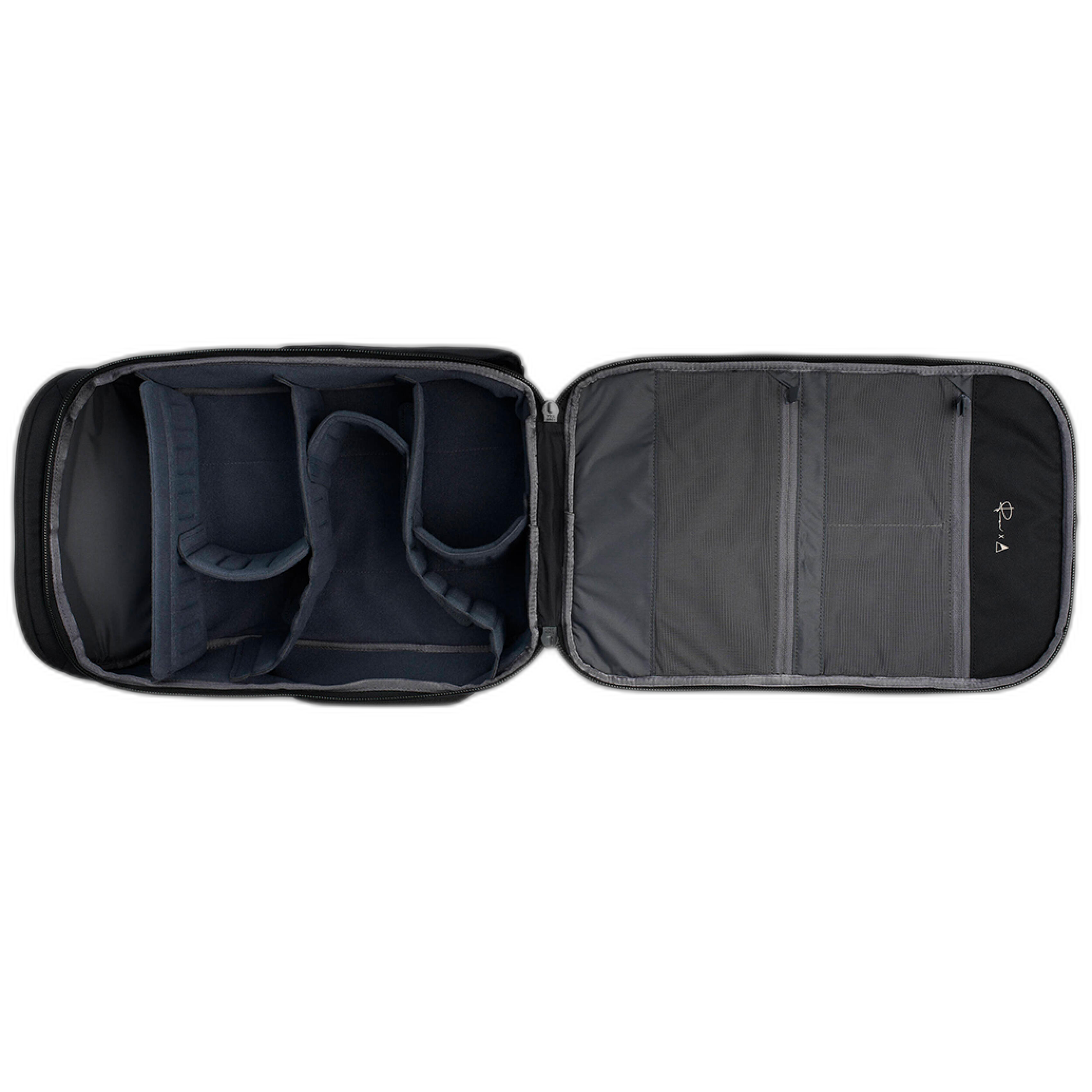
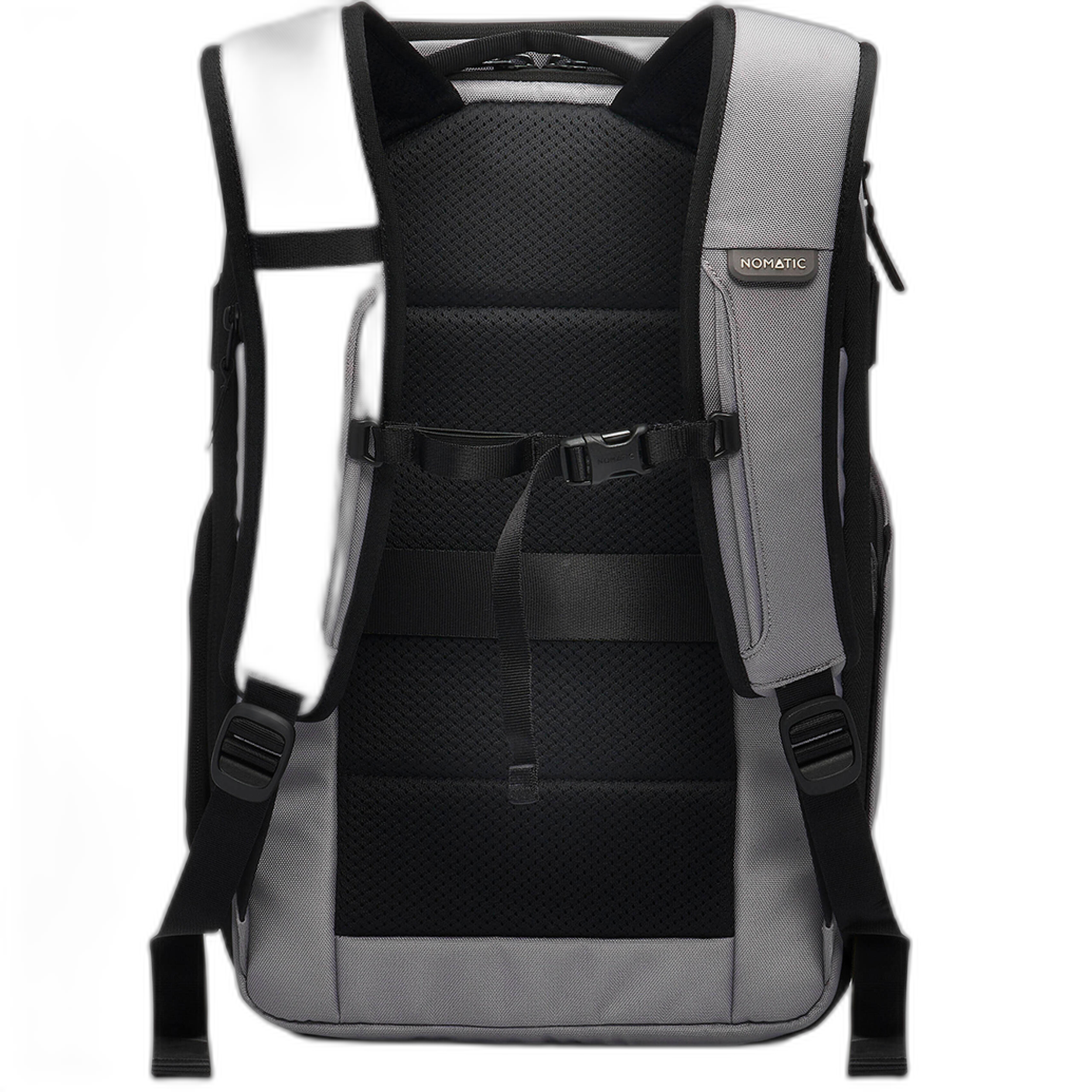
A compact bag also helps keep a medium format kit practical. The Nomatic Luma Camera Pack 18L - Stone is a smart choice for carrying a film body, extra rolls, and accessories without overpacking.
Are there reliable medium format cameras under $500 for beginners?
Yes, but expectations matter. In the used film market, the most affordable medium format cameras are often TLRs, folding cameras, older fixed-lens models, or entry-level modular systems with some cosmetic wear. It is absolutely possible to find a good beginner camera under $500, but condition is more important than brand prestige.
When shopping used, pay attention to shutter accuracy, frame spacing, film transport smoothness, light seal condition if applicable, viewfinder brightness, and lens haze or fungus. A bargain body that needs immediate service can quickly cost more than a better-maintained example. Beginners are often better served by a clean, working camera with a straightforward feature set than by a famous model sold cheaply because it has unresolved issues.
That is one reason buying used gear from an established camera retailer matters. At Unique Photo, used equipment is curated so shoppers can compare condition and value more confidently than they often can in person-to-person sales.
What are the main handling differences between TLRs and SLRs?
TLRs and SLRs create very different shooting experiences. A TLR, or twin-lens reflex camera, is usually quieter, more compact front-to-back, and often easier to handhold at slower shutter speeds because you view from the waist-level finder. Many photographers love TLRs for street photography, portraits, and slower-paced shooting because they encourage careful composition and can feel less obtrusive.
SLRs are generally easier for beginners coming from 35mm cameras. You see directly through the taking lens, which makes focusing and framing more intuitive, especially at closer distances or with interchangeable lenses. If you expect to change focal lengths often or want more familiar ergonomics, a medium format SLR may feel more natural.
The downside is that SLRs are usually larger, louder, and sometimes more vibration-prone. TLRs tend to be simpler, but they also require adjustment to waist-level viewing and may have limitations in close focusing unless accessories are used. If possible, handling both styles before buying is ideal.
How much more expensive is shooting 120 film compared to 35mm?
On a per-roll basis, 120 film can be similar to or slightly more expensive than 35mm depending on the stock. The bigger cost difference shows up in cost per frame. A roll of 35mm might give you 24 or 36 exposures, while medium format often gives you 8, 10, 12, 15, or 16 depending on the format. That means each click carries more value, and developing plus scanning costs are spread across fewer images.
For example, a 645 camera gives more frames per roll than a 6x7 camera, so it is often the more economical way to start in medium format. If your budget is tight, choosing a smaller medium format frame size can significantly reduce the cost of learning. Many photographers also save money by being more selective with each frame, which is one of the creative advantages of film in the first place.
Beyond film and processing, remember to budget for storage and transport. A dedicated camera bag helps keep unexposed and exposed rolls organized. The Nomatic Luma Camera Pack 18L is especially useful if you plan to carry film, a meter, and a second lens or accessory kit.
What medium format format size is best for a beginner: 6x4.5, 6x6, or 6x7?
If you are new to medium format, 6x4.5 is often the most practical place to begin. It gives you more exposures per roll, the cameras can be easier to carry, and the rectangular frame feels familiar if you are used to 35mm or digital. This makes 645 a strong choice for photographers who want a balance of image quality, affordability, and convenience.
6x6 is ideal for photographers who like square composition or want the flexibility to crop later. It is especially common in TLR systems, and many shooters enjoy how it changes the way they see and compose. 6x7 is favored by those who want a larger negative and a frame shape well suited to portrait and editorial work, but it usually comes with heavier gear and fewer frames per roll.
There is no universally best format, only the one that best matches your subject matter, budget, and shooting style. If you want the easiest all-around entry point, 645 remains the safest recommendation for most first-time medium format buyers.
Should a beginner buy a fully mechanical camera or an electronically controlled one?
Mechanical cameras are often appealing because they can feel more durable and may remain usable even if batteries are unavailable or only needed for metering. They are also popular with photographers who want a more tactile, classic shooting experience. Electronically controlled cameras may offer more convenience, better metering, and easier operation, but they can be harder to service if a specific electronic component fails.
For a beginner, overall condition and serviceability matter more than whether the shutter is mechanical or electronic. A reliable camera with accessible batteries and a clean lens is a better investment than a more romantic choice that is difficult to maintain. If you are buying older gear, ask not just whether it powers on, but whether it has been film-tested and whether shutter speeds are consistent.
What should I inspect before buying a used medium format camera?
Start with the lens. Check for haze, fungus, deep scratches, separation, or excessive dust. Then inspect the focusing action, aperture blades, shutter operation, film advance, frame counter, and viewfinder. If the camera has interchangeable backs or inserts, make sure they lock securely and that spacing is consistent. Look at seals, mirror condition, and battery compartments where applicable.
Cosmetic wear is usually less important than mechanical health. Some used film cameras are sold strictly for parts or repair, and that can be fine for collectors but frustrating for first-time shooters. For example, specialty used pieces such as the Used Ermanox Ernemann Camera With 100MM F/2 - As Is *Needs Shutter Replaceme are better suited to enthusiasts who understand restoration risk than to someone buying a first working medium format setup.
Support gear matters too. A good strap and bag reduce the odds of accidental damage while making the camera more enjoyable to carry regularly.
What accessories should I budget for with my first medium format camera?
The essentials are simple: film, a protective bag, a comfortable strap, and possibly a handheld light meter if your camera does not have one. If your system uses interchangeable lenses or backs, you may eventually add inserts, caps, filters, or a tripod, but those can come later.
A reliable carrying solution is one of the smartest early purchases because medium format gear is bulkier than many first-time buyers expect. The Nomatic Luma Camera Pack 18L offers a clean, modern way to carry a film kit, while a slim strap can make a substantial difference during longer shoots.
Keeping your setup compact and comfortable will help you bring it out more often, and more shooting is what really accelerates learning.
Is medium format a good choice for someone completely new to film?
It can be, especially if you are drawn to slower, more intentional photography. Medium format rewards careful composition and often delivers a look that many photographers find immediately inspiring. That said, it is not always the cheapest way to learn film basics. If your main goal is to practice exposure, loading film, and developing habits at the lowest cost, 35mm is usually more forgiving.
If what excites you is the medium format image itself, there is no rule saying you must start smaller. Just be realistic about costs, choose a dependable camera, and begin with a straightforward system instead of the most complex option available.
Ready to start your film journey? Shop used cameras, camera bags, and essential accessories at Unique Photo, and build a medium format kit that matches your budget and shooting style.