First Full-Frame Camera FAQ: When to Upgrade and What to Buy
Moving from an entry-level camera to full-frame is one of the most common upgrade questions we hear at Unique Photo. The right answer depends on what you shoot, how often you run into your current camera's limits, and whether a larger sensor will actually improve your workflow as much as you expect.
For many photographers and hybrid creators, full-frame can deliver clear benefits in low light, depth of field control, and overall file flexibility. At the same time, APS-C still makes excellent sense for plenty of users, so the smartest upgrade path is the one that matches your shooting style and budget.
Is it worth jumping to full-frame, or should I stay with APS-C longer?
Full-frame is worth considering when your current APS-C camera consistently holds you back. Common signs include struggling in low light, wanting cleaner high-ISO files, needing more dynamic range for difficult scenes, or wanting easier subject separation for portraits and interviews. If your images are already delivering what you need and your main limitation is technique, lighting, or lenses, staying with APS-C a bit longer can still be the better value.
At Unique Photo, we usually suggest thinking beyond sensor size alone. A full-frame body often leads to a broader system investment, including lenses, media, batteries, and support gear. If you are ready for that step and want a camera that can grow with your work, full-frame is often a meaningful upgrade rather than just a spec-sheet change.
What real image quality improvements should I expect from full-frame?
The biggest differences are usually seen in low-light performance, tonal flexibility, and depth of field options. A larger sensor can gather more light, which often translates into cleaner files at higher ISO settings and smoother transitions in shadows and highlights. That matters for event coverage, indoor work, documentary shooting, and any situation where you cannot fully control the light.
You may also notice that wide-angle work feels easier and portrait backgrounds can look more naturally blurred at equivalent framing. That said, full-frame is not magic. Good exposure, strong lenses, and solid editing technique still matter more than sensor size alone.
What is the most affordable way to get into full-frame right now?
For shoppers focused on value, used gear can be one of the smartest entry points. A pre-owned full-frame body lets you step up in sensor size while keeping your budget under control, and it can free up room to invest in the lenses and accessories that often make an even bigger practical difference.
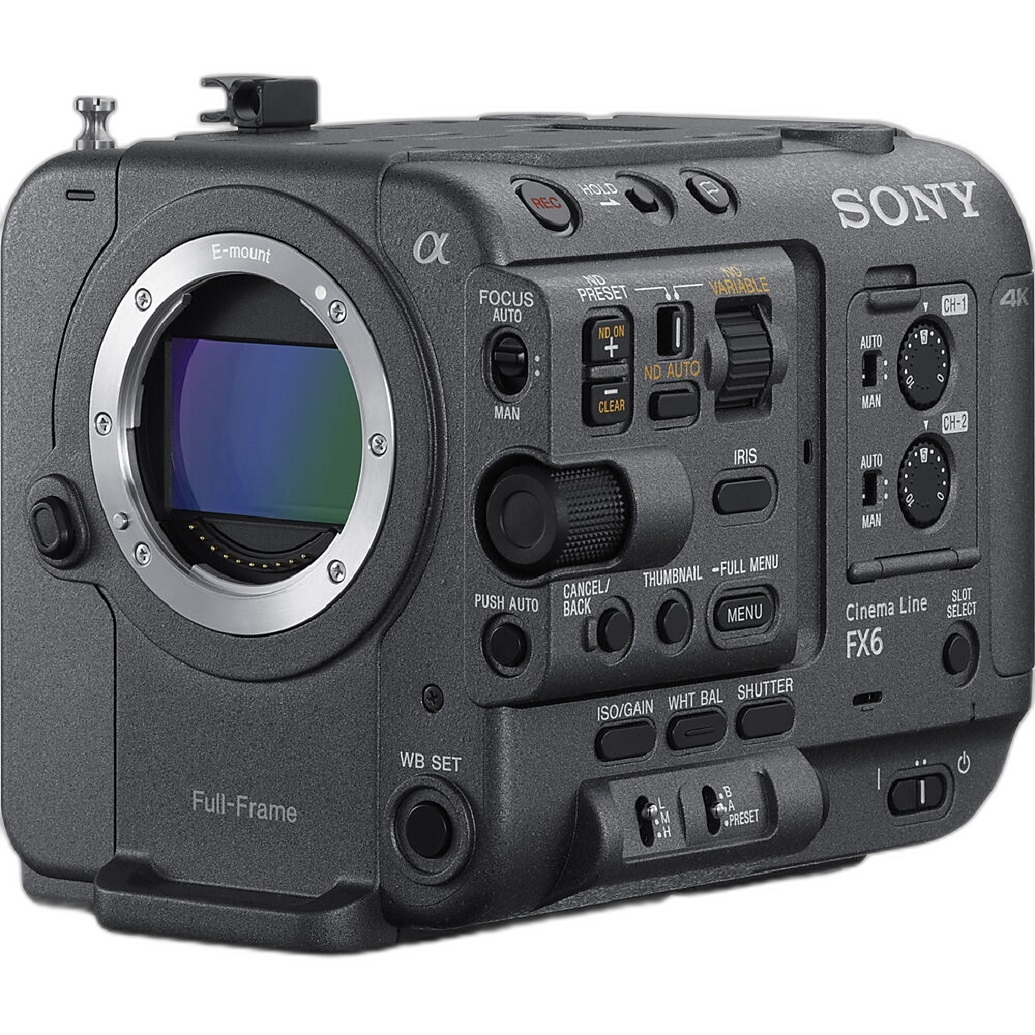
For example, a used option like the Sony FX6 Full-Frame Cinema Camera can be a compelling route for creators focused on professional video production who want strong low-light performance and a proven full-frame platform at a better price than buying new.
Photographers who prefer a DSLR experience may also consider the used Canon 1DX II Full Frame DSLR as a lower-cost path into full-frame shooting, especially if they want a rugged body and already work within the Canon ecosystem. When buying used, condition, shutter count, battery health, and lens compatibility should all be part of the decision.
Which full-frame cameras make the most sense for hybrid creators and video-focused shooters?
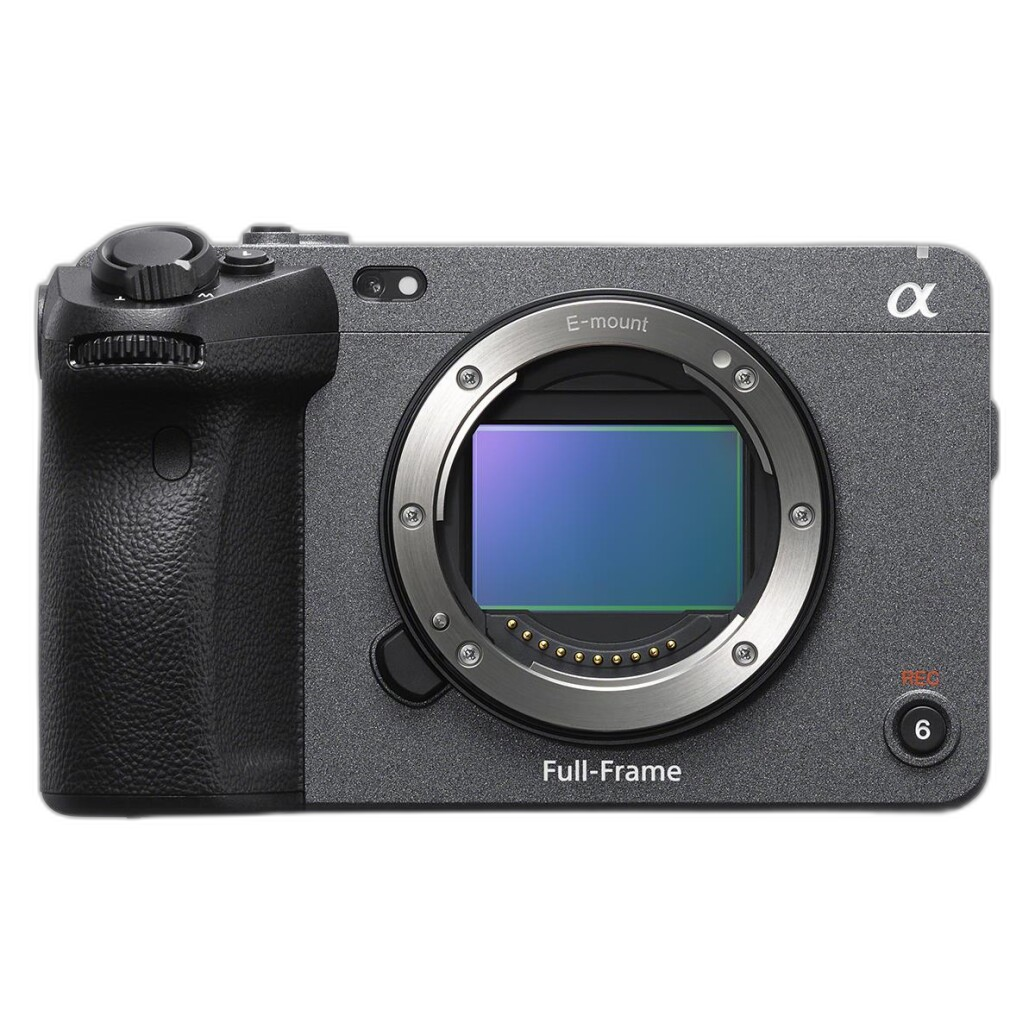
If your work blends stills, video, and content creation, choosing a full-frame camera is less about the sensor itself and more about how the body fits your shooting style. For solo operators, compact bodies with excellent autofocus and strong video features can be especially appealing. The Sony FX3 is a standout full-frame choice for creators who want professional video capability in a relatively compact form factor.
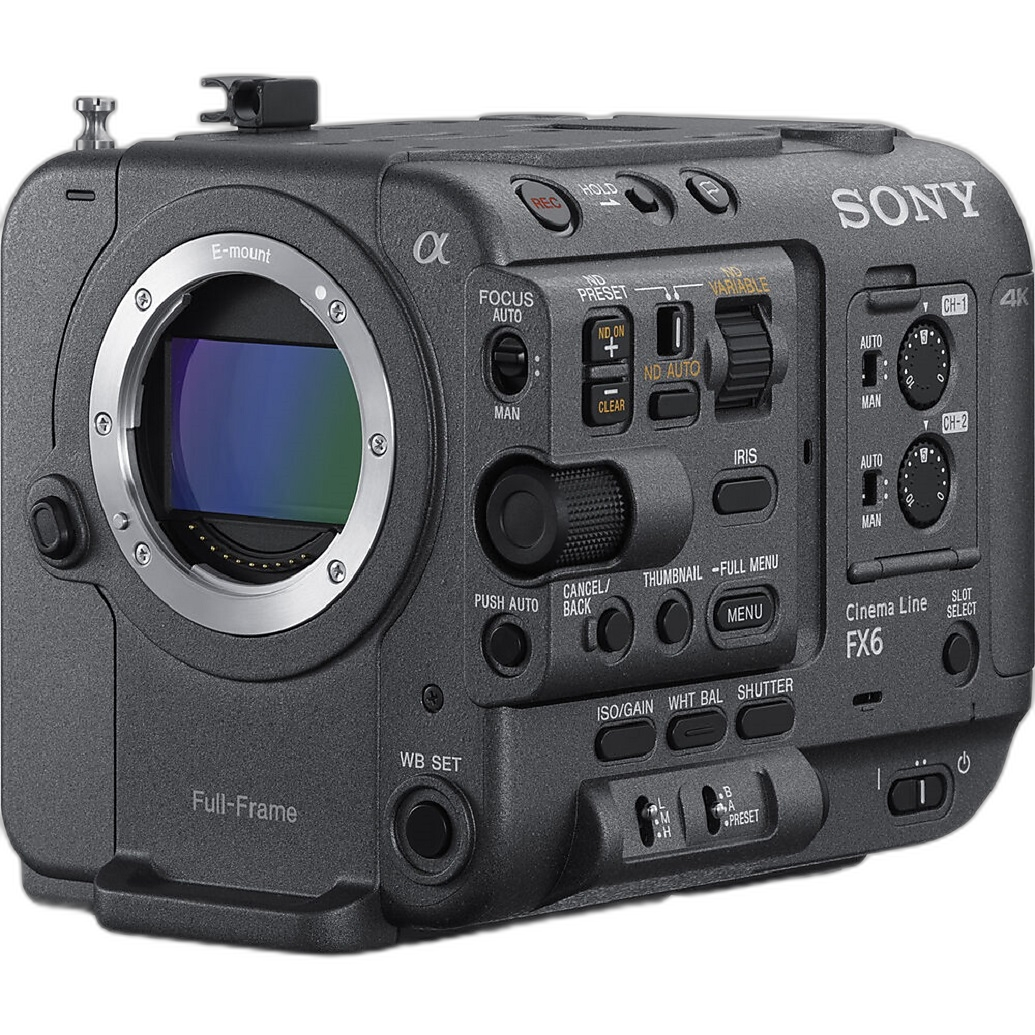
For productions that need more advanced connectivity, ergonomics, and cinema-oriented control, the Sony FX6 is another strong option. It is often a natural step up for users who need a more production-ready setup for interviews, event coverage, commercial work, or documentary projects.
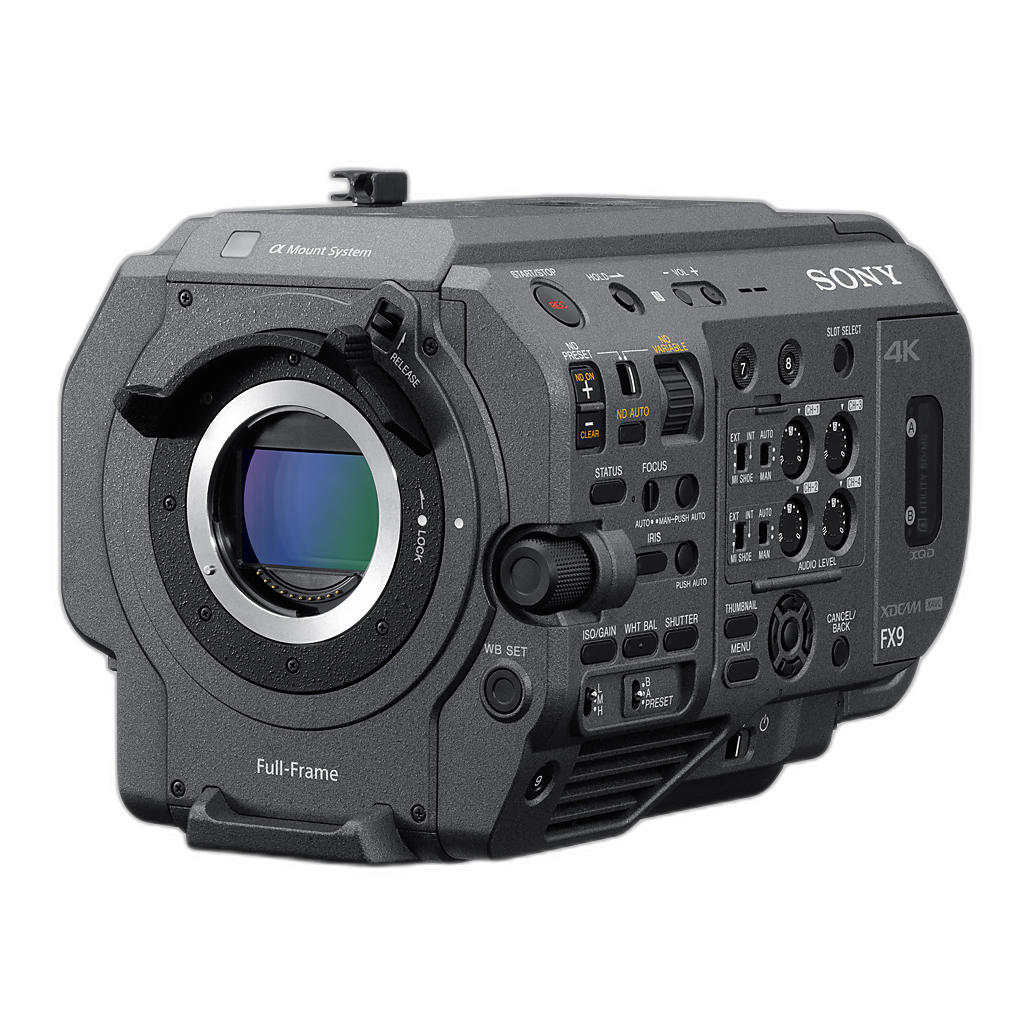
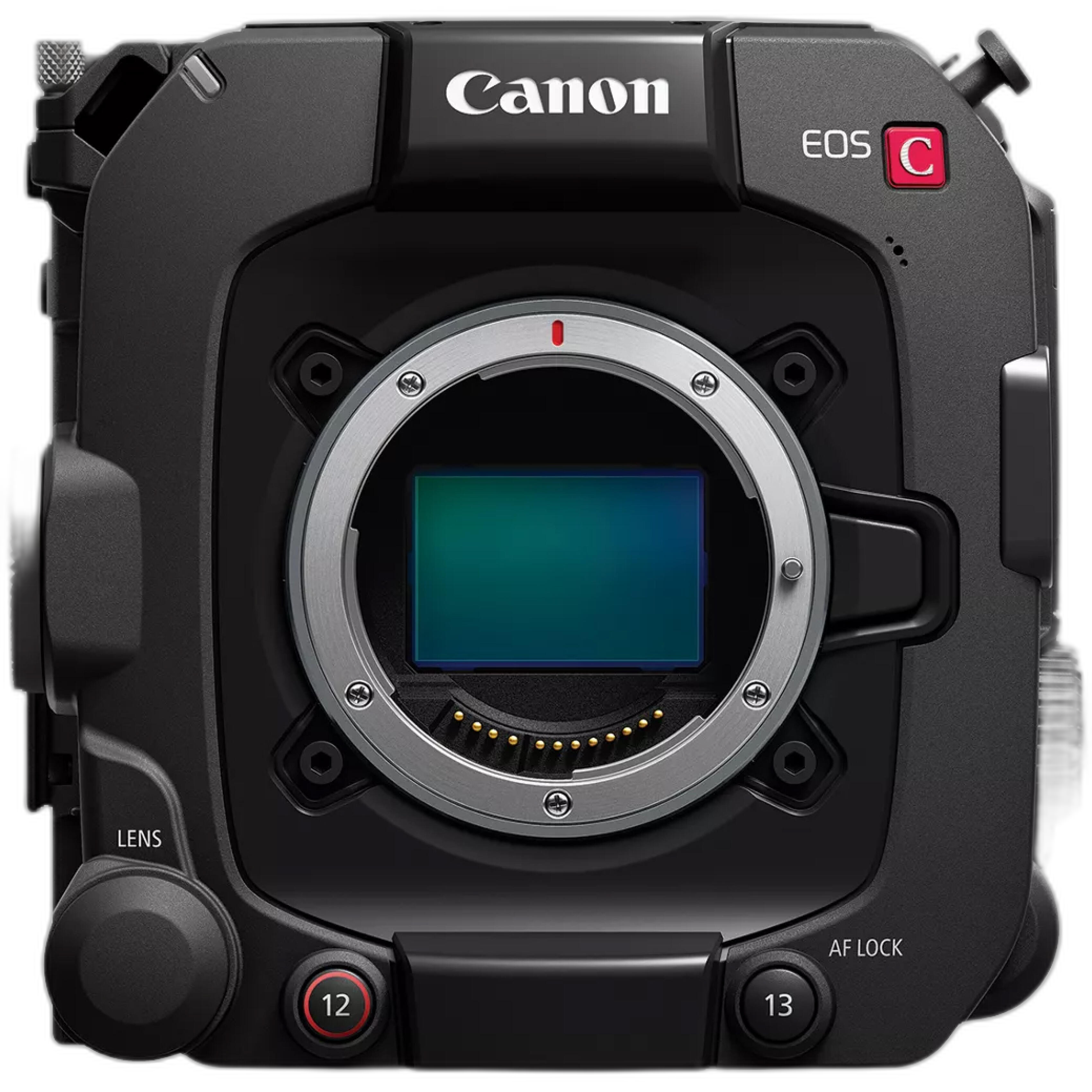
If your workflow is higher-end or broadcast-oriented, the Sony PXW-FX9 and Canon EOS C400 offer even more room to grow, with robust feature sets for demanding professional environments.
How does workflow change after moving to full-frame?
Most users notice workflow changes in three areas: shooting flexibility, file handling, and lens choices. On the shooting side, full-frame often gives you more confidence in mixed or low light, which can reduce the need for heavy noise reduction later. You may find that your files need less rescue work in post, especially when recovering shadows or balancing bright highlights.
At the same time, your workflow may become more demanding in practical ways. Full-frame systems can encourage larger lenses, higher-capacity storage, and more powerful editing hardware, especially if you move into advanced codecs or high-resolution video. In other words, the creative benefits are real, but the total system impact should be part of your plan.
Will full-frame automatically make my photos or videos look more professional?
No camera format automatically creates better work. Full-frame can help you achieve certain looks more easily, particularly shallow depth of field and stronger low-light results, but composition, timing, lighting, audio, and lens selection still shape the final result far more than the sensor size alone.
What full-frame often does is remove obstacles. If your current camera forces compromises in dim venues, fast-moving situations, or high-contrast scenes, a larger sensor can make your process smoother and more consistent. That improvement feels professional not because of the label, but because it helps you deliver reliable results.
Who should wait before upgrading to full-frame?
You may want to wait if your current APS-C setup still meets your needs, your best lenses are not yet in place, or your budget only covers a body without the rest of the system. In many cases, a better lens, flash, tripod, microphone, or editing upgrade will have a bigger immediate impact than switching formats.
It also makes sense to pause if your main goal is portability or if you mostly shoot in good light for social sharing, travel snapshots, or casual family use. APS-C remains an excellent choice for many photographers, and there is no rule that says full-frame is the next mandatory step.
What should I prioritize when choosing my first full-frame camera?
Start with your actual use case. Ask whether you shoot mostly stills, mostly video, or a mix of both. Then evaluate autofocus performance, lens ecosystem, handling, media costs, battery life, and how much room the camera gives you to grow. A camera that is slightly less glamorous on paper but easier to use consistently is usually the better investment.
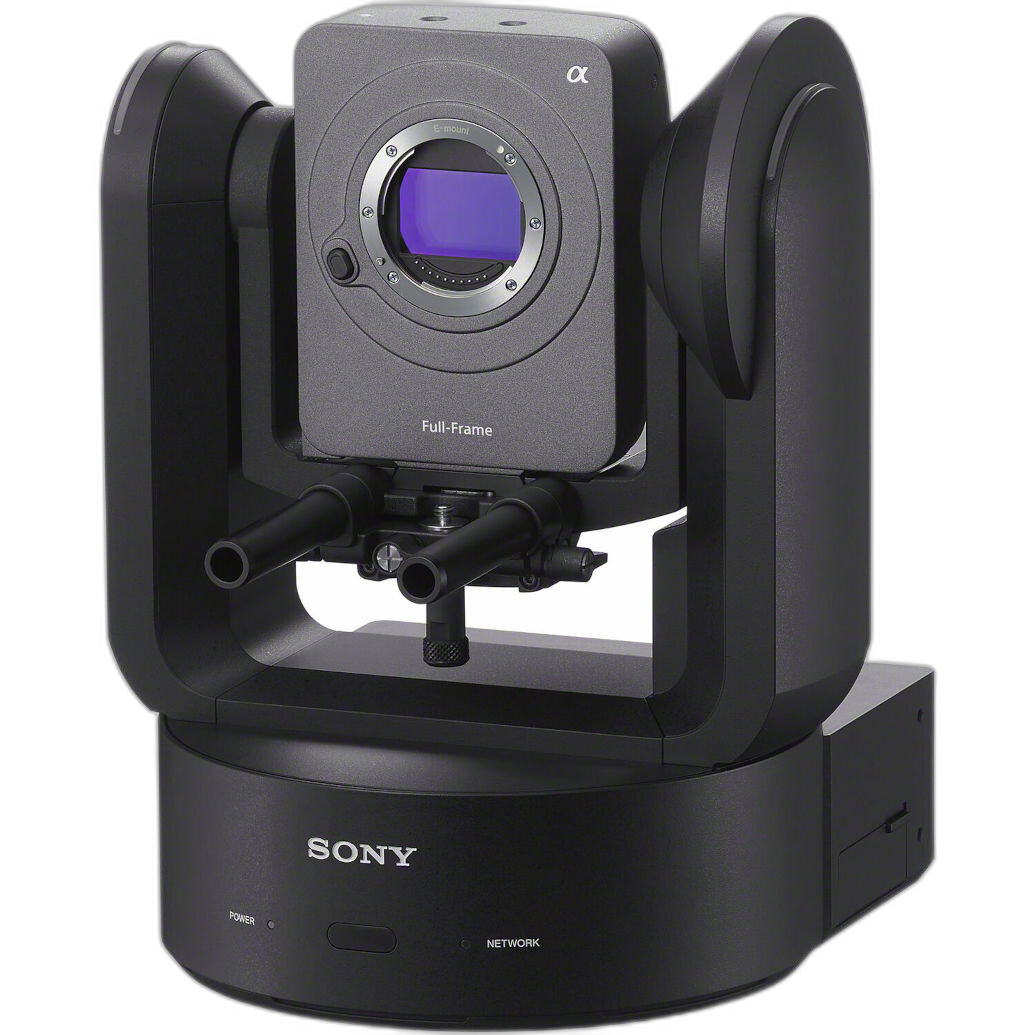
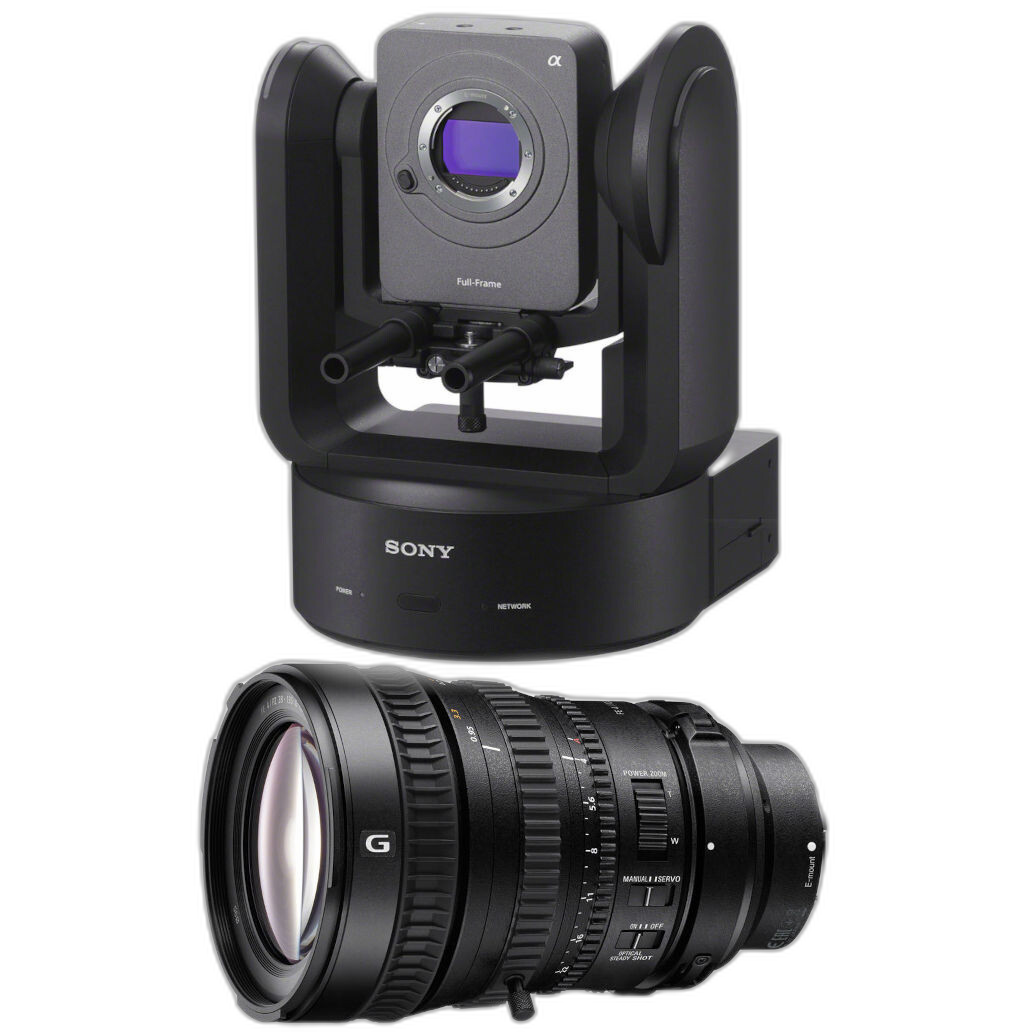
For specialized installations or multi-camera environments, Unique Photo also carries options like the Sony FR7 Cinema Line Full-Frame PTZ Robotic Camera, including a kit with a 28-135mm zoom lens. These are less about a first personal upgrade and more about professional studio, worship, event, and remote production use, but they show how broad the full-frame category has become.
So, what is the best first full-frame camera?
The best first full-frame camera is the one that solves your current limitations without pushing you into the wrong system or budget. For many creators, that means finding a balanced, capable body with strong autofocus, dependable low-light performance, and access to lenses they can afford long term. For value-minded buyers, used full-frame gear can be an excellent way to make the jump responsibly.
If you are ready to compare options in person, the team at Unique Photo can help you evaluate whether full-frame is the right move now, and which model best fits your shooting goals. Explore our new and used full-frame camera selection, and let us help you build a system that makes your upgrade truly worthwhile.