First Camera FAQ: How Beginners Can Buy Smarter and Grow Faster
Buying your first camera can feel overwhelming. New photographers usually want the best balance of price, ease of use, image quality, and room to grow without spending money on features they may not need right away. At Unique Photo, we help beginners narrow the field by focusing on how you actually plan to shoot, what you want to learn next, and which tools will support you as your skills improve.
The good news is that a strong beginner setup is not just about the camera body. Education, practical training, and a few smart accessories often make a bigger difference than chasing the most advanced spec sheet. Here are the most common questions first-time buyers ask us.
What should beginners look for in a first camera?
For most first-time photographers, the best first camera is one that is easy to use today but capable enough to grow with you tomorrow. Look for intuitive controls, good autofocus, dependable image quality, comfortable handling, and lens options that let you expand into portraits, travel, sports, or video later on. A camera that encourages you to shoot often is usually a better choice than one with advanced features you rarely use.
We also recommend thinking beyond megapixels. Menu design, grip comfort, viewfinder quality, battery life, and how easy it is to transfer images can matter more in day-to-day use. If you are just getting started and want guided instruction to build confidence, Unique Photo classes can be just as valuable as gear. For example, our beginner-focused learning experiences help new photographers understand settings, exposure, and workflow in a practical way.
Is it better to buy the cheapest camera possible or spend a little more?
The cheapest option is not always the best value. Entry-level cameras can produce excellent images, but buying strictly by price may leave you with limited controls, fewer lens choices, or features you outgrow quickly. In many cases, spending a little more upfront on a more flexible system can save money over time because you will not feel pressured to replace it as soon.
That said, beginners should stay realistic. You do not need a professional flagship body to learn photography. A smart approach is to set a total budget that includes the camera, a lens, memory card, spare battery, and possibly a class or book. Education helps you get more from your investment, which is why many first-time buyers also benefit from foundational resources and workshops before upgrading gear.
Should I prioritize still photography, video, or a camera that does both?
Your answer depends on what you want to create most often. If your main goal is family photos, travel images, portraits, and everyday shooting, prioritize a camera with straightforward photo controls, strong autofocus, and a good starter lens. If you are equally interested in video, look for clean video features, stabilization options, microphone support, and easy-to-navigate recording settings.
Many beginners today want a hybrid setup that handles both. That can be a great long-term choice, especially if you plan to explore content creation. To build skills faster, consider adding education tailored to your interests. Unique Photo offers learning opportunities such as beginner videography sessions and classes designed to help photographers branch into motion work.
For those who want to understand the transition from stills to video more deeply, a practical guide can also help clarify terminology, gear choices, and shooting techniques.
How important is lens selection when choosing a camera system?
Lens selection is one of the most important parts of the decision. When you buy into a camera system, you are really buying into its lens ecosystem and upgrade path. A good beginner camera becomes much more capable when paired with the right lens, whether that means a versatile zoom for travel, a bright prime lens for portraits, or a telephoto for sports and wildlife.
That is why upgradability matters. Even if you start with a basic kit lens, you want access to better lenses later without switching systems entirely. If you are unsure where to begin, start by identifying your favorite subjects. Portrait shooters may eventually want a fast prime, while travelers often prefer a compact all-purpose zoom. At Unique Photo, we help customers match current needs with future plans so their first purchase continues to make sense six months and two years down the road.
Do I need to understand manual mode before buying a camera?
No. A beginner-friendly camera should help you get great results in automatic and semi-automatic modes while giving you room to learn manual settings over time. Aperture priority, shutter priority, and exposure compensation are often the best stepping stones for new photographers. They let you control the creative parts of the image without requiring total manual setup for every shot.
Learning the fundamentals early is still worthwhile. Focus, exposure, depth of field, and subject movement all affect image quality more than many beginners expect. A targeted educational resource can speed up that learning curve considerably. For example, understanding how autofocus works and how to control it can dramatically improve portraits, action shots, and low-light performance.
Should beginners buy gear online, in-store, or through a trusted photo retailer?
For a first camera, buying from a trusted photo retailer is usually the best move. Beginners often benefit from expert guidance, hands-on comparison, warranty support, and the ability to ask follow-up questions after the purchase. A specialist retailer can also help you avoid mismatched accessories, unclear return policies, or gray-market concerns that sometimes come with less reliable sources.
At Unique Photo, we believe the buying experience should be educational, not intimidating. If you can see and hold a camera before buying, you will quickly learn whether it feels comfortable, whether the menu system makes sense, and whether it fits the way you want to shoot. That kind of confidence matters, especially for first-time buyers.
What helps a beginner improve faster after buying a camera?
The fastest way to improve is to combine regular shooting with structured learning. Practice teaches consistency, but classes and workshops can help you solve problems much more quickly. Beginners often struggle with focus, exposure, file handling, and editing. Addressing those areas early makes photography more enjoyable and reduces frustration.
Post-processing is a great example. Even a strong first camera reaches its full potential when you know how to organize, adjust, and finish your images. Unique Photo offers training that helps beginners build a complete workflow, from capture to edit.
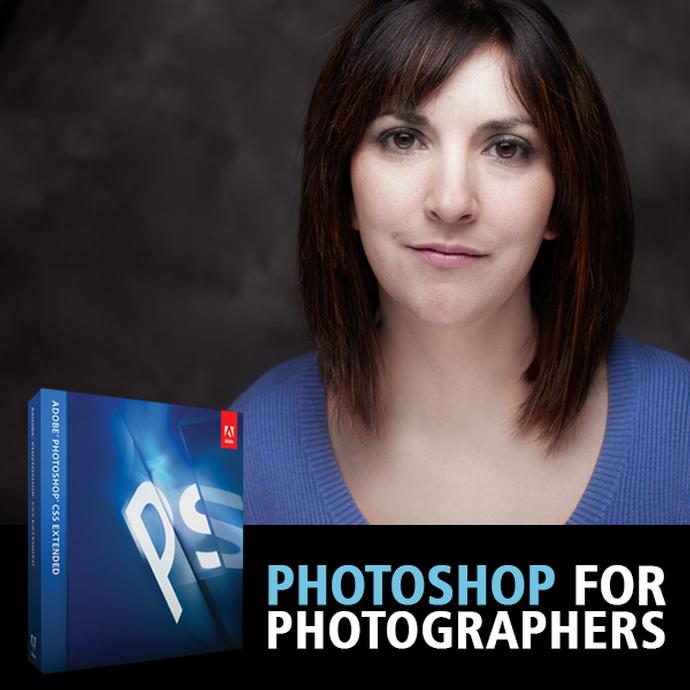
If portraits are your focus, beginner retouching classes can also help you polish your work without over-editing.
Is it smart to think about advanced systems and future upgrades right away?
Yes, but only in a practical way. You do not need to buy an advanced body immediately, but you should think about whether your first camera system supports the genres you may want to explore later. A beginner interested in street photography may eventually want compact prime lenses and manual control. Someone drawn to hybrid shooting may care more about video tools and microphone compatibility. Planning ahead helps you choose a system that grows with you instead of boxing you in.
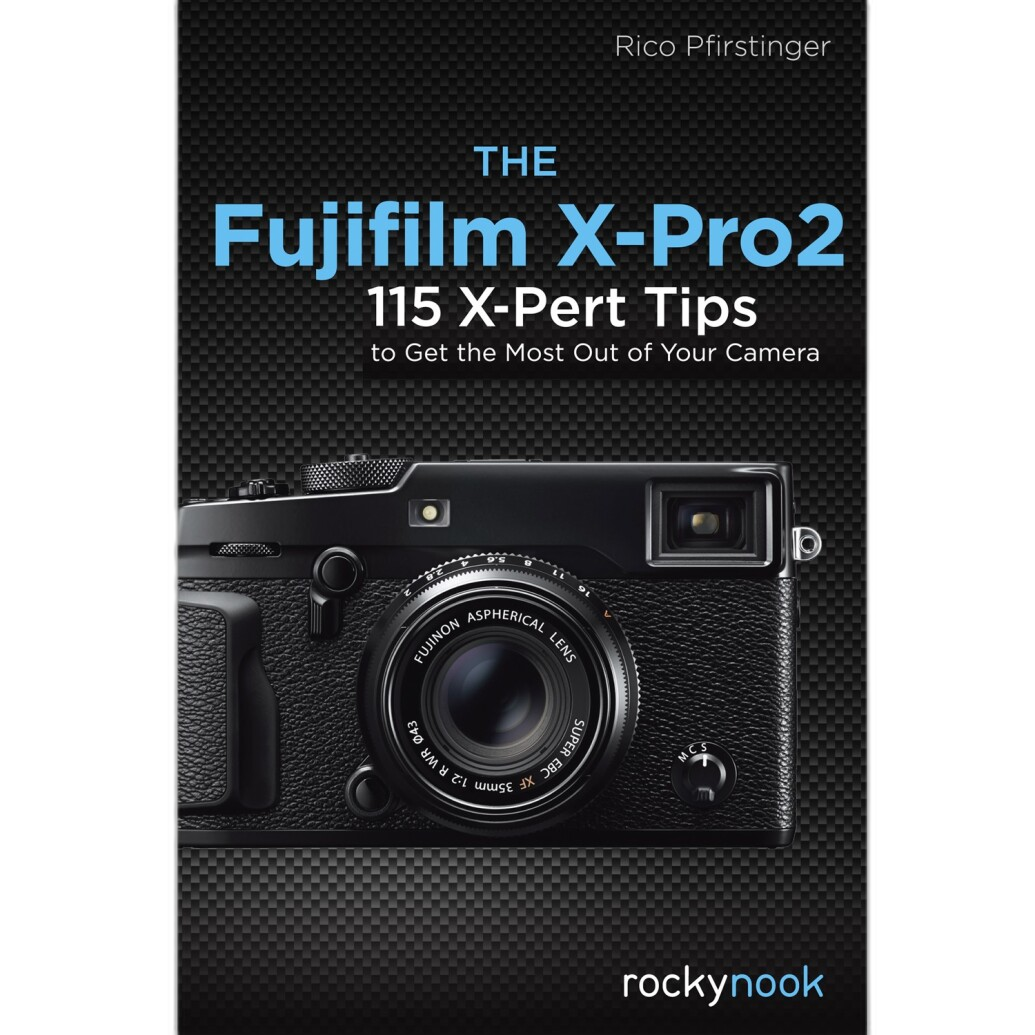
Books and system-specific learning resources can also make future upgrades feel less intimidating. If you already know you are interested in a particular brand or shooting style, adding a trusted reference to your kit can help you learn the platform more effectively as your skills develop.
What is the best first step if I still feel unsure?
If you are undecided, start by defining three things: your budget, your main subjects, and whether video matters to you. That framework immediately narrows the field. From there, compare how each camera feels in hand, how easy its controls seem, and whether the system offers lenses and accessories you can grow into.
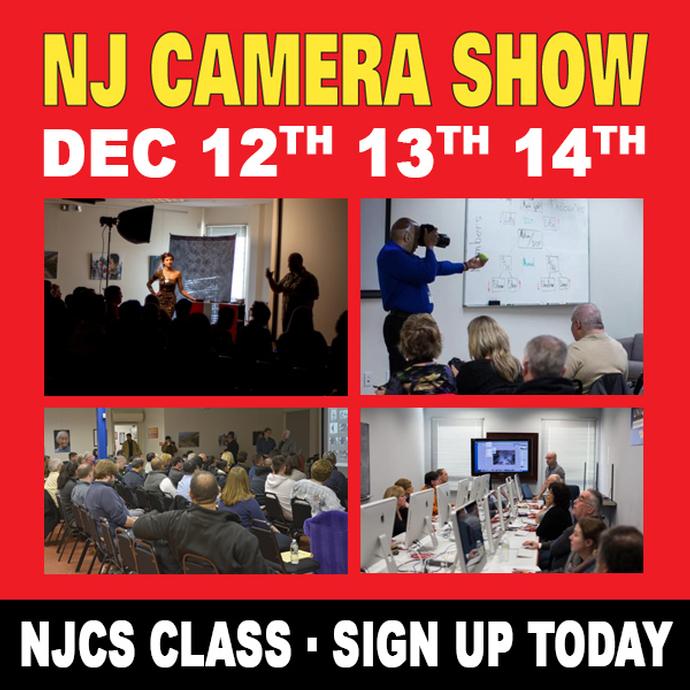
Many beginners also gain confidence by taking a class before or soon after buying. Learning from experienced instructors can make the whole process feel clearer and more rewarding, especially if you want to avoid common early mistakes.
Your first camera should make photography exciting, not stressful. If you are ready to compare beginner-friendly options, build a practical starter kit, or strengthen your skills with classes and learning resources, visit Unique Photo for expert guidance, hands-on support, and tools that help you keep growing long after your first purchase.