Photography contests can be a great way to gain exposure, sharpen your editing and sequencing skills, and give yourself a real deadline to work toward. But not every competition is worth your time, entry fee, or best images. In 2024, the smartest approach is to be selective: look for contests that fit your style, support your long-term goals, and present your work professionally from submission through final print. Here are practical tips to help you find the right photography contests and choose the ones that truly deserve your attention.
Start With Your Goal Before You Start Searching
1. Decide what you want to gain from entering
Before you submit to anything, define success for yourself. Are you trying to build your resume, reach gallery curators, win gear or cash, get published, or simply challenge yourself creatively? Your goal should shape the kind of contest you enter. A fine art photographer may prioritize juried exhibitions and print-based competitions, while a commercial shooter may benefit more from industry-recognized awards with strong marketing visibility.
If you are building the business side of your photography at the same time, a resource like Rocky Nook's Best Business Practices for Photographers by John Harrington can be a useful companion for thinking through rights, licensing, fees, and professional presentation as your contest work starts attracting attention.
Research the Contest, Not Just the Prize
2. Check the organizer's reputation and audience
A big prize is exciting, but the real value often comes from who is behind the contest. Look for competitions run by respected galleries, publications, nonprofits, camera organizations, or established brands in the photo industry. Review past winners, judge panels, exhibition history, and whether finalists received meaningful promotion.
Also ask: who will actually see the work? A smaller contest with a focused audience may be more valuable than a large one with little follow-through. If the contest archives previous winning images and artist profiles online, that is usually a good sign that entrants are being taken seriously.
3. Read the rights and usage terms carefully
One of the most important steps is reading the fine print. Some contests only request limited rights to promote the competition and credited winners. Others may claim broad, perpetual usage rights over every submitted image, whether it wins or not. That should give you pause.
Make sure you understand what happens to your image files after submission, whether exclusivity is required, and how attribution is handled. If a contest is vague about image rights, contact the organizer or move on to one with clearer terms.
Choose Contests That Match Your Work
4. Enter categories that genuinely fit your style
It is tempting to stretch your work to fit a popular category, but your odds are usually better when your images feel natural in the field you enter. Landscape, portrait, documentary, conceptual, macro, architecture, and fine art competitions all tend to reward different visual choices. A strong body of work with a clear voice often outperforms an image that feels generic but technically polished.
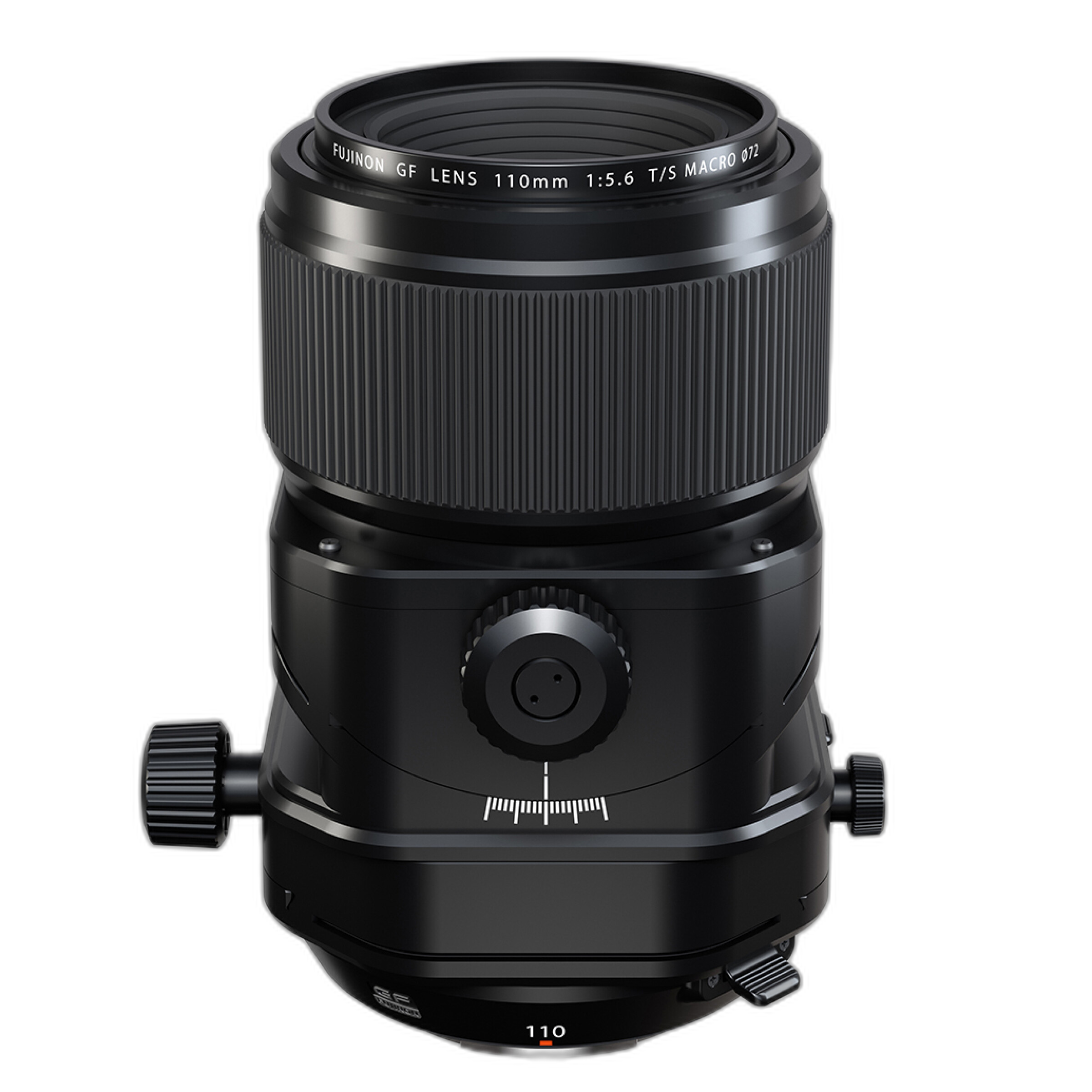
If your specialty leans toward highly detailed still life, product, or close-up fine art imagery, even your capture tools can support stronger contest submissions. For example, a specialty optic like the Fujifilm FUJINON GF 110mm f/5.6 T/S Macro Lens can help photographers refine perspective and detail for competition-ready work in architectural or macro-focused categories.
5. Look at past winners for patterns
Spend time reviewing at least two or three years of winners and finalists. You are not trying to copy them, but you are trying to understand the contest's visual language. Some competitions favor bold storytelling. Others lean toward minimalism, experimental editing, or traditional documentary realism. If your work feels completely out of sync with what is consistently selected, that contest may not be the best fit right now.
Be Strategic With Time, Budget, and Workflow
6. Build a shortlist instead of entering everything
Contest entries can add up quickly. Rather than submitting broadly, create a shortlist based on relevance, cost, exposure, and deadlines. A simple spreadsheet can help you track categories, entry fees, file requirements, rights terms, and notification dates.
If you are editing and organizing entries on the go, a portable machine like a used Apple MacBook Pro 13-inch 2020 can make it easier to review, sequence, and prepare submission files wherever you are working. Even if you already have a main studio setup, a dependable secondary edit station can help when deadlines overlap.
7. Budget for entry fees, printing, and shipping
Many photographers plan for entry fees but forget about finalist expenses. If a contest leads to a physical exhibition, you may need to print, mount, package, and ship your work. That can be worth it, but it should be part of your decision before you enter.
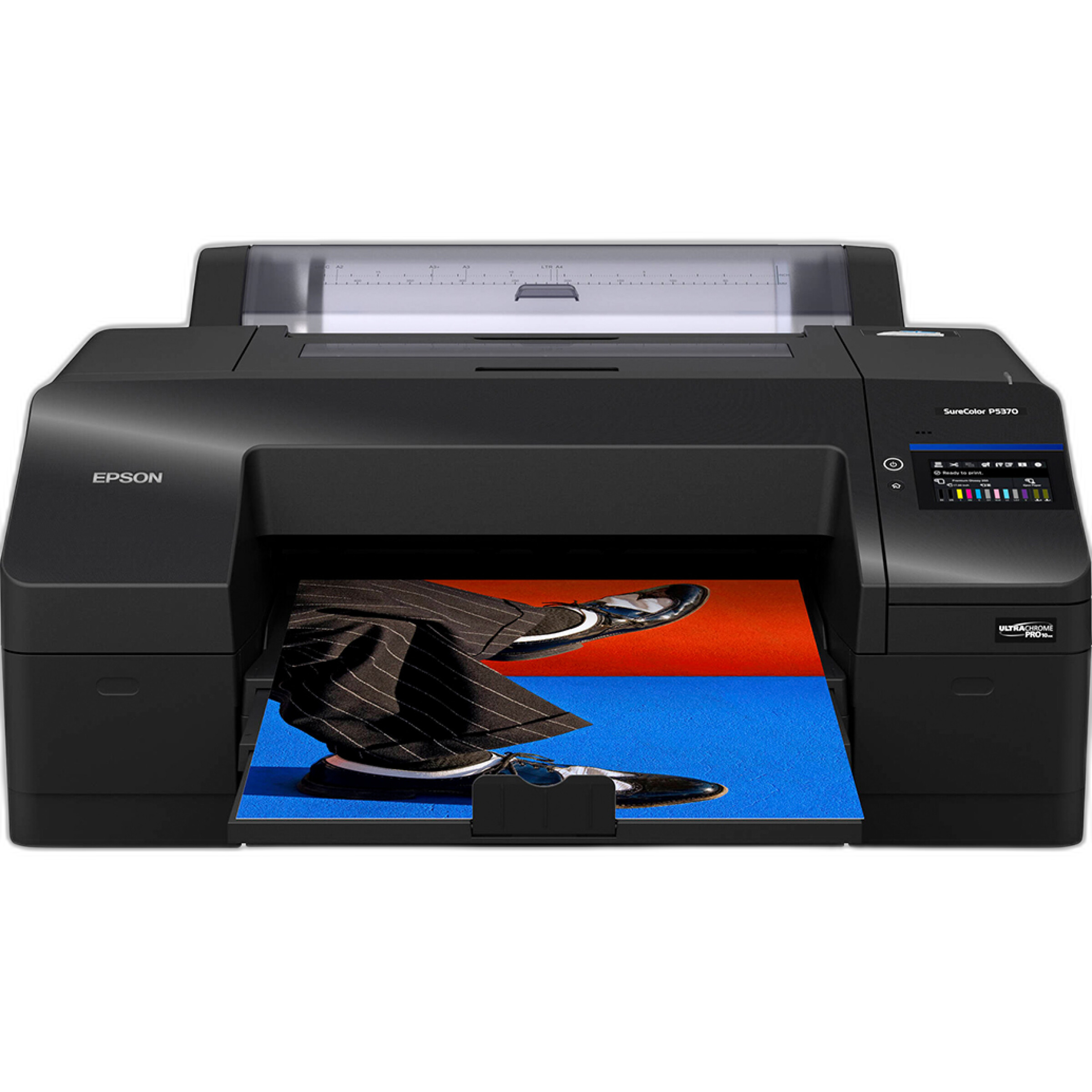
For print competitions or juried shows, having control over output matters. The Epson SureColor P5370 17-Inch Professional Photographic Printer is the kind of tool serious photographers look to when they want consistent, gallery-quality prints in-house, especially when testing papers and refining the final look before submission.
Present Your Work Like a Finalist
8. Follow file specs exactly
It sounds basic, but many otherwise strong entries get weakened by careless submission prep. Double-check pixel dimensions, color space, file size limits, naming conventions, caption formatting, and whether borders or watermarks are prohibited. Judges should focus on your image, not avoidable technical mistakes.
Create a repeatable export workflow so that every submission is clean and consistent. This is especially helpful if you plan to enter multiple contests over the year.
9. Prepare prints carefully for print-based competitions
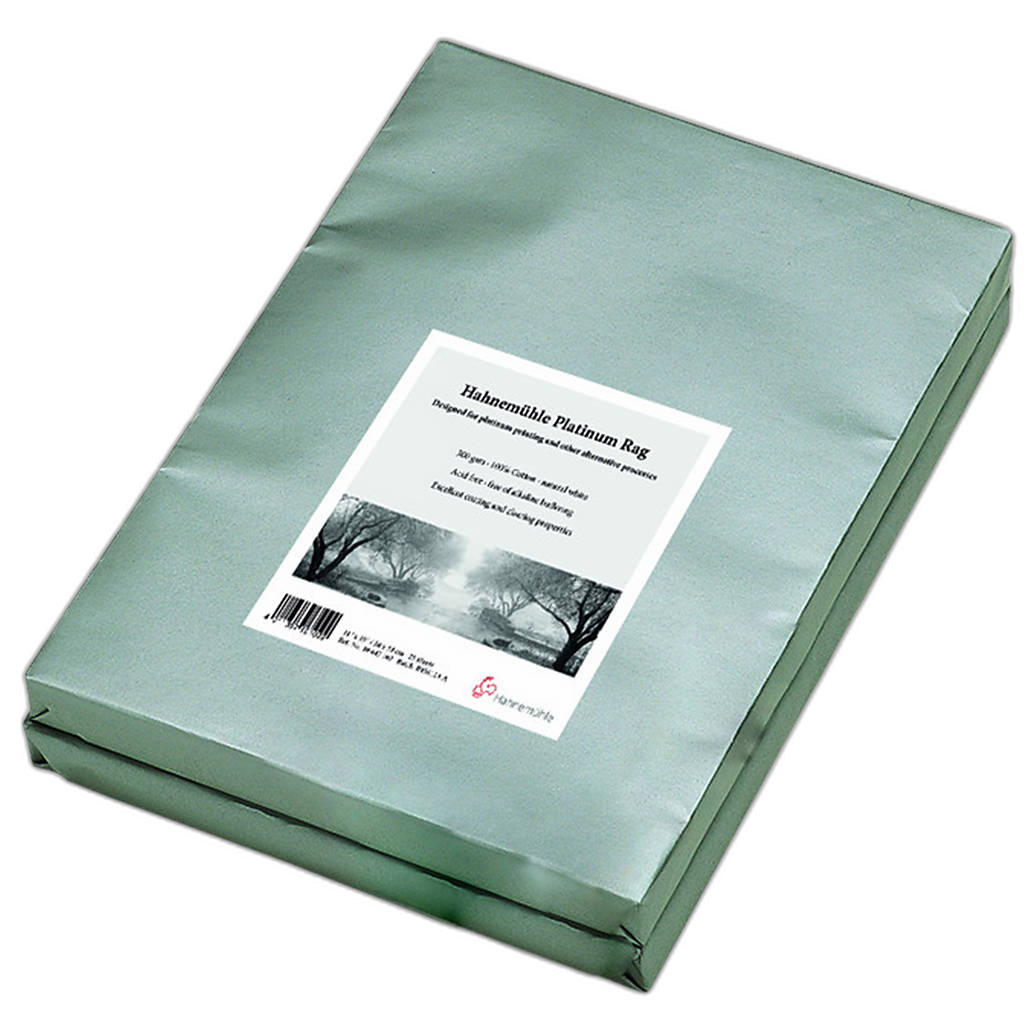
If a contest includes a print round, your paper choice can influence how the work is perceived. Fine art images, monochrome pieces, and subtle tonal work often benefit from premium media with excellent surface character and depth. Hahnemfchle Platinum Rag 300gsm, for example, is a strong option when you want rich tonal transitions and a refined presentation for exhibition-quality output.
And once the prints are ready, proper storage matters just as much. Keeping finished contest prints protected in a Premier Paper Safe 20x24 inch can help prevent bends, dust, and handling damage before delivery or shipping.
Think Beyond Single Images
10. When allowed, submit a cohesive series
Some of the strongest contest entries are not just great standalone photographs, but groups of images that clearly belong together. If a competition allows portfolios or series, pay attention to pacing, consistency, and narrative flow. Your sequence should feel intentional from the first image to the last.
Ask whether the body of work says something larger than any one frame can say on its own. Judges often remember photographers with a clear point of view.
Use Feedback and Results to Improve Your Next Entry
11. Treat every contest like a learning opportunity
You will not win every time, and that is normal. What matters is how you evaluate each result. Track which images were shortlisted, which contests aligned best with your work, and where your submissions may have been too broad or too safe. Over time, patterns emerge.
If feedback is offered, use it. If not, compare your submission against the selected work and refine your approach for the next round. Entering contests becomes much more productive when each submission improves your editing discipline and self-awareness.
Watch for New Formats in 2024
12. Consider multimedia and hybrid storytelling opportunities
While still photography remains the center of most contests, more organizations now include multimedia, artist presentations, and hybrid visual storytelling. If you create behind-the-scenes content, interviews, or documentary pieces to support your projects, clean audio tools can become part of a more polished submission package for festivals or cross-media programs.
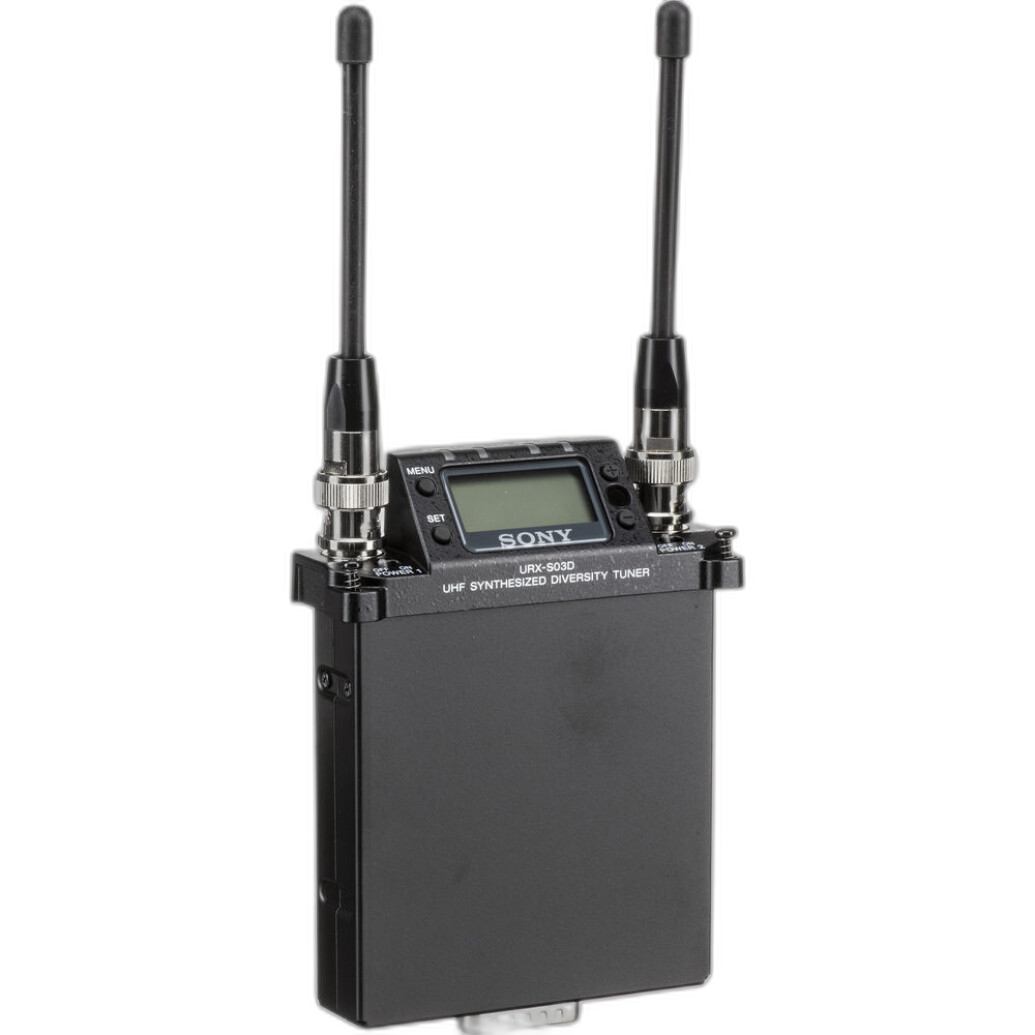
Depending on your workflow, equipment such as the Sony URX-S03D UWP-D Dual-Channel Slot-In Wireless Receiver or the Tascam MM-4D/IN-E 4-Ch Mic/Line Input Dante Converter with Built-In DSP may be useful in broader storytelling setups where stills and sound complement one another.
Conclusion
The best photography contests to enter in 2024 are the ones that align with your creative voice, respect your rights, and genuinely help move your work forward. Be selective, stay organized, and present every image as if it has already made the finalist cut. With a thoughtful strategy and professional presentation, contests can become a valuable part of your growth as a photographer. For books, printing tools, paper, and gear to support your next submission, Unique Photo is a great place to keep your contest workflow moving.