Feature Photography Lenses: Balancing Portability, Range, and Image Quality
Feature photography demands versatility—one minute you’re framing a tight portrait, the next you’re capturing a sweeping scene that sets context. The right lens (or two) can help you move fast, stay light, and keep image quality high. Here’s how our pros at Unique Photo approach the trade-offs so you can build a kit that matches your assignments and style.
What focal lengths cover most feature assignments?
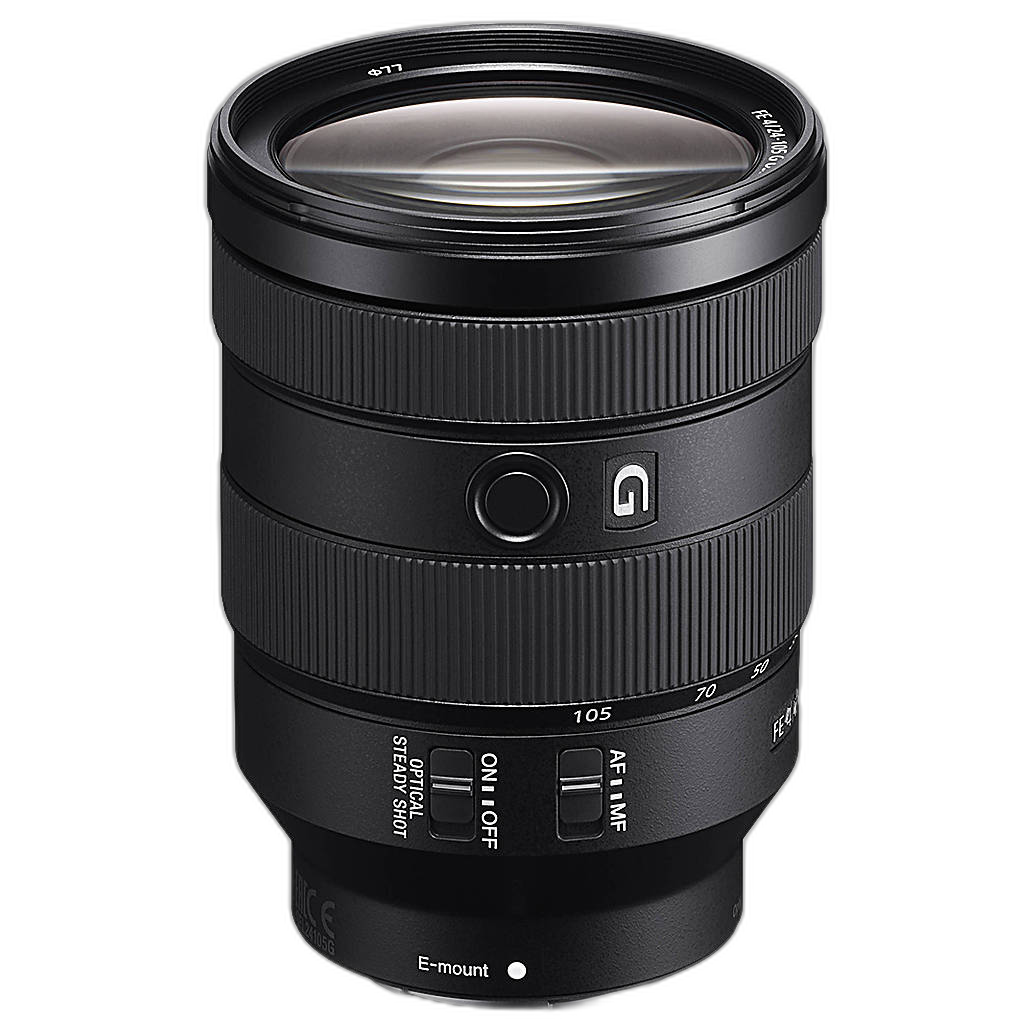
For day-in, day-out flexibility, a midrange zoom that spans wide to short telephoto is hard to beat. A 24–105mm on full frame lets you grab environmental portraits at 24–35mm, tight details around 70–105mm, and everything in between without changing lenses. It’s a classic range for features because it reduces missed moments while maintaining strong optical performance.
We especially like the Sony FE 24–105mm f/4 G OSS for Sony full-frame mirrorless shooters—solid sharpness, dependable autofocus, and built-in stabilization make it a reliable backbone lens for most assignments.
Should I carry one do‑it‑all zoom or build a small prime kit?
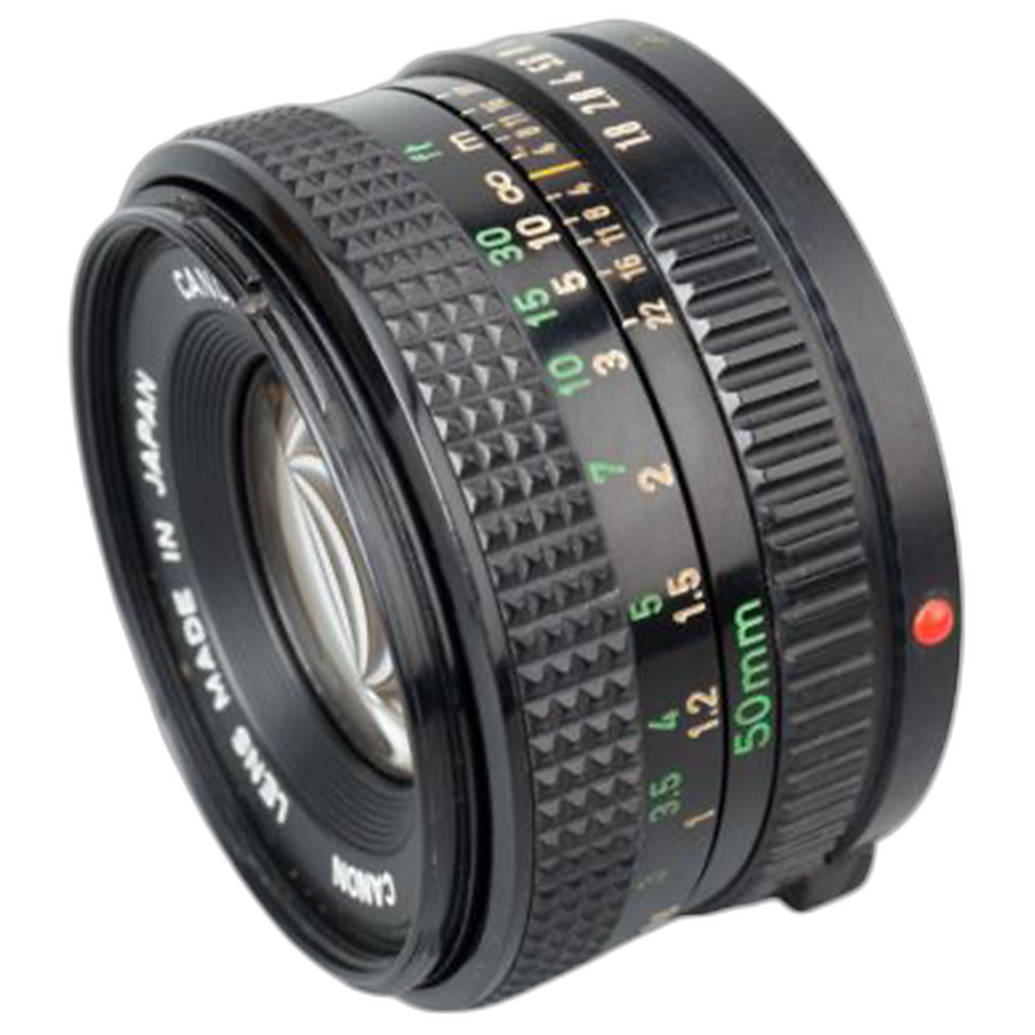
It depends on access and pace. If you’re moving quickly, covering unpredictable moments, a versatile zoom keeps you nimble. If you have time to work a scene, primes reward you with speed and consistency. A simple two-prime set—say 28mm + 50mm—can be incredibly effective for narrative work. For budget-minded storytellers (or those who enjoy a classic rendering), a vintage normal like the Used Canon FD 50mm f/1.8, adapted to mirrorless, can be a compact, characterful option for portraits and low light. Just remember it’s manual focus and requires a compatible adapter.
When is f/2.8 worth it, and when is f/4 with stabilization enough?
Choose f/2.8 when you frequently work in dim venues or need subject isolation at mid-telephoto focal lengths. If you’re mostly outdoors or can leverage higher ISO on modern sensors, an f/4 zoom with optical stabilization (like the Sony FE 24–105mm f/4 G OSS) is often more than sufficient—and usually lighter. For ultra-wide scenes, f/2.8 is less about blur and more about keeping shutter speeds healthy in available light, which helps preserve crispness during fast-paced storytelling.
Do ultra‑wides help tell the story—or just distort it?
Ultra-wides are powerful for establishing scenes, shooting in tight interiors, and layering subjects within a frame. Use them thoughtfully: keep important faces near the center to avoid stretching and watch your edges for unintended distractions. For Sony full frame, the Sony FE 12–24mm f/2.8 GM gives you editorial‑grade sharpness, excellent coma control, and low-light flexibility at the widest angles.
If you rely on square or rectangular filters, note that some ultra-wides need dedicated holders. For example, Sony’s FE 14mm f/1.8 GM (not the 12–24mm) pairs with a dedicated 100mm system like the NiSi 100mm Filter Holder, enabling ND and grad use without vignetting.
Is a superzoom a smart choice for features?
On the right system, yes—especially for travel features where swapping lenses is impractical. The OM SYSTEM M.Zuiko Digital ED 12–200mm f/3.5–6.3 on Micro Four Thirds covers an expansive range in a compact package, making it ideal when you need to arrive light and leave with everything from wide establishing frames to tight details. Expect a trade-off in maximum aperture; plan your ISO and stabilization strategy accordingly.
Where do manual‑focus, high‑IQ primes fit in?
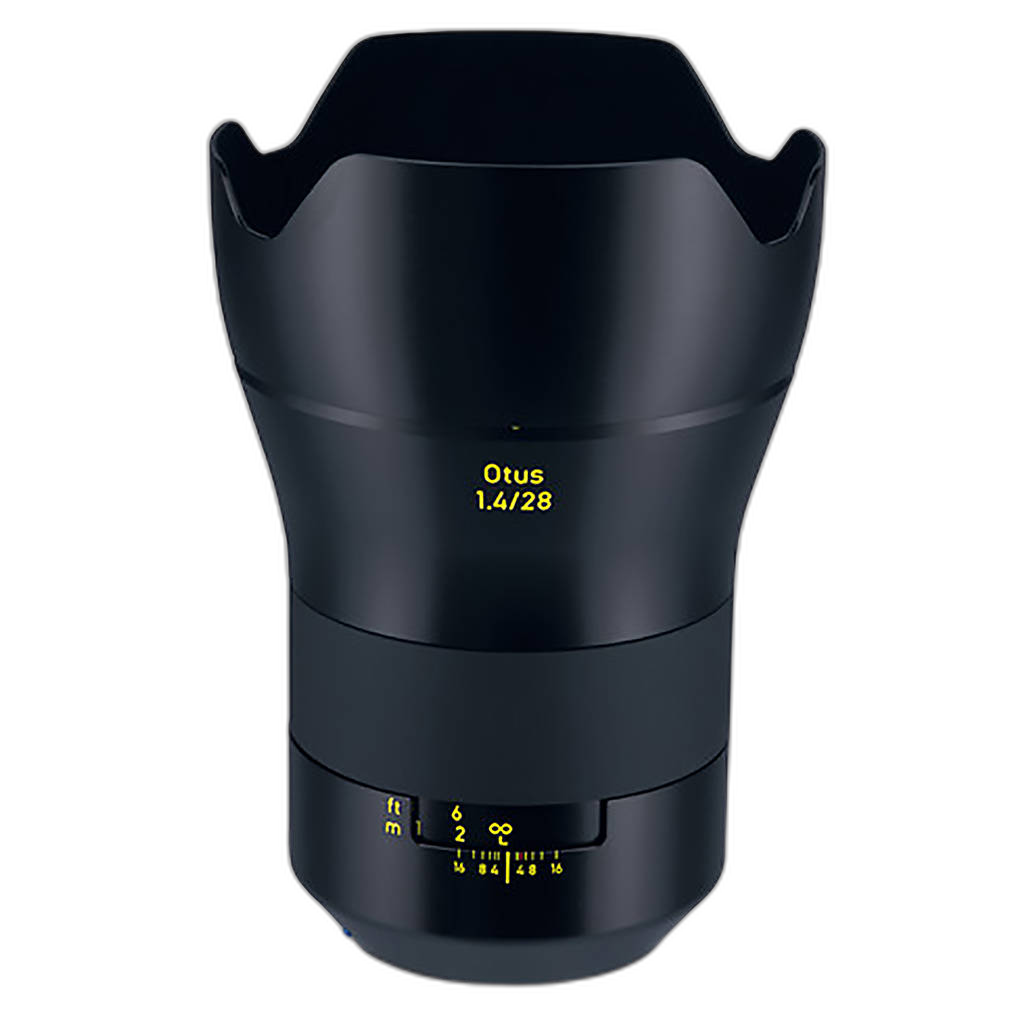
For deliberate storytelling—portraits, controlled scenes, and low-light features—manual-focus primes can deliver exceptional rendering and microcontrast. The Zeiss 28mm f/1.4 OTUS (ZF.2 for Nikon F) is a benchmark for optical performance with a cinematic look that editors love. It’s heavy and manual, but when you can slow down, the results are stunning. Use it on a Nikon DSLR or adapt it to compatible mirrorless bodies with a high-quality F‑mount adapter.
How do I keep my kit portable without missing shots?
Start with a versatile base lens and add only what your assignment truly requires. A smart two‑lens combo for full frame is a 24–105mm f/4 plus an ultra‑wide like a 12–24mm f/2.8. If the brief leans heavily toward portraits or low light, swap the ultra‑wide for a fast 50mm or 85mm. Build around your access: if you’re credentialed and close, wider lenses shine; if you’re working from the perimeter, longer focal lengths matter more.
Any accessory tips for controlling flare, contrast, and light?
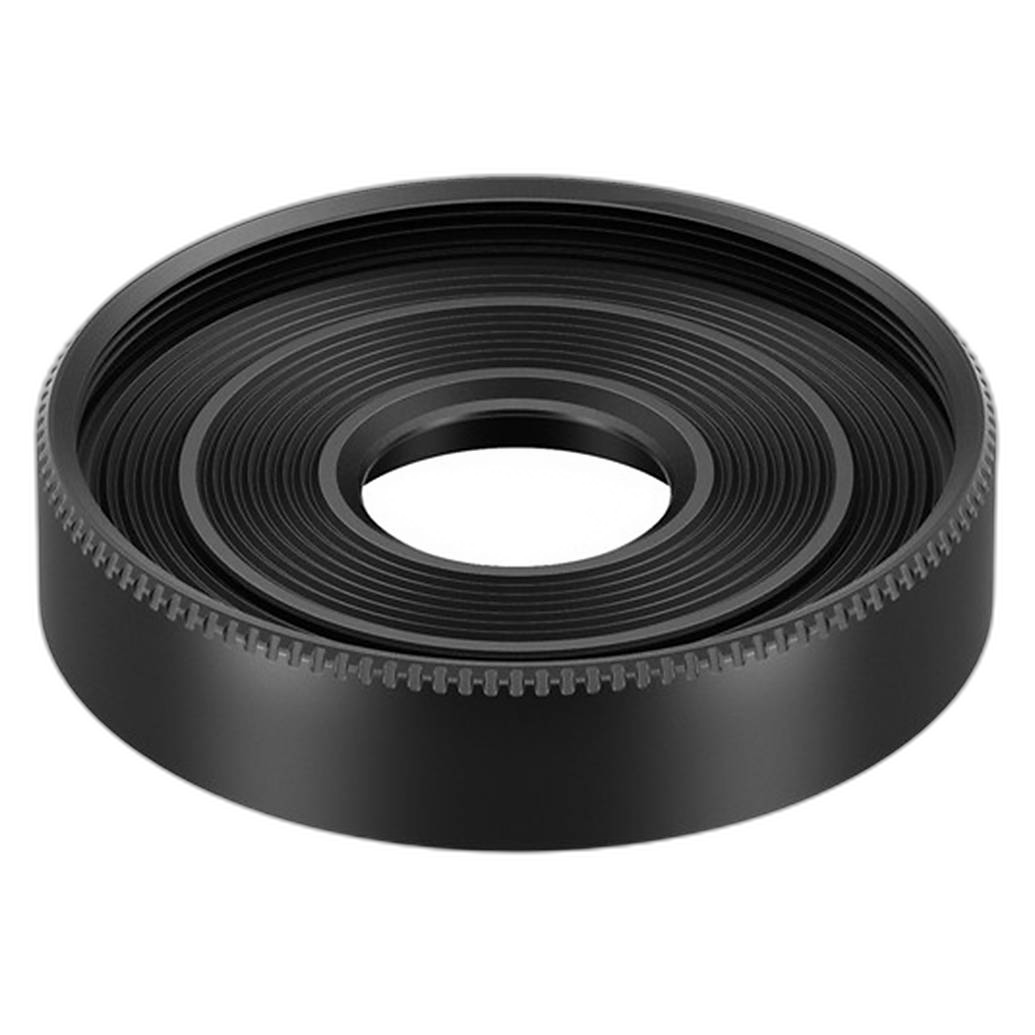
Always pack a hood—it boosts contrast and protects your front element. If you’re a Canon EF‑M macro shooter, the Canon ES‑22 Lens Hood is a compact example of the kind of dedicated hood that keeps light off the glass and your colors true. When using ultra‑wides, look into dedicated filter holders designed for your lens to run NDs or grads without vignetting.
Can going analog or vintage help your feature package stand out?
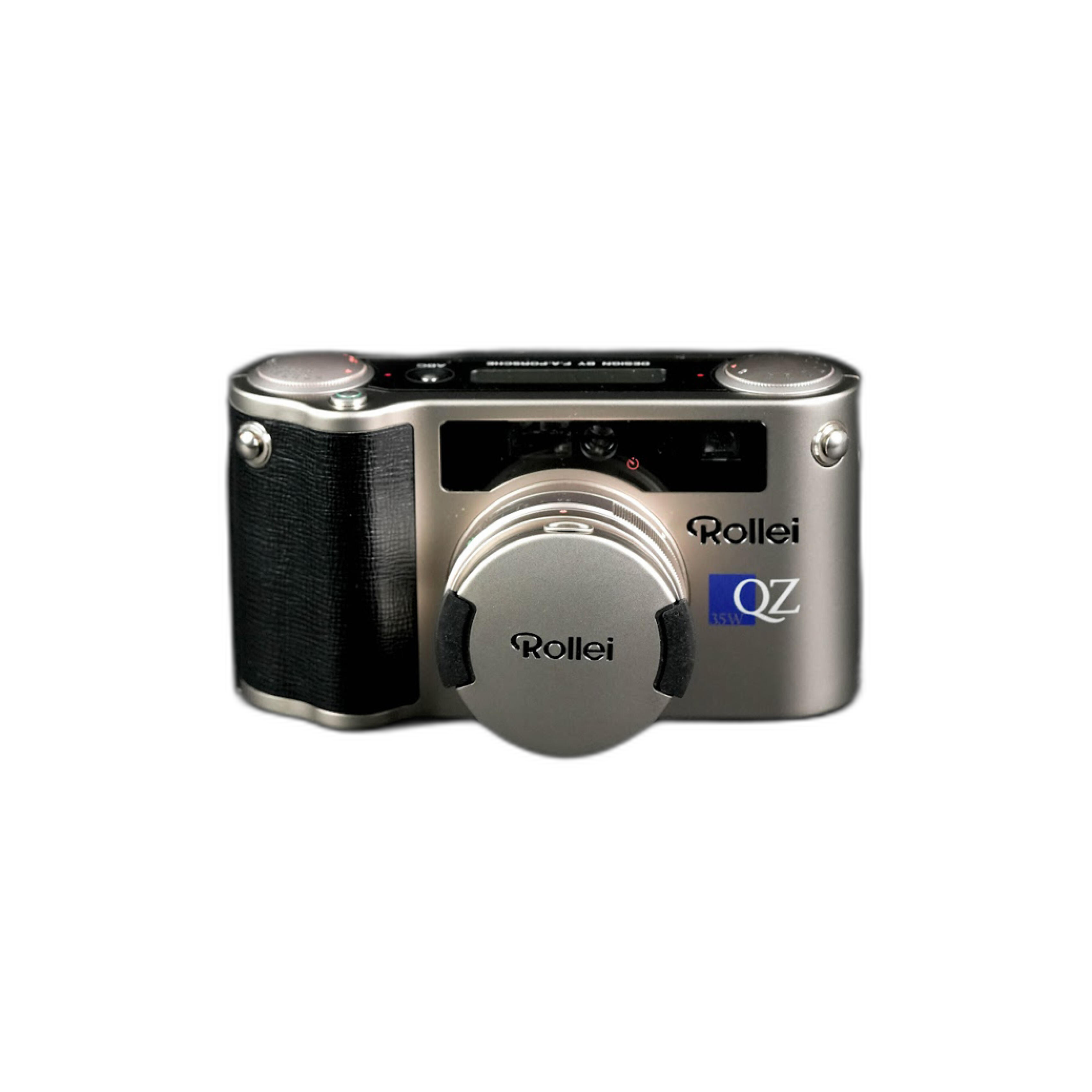
Absolutely. A small film camera can add a distinctive aesthetic and encourage subjects to open up. The Used Rollei 35QZ with its 28–60mm lens is a compact, carry‑everywhere tool that produces a timeless look—great for personal projects or a cohesive visual addendum to a digital feature. Just be sure clients are on board with film deliverables and timelines.
Ready to tailor a lens kit for your next feature? Visit Unique Photo in Fairfield, NJ, or chat with our experts online. We’ll help you balance portability, flexibility, and image quality—and set you up with the right gear and accessories for the story you need to tell.