Ethics, Consent, and Legal Basics for Street and News Photography
Photographing real people in real moments is powerful—and sensitive. As a photo specialty retailer and education hub, Unique Photo helps photographers balance public interest, personal dignity, and legal realities. Use this FAQ as a practical guide before you head to the streets or a breaking news scene.
How should I approach photographing people during sensitive news events?
Lead with empathy. Work quietly, observe first, and prioritize subjects’ safety and dignity—especially around trauma, medical care, or grief. Keep a respectful distance, avoid blocking responders, and do not interfere. Eye contact and a brief nod can communicate presence without escalating tension. If someone is vulnerable or incapacitated, consider wider, contextual frames that tell the story without exploiting their identity.
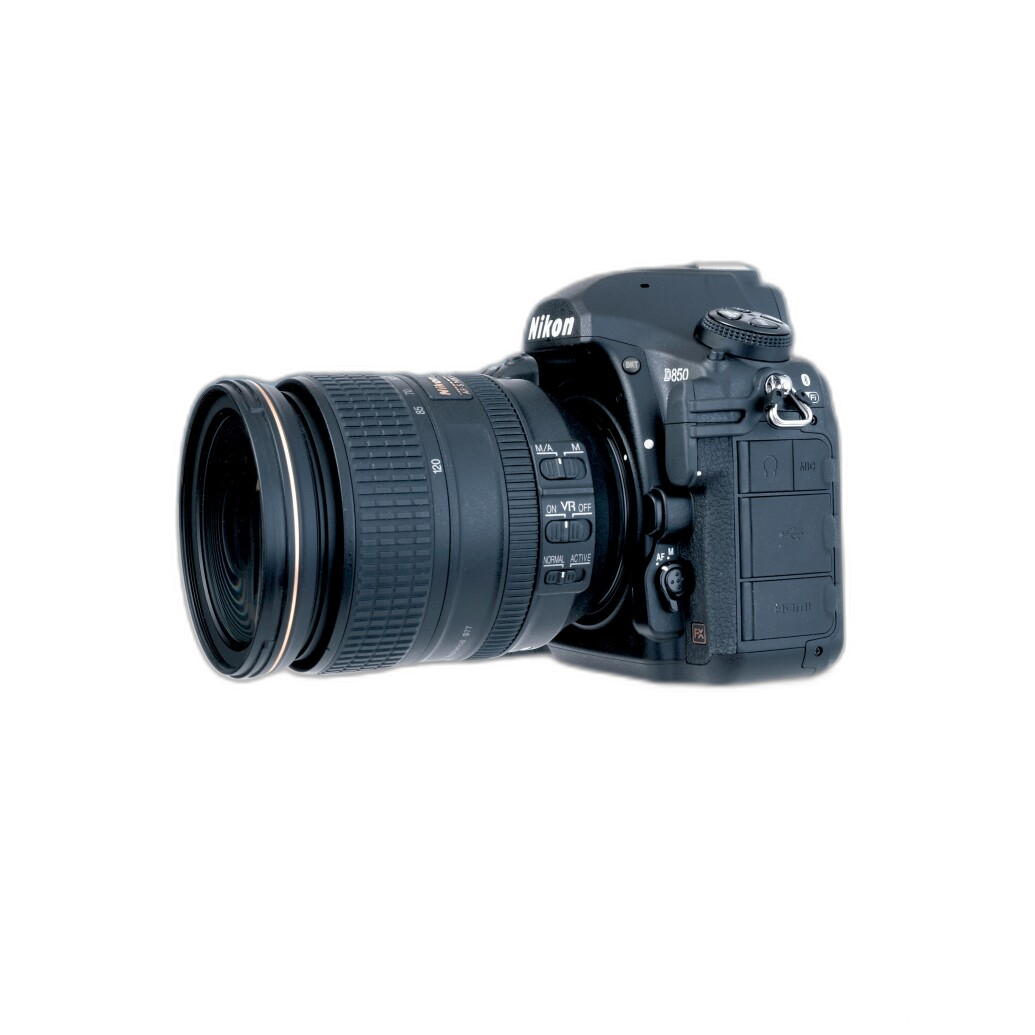
Preparation reduces stress: set silent or low-volume shutters, pre‑assign custom modes for low light and fast action, and rehearse your approach so you can focus on people, not menus. If you shoot Nikon, a clear technical foundation helps you stay unobtrusive in the field. The Nikon D850 guide below is a solid way to set up quiet live view, fast AF behavior, and clean low-light files.
Do I need permission to photograph people in public?
In the U.S., you generally may photograph people in public places for editorial use (news, documentary, art) without explicit permission, provided there’s no reasonable expectation of privacy and you’re not trespassing. However, ethics can exceed the law: ask when it’s safe and appropriate, and be especially thoughtful with minors, victims, or individuals at risk of harm if identified.
For story-driven work, how you approach people matters as much as the law. Building rapport, reading cultural cues, and knowing when to step back will improve both your images and your relationships. Programs like EXPO: Stories from the Road focus on respectful storytelling across different communities.
Are there exceptions during breaking news?
Editorial coverage of public events is generally protected, but minimize harm. Avoid publishing identifiable images that could retraumatize victims or incite harassment. Blur or withhold sensitive details when safety is at stake. With minors, seek guardian consent whenever possible; if not, consider framing choices that protect identity (silhouettes, back views, or wider context) while still informing the public.
What legal issues should I consider at protests or emergencies?
- Public vs. private property: Sidewalks and parks are typically public. Private spaces (malls, offices, some plazas) can restrict photography and may ask you to leave.
- Time, place, and manner rules: Lawful orders (e.g., dispersal or staying behind tape/lines) can be enforced even in public forums.
- Emergency scenes: Do not cross police or fire lines. Filming and photographing from lawful vantage points is generally allowed, but you must not impede operations.
- Police interactions: Stay calm, identify yourself as a journalist or photographer if you are one, and comply with lawful commands. Recording is typically legal in public; states vary on audio and “interference” definitions. Document badge numbers, locations, and times when incidents occur.
This is informational, not legal advice—always check state and local laws before you go.
Do I need model releases for news photographs?
For editorial use, model releases are usually not required. For commercial use (advertising, endorsements, many promotional uses), you generally must have a signed release. If you license to stock agencies, check their policies—many require releases even for certain contexts. When in doubt, obtain a release or limit the use to editorial outlets.
How should I respond if someone asks not to be photographed?
De‑escalate first. Acknowledge the concern, explain your purpose, and consider alternatives: a wider scene-setter, a frame from behind, or a moment that omits identifying features. If the image isn’t essential to public understanding, stepping back can be the most ethical choice. Slowing down your process can also foster connection—film shooters often find conversations happen more naturally as they meter and compose. If learning film helps you engage more thoughtfully, consider the introductory event below.

What are the ethical boundaries for editing news images?
Truth is the standard. Do not add, remove, or move content. Global tonal and color corrections, modest cropping, and sensor-dust cleanup are typically acceptable if they don’t change meaning. Be transparent in captions if composites or illustrative techniques are used. Maintain original files and clear edit histories.
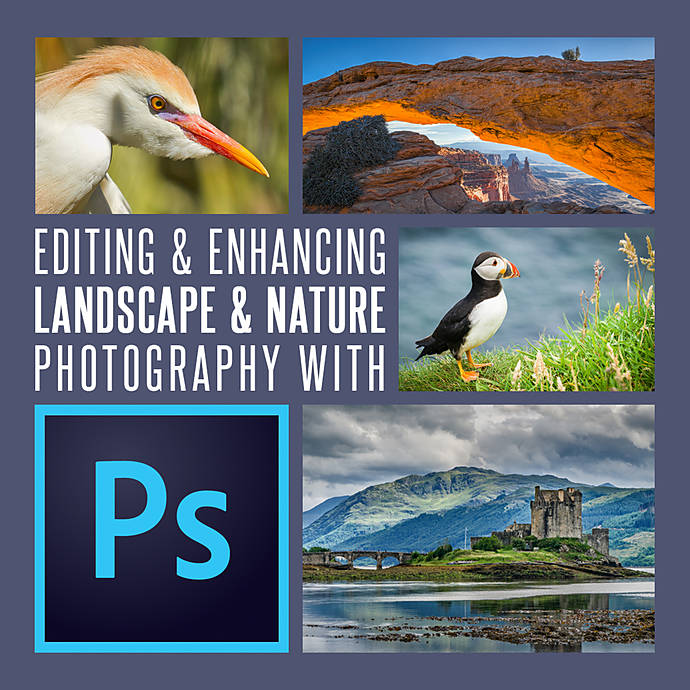
If you want to refine exposure, color, and local contrast responsibly, learn disciplined workflows. While aimed at nature shooters, the Photoshop class below emphasizes controlled, non-deceptive adjustments that translate well to editorial practice.
What should I include in captions and metadata?
- Who, what, when, where, and why—verified facts only.
- Clear photographer credit and contact.
- Context that avoids sensationalism; note if identities are withheld for safety.
- If consent or restrictions are relevant, note what was granted and by whom.
- Avoid speculative claims; link to authoritative sources where appropriate.
How can I prepare my gear and settings for fast‑changing scenes?
Travel light, keep fresh cards and batteries accessible, and weatherproof critical pieces. Pre-set custom modes for “Day Action,” “Low Light,” and “Quiet” operation. Use fast primes or stabilized zooms, and know your camera’s limits for ISO and AF tracking. If you shoot Nikon, the Nikon D850 guide helps you configure silent live view, back-button focus, and reliable AF cases so your attention stays on the story, not the setup.
Want to deepen your visual storytelling? Programs like EXPO: Stories from the Road can help you craft ethical narratives that resonate across cultures while staying grounded in best practices for consent and context.
Ethical street and news photography is a balance of rights, responsibilities, and respect. For expert guidance, hands-on education, and the gear to do it right, visit Unique Photo online or in our New Jersey store—then join our classes and events to grow your skills with a community that values both impact and integrity.