Photo contests can be exciting opportunities to share your work, gain recognition, and challenge yourself creatively. But when it comes to editing, every contest has a line between acceptable enhancement and disqualifying manipulation. Knowing where that line is—and how to stay comfortably on the right side of it—is essential. These tips will help you approach contest submissions with confidence, integrity, and a clean editing workflow.

Start With the Rules, Not the Slider Panel
1. Read the contest guidelines word for word
Before you crop, clone, or color-grade, study the submission rules carefully. Some contests allow only global adjustments like exposure, white balance, contrast, and sharpening. Others permit more extensive retouching, while documentary and wildlife competitions often prohibit removing or adding elements entirely.
A disciplined workflow can help you stay within those limits. A class like EXPO: Digital Editing Workflow Using Photoshop and Lightroom with Don Polzo can be especially useful for photographers who want a repeatable process that keeps edits organized and transparent.
- Check whether composites are allowed
- Look for restrictions on cloning and content-aware tools
- Confirm whether sky replacements, AI tools, or object removal are banned
- See if RAW files may be requested for verification
Understand the Difference Between Enhancement and Manipulation
2. Make edits that support the scene, not rewrite it
Most contests accept editing that helps the image reflect what you actually saw. That typically includes tonal correction, lens correction, modest dodging and burning, color balancing, and careful cropping. Problems begin when editing changes the factual content of the frame.
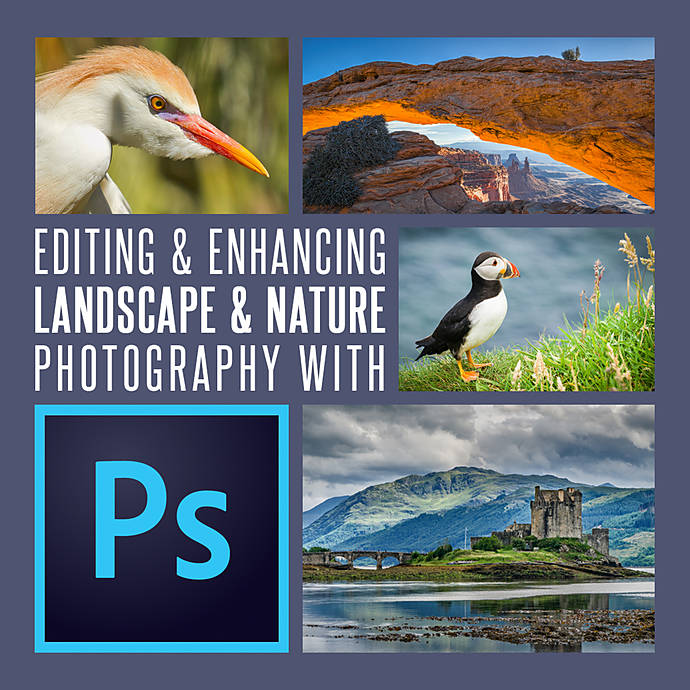
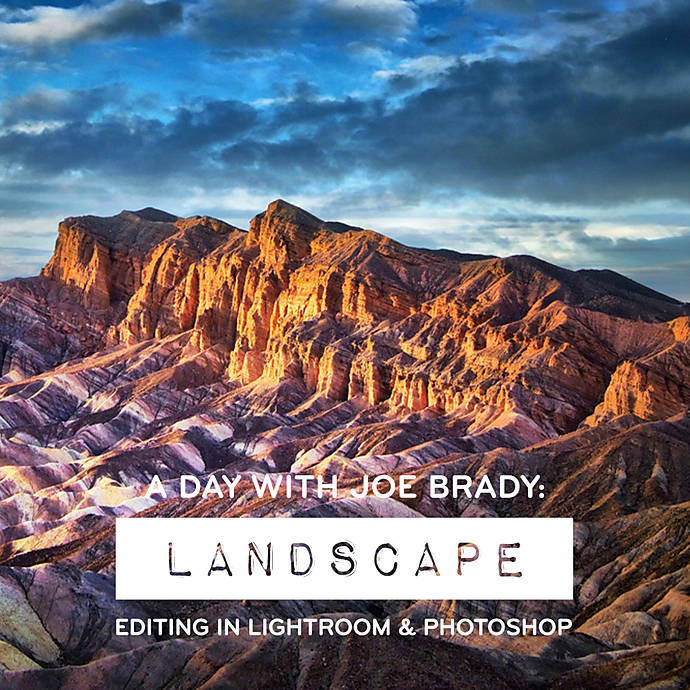
For example, bringing back highlight detail in a landscape is usually acceptable. Moving a tree, adding a moon, or removing distracting people may not be. Photographers refining scenic work can build good habits with resources like Editing and Enhancing Landscape and Nature Photography with Photoshop or A Day with Joe Brady: Landscape Editing in Lightroom and Photoshop, both of which can help you improve images without pushing them past credibility.
Be Extra Careful With Nature, Wildlife, and Photojournalism Categories
3. Respect authenticity in reality-based genres
Nature, wildlife, travel, and journalism contests often hold entrants to a stricter ethical standard because viewers expect those images to represent real moments. Even minor object removal—like deleting a branch, footprint, or man-made distraction—can lead to disqualification if it alters the truth of the scene.
If you regularly edit outdoor images, NJCS: Lightroom Photo Editing for Nature and Wildlife with Bobby Stormer is a smart example of education that aligns well with careful, category-appropriate adjustments.
- Avoid relocating animals or blending multiple exposures unless explicitly permitted
- Do not erase evidence of human presence if it changes the story
- Keep local adjustments subtle and believable
- Save your original RAW captures and edit history

Keep a Verifiable Editing Workflow
4. Preserve your originals and export layered versions when possible
Many reputable contests reserve the right to request RAW files, sidecar files, or step-by-step edit proof. If you cannot show how your final image was made, even an honest submission may raise concerns.
A good habit is to keep:
- The original RAW file untouched
- Your Lightroom catalog or sidecar metadata
- Layered PSD or TIFF files for Photoshop edits
- A final exported JPEG prepared to contest specs
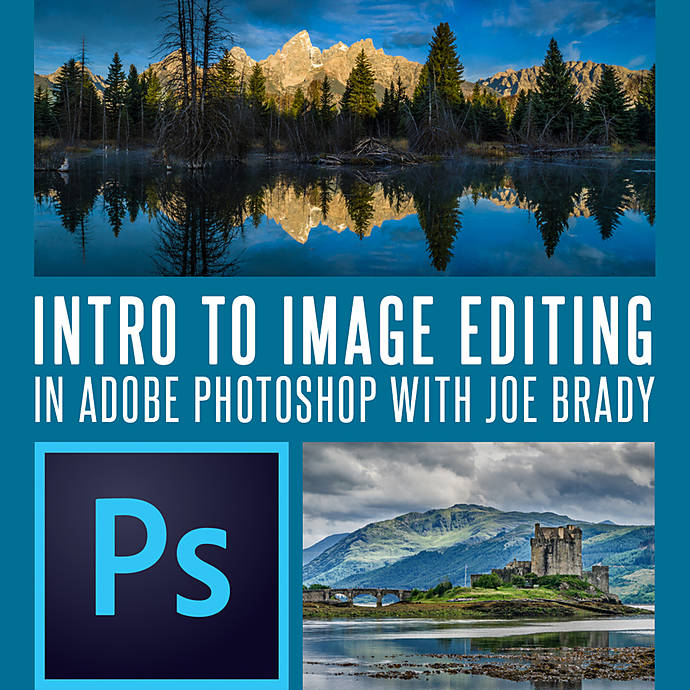
Photographers newer to this process may benefit from structured instruction such as Intro to Image Editing in Adobe Photoshop with Joe Brady or EXPO Lab: Photoshop Intermediate Basic Editing and Retouching w/ Blake Taylor, especially when building a workflow that is both efficient and defensible.
Use Retouching Tools Responsibly
5. Ask whether the tool changes content or simply presentation
Spot removal for sensor dust is commonly accepted because it corrects a technical flaw, not the scene itself. But using healing brushes, clone stamp tools, or generative fills to remove background objects, merge ideal expressions, or clean up distracting details can cross the line quickly in contests with documentary standards.
This is especially important for photographers with commercial or studio habits, where retouching is often more flexible. Training like Product Photography and Post Production Editing with Blake Taylor is valuable for learning strong editing technique—but contest photographers should always adapt those techniques to the ethics of the category they are entering.
Don’t Let Heavy Editing Create a Credibility Problem
6. Avoid overprocessing, even when it is technically allowed
Not every questionable image is disqualified for content manipulation; some simply lose impact because the processing feels excessive. Oversaturated skies, crunchy clarity, unnatural HDR halos, and aggressive skin or texture smoothing can make judges question your judgment.
A clean, restrained approach usually reads as more confident and more professional. If you want to refine your balance between polish and realism, studying broader workflow classes like EXPO: Digital Editing Workflow Using Photoshop and Lightroom with Don Polzo can help you make stronger decisions before an image looks overworked.
Be Honest About Composites, Replacements, and AI Tools
7. If the contest requires disclosure, disclose everything
Some creative contests welcome compositing, focus stacking, exposure blending, and advanced digital art. In those cases, transparency matters just as much as craftsmanship. Label the work accurately, follow the category definitions, and never submit a composite to a single-exposure category.
With AI-assisted tools now appearing in many editing platforms, honesty is even more important. If generative fill, background extension, or AI object removal played any role, check whether the contest allows it. If the rules are unclear, ask before submitting.
Study What Winning Images Actually Have in Common
8. Learn from successful entries without assuming anything goes
Reviewing past winners can show you how strong contest images balance creativity, technical quality, and authenticity. A program like UUOnline (Free): NJ Monthly 2020 Cover Search Contest Winners Reveal can offer helpful perspective on what makes an image stand out beyond editing alone.

As you study winning work, pay attention to:
- Strong composition and timing
- Editing that supports the subject instead of dominating it
- Consistency with the category’s expectations
- A believable final result
When in Doubt, Choose the More Ethical Edit
9. Protect your reputation as much as your image
A single contest result is never worth risking your credibility. If an edit feels questionable, simplify it. If you are debating whether an alteration changes the truth of the scene, that hesitation is often your answer. The strongest long-term strategy is to build a portfolio known for honesty, skill, and consistency.
Education can play a major role here. Whether you are learning subtle tonal control through A Day with Joe Brady: Landscape Editing in Lightroom and Photoshop or strengthening your Photoshop fundamentals with Intro to Image Editing in Adobe Photoshop with Joe Brady, the goal is the same: make your images better without compromising trust.
Conclusion
Great contest photography is not just about creating a beautiful image—it is about submitting work that honors the rules, the subject, and your own integrity as a photographer. By understanding editing limits, keeping a transparent workflow, and choosing restraint when needed, you give your work the best chance to compete on its real strengths. For photographers looking to sharpen both technique and judgment, Unique Photo offers classes and learning resources that can help you edit with confidence and submit with peace of mind.