Getting Started in Film Photography
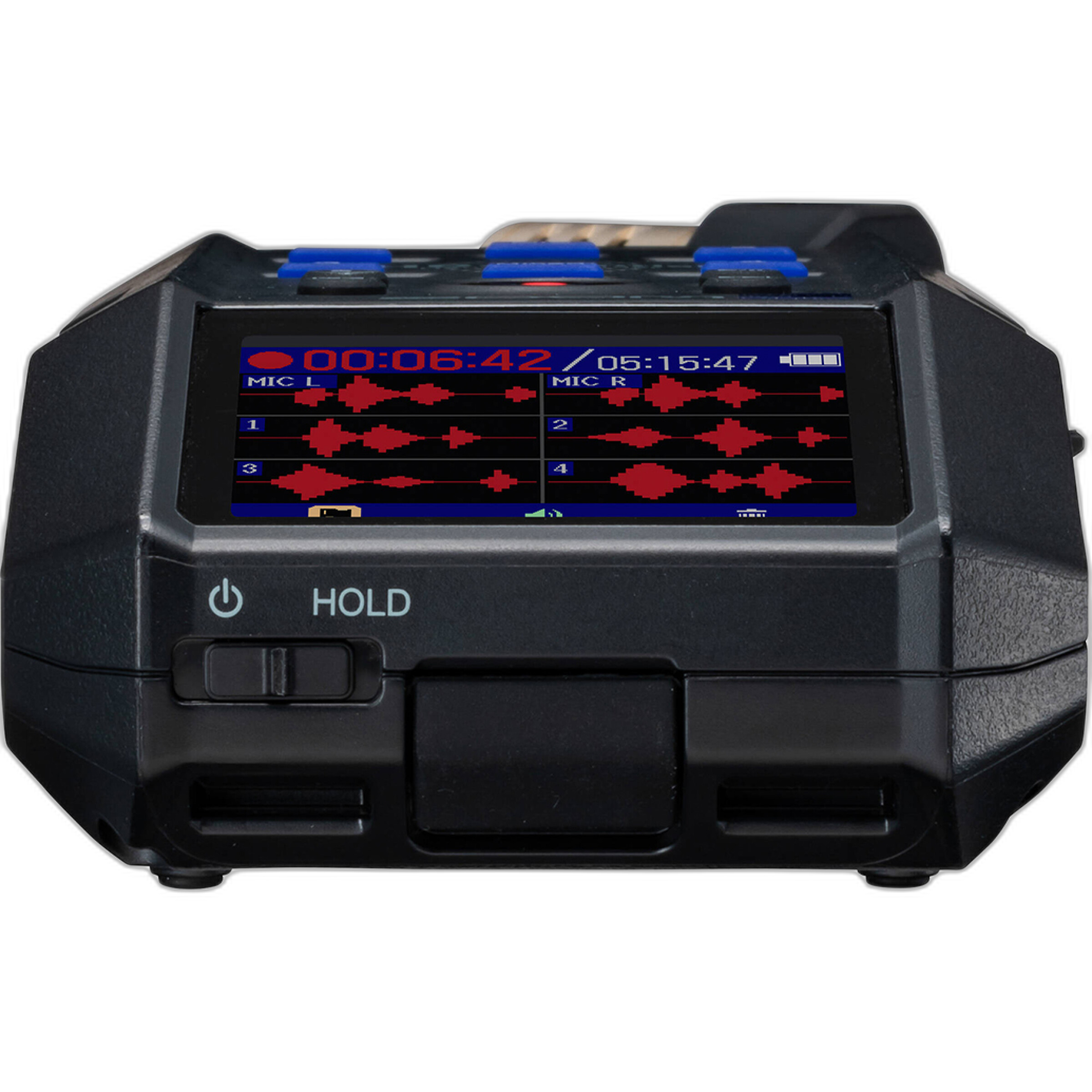
Starting film photography is exciting because it slows the process down, encourages better technique, and makes every frame feel intentional. For beginners, the essential gear conversation usually centers on three categories: a dependable camera, a way to meter light accurately, and a few practical accessories that make shooting and processing easier. While the products shown here are not a traditional film starter kit in the strictest sense, they help illustrate the broader ecosystem that supports photographers as they learn exposure, optics, image-making, and output.
If you are building your first setup, the smartest approach is to invest in tools and education that improve your understanding of composition, exposure, and workflow. That means choosing reliable optics, learning opportunities, and output materials that help you see your photographs as finished images rather than just negatives. Unique Photo is a strong place to buy gear and find educational resources when assembling a photography kit that can grow with you.
Core Gear Categories for Film Beginners
A new film photographer should think in terms of needs rather than just shopping lists. First, you need a camera body that is mechanically dependable and suits your style, whether that is a 35mm SLR, rangefinder, or medium format system. Second, you need light control, either through an in-camera meter or a handheld meter. Third, you need accessories that support the process: storage, batteries, a strap, cleaning tools, and eventually ways to print, scan, or learn from experienced photographers.
The products available here lean more toward inspiration and complementary equipment than direct film camera basics, but they still reinforce important buying lessons: prioritize image quality, value good instruction, and think about your end result.
Reviewing the Supporting Gear
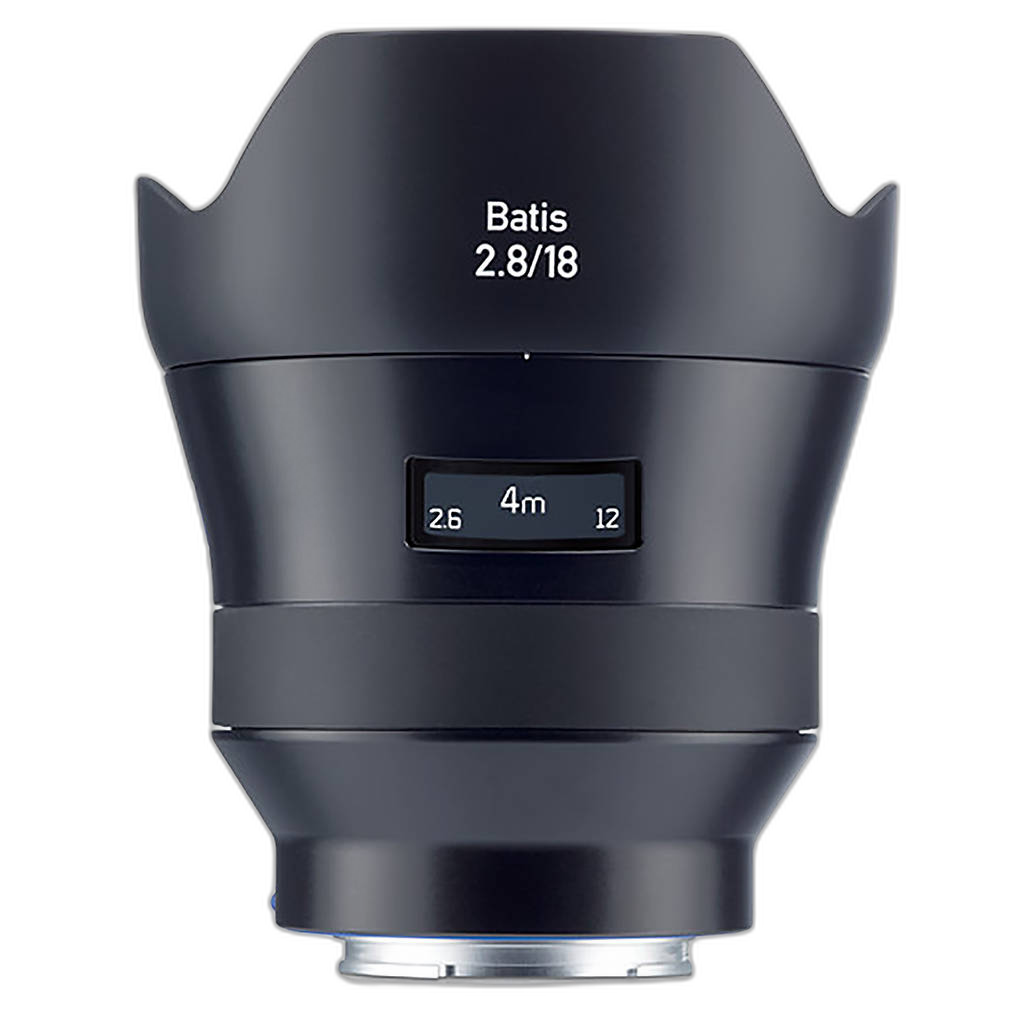
Zeiss Batis 18mm f/2.8 AF Lens: A Lesson in Optical Quality
The Zeiss Batis 18mm f/2.8 AF lens for Sony Full Frame E-Mount is not a film camera lens, but it represents the kind of high-quality optic that teaches beginners what great rendering looks like. For anyone exploring photography across both digital and film, using a premium wide-angle lens can sharpen your understanding of perspective, edge-to-edge sharpness, flare control, and contrast.
Its 18mm focal length is especially useful for landscape, architecture, interiors, and environmental storytelling. Film photographers often gravitate toward older manual-focus primes, but studying a lens like this helps establish a benchmark for clarity and composition. If you are learning exposure and framing on film while also practicing digitally, the Batis can be an excellent reference tool for refining your eye.
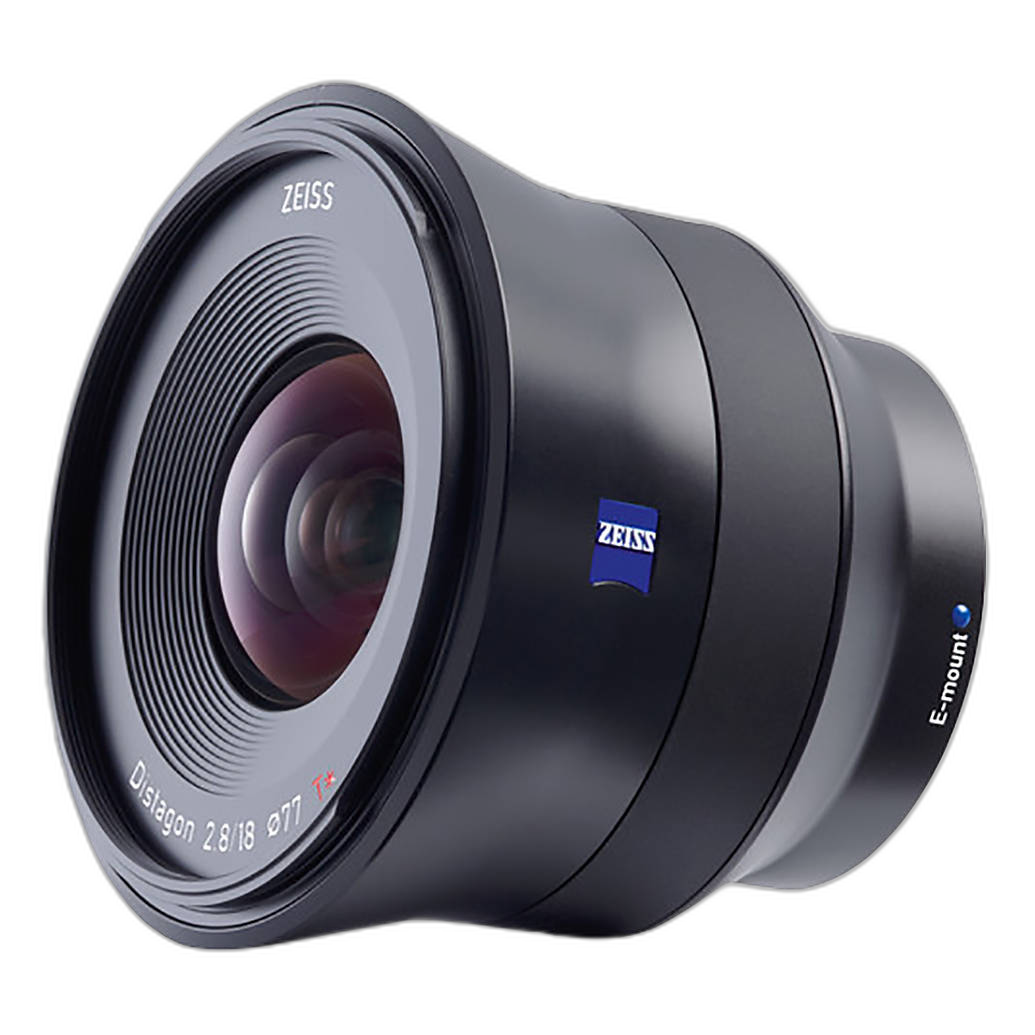
What stands out most is Zeiss image character. Images tend to have a clean, crisp look with strong microcontrast. Beginners may not need this lens specifically for film photography, but understanding the value of excellent optics is directly relevant when choosing vintage film lenses and bodies.
Photography Education: Macro and Landscape Photography at Duke Farms with Michael Downey
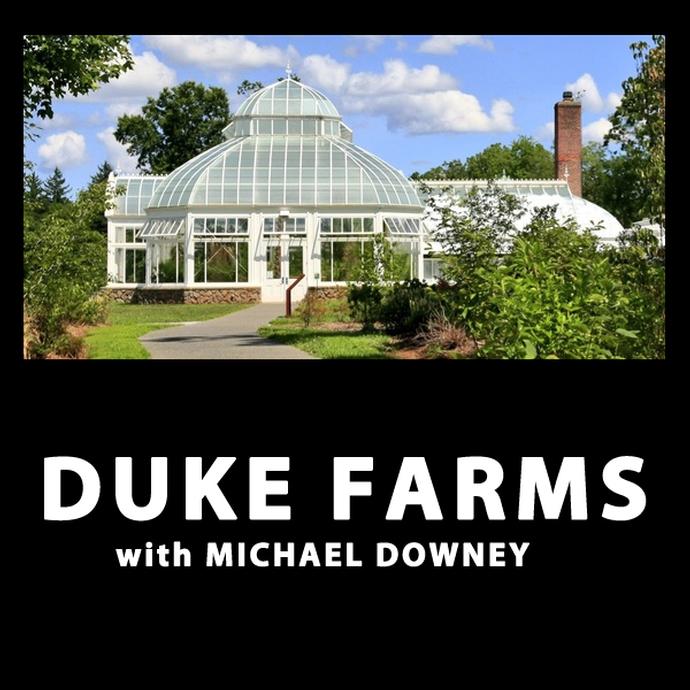
One of the most underrated essentials for starting film photography is guided education. The Macro and Landscape Photography at Duke Farms with Michael Downey program highlights how valuable hands-on learning can be. Film can be expensive to experiment with blindly, so structured instruction helps beginners reduce mistakes and build confidence faster.
For new film shooters, workshops like this encourage deliberate framing, thoughtful subject selection, and a deeper appreciation of natural light. Landscape and macro work are particularly useful genres for beginners because they slow the process down. You have time to meter carefully, think through aperture and depth of field, and understand how film responds to contrast and color.
Buying gear is only part of the process. Learning how to use it well is what actually improves your photographs.
Output Matters: Fujifilm Digital Pro Glossy Paper
Film photography should eventually lead to a physical result, whether that is a darkroom print, a lab print, or a high-quality digital output from a scanned negative. The Fujifilm DIGITAL PRO 12X354 GLOSSY paper represents that final stage: presentation. Beginners often focus so much on cameras that they forget the photograph needs to live somewhere.
Glossy paper can be a strong choice for vibrant images with punchy contrast and a polished look. For film photographers, printing is part of the learning loop. Seeing your images in print reveals focus errors, exposure habits, composition strengths, and recurring mistakes much more clearly than viewing scans on a phone.
Even if you are sending your film to a lab, thinking about print quality early on will help you become a more intentional shooter.
Learning Through Community and Events
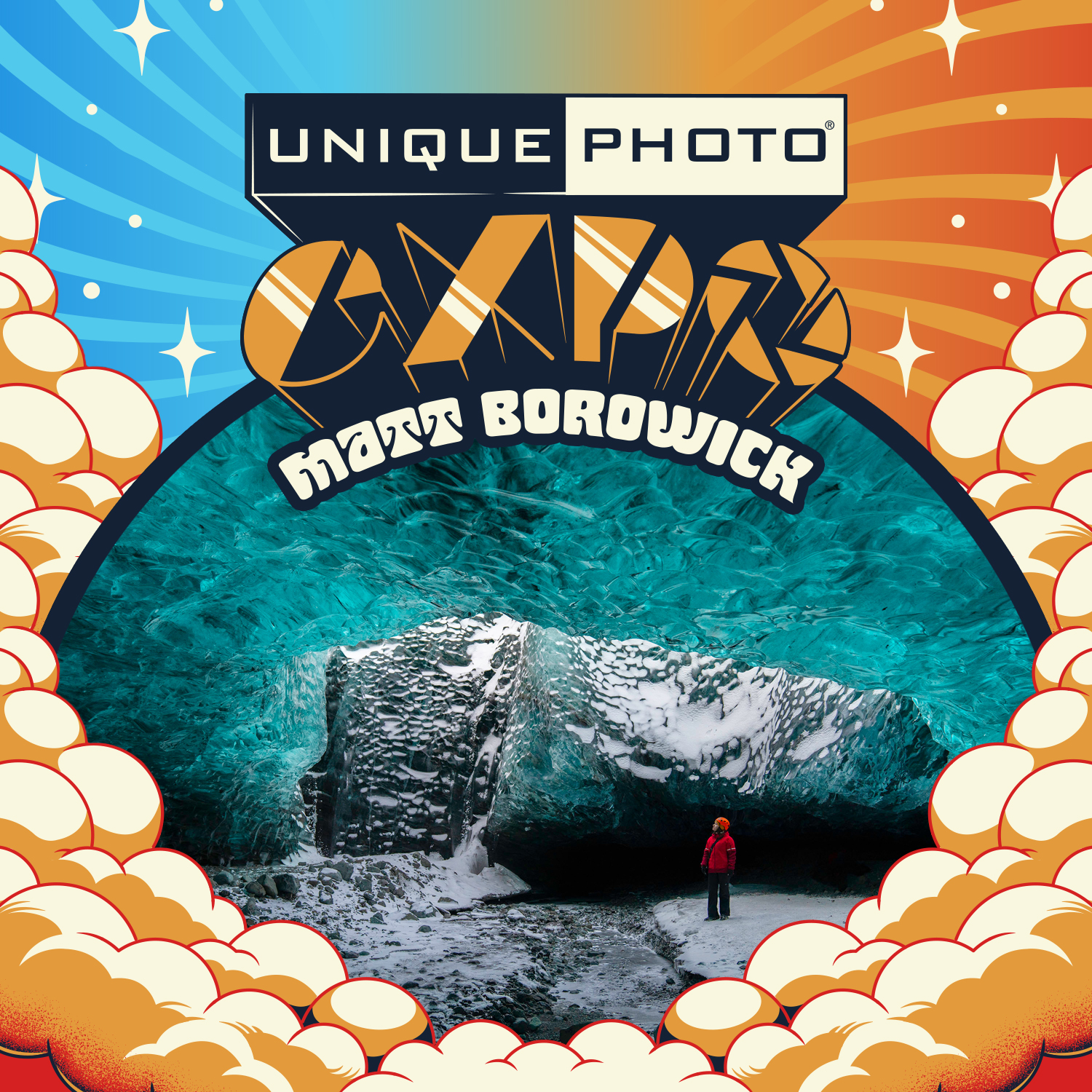
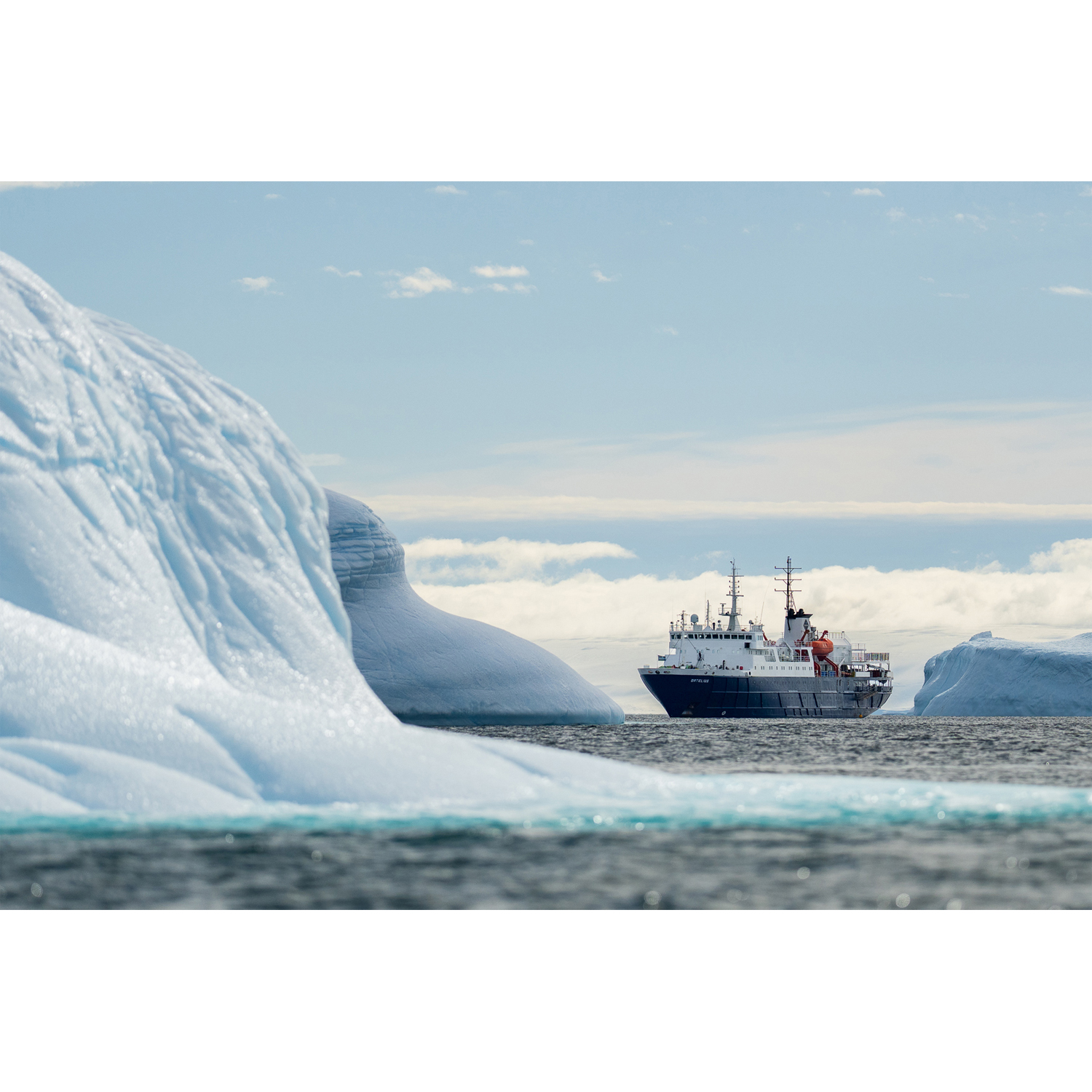
The EXPO: Stories from the Road - Photography Across Worlds w. Matthew Borowick event is another reminder that photography education does not only happen through manuals and YouTube tutorials. Listening to working photographers discuss process, travel, storytelling, and visual decision-making can be incredibly valuable for someone entering film photography.
Film shooters benefit from exposure to real-world photographic practice because film rewards planning. You begin to understand why photographers choose certain focal lengths, what they carry into the field, how they adapt to changing light, and how they build consistent bodies of work over time.

For beginners, community is an accessory every bit as important as a strap or lens cap. It keeps the learning process active and enjoyable.
What Film Beginners Should Actually Prioritize
Choose a Reliable Camera First
Your first film camera does not need to be rare or expensive. It does need to be reliable. A good beginner camera should have a functioning shutter, accurate film transport, and preferably an in-camera meter if you do not yet own a handheld one. Mechanical SLRs and common 35mm models are often the best starting point because they are affordable and easy to service.
Use a Meter You Trust
Light metering is one of the core skills in film photography. If your camera meter is inconsistent, a handheld meter or even a reliable metering workflow can save wasted rolls. Beginners should aim to understand incident versus reflected metering, backlit scenes, and how negative film and slide film differ in exposure tolerance.
Do Not Overlook Accessories
Accessories matter more than many new photographers expect. A comfortable strap helps you carry the camera more often. A camera bag protects your investment. A lens cloth keeps optics clear. Extra batteries, film storage, and a notebook for exposure records are all genuinely useful. The small things often make the experience smoother and more rewarding.
Pros and Cons of Building a Film Starter Kit
Pros
- Film photography teaches careful composition and exposure discipline.
- A simple kit can be affordable if you prioritize reliability over collectability.
- Printing and scanning create a rewarding physical connection to your work.
- Educational events and workshops can accelerate progress dramatically.
- Learning both optics and output helps build stronger photographic habits.
Cons
- Film and processing costs add up quickly for beginners.
- Finding fully reliable vintage cameras can take patience.
- Meters and accessories are often overlooked until they become necessary.
- The learning curve is slower than digital because feedback is delayed.
- Some premium gear can inspire aspiration more than practicality for a first-time buyer.
Verdict
If you are starting film photography, the best gear strategy is to keep it simple: buy a dependable camera, make sure you have a trustworthy way to meter light, and add practical accessories that help you shoot consistently. The products highlighted here are best viewed as supporting pieces in that journey rather than a direct film starter bundle. The Zeiss Batis 18mm underscores the importance of optical quality, the Unique Photo educational events reinforce how useful guided learning can be, and the Fujifilm paper reminds beginners that photographs deserve a finished form.
For anyone entering the analog world, my recommendation is to spend as thoughtfully on education and output as you do on the camera itself. That balanced approach will make you a better photographer faster. For gear, events, and photography guidance, Unique Photo is an excellent place to buy and learn.