
Essential Composition Tips for Beginners
Great photos don’t happen by accident—they’re designed. Composition is the visual arrangement that guides your viewer’s eye and tells your story. Whether you shoot on a phone or a mirrorless camera, these foundational tips will help you frame cleaner, stronger images. As always, if you want hands-on learning and gear guidance, Unique Photo’s experts and classes are here to help.

What is composition in photography?
Composition is the way elements are placed within the frame to create meaning, balance, and impact. It includes how you position your subject, manage foreground and background, use light and color, and decide where you want the viewer’s eye to land first. Strong composition turns snapshots into photographs.
Rule of Thirds (and when to break it)
Divide your frame into a 3×3 grid and place key elements along the lines or at their intersections. It’s a fast, reliable way to avoid centered, static images.
- Place eyes on a third for portraits.
- Align horizons with the top or bottom third (never slice across the center unless you mean to).
- Break it thoughtfully: center your subject when symmetry or graphic impact is the goal.
Leading lines and curves that direct the eye
Use roads, fences, shadows, or rivers to “pull” attention toward your subject. S-curves add elegance; diagonals add energy. Adjust your camera height and position until the lines actually point where you want the viewer to look.
Framing and layers for depth
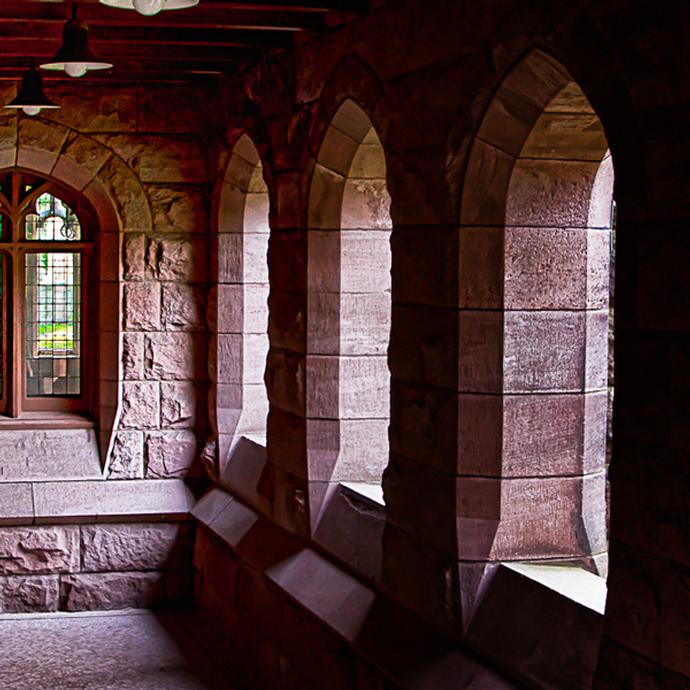
Place your subject within a doorway, tree branches, or architectural arch to create a natural frame. Add foreground, midground, and background elements for a 3D feel. Move a step left or right to clean up overlaps and tangles in the background.
Balance, symmetry, and visual weight
Visual weight is how much attention something attracts. Bright highlights, saturated colors, faces, and sharp areas feel heavier. Balance a dominant subject with a smaller counterweight, negative space, or a pattern. Choose symmetry for formal, calm images, and asymmetry for dynamism.
Use negative space to simplify
Negative space is the empty area around your subject. Clean backgrounds isolate your subject and amplify mood. Sky, walls, and soft bokeh are easy tools for minimal compositions that feel intentional and modern.
Foreground interest and depth cues
Even a small plant, rock, or reflection near the camera can add scale and depth. Place it slightly off-center and stop down (higher f-number) if you want both foreground and subject in focus, or open up to blur the foreground for a dreamy frame.
Perspective, focal length, and camera position
- Go low to make subjects feel larger and more heroic.
- Go high to simplify backgrounds or reveal patterns.
- Wide angle exaggerates depth and lines; telephoto compresses distance and stacks layers for graphic clarity.
Small shifts matter—take two steps to the side, tilt up or down, and re-check edges for distractions or cut-off elements.
Light, color, and contrast as composition tools
Light shapes what the viewer sees first. Use high-contrast areas to spotlight your subject and let shadows de-emphasize clutter. Color teaches the eye where to look; warm colors advance, cool colors recede.
Filters can support your composition at capture. A circular polarizer helps remove reflections and deepen skies, reducing distractions. Neutral density (ND) lets you blur water or crowds for cleaner frames. Consider Tiffen’s compact kits—Tiffen 46mm Photo Essentials Kit/TPK1 (SKU: TFL46TPK1) and Tiffen 49mm Digital Essentials Kit (SKU: TFL49DIGEK3)—available at Unique Photo, to control light for more intentional compositions.
Crop and straighten in post (refine your vision)
Don’t be afraid to crop for impact. Straighten horizons, remove edge clutter, and tighten the frame to emphasize your subject. Keep aspect ratios in mind—some compositions sing in 4:5 or square, others need a cinematic panoramic feel.

Common beginner mistakes (and quick fixes)
- Cluttered backgrounds: move your feet, change angle, open your aperture, or use negative space.
- Subject too close to the edge: leave breathing room; crop later if needed.
- Horizon through the head: lower or raise the camera to keep the horizon clean.
- Everything centered: try thirds, then center only when symmetry is the point.
- Too many elements: simplify—one story per frame.
10 quick exercises to build your eye
- Make 10 photos using only the rule of thirds—then 10 by breaking it.
- Shoot one scene from five heights and three angles.
- Find and photograph five S-curves in your neighborhood.
- Create a frame-within-a-frame with doors or foliage.
- Use only negative space for 15 minutes.
- Photograph the same subject at 24mm, 50mm, and 200mm.
- Make one photo of a subject with a busy background, then simplify it.
- Chase light: backlight, sidelight, and soft open shade.
- Long exposure with ND for motion blur to lead the eye.
- Print or export and crop three images two different ways each.
Composition for video beginners
Video uses the same rules—plus movement. Keep headroom consistent, avoid chopping at joints, and use leading space for subjects moving through the frame. Maintain consistent shot sizes (wide, medium, tight) for clean edits, and use leading lines to motivate motion.

Audio completes your composition. Clean sound keeps the viewer’s attention where you want it. A versatile recorder like the Zoom H6Essential Series 6-Track 32-Bit Float Handheld Recorder (SKU: ZOM3064) helps you capture dialogue, ambience, and music with plenty of dynamic range.

Learn composition faster with Unique University
If you learn best by doing, join our community. Unique Photo’s Unique University offers workshops, photo walks, and seminars that help you practice composition in real scenarios and get feedback from working pros. A few great options:
- EXPO: Visual Flow – Mastering the Art of Composition with Ian Plant (Tamron) – Build stronger visual narratives and intentional framing.
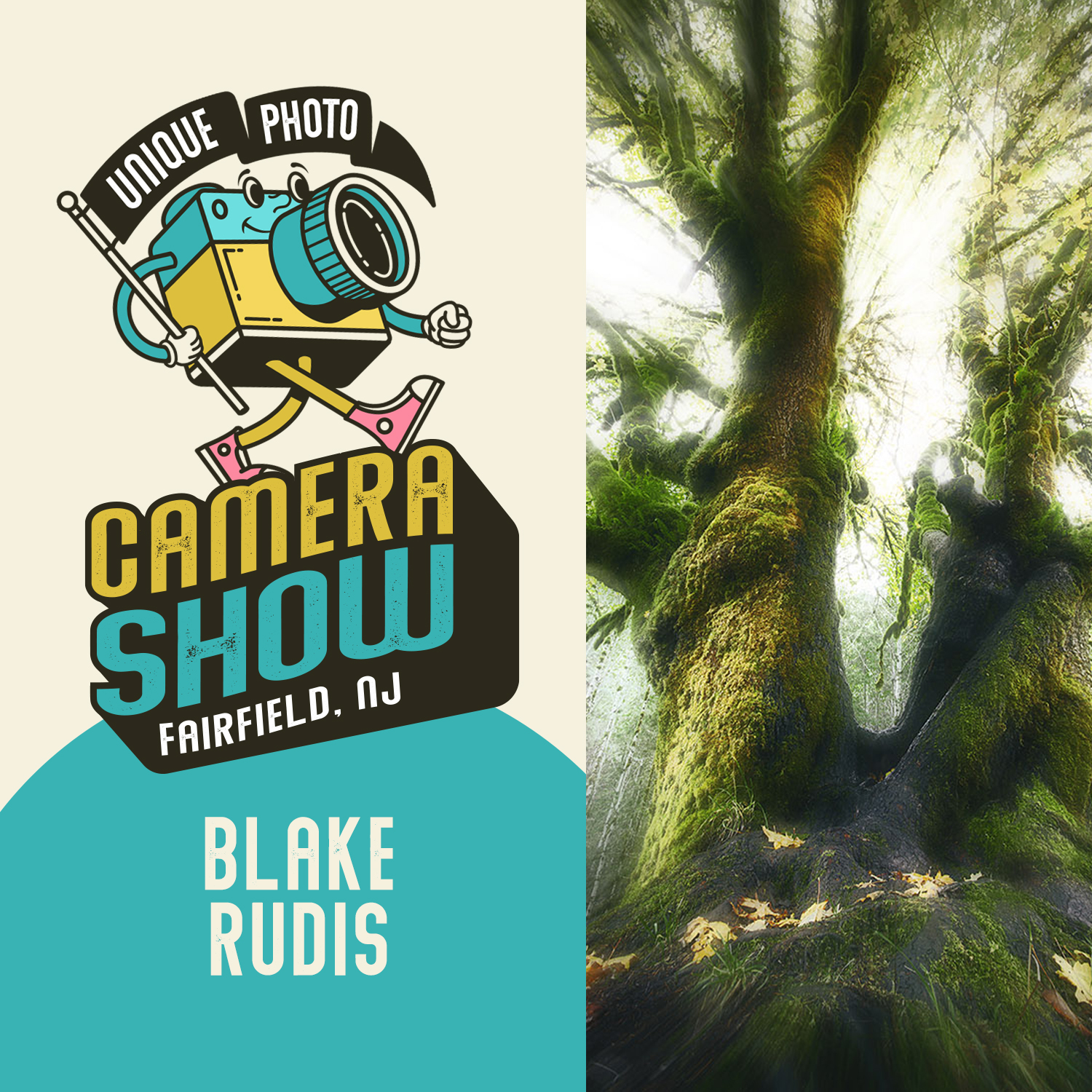
- NJCS: Common Sense Composition with Blake Rudis – Practical, hands-on strategies for cleaner, clearer photos.
- NJCS: Composition and Photographic Communication with Shiv Verma (Lumix) – Learn to communicate story and emotion through design.
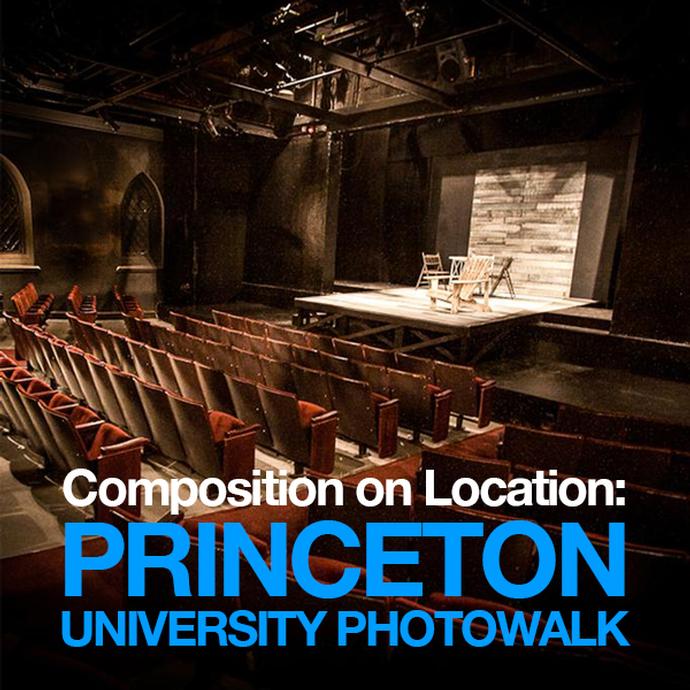
- Composition on Location: Princeton University with Alan Kesselhaut – Practice architecture, symmetry, and leading lines on a live photo walk.
Final thoughts
Composition is your most powerful, budget-friendly upgrade. By managing balance, lines, space, and perspective, you’ll create cleaner images with clearer stories—no new camera required. When you’re ready to level up quickly, stop by Unique Photo for expert advice, curated filter kits from Tiffen, and a full calendar of Unique University classes to sharpen your eye.
Suggested internal links (add on uniquephoto.com):
- Unique University classes and events (composition, photo walks, and EXPO seminars)
- Filters category (Tiffen Essentials kits, polarizers, and ND)
- Audio for creators (Zoom recorders and video accessories)
- Educational blog hub (more tutorials on exposure, color, and framing)