
Great composition turns a simple scene into a photograph that communicates clearly and feels intentional. Whether you shoot on a phone or a mirrorless camera, these beginner-friendly techniques will help you arrange elements, control attention, and tell a stronger visual story. As you practice, consider learning with Unique Photo’s expert-led classes and hands-on workshops to accelerate your progress.
What is composition? A quick start
Composition is how you arrange subjects, lines, shapes, light, and color within the frame. Your goal is to lead the viewer’s eye and communicate mood or information clearly. Start with a simple checklist:
- What is my subject?
- Where do I want the viewer to look first?
- What distracts from the subject? Can I remove it or move?
- Does the frame feel balanced?
- Is my background helping or hurting?
Want to go deeper? Unique Photo’s NJCS: Common Sense Composition with Blake Rudis focuses on practical decisions that improve every frame.
Rule of thirds (and when to break it)
Divide your frame into a 3x3 grid. Placing key elements along the lines or at their intersections creates natural balance. Try positioning horizons on a third and eyes on an intersection. Break the rule when strong symmetry or a centered subject tells your story better.
Leading lines and natural curves
Roads, fences, shorelines, shadows, and even implied lines like a subject’s gaze can guide attention. Place lines so they enter from a corner or edge and direct the viewer toward the subject. Curves (S-curves, arcs) suggest flow and elegance.
Framing and layers
Use doorways, branches, windows, or architecture to frame your subject. Framing adds depth and reduces distractions. Work in layers—foreground, midground, background—to create a 3D feel, even in 2D photos.

Balance and visual weight
Large, bright, high-contrast, or saturated elements feel heavier. Balance your subject with secondary elements on the opposite side of the frame, or counterweight with negative space. Try asymmetrical balance (subject on one side, visual counterpoint elsewhere) for dynamism.
Foreground, midground, background
Place a small element close to the lens for depth, keep the subject in the midground, and let the background support the story. Shift your position by inches to align elements, hide distractions, or overlap shapes cleanly.
Perspective, lens choice, and camera height
- Low angles emphasize foreground and make subjects feel powerful.
- High angles simplify backgrounds and reveal patterns.
- Wide lenses exaggerate depth and leading lines; telephoto lenses compress space and simplify.
Move your feet before changing lenses—perspective changes often solve more problems than focal length alone.
Background control and negative space
A clean background keeps attention where you want it. Look for plain walls, distant horizons, or soft bokeh. Embrace negative space to isolate a subject and add breathing room. Filters can also help manage contrast and reflections; Tiffen’s 46mm Photo Essentials Kit/TPK1 and 49mm Digital Essentials Kit are handy tools for glare control and color consistency, supporting stronger compositions in-camera.
Symmetry, patterns, and geometry
Symmetry creates calm and order; center your subject and check verticals/horizontals. Repeating shapes and patterns add rhythm. Break a pattern intentionally (one different element) to create a focal point.
Color, contrast, and light direction
- Use complementary colors (e.g., blue and orange) for pop.
- High contrast grabs attention; low contrast feels quiet and soft.
- Side light sculpts texture; backlight outlines and creates silhouettes; front light flattens but simplifies.
Expose for your intended mood and adjust white balance to support color harmony.
Minimalism and simplification
Remove anything that doesn’t serve the subject. Move, zoom, or wait for a cleaner moment. Simple images often read faster and feel stronger.
Compose for macro and close-up
Macro magnifies tiny details and easily gets cluttered. Keep backgrounds distant and smooth, and favor simple diagonals and leading lines from textures. Try a consistent angle of view and let pattern repetition anchor your frame.

Unique Photo’s NJCS: Macro Tips, Tricks, and Techniques with Mike Moats dives into composition strategies specific to macro, alongside lighting and focusing techniques.
Compose for video and storytelling
In motion, composition guides attention over time. Use the rule of thirds for interviews, look room for subjects speaking to camera, and motivated leading lines for scene transitions. Maintain consistent eyelines and horizon placement across cuts to avoid jumpy edits.
If you’re starting video, Unique Photo’s *FREE RSVP* Videography Beginners Guide with Sony (Philly) covers foundational shot composition, angles, and movement. To round out your production, consider capturing clean audio—good sound supports stronger visual storytelling.
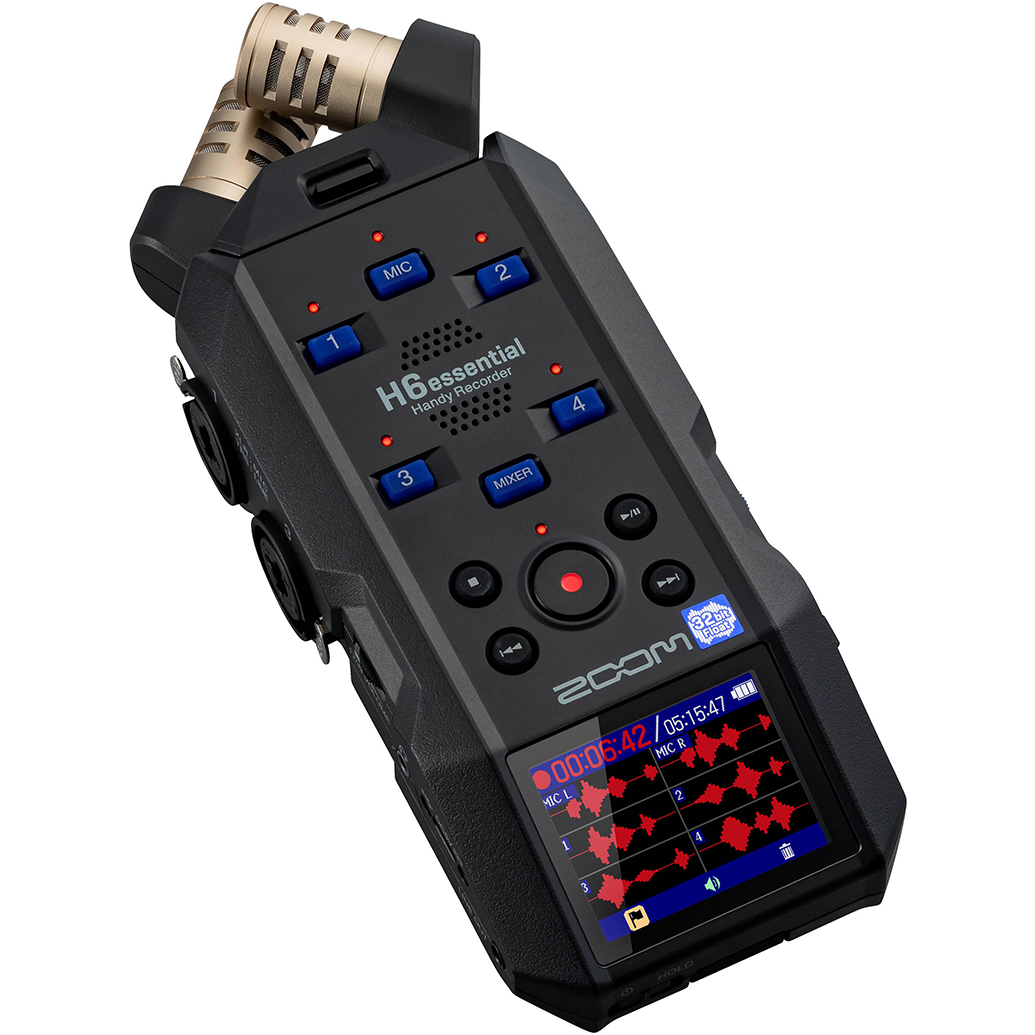
The Zoom H6Essential Series 6-Track 32-Bit Float Handheld Recorder helps preserve detail and dynamics across scenes, letting your visuals shine without audio distractions.
Practice exercises to build instincts
- One scene, five compositions: Shoot wide, medium, tight, low angle, high angle.
- Lines challenge: Find three different leading lines and place your subject at the end of each.
- Negative space day: Compose 10 frames where 60% of the photo is intentionally empty.
- Color contrast hunt: Pair complementary colors in a single frame.
- Background swap: Keep your subject, change your position until the background improves.
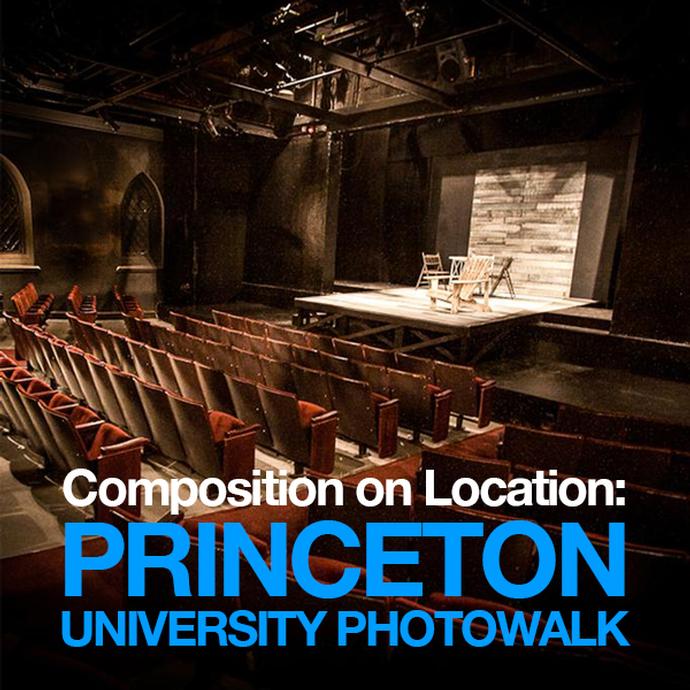
Prefer hands-on learning? Composition on Location: Princeton University with Alan Kesselhaut helps you practice balance, leading lines, and framing in real-world architecture and landscapes.
Common mistakes and quick fixes
- Cluttered edges: Scan the frame edges and recompose or crop in-camera.
- Centering by default: Try thirds or symmetry intentionally—avoid accidental centering.
- Slanted horizons: Level your camera or fix in post; keep verticals/lines straight where it matters.
- Busy backgrounds: Change angle, use a wider aperture, or move the subject away from the background.
- No clear subject: Ask what the photo is about, then simplify and highlight it.
Keep learning with Unique Photo
Composition is a skill you build frame by frame. Unique Photo’s educators and curated gear help you practice with purpose—from in-store classes to on-location workshops and specialty kits that reinforce in-camera results.
- Learn theory and application in NJCS: Composition and Photographic Communication with Shiv Verma (Lumix).
- Get practical, real-world frameworks in NJCS: Common Sense Composition with Blake Rudis.
- Practice in the field during Composition on Location: Princeton University with Alan Kesselhaut.
- Explore subject-specific composition in NJCS: Macro Tips, Tricks, and Techniques with Mike Moats (Tamron).
- Start strong in motion with the *FREE RSVP* Videography Beginners Guide with Sony (Philly); consider the Zoom H6Essential for reliable, high-quality on-location audio.
- For in-camera refinement, consider Tiffen’s 46mm Photo Essentials Kit/TPK1 or 49mm Digital Essentials Kit to control reflections and tone for cleaner compositions.
Internal linking suggestions:
- Unique University classes and events (browse current workshops and seminars)
- Filters category (circular polarizers, NDs, and kits for on-location control)
- Audio for creators (portable recorders and on-camera mics)
- Learning Center articles (more composition guides and shooting exercises)
Visit or contact Unique Photo to find the right class and tools for your next shoot—then go practice. Your compositions will get stronger with every frame.