Shooting in low light without a tripod is one of the most common real-world photography challenges. Whether you're capturing indoor events, street scenes at dusk, travel moments, or handheld video, the goal is the same: keep images sharp, preserve detail, and avoid excessive noise. This guide is for photographers and creators who want practical camera-setting advice first, plus a few smart gear recommendations that can make handheld low-light shooting easier.
The core settings strategy is simple: use the widest practical aperture, keep shutter speed fast enough to prevent blur, and raise ISO only as much as needed. Beyond that, the right lens, camera, and even specialty filter can help you hold contrast and mood in difficult lighting. Below, we break down the key settings and the gear worth considering.
Start With the Right Low-Light Camera Settings
If you're shooting handheld in dim conditions, start with these priorities:
- Aperture: Open the lens as wide as possible. Fast apertures like f/2.8, f/2, or wider let in more light and help keep ISO lower.
- Shutter Speed: For stills, try to stay at or above 1/focal length as a baseline. For example, around 1/50 sec at 50mm, and faster if your subject is moving.
- ISO: Increase ISO only as much as needed to maintain a usable shutter speed. Modern cameras handle higher ISO better than motion blur.
- Stabilization: Turn on lens or in-body stabilization if available, especially for static subjects.
- Drive Mode: Use burst shooting for stills. A short burst often gives you one sharper frame than a single press.
- Autofocus: Use single-point AF or eye detect when it works reliably. In very dark scenes, switch to a high-contrast focus area.
- Metering and Exposure Compensation: Watch bright highlights like signs or lamps. Slight underexposure can protect highlights and preserve atmosphere.
If your camera offers Auto ISO with a minimum shutter speed setting, this can be one of the most effective handheld low-light tools. It lets you prioritize aperture and shutter speed while the camera adjusts ISO on the fly.
Best Shooting Modes for Handheld Low Light
Aperture Priority is often the easiest choice for still photography in low light. Set your lens wide open, enable Auto ISO, and choose a minimum shutter speed if your camera allows it.
Manual Mode with Auto ISO gives more control. This is ideal when lighting is tricky and you want to lock in a safe shutter speed and aperture combination.
Shutter Priority can work for moving subjects, but be careful: the camera may force your aperture wide open and push ISO high very quickly.
For handheld video in low light, stick close to the 180-degree shutter guideline when possible, use the widest practical aperture, and be realistic about ISO. Good noise performance and stabilization matter more than extreme resolution in these situations.
Gear That Helps When You Can't Use a Tripod
While technique matters most, a fast lens, a compact low-light-friendly camera, or a specialty filter can improve your results. These picks are especially relevant for low-light handheld shooting.
Used Tamron A058 35-150mm f/2-2.8 Di III VXD Lens (Nikon Z) - Excellent Condi

A fast zoom is one of the most useful upgrades for shooting in low light without support, and this Tamron 35-150mm f/2-2.8 stands out for exactly that reason. At the wide end, f/2 gives you a major light-gathering advantage over slower zooms, helping you maintain faster shutter speeds and lower ISO. The versatile focal range also means you can frame portraits, events, and detail shots without changing lenses.
Why it works for low light: fast maximum aperture, flexible zoom range, and strong potential as an all-in-one event or available-light lens.
Best for: event photographers, portrait shooters, and Nikon Z users who want one lens that can stay on the camera in dim environments.
Used Canon PowerShot V10 Vlog Camera for Content Creators (Black) - Excellen
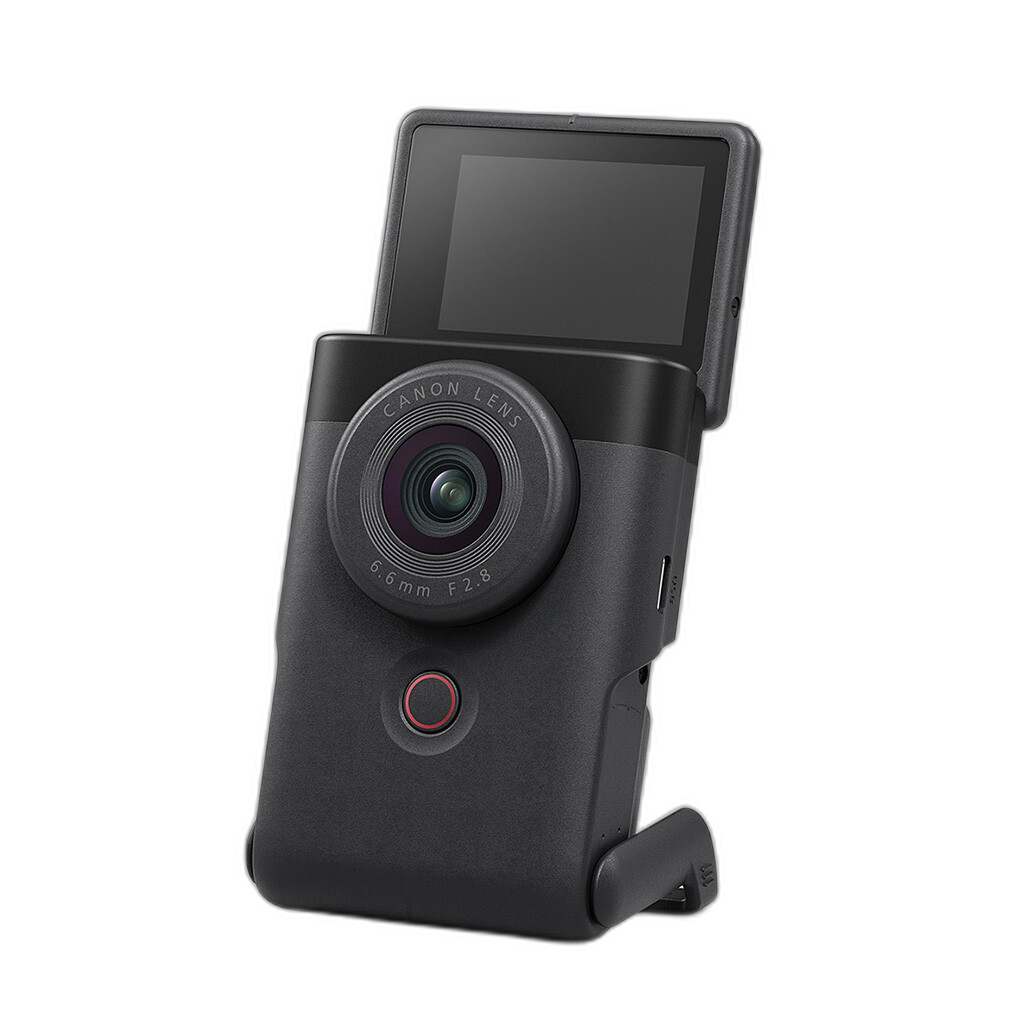
If your low-light shooting is more video-focused, a compact camera like the Canon PowerShot V10 can be a convenient option for creators who need a simple grab-and-go setup. While small cameras have inherent low-light limitations compared to larger-sensor interchangeable-lens models, an easy-to-carry camera can still be the right choice when portability matters most.
Why it works for low light: compact size means you'll actually have it with you, making it practical for casual night content, indoor clips, and social-first shooting.
Best for: content creators, vloggers, and users prioritizing simplicity over a larger full-featured system.
Tiffen 72mm LOW LIGHT ULTRACONTRAST 1
The Tiffen Low Light Ultra Contrast 1 is a subtle way to manage harsh contrast in difficult night scenes. In environments with deep shadows and bright point light sources, an Ultra Contrast filter can help lift shadow detail while keeping the look more natural than heavy post-processing.
Why it works for low light: helps tame contrast and reveal more usable information in shadow areas.
Best for: photographers and filmmakers who want a gentle effect and a more restrained low-light look.
Tiffen 72mm LOW LIGHT ULTRACONTRAST 4
The Ultra Contrast 4 increases the effect compared to the 1-strength version, making it a better fit when scenes have stronger contrast or when you're deliberately shaping a cinematic nighttime look. It can be a useful creative choice for urban night scenes and practical-light interiors.
Why it works for low light: stronger shadow lift and more visible contrast control in high-contrast scenes.
Best for: creators who want a noticeable effect without going all the way to the heaviest grade.
Tiffen 72mm LOW LIGHT ULTRACONTRAST 5
The Ultra Contrast 5 is the boldest option here and best suited to photographers or filmmakers who know they want a pronounced effect. In the right scene, it can noticeably open shadows and reduce the harshness of night lighting, though subtle shooters may prefer a lower strength.
Why it works for low light: maximum contrast control among these three options.
Best for: highly stylized night work and shooters who want the strongest visible filter effect.
Our Pick
Our Pick: Used Tamron A058 35-150mm f/2-2.8 Di III VXD Lens (Nikon Z)
For most photographers trying to improve low-light results without a tripod, a faster lens is the most meaningful upgrade. This Tamron gives you a bright aperture and a highly flexible zoom range, which directly supports the key settings strategy of keeping shutter speed up and ISO under control.
Quick Comparison
| Product | Type | Best Use | Low-Light Advantage |
|---|---|---|---|
| Used Tamron 35-150mm f/2-2.8 | Lens | Events, portraits, available-light photography | Fast aperture helps maintain faster shutter speeds |
| Used Canon PowerShot V10 | Camera | Vlogging, casual handheld content | Portable and easy to carry for spontaneous low-light shooting |
| Tiffen Low Light Ultra Contrast 1 | Filter | Subtle contrast control | Gentle shadow lift in night scenes |
| Tiffen Low Light Ultra Contrast 4 | Filter | Balanced creative effect | More noticeable contrast reduction and shadow detail |
| Tiffen Low Light Ultra Contrast 5 | Filter | Stylized low-light work | Strongest shadow lift and contrast management |
Practical Setting Recommendations by Scenario
Indoor events: Start around f/2 to f/2.8, 1/125 sec or faster for people, and Auto ISO with an upper limit you're comfortable editing.
Night street photography: Use the widest aperture available, 1/125 sec or faster for moving subjects, and consider slight underexposure to preserve signage and highlights.
Handheld video indoors: Keep shutter near your frame-rate standard, use your widest practical aperture, and rely on stabilization plus careful exposure rather than trying to brighten everything unnaturally.
Static scenes: If your stabilization is strong and the subject isn't moving, you can often get away with slower shutter speeds than expected. Shoot short bursts to improve your odds.
What to Avoid in Low Light Without a Tripod
- Using too slow a shutter speed for your focal length
- Stopping down the lens unnecessarily
- Relying on very aggressive noise reduction that smears detail
- Trusting autofocus blindly in extremely dark scenes without checking results
- Ignoring subject motion, even if stabilization helps camera shake
Conclusion
The best settings for shooting in low light without a tripod come down to balancing aperture, shutter speed, and ISO in a way that protects sharpness first. For gear, a fast lens is usually the strongest upgrade, which is why the Used Tamron 35-150mm f/2-2.8 is our top recommendation here. If you want to shape contrast in night scenes, the Tiffen Low Light Ultra Contrast filters are worthwhile creative tools, while the Canon PowerShot V10 offers a compact option for content creators who value portability. For more low-light photography gear and used-camera finds, shop Unique Photo.