Introduction: The Accessory Problem in DSLR and Mirrorless Video
Anyone who has shot serious video on a DSLR or mirrorless camera knows the pattern: the camera body is only the beginning. To make it production-ready, you often add an external monitor, audio interface, power solution, zoom lens, streaming encoder, remote control system, and sometimes even a second or third camera for alternate angles. By the time the rig is complete, the simplicity that made hybrid cameras appealing has often disappeared.
That is where purpose-built video tools become an important part of the conversation. While this topic centers on essential accessories for DSLR/mirrorless video shooting, the truth is that many creators eventually discover that the best “accessory” is sometimes a dedicated video camera that replaces multiple add-ons at once. JVC Professional Video offers several strong examples of this approach, from connected handheld camcorders to PTZ remote cameras that can expand a video setup far beyond what a typical mirrorless body can do alone.
For content creators, event videographers, sports shooters, houses of worship, educators, and live production teams, these JVC models represent practical solutions to common accessory-related bottlenecks: limited recording ergonomics, short battery life, awkward audio workflows, restricted zoom range, and the challenge of adding multi-camera coverage.
Rather than treating cages, recorders, adapters, and remote systems as mandatory purchases, these cameras package many of those needs into a more streamlined workflow. If your DSLR or mirrorless setup is starting to feel overloaded, these are compelling alternatives and complements available from Unique Photo.
Key Features That Replace Common Video Accessories
1. Built-In Power Zoom and Video-First Ergonomics
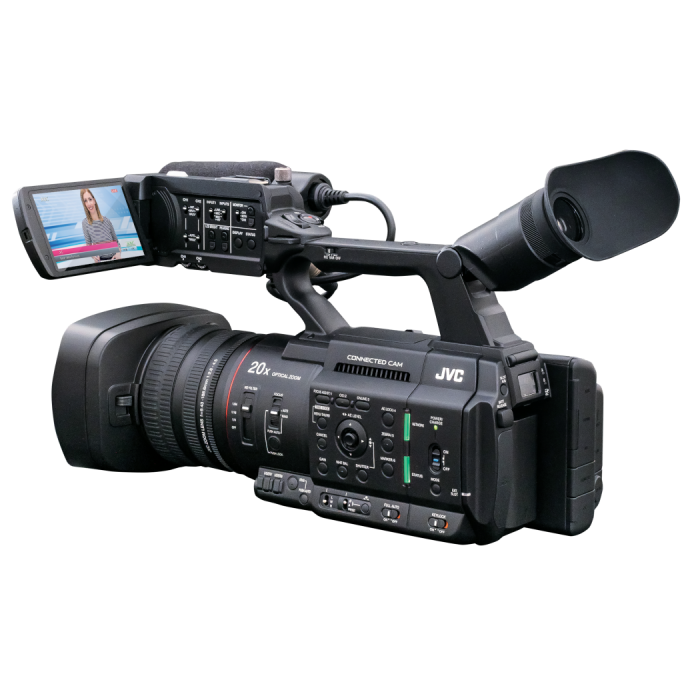
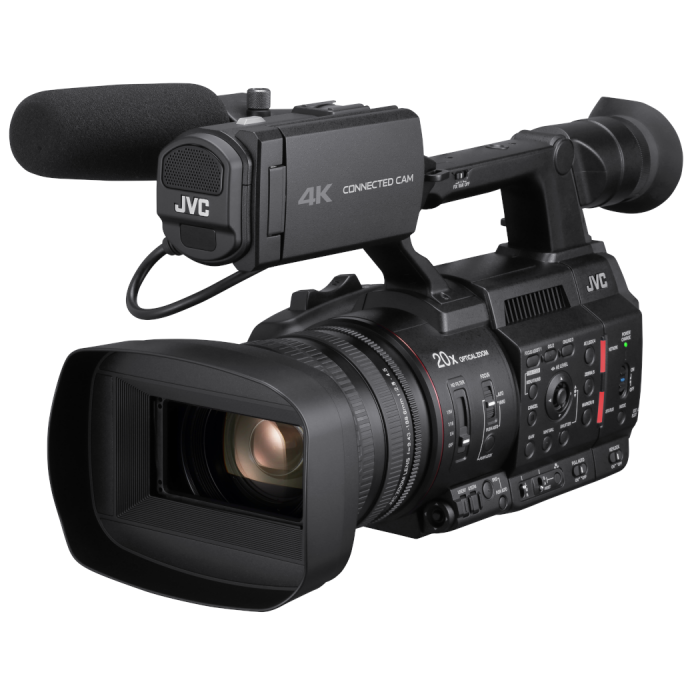
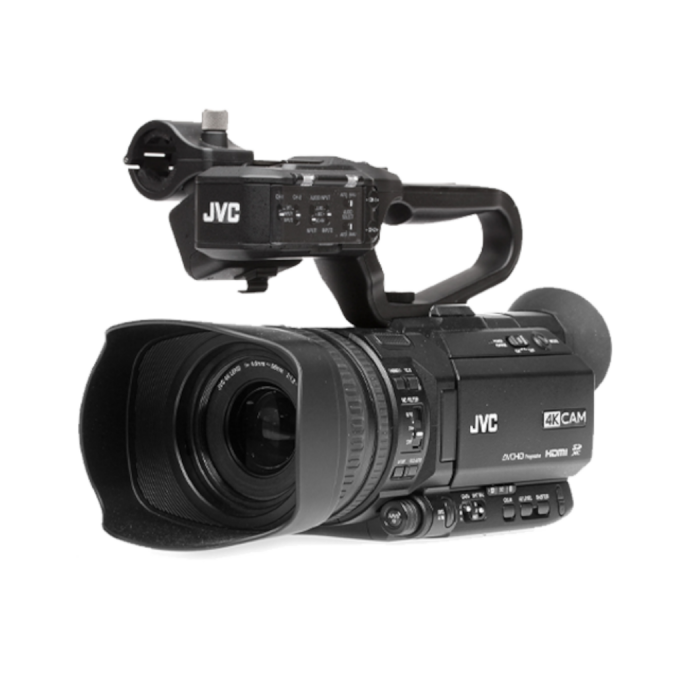
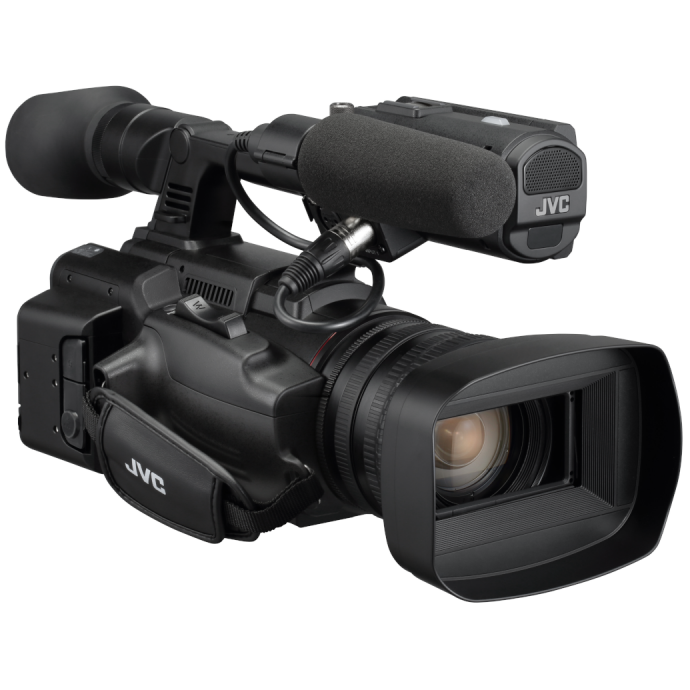
One of the biggest limitations of many DSLR and mirrorless systems for video is lens handling. Photo lenses are often not optimized for smooth servo zoom operation, and handheld balance can become awkward once you add external accessories. A model like the JVC GY-HC500U Handheld Connected Cam 1in 4K Professional Camcorder addresses this immediately with an integrated video-centric design and lens system intended for motion work.
That means fewer compromises in handheld shooting, faster setup times, and less need for separate lens motors or support rigs. For documentary, ENG, school sports, and event work, this can be a major advantage over assembling a hybrid camera rig from scratch.
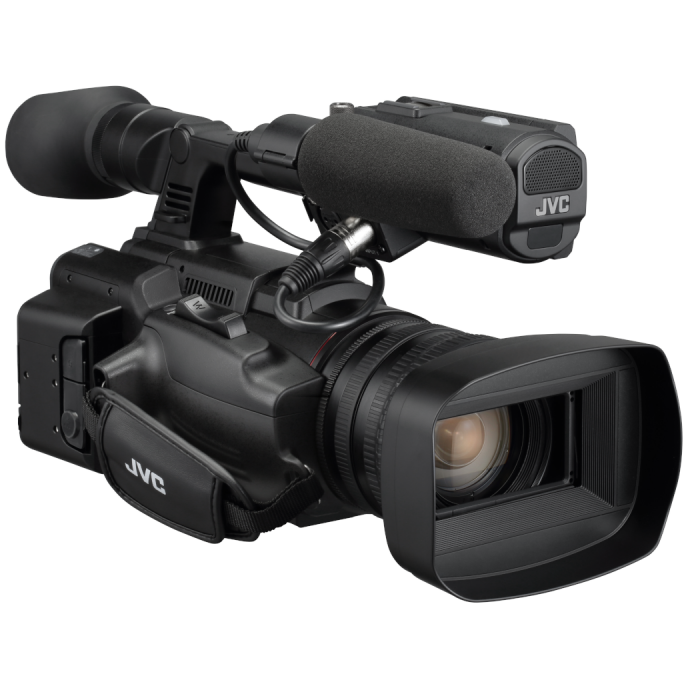
The same idea applies to the JVC GY-HC500MC Handheld 4K 20x Zoom Connected Camcorder, which is especially appealing for users who need long zoom capability without building out a large interchangeable-lens package. That kind of optical range is one of the most expensive and cumbersome “accessories” to replicate in a mirrorless ecosystem.
2. Professional Audio Without Extra Boxes
Audio is often the first place DSLR and mirrorless shooters run into accessory creep. External preamps, XLR adapters, recorders, and cable management solutions quickly become necessary when clean dialogue or live sound capture matters. Dedicated camcorders like the JVC GY-HC500 series are attractive because they are built with professional acquisition in mind, reducing or eliminating the need for fragile, camera-mounted audio workarounds.
For run-and-gun productions, that means quicker deployment and fewer failure points. Instead of stacking adapters on a compact body, operators can work with a system designed from the ground up for production audio integration.
3. Streaming and Connected Production Workflows
Today’s video shooters are not just recording files for later editing. Many are expected to stream, deliver to remote teams, or contribute to live-switched productions. This is another area where DSLR and mirrorless cameras often require multiple accessories: capture devices, encoders, converters, and network hardware.
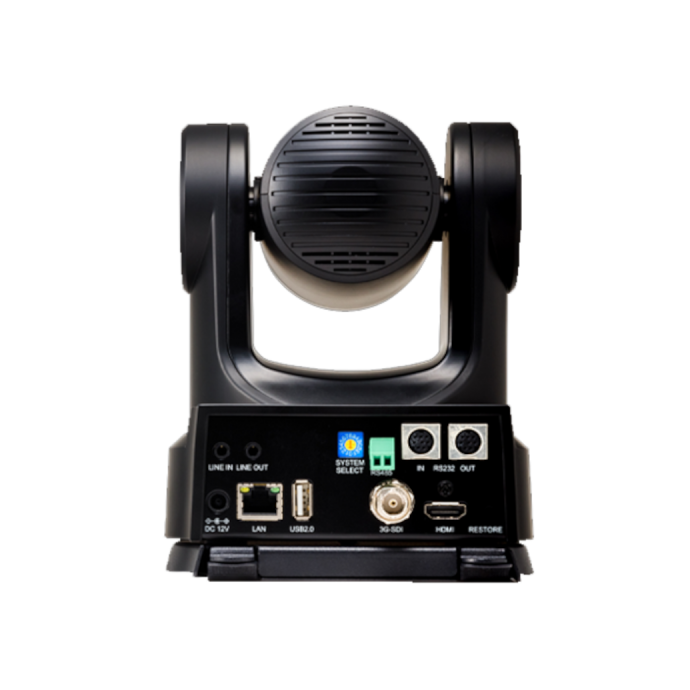
JVC’s connected camcorder and PTZ lineup is particularly strong here. The JVC KY-PZ400N 4K NDI HX PTZ Remote Camera with 12x Optical Zoom is a standout for users building a modern multi-camera workflow. It is especially useful when your mirrorless setup needs support cameras in fixed positions, overhead angles, stage coverage, or remote-operated environments.
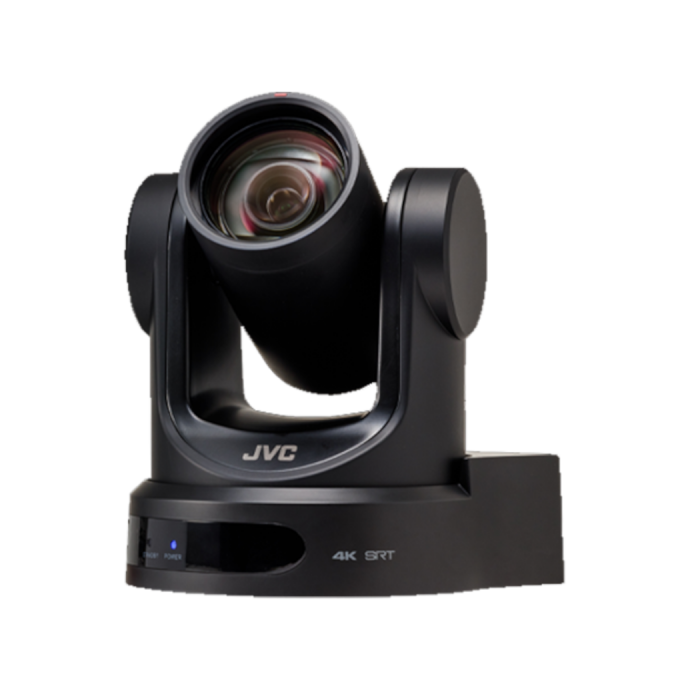
Instead of treating streaming and remote camera control as accessories bolted onto a stills camera, PTZ models make them part of the system design. For churches, conference rooms, classrooms, interview sets, and webcast studios, that can be far more efficient.
4. PTZ Cameras as the Ultimate “Accessory” for Hybrid Shooters
For creators already using a DSLR or mirrorless camera as their primary A-cam, adding a PTZ camera can be one of the smartest upgrades available. It expands coverage without requiring a second operator and brings a level of remote flexibility that conventional hybrid cameras rarely match without major investment.
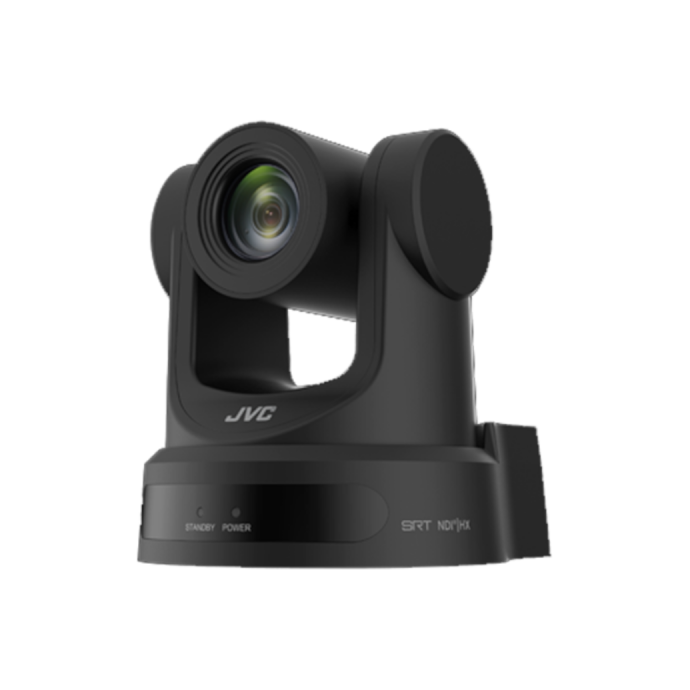
The JVC KY-PZ200N HD NDI HX PTZ Remote Camera with 20x Optical Zoom (Black) is a strong example of this concept. It works especially well as a locked-off wide shot, stage camera, or secondary angle for live production environments.
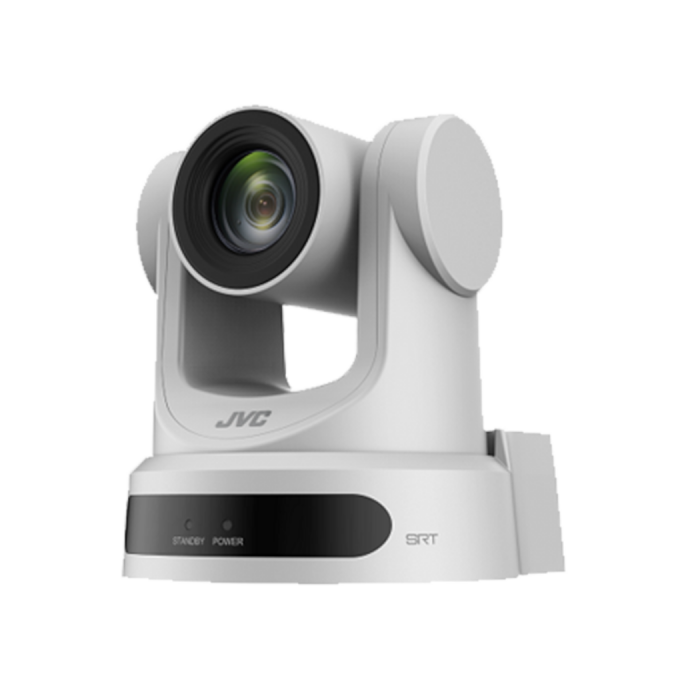
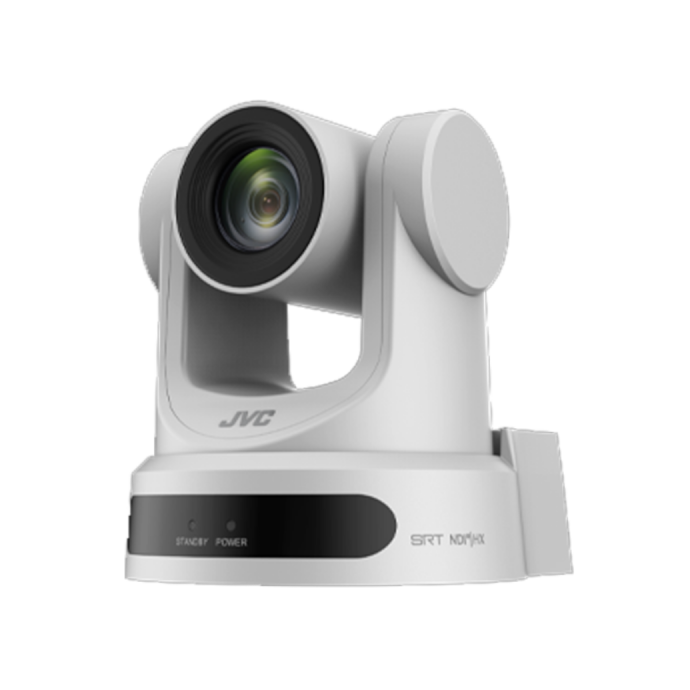
If installation aesthetics matter, the white variants such as the JVC KY-PZ200 HD PTZ Remote Camera with 20x Optical Zoom (White) and JVC KY-PZ200N HD NDI HX PTZ Remote Camera with 20x Optical Zoom (White) are also useful options for studios, sanctuaries, classrooms, and corporate environments where a more discreet appearance is preferred.
5. Sports and Event Production Tools Without a Giant Rig
Some video niches demand features that are difficult to replicate through accessories alone. Sports shooting is one of them. The JVC GY-HC500SPCU Handheld 4K Connected Camcorder with Sport Overlays and the JVC GY-HM250SP Compact Handheld Camcorder with Integrated 12x Lens and Sports are highly specialized solutions for event and sports production workflows.
For schools, local broadcasters, athletic departments, and live event teams, this matters because the “accessory” conversation changes completely. Instead of asking which monitor, lens, encoder, or graphics box to add to a mirrorless camera, these systems are designed to support the workflow more directly.
That makes them especially appealing for buyers who need practical production value more than interchangeable-lens flexibility.
How These JVC Cameras Compare to Typical DSLR/Mirrorless Accessory Builds
In a traditional mirrorless video kit, the essential accessory list often includes:
- External microphone or XLR audio adapter
- External monitor or recorder
- Extra batteries or power distribution solution
- Cage and rigging hardware
- Follow focus or zoom control solution
- Streaming or capture hardware
- Tripod plate and support gear for better balance
- Additional cameras for alternate angles
What makes the JVC lineup notable is how many of those jobs can be reduced, simplified, or reassigned. A connected handheld camcorder can replace several rigging-related purchases, while a PTZ camera can add unmanned coverage without creating another full hybrid camera package to maintain.
This does not mean DSLRs and mirrorless cameras are obsolete for video. Far from it. They still excel in shallow-depth-of-field work, compact travel kits, and hybrid photo/video production. But when the accessory stack gets out of control, products like these become a logical next step.
Pros and Cons
Pros
- Purpose-built video ergonomics reduce the need for cages and add-on rigging
- Integrated zoom lenses simplify lens selection and lower total system complexity
- Connected camera features support modern streaming and live production workflows
- PTZ models provide excellent secondary or remote angles for DSLR/mirrorless shooters
- Strong options for sports, events, education, and house-of-worship production
- Professional-oriented designs can reduce setup time and on-set troubleshooting
Cons
- Less emphasis on interchangeable-lens flexibility than mirrorless systems
- PTZ and camcorder workflows may feel specialized for casual creators
- Users focused mainly on cinematic shallow depth of field may still prefer large-sensor hybrids
- These are best viewed as workflow tools, not direct one-to-one replacements for every style of DSLR/mirrorless shooting
Who Should Consider These Cameras?
If you are a DSLR or mirrorless shooter asking what accessories you need for more reliable video, this JVC lineup is worth considering in three specific cases.
First, if you do run-and-gun work and are tired of building a rig every time you shoot, the GY-HC500U or GY-HC500MC can streamline your workflow dramatically.
Second, if you need multi-camera coverage for events, worship, education, livestreaming, or studio production, the KY-PZ200 and KY-PZ400N PTZ cameras are excellent support tools.
Third, if you produce sports content, the sport-focused camcorder options offer practical advantages that can be difficult to replicate with generic hybrid accessories.
Verdict
As a review of essential accessories for DSLR/mirrorless video shooting, the biggest takeaway is that the smartest upgrade is not always another accessory. Often, it is a dedicated tool that eliminates the need for several accessories at once. JVC’s professional video lineup does exactly that.
The JVC GY-HC500U and GY-HC500MC are particularly strong for shooters who want a more complete handheld production solution, while the KY-PZ200 series and KY-PZ400N stand out as excellent remote-camera additions to a hybrid video workflow. The sports-oriented models further broaden the lineup for users with specialized live-production needs.
If your mirrorless or DSLR setup is growing more complicated with every shoot, these JVC cameras offer a compelling way to simplify production while expanding capability. For creators and production teams ready to buy, Unique Photo is an excellent place to explore these JVC Professional Video options.