Introduction: Three Strong Paths for Indie Filmmakers
If you are trying to choose between the Sony FX30, Canon EOS R7, and Panasonic GH6 for indie filmmaking, you are really choosing between three very different philosophies of camera design. The FX30 is the most cinema-focused option of the group, built to slide naturally into professional video workflows. The Canon R7 is the hybrid pick, balancing strong stills performance with capable video features. The Panasonic GH6 remains one of the most feature-rich video tools in its class, especially for filmmakers who prioritize recording flexibility, codecs, and in-camera control.
For indie filmmakers, that makes this comparison especially important. Budget matters, lens ecosystems matter, autofocus can matter a lot if you work solo, and the difference between a camera that feels like a filmmaking tool versus one that feels like a photography body with advanced video can shape your entire production experience.
While all three cameras can produce impressive results, they are not equally suited to every type of filmmaker. The Sony FX30 is the clear pick for creators building a cinema-first setup. The Canon R7 appeals to owner-operators who also shoot photos, events, and social content. The Panasonic GH6 is a technical powerhouse for filmmakers who want deep control and robust internal recording.
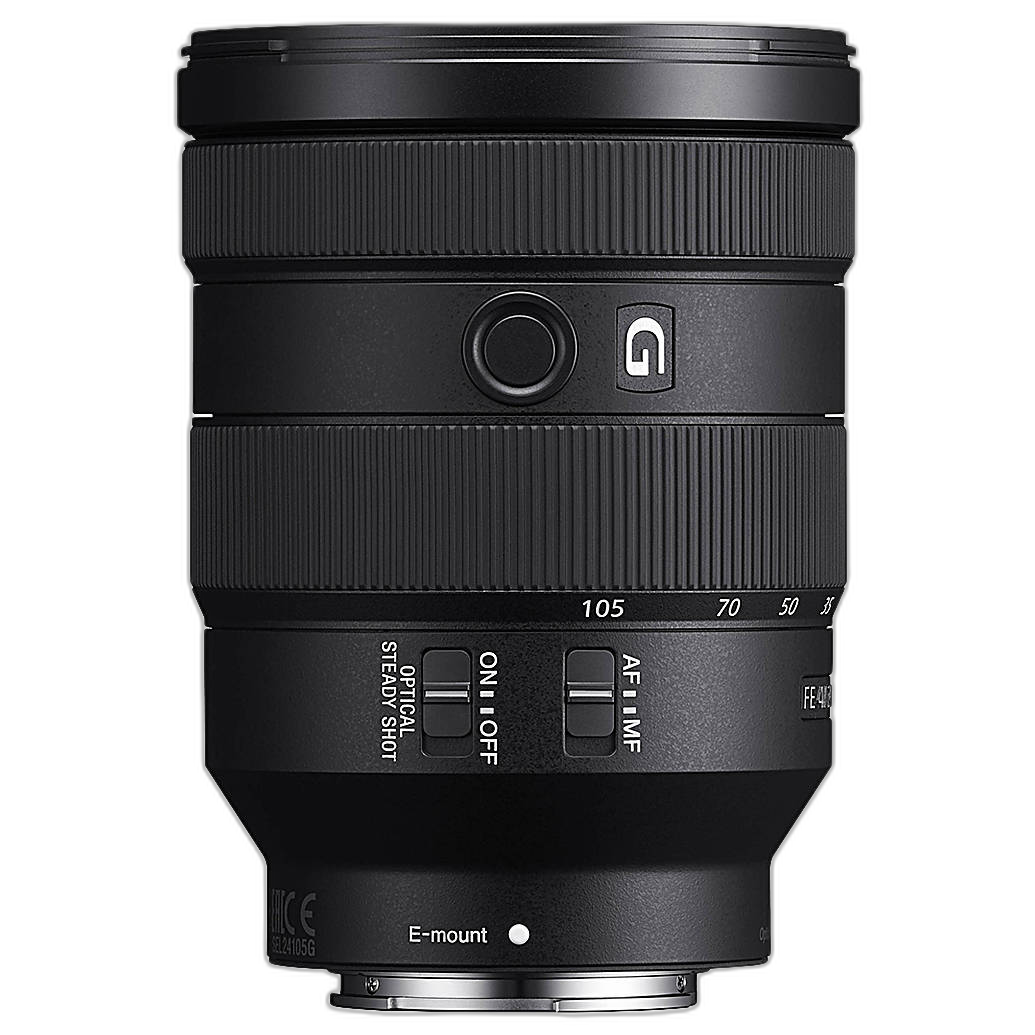
To round out a Sony-oriented indie kit, a standard zoom like the Sony FE 24-105mm f/4 G OSS Lens is a practical companion for interviews, handheld work, and documentary coverage.
How the Sony FX30 Stands Out
Cinema-First Design
The Sony FX30 feels purpose-built for video in a way the Canon R7 does not. Its interface, button layout, and overall workflow are clearly designed for filmmakers. If your projects involve narrative shorts, branded content, music videos, or commercial shoots, the FX30 makes more sense immediately. It belongs to Sony's Cinema Line, and that matters not just in branding, but in usability.
Features such as dual base ISO behavior, log shooting options, strong subject tracking, tally lights, and a body that integrates easily into rigging setups make it far more production-friendly than a generalist hybrid camera. For solo operators, small crews, and filmmakers who want a camera that can grow into paid work, the FX30 is arguably the most strategically smart investment here.
Excellent Autofocus for Run-and-Gun Work
Sony continues to lead in autofocus performance for video, and the FX30 benefits directly from that advantage. For indie filmmakers working with gimbals, handheld documentary coverage, or one-person interview setups, reliable autofocus can save time and reduce missed takes. The FX30 is especially strong for creators who need speed without giving up a cinematic image pipeline.
That can be a deciding factor if you frequently shoot with minimal crew. Pulling focus manually is not always realistic when you are handling camera movement, audio, and lighting yourself.
Lens Ecosystem Advantage
Another major reason to lean toward the FX30 is Sony's mature E-mount ecosystem. There is a deep range of native and third-party lenses across many budgets. For indie productions, that flexibility is extremely valuable. You can build out a kit slowly, mix autofocus zooms with manual cine lenses, and adapt your setup as your projects get more demanding.
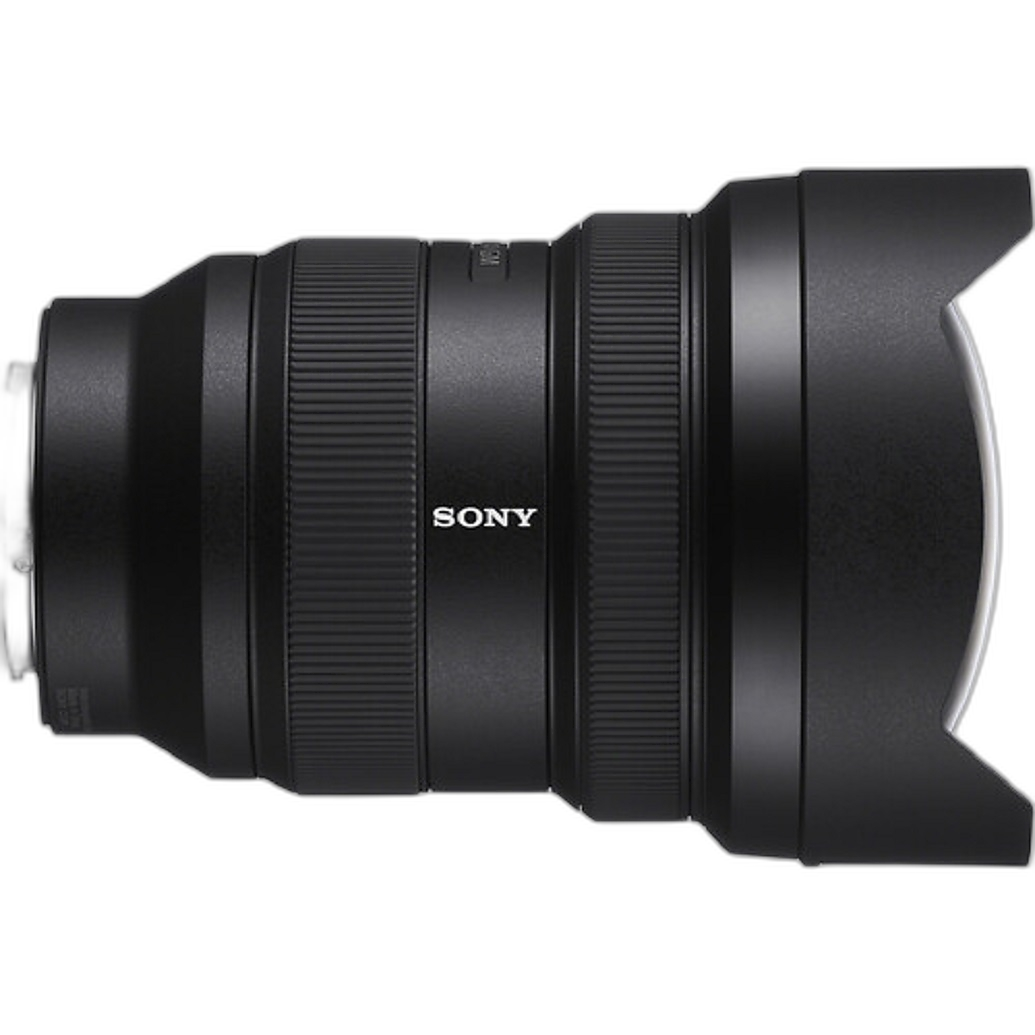
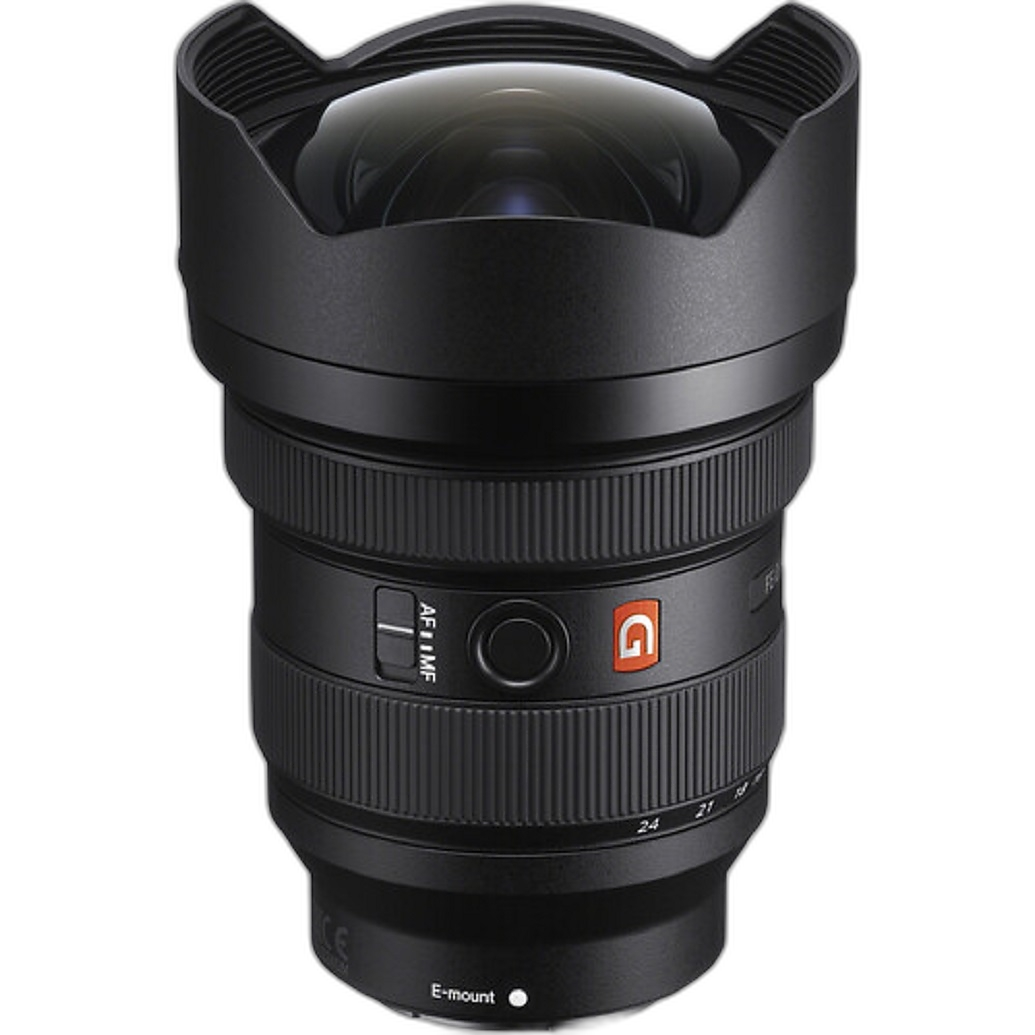
A lens like the Sony FE 12-24mm f/2.8 GM Lens shows how strong the Sony ecosystem can be for dramatic wide shots, cramped interiors, or stylized gimbal work.
Where the Canon R7 Makes Sense
The Best Hybrid Choice of the Three
The Canon EOS R7 is the camera to consider if filmmaking is important, but not the only thing you do. It is the strongest hybrid option in this comparison for users who also shoot stills regularly. If you are making short films one week, covering events the next, and creating photo content for clients in between, the R7 can be a compelling middle ground.
Its APS-C sensor gives you strong reach for certain kinds of shooting, and Canon's color science continues to appeal to many creators. The camera is capable enough for serious video, but its identity still leans more hybrid than cinema.
Good Autofocus and Familiar Canon Handling
Canon's autofocus is very strong, and for creators already in the Canon ecosystem, the R7 is comfortable and dependable. Face and subject detection perform well, making the camera useful for interviews, vlogging, documentary work, and lightweight production.
However, if your workflow is heavily video-centric, the R7 does not feel as naturally optimized for filmmaking as the FX30 or as deeply configurable as the GH6. It can absolutely produce strong video, but its operational personality remains that of a hybrid camera.
Potential Limitation for Indie Cinema Growth
The biggest issue with the R7 in this specific comparison is not quality, but specialization. For filmmakers who expect to invest deeper in narrative or commercial production, the R7 may eventually feel like a stepping stone rather than a destination body. It works best for creators who value versatility above all else.
Why the Panasonic GH6 Still Has Serious Appeal
A Filmmaker's Feature Monster
The Panasonic GH6 remains one of the most technically impressive video cameras in its class. If your priority is codec variety, internal recording power, monitoring tools, professional video assist functions, and general recording flexibility, the GH6 is a standout. It gives filmmakers an enormous amount of control without requiring an external recorder for many advanced workflows.
This is where Panasonic continues to earn respect among indie filmmakers. The GH6 feels built by people who understand what video shooters actually need on set. It offers robust internal formats, strong stabilization, waveform monitoring, and deep menu customization. For controlled productions, that is a real advantage.
The Micro Four Thirds Tradeoff
The GH6's biggest tradeoff is its Micro Four Thirds sensor format. This is not inherently a weakness, but it does shape the look, lens choices, and low-light performance expectations. Some indie filmmakers love the format because lenses are smaller, the system is flexible, and stabilization can be excellent. Others may prefer the larger-sensor aesthetic and low-light confidence of the FX30.
If you often shoot in available light, or you want shallower depth of field with less effort, the FX30 may have an edge. If you care more about recording tools and in-camera production features, the GH6 is still one of the strongest options available.
Best for Planned Productions
The GH6 is especially appealing for filmmakers who work more deliberately. If you light scenes, pull focus manually, and care about codecs more than continuous autofocus, Panasonic's strengths become more important than its weaknesses. It is less about convenience and more about capability.
Image, Workflow, and Real-World Indie Use
Sony FX30: Best Overall for Modern Indie Production
The FX30 is the most balanced recommendation for many indie filmmakers because it combines cinema-oriented ergonomics, excellent autofocus, strong image quality, and broad lens support. It is the easiest camera here to recommend for people who want to grow into more professional filmmaking work without quickly outgrowing the body.
It handles solo work well, adapts to rigs well, and integrates into professional Sony ecosystems well. That combination is hard to beat.
Canon R7: Best for Creators Who Need Photo and Video Equally
The R7 is not the best pure filmmaking camera in this group, but it may be the best real-world camera for certain users. If your career or creative life demands both strong stills and strong video, the R7 can be the most practical buy. It gives you a lot without forcing you into a cinema-only mindset.
Panasonic GH6: Best for Technical Video Users
The GH6 is ideal for filmmakers who prioritize recording quality, internal options, and advanced video tools over autofocus convenience. It rewards careful shooting and a more deliberate production style. For some indie filmmakers, that makes it the most exciting camera of the three.
Pros and Cons
Sony FX30
- Pros: cinema-first design, excellent autofocus, strong lens ecosystem, great for solo operators, ideal for narrative and commercial video work
- Cons: less hybrid-friendly for stills shooters, some users may need to build out accessories for best experience
Canon R7
- Pros: strong hybrid performance, very good autofocus, good value for creators shooting both stills and video, familiar Canon handling
- Cons: less cinema-focused than FX30, may feel limiting for filmmakers who want a dedicated video body long-term
Panasonic GH6
- Pros: outstanding internal recording options, filmmaker-friendly monitoring tools, strong stabilization, highly configurable for serious video work
- Cons: autofocus is less confidence-inspiring for some users, Micro Four Thirds look and low-light behavior may not suit every filmmaker
Verdict: Which One Should Indie Filmmakers Buy?
If your main goal is filmmaking and you want the strongest all-around tool for modern indie production, the Sony FX30 is the best choice. It offers the best mix of image quality, autofocus, production usability, and long-term system growth. For most indie filmmakers, it is the safest and smartest recommendation.
If you need one camera for both serious photo work and video, the Canon R7 is the more practical hybrid option. If you are a technically minded filmmaker who values codecs, internal recording flexibility, and production tools above autofocus, the Panasonic GH6 remains extremely compelling.
In short: choose the FX30 for a cinema-first future, the R7 for hybrid versatility, and the GH6 for maximum video control.
If you are ready to build your filmmaking kit, Unique Photo is an excellent place to buy cameras, lenses, and accessories, with a strong selection for indie creators assembling a system that can scale with their work.