For new filmmakers, the biggest challenge usually is not finding gear—it is choosing the right gear balance. Beginners often spend too much on the camera body, too little on sound, and almost nothing on support, transport, or workflow accessories. In real-world video production, a well-rounded starter setup consistently outperforms a top-heavy kit built around a single expensive camera.
This review takes a practical look at how newcomers should think about camera-and-lens choices, accessories, and spending priorities, using a handful of video-focused products available at Unique Photo as reference points. Rather than assuming every beginner needs a cinema camera on day one, the smarter approach is to understand what each category contributes to production quality and where each product fits on the path from first shoots to more serious work.
If there is one theme that defines entry-level videography, it is this: audiences will forgive imperfect visuals sooner than they will forgive bad audio, shaky framing, or a chaotic setup process. That is why even when comparing higher-end options like the Canon EOS C200 kits or the RED V-RAPTOR XE Cine Essentials Pack, it is important for beginners to ask whether that money would create better results if distributed across camera, lens, microphone, support tools, and protective storage.
Product Positioning: What Beginners Actually Need Versus What They Want
When first-time video creators compare setups, the temptation is to prioritize headline specs: RAW recording, cinema body design, lens bundles, or flagship branding. Those features matter, but they do not automatically create a better beginner experience.
For someone just entering video production, the ideal setup usually emphasizes:
- Easy-to-manage camera operation
- A versatile lens or lens strategy
- Reliable audio capture
- Basic livestream or mobile accessories if content creation is hybrid
- Protective transport and organization
Seen through that lens, the available products break into three tiers. The Canon EOS C200 EF Cinema Camera with 24-105mm II Lens Kit and Canon EOS C200 with Prime Lens Bundle are advanced but comparatively approachable cinema packages for serious learners. The RED Digital Cinema V-RAPTOR XE Cine Essentials Pack is an aspirational professional tool, not a realistic entry-level recommendation for most newcomers. Meanwhile, accessories like the Shure MOTIV MV88+ Video Kit, MeVIDEO Livestream Accessory Kit, Think Tank Production Manager 40 V2.0, and SKB iSeries Camera Case highlight the often-overlooked support ecosystem that turns a gear collection into a functioning production kit.
Camera and Lens Choices: The Most Debated Starting Point
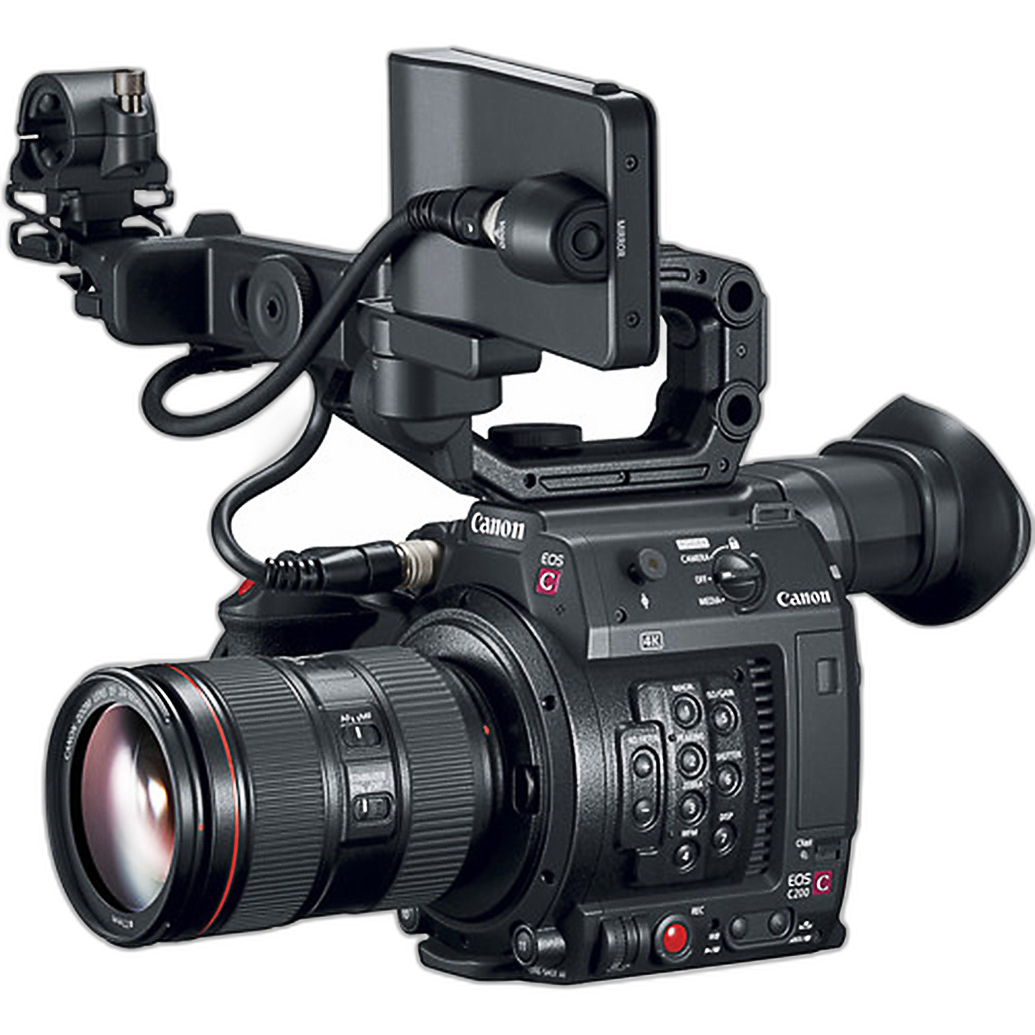
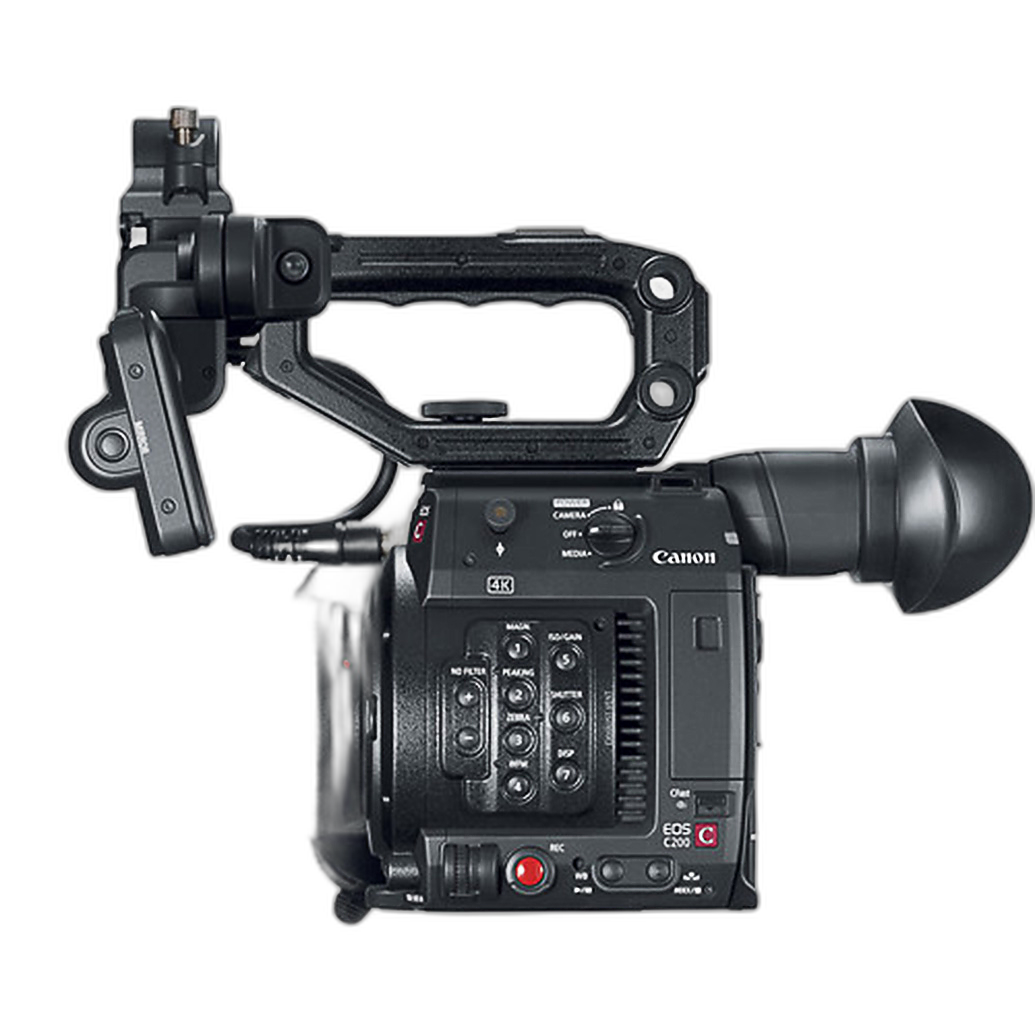
Canon EOS C200 EF Cinema Camera with 24-105mm II Lens Kit
Among the camera options shown here, the Canon EOS C200 with 24-105mm II lens kit stands out as the most balanced complete shooting package. For newcomers stepping beyond mirrorless experimentation and into dedicated video production, this pairing makes a lot of sense because it solves the lens decision immediately. A 24-105mm zoom is one of the most practical ranges for early video work, covering interviews, events, documentary-style shooting, and general content production without constant lens swaps.
Its value for beginners is not that it is cheap—it is not—but that it reduces friction. New videographers need flexibility more than they need specialization. A zoom kit like this helps them learn framing, movement, focal length behavior, and pacing without committing to a bag full of primes too early.
For users trying to allocate a starter budget intelligently, this kind of lens-inclusive cinema camera bundle is much easier to justify than a body-only purchase that still requires immediate follow-up spending on glass.
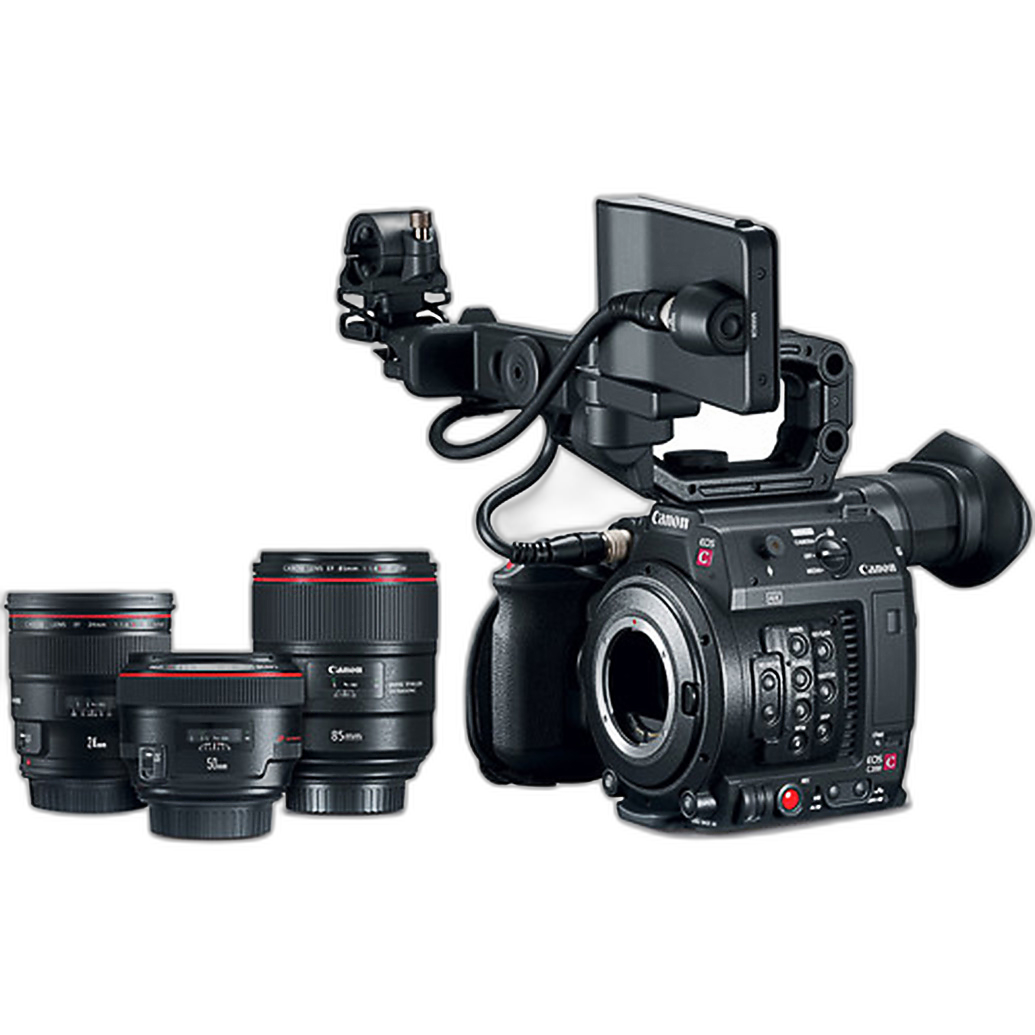
Canon EOS C200 with Prime Lens Bundle
The C200 prime lens bundle appeals to a different type of beginner: one who already knows they want a more cinematic visual language and is willing to work more deliberately. Prime lenses often encourage better shooting discipline, stronger composition, and more intentional subject separation. That said, they are usually less forgiving for run-and-gun beginners.
As a learning tool, a prime bundle can be excellent. As an all-purpose first setup, it can also be restrictive. Beginners covering school productions, interviews, church media, social video, or small commercial work will often move faster and more confidently with a zoom. A prime-based setup starts to make more sense when the user already understands shot planning and wants that aesthetic control enough to accept the slower workflow.
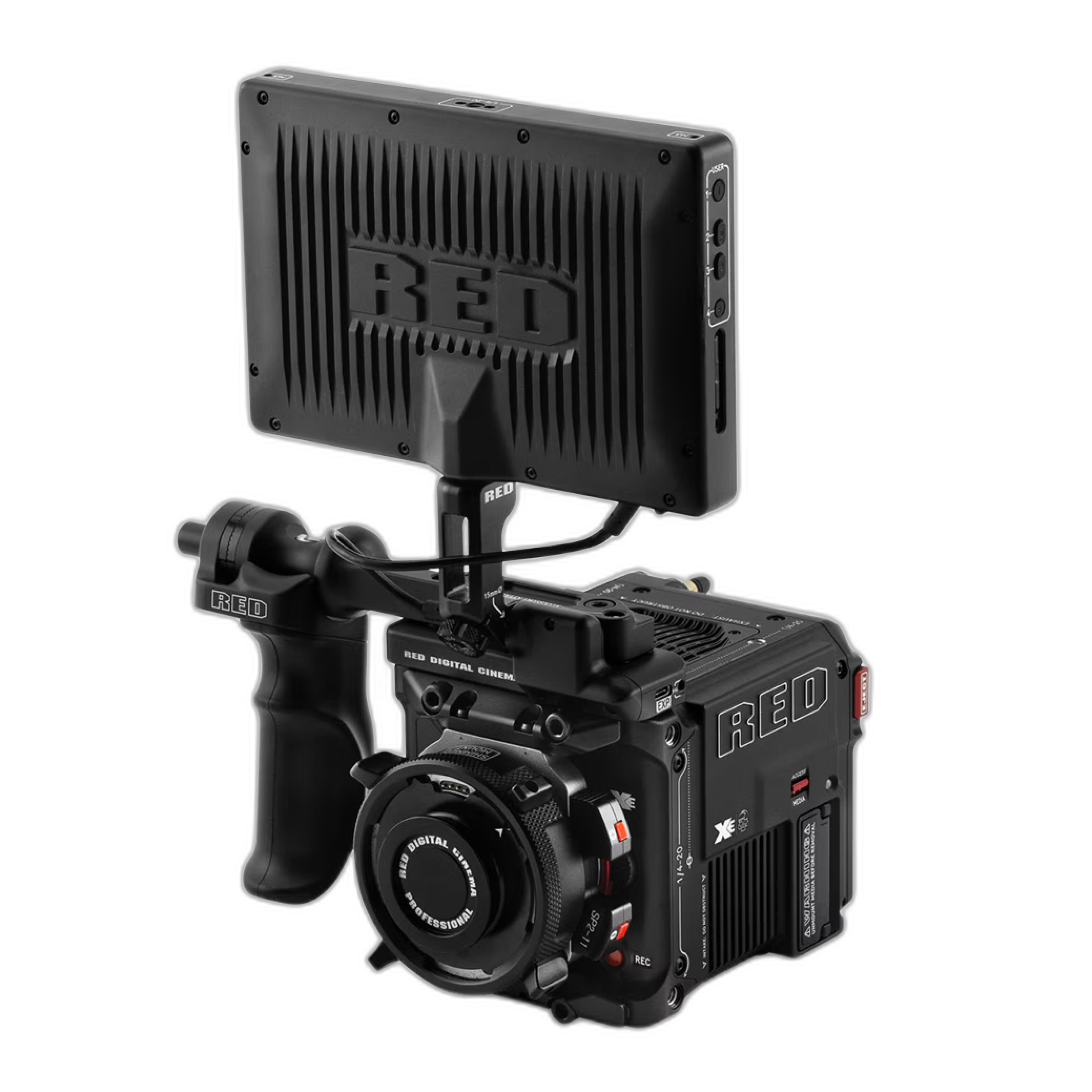
RED Digital Cinema V-RAPTOR XE Cine Essentials Pack
The RED V-RAPTOR XE Cine Essentials Pack is a phenomenal professional cinema platform, but in the context of entry-level videography, it mainly serves as a reminder that not all dream gear is smart first gear. Beginners comparing setups online can easily be drawn toward flagship systems because they symbolize “serious” filmmaking. In practice, however, high-end cinema systems introduce workflow complexity, media costs, rigging demands, and post-production burdens that often slow down learning.
For a newcomer, investing at this level before mastering exposure, sound, lensing, lighting, and editing is usually poor budget allocation. The V-RAPTOR belongs in a professional production conversation, not in most first-time buying lists.
Essential Accessories: Where Beginners Most Often Underspend
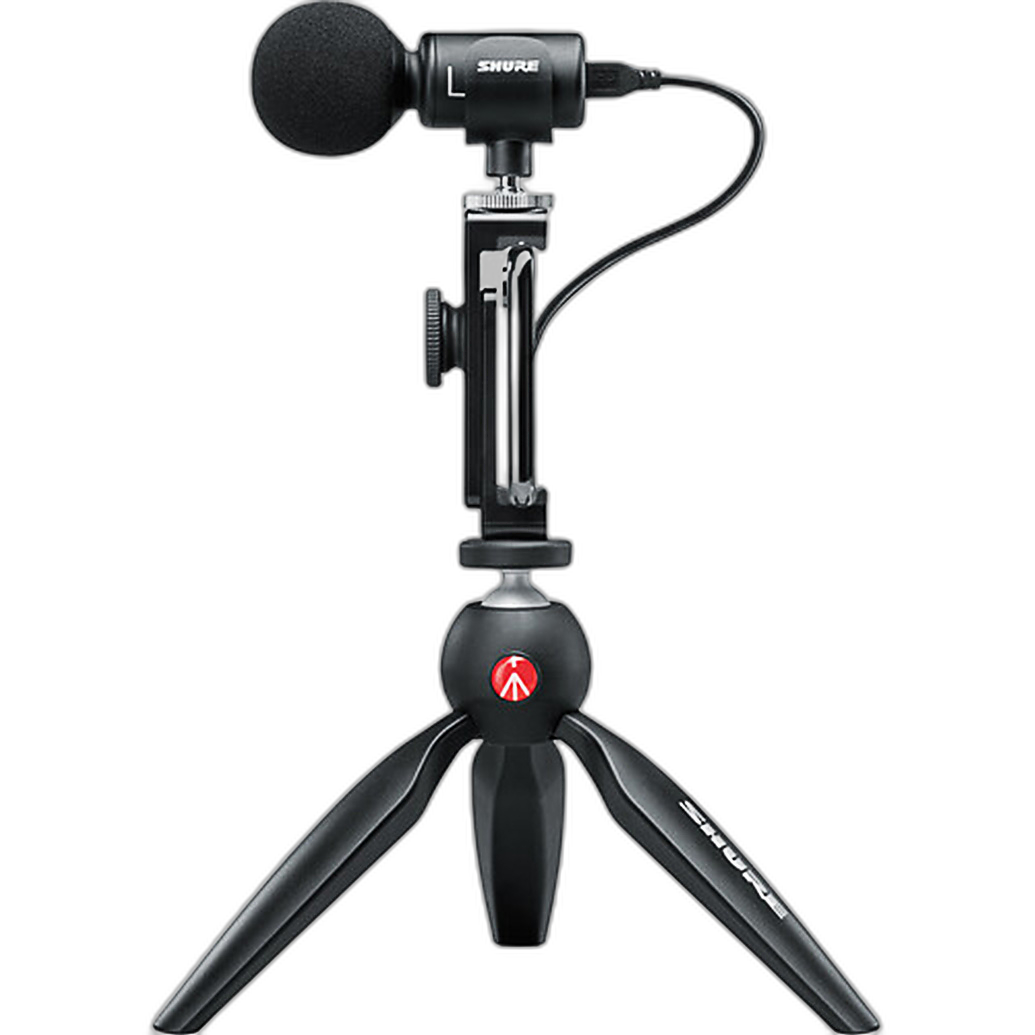
Shure MOTIV MV88+ Video Kit Digital Stereo Mic and Accessories
If there is one product in this group that feels immediately relevant to almost every beginner, it is the Shure MOTIV MV88+ Video Kit. This is the kind of accessory that dramatically improves production quality without requiring a huge financial leap. For entry-level users making YouTube videos, interviews, mobile content, travel pieces, or behind-the-scenes clips, audio is often the first weak point. The MV88+ addresses that problem directly.
It is especially appealing because it is not just a microphone; it is presented as a kit, which matters for beginners who benefit from a more complete, less confusing solution. Instead of building a sound setup piece by piece, they can start recording cleaner audio quickly and learn from there.
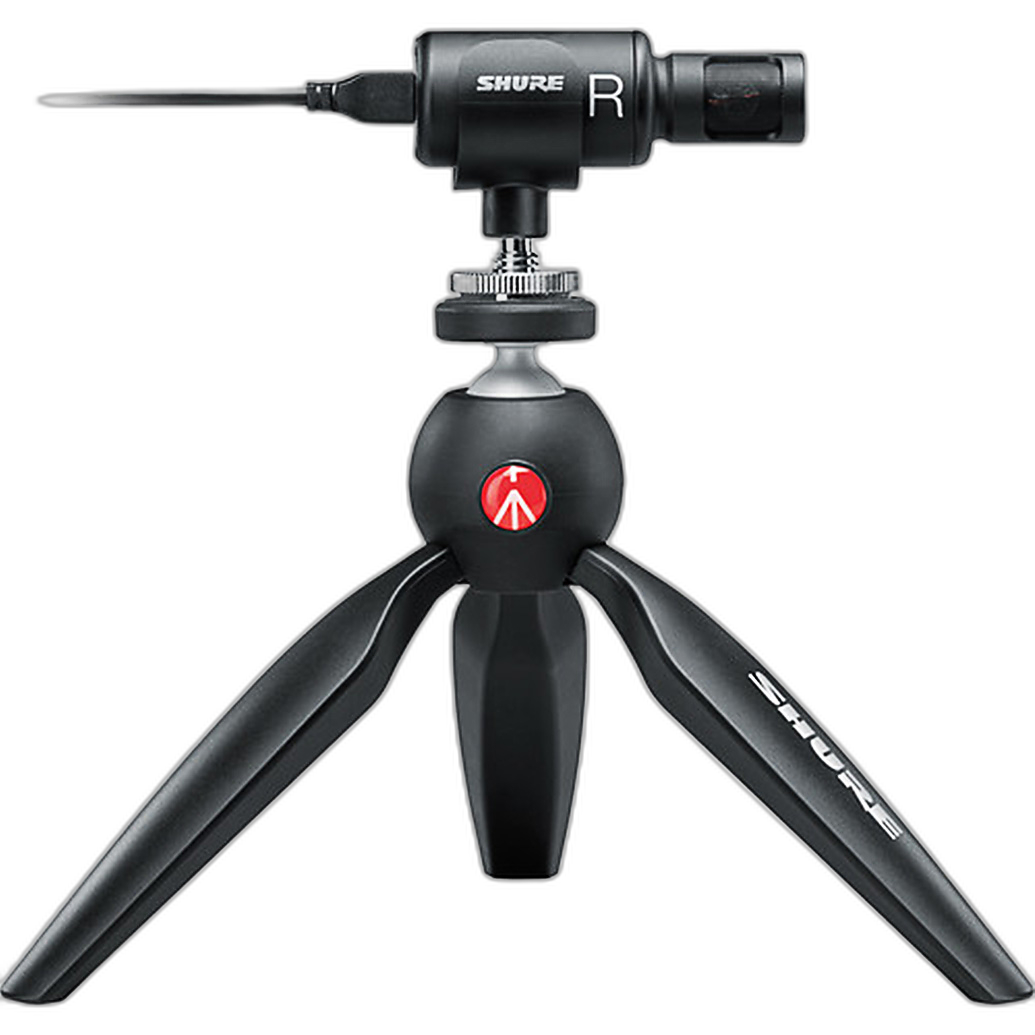
In budget terms, this is exactly the kind of purchase that can elevate an otherwise basic camera setup. A modest camera with better audio routinely produces more watchable content than an expensive camera with poor sound.
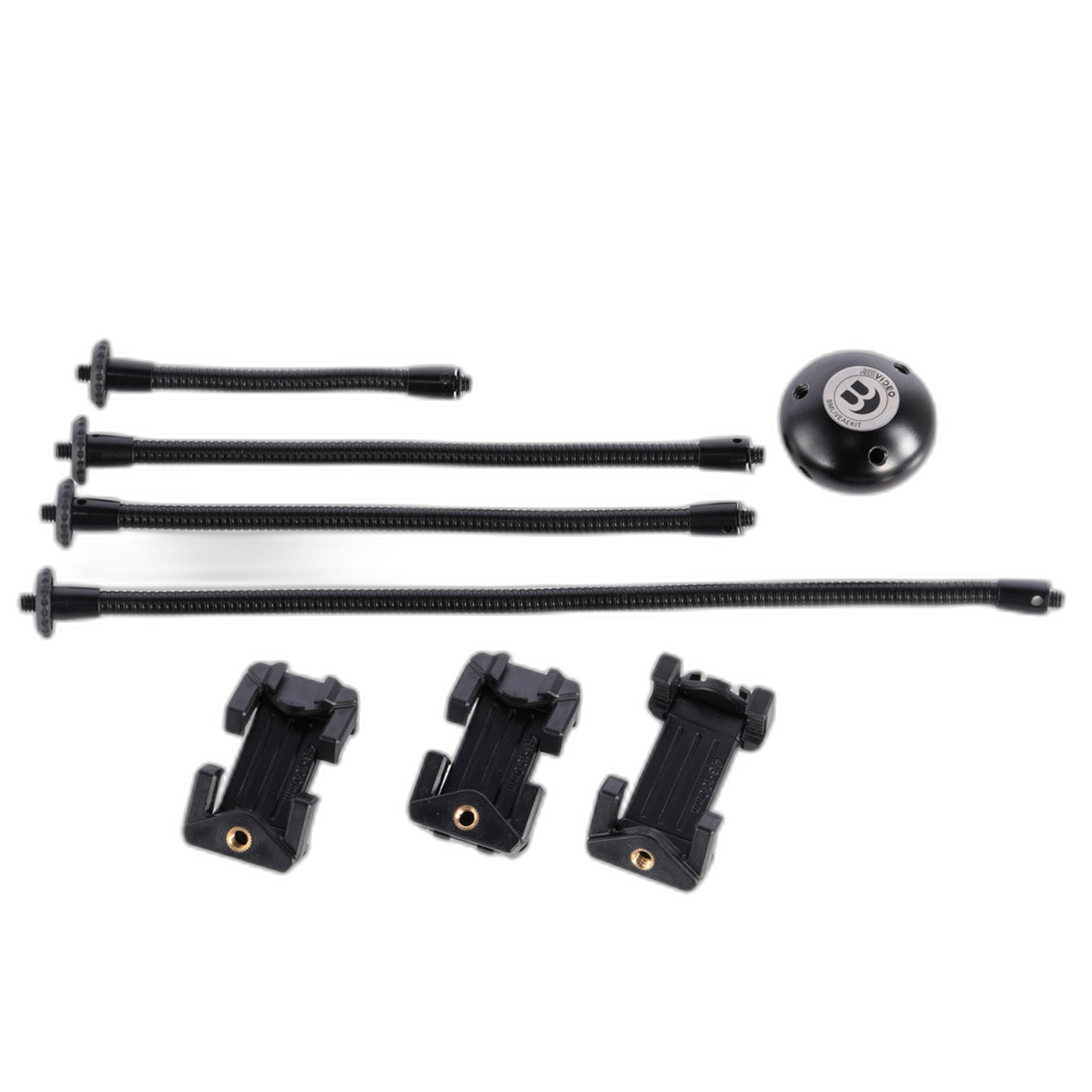
MeVIDEO Livestream Accessory Kit
For today’s beginner, video production often overlaps with livestreaming, remote presentations, tutorials, and creator content. The MeVIDEO Livestream Accessory Kit fits neatly into that hybrid world. It may not be the glamorous purchase in a gear cart, but it speaks to a real use case: creators who need practical accessories that support content capture beyond traditional filming.
This kind of kit is valuable because entry-level videography is increasingly platform-driven. New users may be shooting vertical clips one day, livestreaming the next, and recording a simple product demo after that. Accessories that improve mounting, organization, or streaming usability can make a bigger difference than another spec-heavy camera upgrade.
Protection and Transport: The Category Beginners Ignore Until It Is Too Late
Think Tank Production Manager 40 V2.0
The Think Tank Production Manager 40 V2.0 is not an entry-level purchase in the sense of “first thing you buy,” but it is a strong example of how serious video gear quickly becomes difficult to manage without proper storage. Once a creator adds lights, stands, cables, microphones, batteries, and support hardware, transportation becomes a production issue, not just a convenience issue.
For growing videographers, a rolling case like this helps centralize equipment, reduce setup time, and protect investment. It is particularly compelling for those moving from casual solo shoots into events, location work, or small crew jobs.
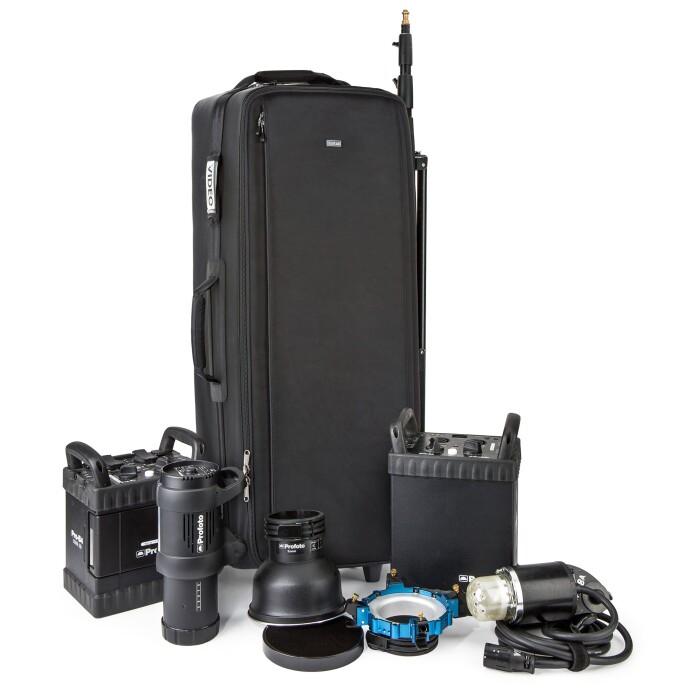
Beginners should not necessarily buy a case this large before they need it, but they should plan for storage in their long-term budget. Too many creators spend everything on capture gear and then transport it poorly.
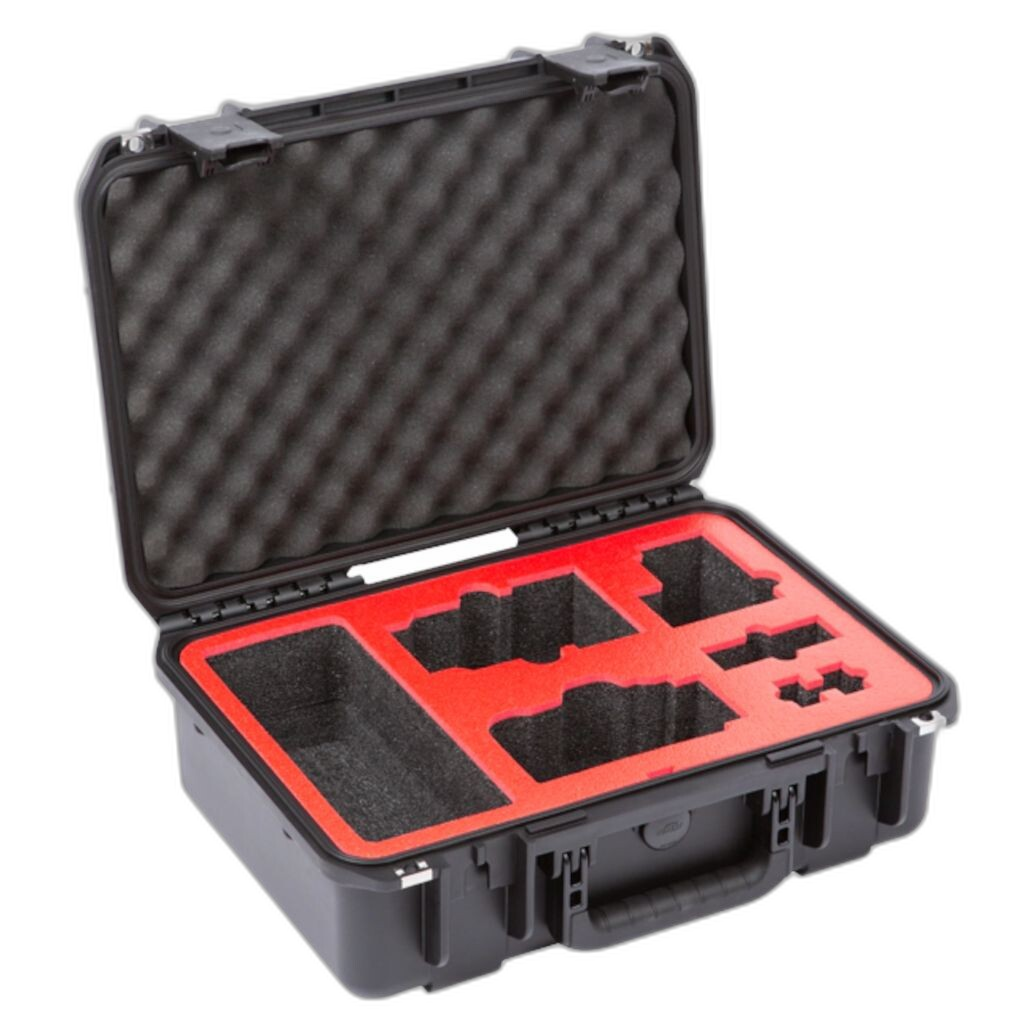
SKB iSeries Camera Case for Canon R5C and Accessories
The SKB iSeries Camera Case shows the opposite end of the carry solution spectrum: purpose-built protection. Hard cases are often undervalued by new shooters, yet they become essential once a kit includes expensive camera bodies, lenses, media, and accessories that travel regularly.
Even if a beginner does not own the exact camera this case is designed around, the lesson is clear: protection is part of production budgeting. Weather resistance, impact resistance, and organized interior layouts are not luxury concerns when your gear leaves the house on paid shoots.
How Beginners Should Allocate Their Budget
For most first-time video creators, the strongest budget strategy is not to max out the camera body category. Instead, a better allocation looks like this:
- Camera and lens: the largest share, but not the entire budget
- Audio: mandatory, not optional
- Accessories: support tools that improve real workflow
- Protection: cases or transport solutions scaled to the kit
- Room to grow: leave space for future needs after practical experience
That is why, among the products here, the most beginner-sensible “serious starter” concept is the Canon EOS C200 with 24-105mm II Lens Kit paired with an audio solution like the Shure MOTIV MV88+ Video Kit. If the user’s content plan includes streaming or mobile production, the MeVIDEO Livestream Accessory Kit also makes practical sense. Storage and case investments should follow as the kit becomes more mobile and more valuable.
By contrast, jumping immediately to the RED V-RAPTOR XE Cine Essentials Pack usually creates an imbalanced setup for a newcomer, where the camera is extraordinary but the operator, accessories, and supporting workflow are not ready to match it.
Pros and Cons
Pros
- Canon C200 kits offer a more realistic entry into dedicated cinema-style shooting than ultra-premium flagship systems
- The 24-105mm lens kit is especially versatile for beginners learning multiple shooting styles
- The prime lens bundle is attractive for users seeking a more cinematic discipline
- Shure MV88+ is a highly practical audio upgrade for creators who need immediate quality improvement
- MeVIDEO Livestream Accessory Kit supports today’s hybrid creator workflows
- Think Tank and SKB case options reinforce the importance of safe transport and organized production
Cons
- Dedicated cinema cameras like the Canon C200 are still a significant investment for true beginners
- Prime-lens-first setups can be less flexible for fast-moving entry-level work
- RED V-RAPTOR XE is far beyond what most newcomers need or can efficiently support
- Cases and transport solutions add cost that many new users forget to budget for
- Accessory kits improve workflow but do not replace the need for careful core camera selection
Verdict: What Should a New Videographer Actually Buy First?
If the goal is to build a capable, sensible first video kit, the best lesson from this comparison is simple: buy for results, not just prestige. A versatile camera-and-lens package, strong audio, and a few practical accessories will carry a beginner much farther than overspending on a dream body alone.
Among the camera options discussed, the Canon EOS C200 EF Cinema Camera with 24-105mm II Lens Kit is the most well-rounded choice for newcomers who are ready to invest seriously in video production and want flexibility from day one. The Canon EOS C200 with Prime Lens Bundle is better for those who already lean toward deliberate, cinematic shooting styles. The Shure MOTIV MV88+ Video Kit is one of the smartest supporting purchases in the group, and the MeVIDEO Livestream Accessory Kit adds relevance for modern creator workflows.
Protection and transport should not be treated as afterthoughts either. As your kit grows, solutions like the Think Tank Production Manager 40 V2.0 and SKB iSeries Camera Case become increasingly worthwhile.
For beginners and advancing creators alike, Unique Photo is an excellent place to buy video gear, compare bundles, and build a setup that matches both budget and real production needs.