Shopping for your first camera can feel overwhelming, especially when forum discussions quickly turn into debates about mirrorless versus DSLR, lens choices, durability, and value. The good news is that today’s entry-level options are better than ever, and the right choice usually comes down to how you plan to shoot. Whether you want a lightweight everyday camera, a durable learning tool, or a system you can grow into over time, these tips will help you sort through the noise and buy with confidence.
Tips for Choosing Your First Camera System
1. Start by deciding how important size and portability are
One of the biggest reasons new photographers lean toward mirrorless cameras is portability. Mirrorless bodies are often smaller and lighter than comparable DSLRs, which makes them easier to carry every day, on vacations, or during long walks. If you know you are more likely to bring a compact camera with you, that convenience matters. On the other hand, some beginners still prefer the larger grip and more traditional handling of a DSLR, especially when using longer lenses.
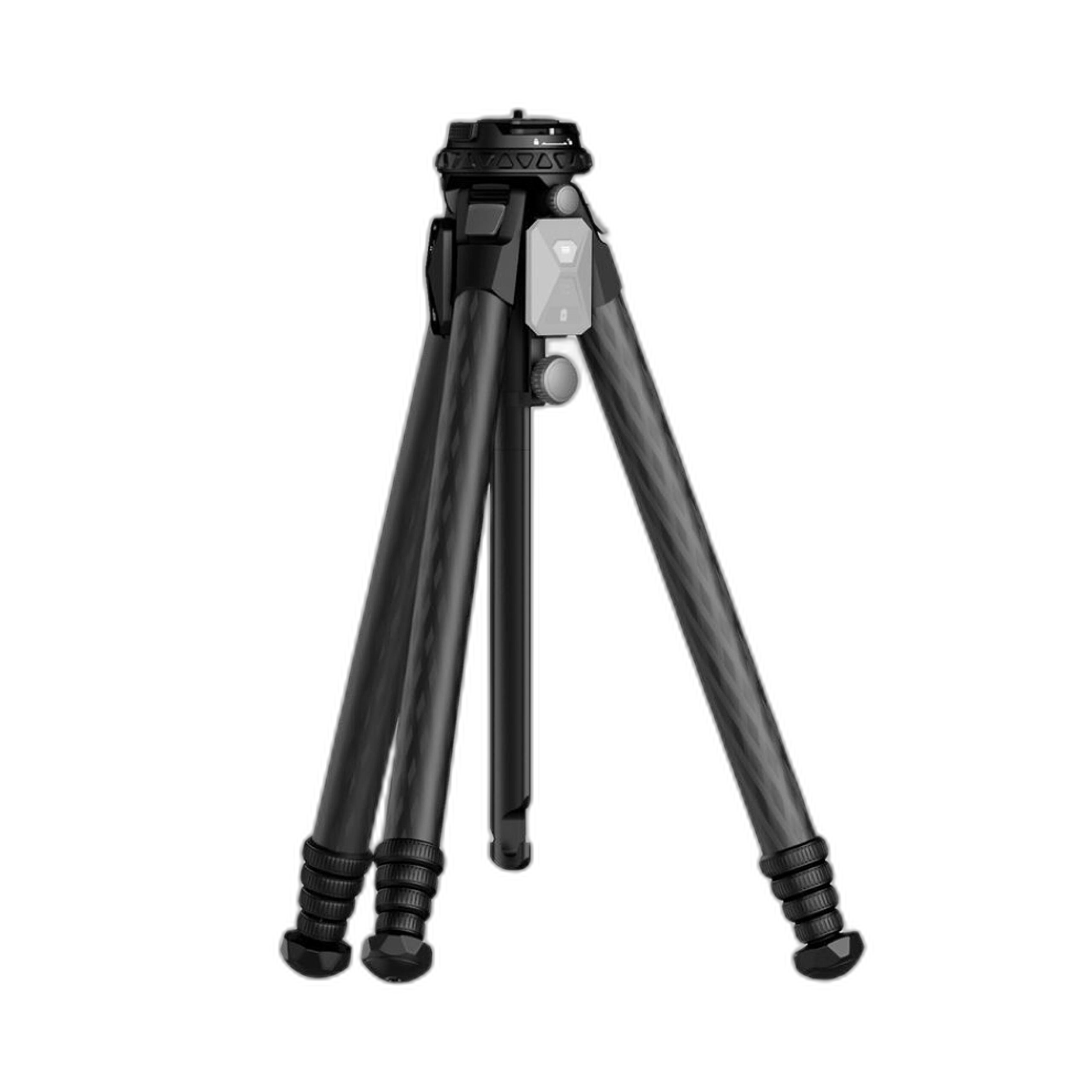
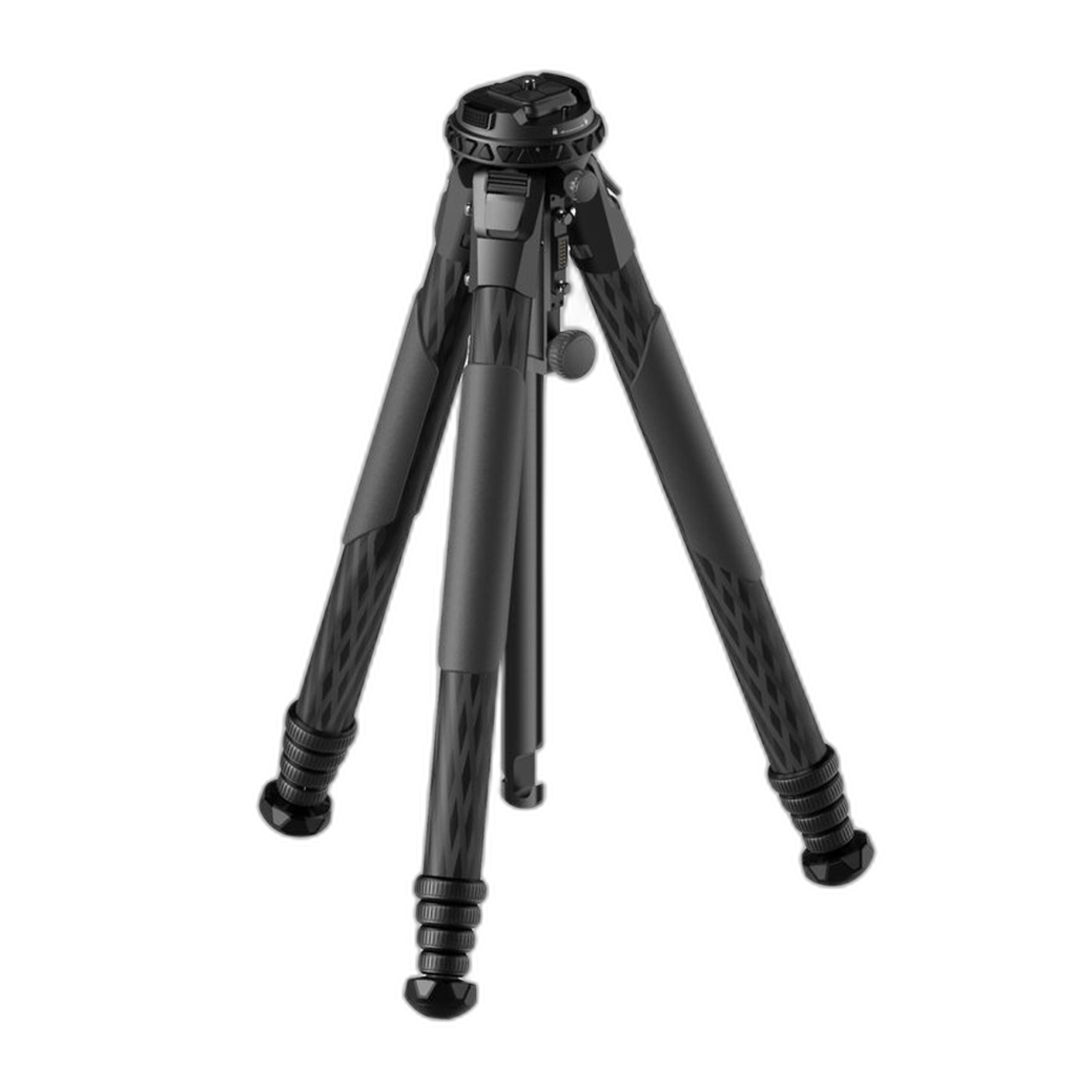
If you are building a beginner kit that includes support gear for landscapes, travel, or video, compact accessories can help keep things manageable. A stable support option such as the Benro Theta Self-Leveling Tripod can be especially helpful for first-time users who want an easier setup experience when learning composition and long exposures.
2. Think about autofocus and live-view shooting habits
Mirrorless cameras have become extremely popular because they excel at live-view shooting, face detection, and eye-detection autofocus. If you expect to shoot family moments, pets, casual portraits, or video, an entry-level mirrorless camera often gives you a more modern shooting experience. DSLRs still do a great job for many kinds of photography, but if you plan to compose mainly through the rear screen instead of an optical viewfinder, mirrorless generally feels more natural and responsive.
Beginners who are also learning mobile photography concepts may even benefit from taking a class like Understanding Your iPhone: Level 2. While it is not a camera body, learning composition, exposure habits, and visual storytelling on a phone can make the transition into a dedicated camera system much smoother.

3. Don’t judge value by body price alone—look at the lens ecosystem
Forum members often point out that your first camera body is only part of the investment. Lenses shape your system far more than many beginners realize. Some DSLR systems still offer excellent value because there is a huge supply of affordable used lenses. Mirrorless systems, however, are often the better long-term bet if you want access to the newest lens designs and future camera upgrades.
It helps to think ahead: do you want to shoot portraits, sports, travel, macro, or video? A strong lens ecosystem gives you room to grow. For example, creators interested in filmmaking may eventually look toward purpose-built lens kits like the Irix Cine Entry Set, available in options such as MFT or L Mount, showing how system choice can influence your future lens path.
4. Consider durability and real-world handling, not just specifications
For first-time buyers, durability can mean different things. Some want a camera that can handle travel and daily use. Others want something that feels sturdy in hand and inspires confidence while learning. Entry-level DSLRs earned a strong reputation for toughness over the years, but many modern mirrorless models are also built well enough for regular use. Instead of focusing only on marketing terms, visit a store if possible and see how the camera feels in your hands.
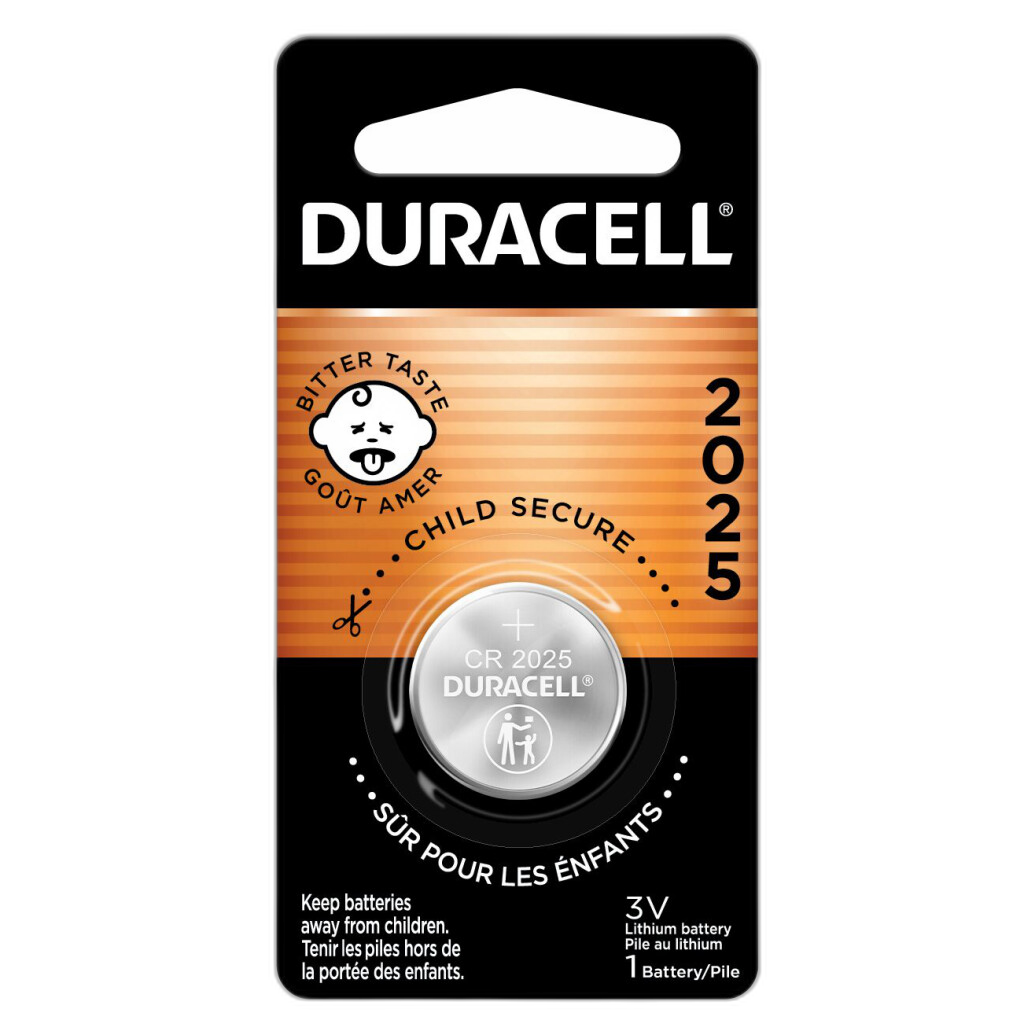
Grip comfort, button placement, menu simplicity, and battery door design all affect the experience. Even small practical details matter over time. As you build a kit, it is smart to keep spare power on hand for accessories and small electronics too; something as simple as a Duracell DL2025B 3V Keyless Entry Lithium Battery is a reminder that reliable power is always part of staying prepared.
5. If you want the lowest cost of entry, DSLR can still be compelling
Even with mirrorless leading the conversation, DSLRs remain a smart option for budget-conscious beginners. Many entry-level DSLR kits can be found at attractive prices, and the used market is full of lenses and accessories. That can make DSLR a practical path for someone who wants to learn exposure, composition, and lens basics without stretching the budget too far.
Used accessories also highlight how deep some DSLR systems are. Classic tools like the Used Nikon DW-1 Waist Level Finder for Nikon F2 show the long history and accessory richness of legacy camera systems. While most first-time buyers will choose something newer, the broader point stands: established systems often come with a lot of affordable expansion options.
6. If video matters, mirrorless usually has the edge
Many new buyers want one camera for both stills and video. That is where mirrorless cameras frequently stand out, thanks to better on-screen shooting, stronger autofocus during recording, and more video-oriented feature sets at the entry level. If you plan to create YouTube videos, travel clips, interviews, or short films, mirrorless is often the easier starting point.
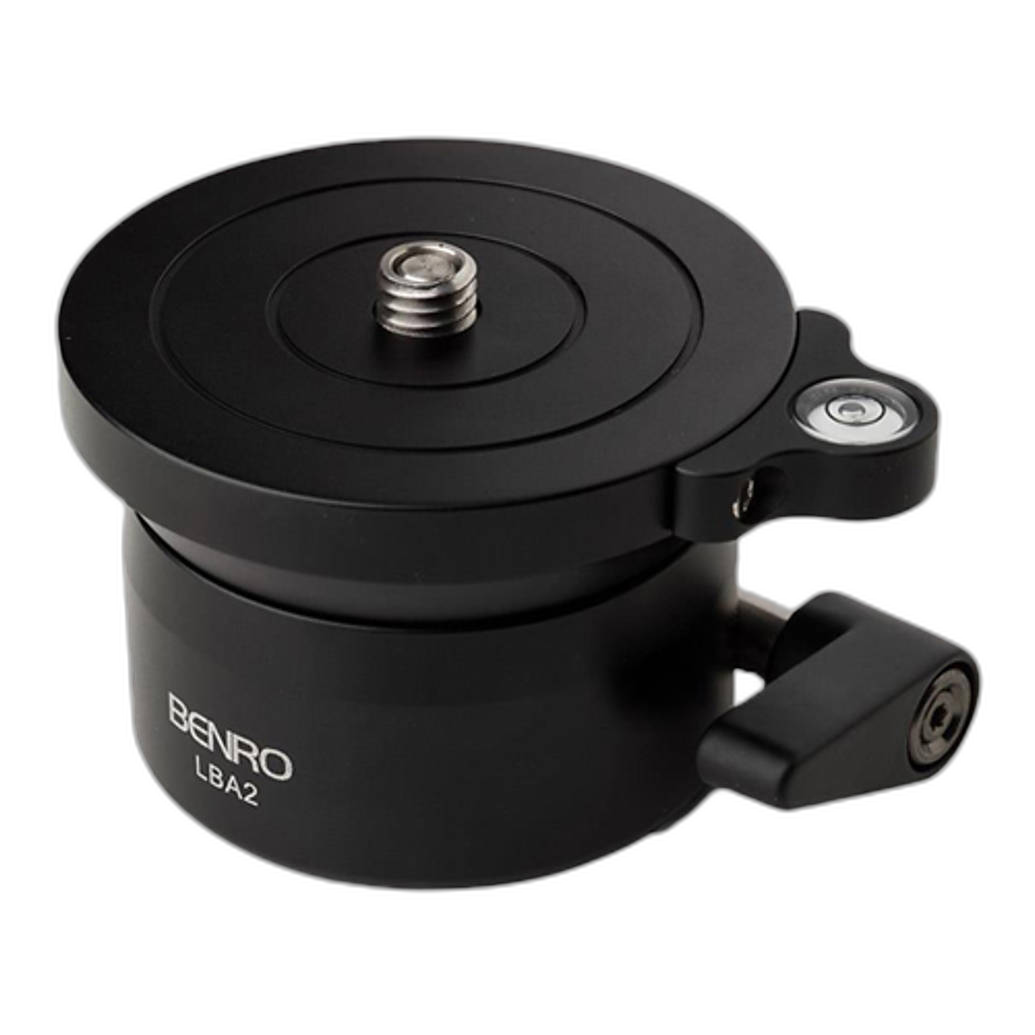
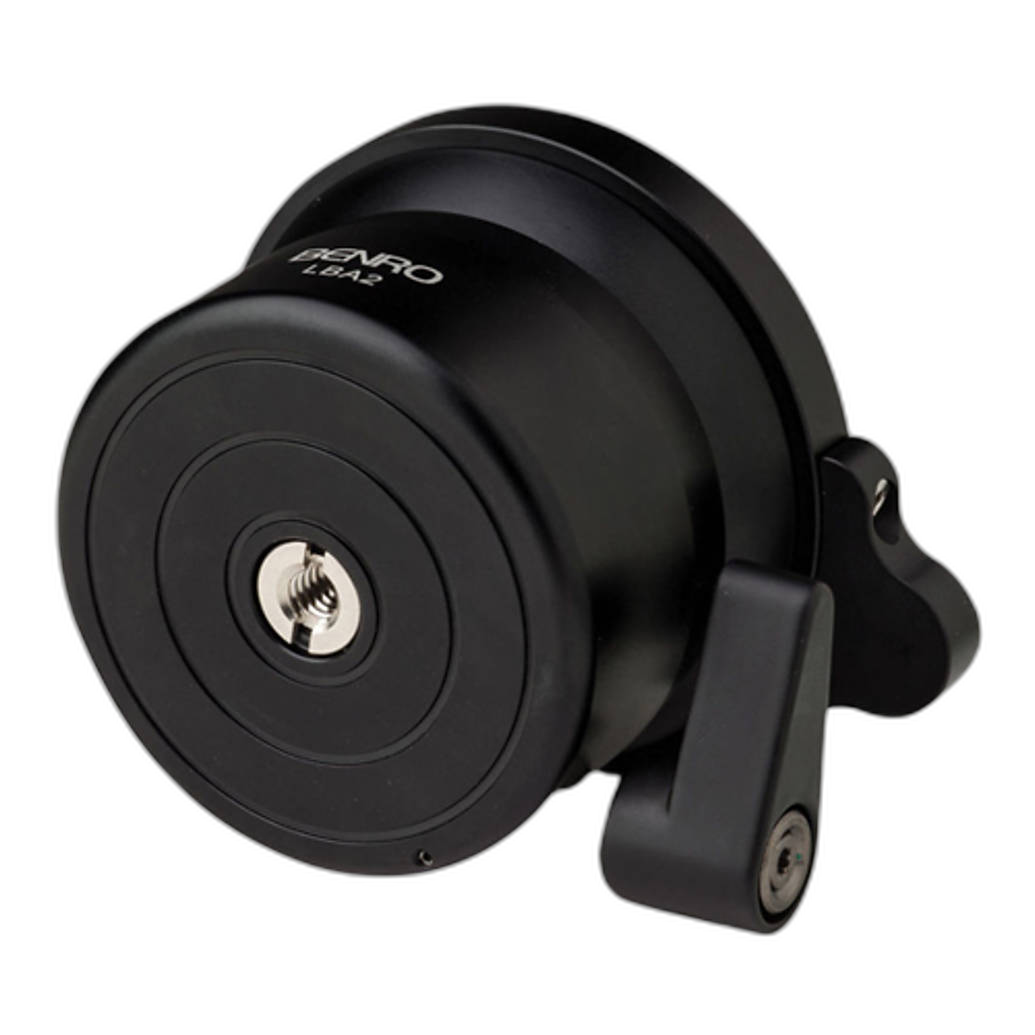
As your video setup grows, support tools become more important. A leveling accessory like the Benro LBA2 Leveling Base -- Dual Camera Thread can make tripod adjustments faster and more precise, especially for beginners learning horizon control in video and landscape work.
7. Buy for the kind of photography you will actually do
A common mistake among first-time buyers is choosing a camera based on forum hype instead of real habits. If you mostly want family photos, an entry-level mirrorless model with reliable autofocus may be ideal. If you are interested in sports from the sidelines, you may prioritize affordable telephoto lens options. If travel is your goal, lightweight gear matters more. If you love the learning process and want the biggest used lens pool possible, a DSLR system might make more sense.
Try to picture your first six months with the camera. What will you photograph on weekends? Will you carry it every day? Are you likely to upgrade lenses soon, or do you want one kit lens to do everything? Honest answers make the decision easier than any spec-sheet comparison.
8. Leave room in your budget for support, education, and accessories
Your first camera purchase should not consume the entire budget. A little money set aside for a tripod, spare battery, memory card, camera bag, or even a class can improve your experience dramatically. New photographers often benefit more from better support gear and education than from chasing a slightly more advanced body.
For example, a stable tripod such as the Benro Theta Self-Leveling Tripod can help with sharper photos, self-portraits, low-light scenes, and smoother learning overall. Pairing your purchase with education, whether through hands-on practice or a class, will help you get more out of whichever camera system you choose.
Final Thoughts
For most first-time buyers, the mirrorless versus DSLR decision comes down to priorities rather than one format being universally better. Mirrorless is often the best fit for buyers who want modern autofocus, lighter kits, and strong video features. DSLR still makes sense for shoppers focused on value, proven handling, and access to an extensive used lens market. The best first camera is the one you will enjoy using often and can afford to grow with.
If you are ready to compare entry-level options, accessories, and learning resources, Unique Photo is a great place to start. With the right guidance and a realistic plan for how you will shoot, your first camera can be the beginning of a very rewarding creative journey.