Film Exposure Outdoors: What Photographers Are Really Comparing
When film photographers debate the most reliable way to get correct exposure outdoors, they are usually comparing metering approaches rather than one single piece of gear. The big questions are familiar: Do you meter for shadows to preserve detail? Do you protect highlights when contrast gets harsh? Should you trust an in-camera meter, carry a handheld meter, use the Sunny 16 rule, or lean on exposure apps and education to sharpen your judgment?
Because the discussion is really about method versus support tools, this comparison looks at several useful products from Unique Photo that relate to outdoor exposure decision-making in different ways: educational classes that improve metering judgment, community events where photographers exchange real-world film workflow advice, and light-control accessories that can help manage bright outdoor conditions before you even press the shutter.
Side-by-Side Comparison
| Product | Type | Best For | How It Relates to Outdoor Film Exposure | Image |
|---|---|---|---|---|
| CS: Key Lighting Methods with Mark Raker (Nanlite) | Educational class | Understanding how light behaves | Helps photographers read contrast, intensity, and direction of light more confidently when making exposure choices |  |
| PCS: Photographing Your Community with Brian W. Fraser | Educational class | Practical location-based photography insight | Useful for learning how to evaluate changing outdoor scenes, mixed light, and documentary-style exposure decisions |  |
| *FREE RSVP* Photo Community Social at Garage Passyunk (Philly) | Community event | Peer advice and shared film experience | Great for hearing firsthand how experienced shooters meter shadows, rate film stocks, and compensate for difficult outdoor light |  |
| LEE Filters 0.6 Neutral Density Lighting Correction Gel Filter | Light-control accessory | Reducing light intensity | Not a meter, but helps control exposure in bright conditions when you want wider apertures or slower shutter speeds | 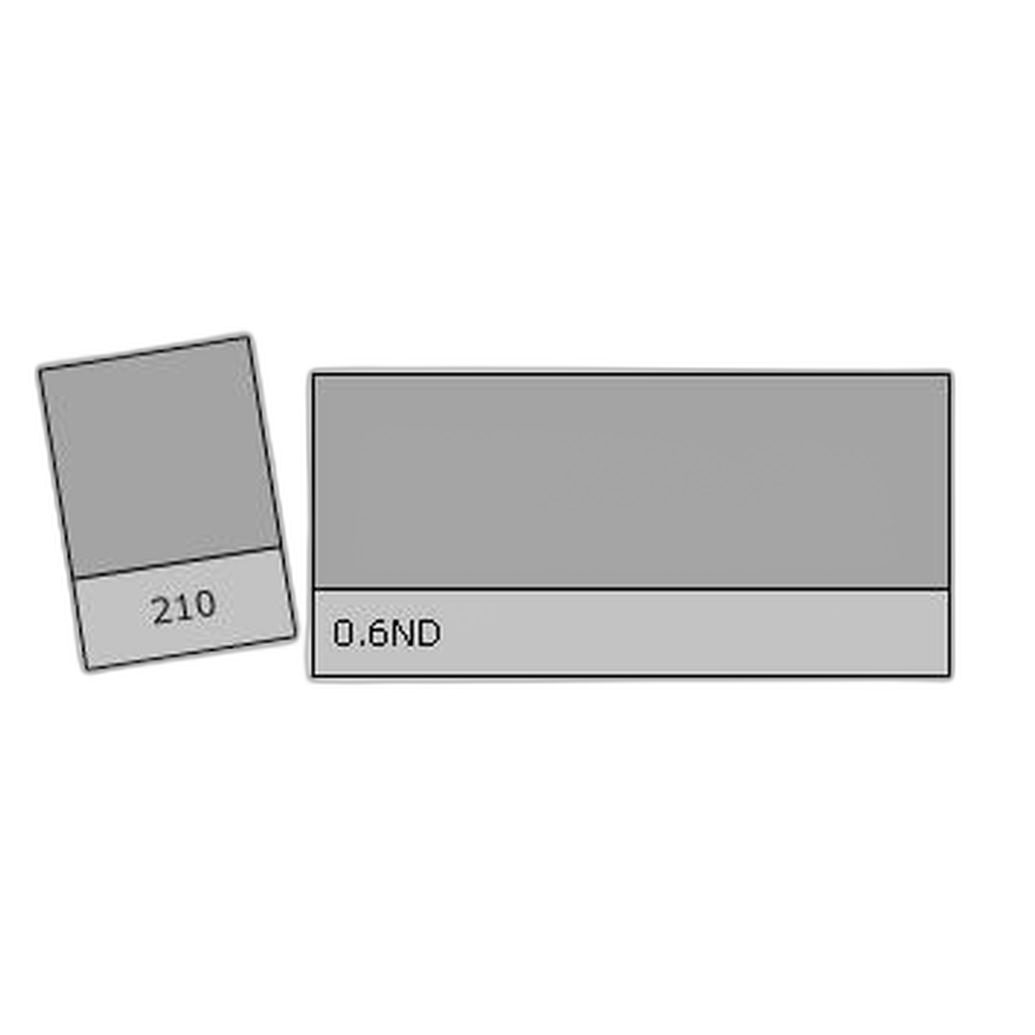 |
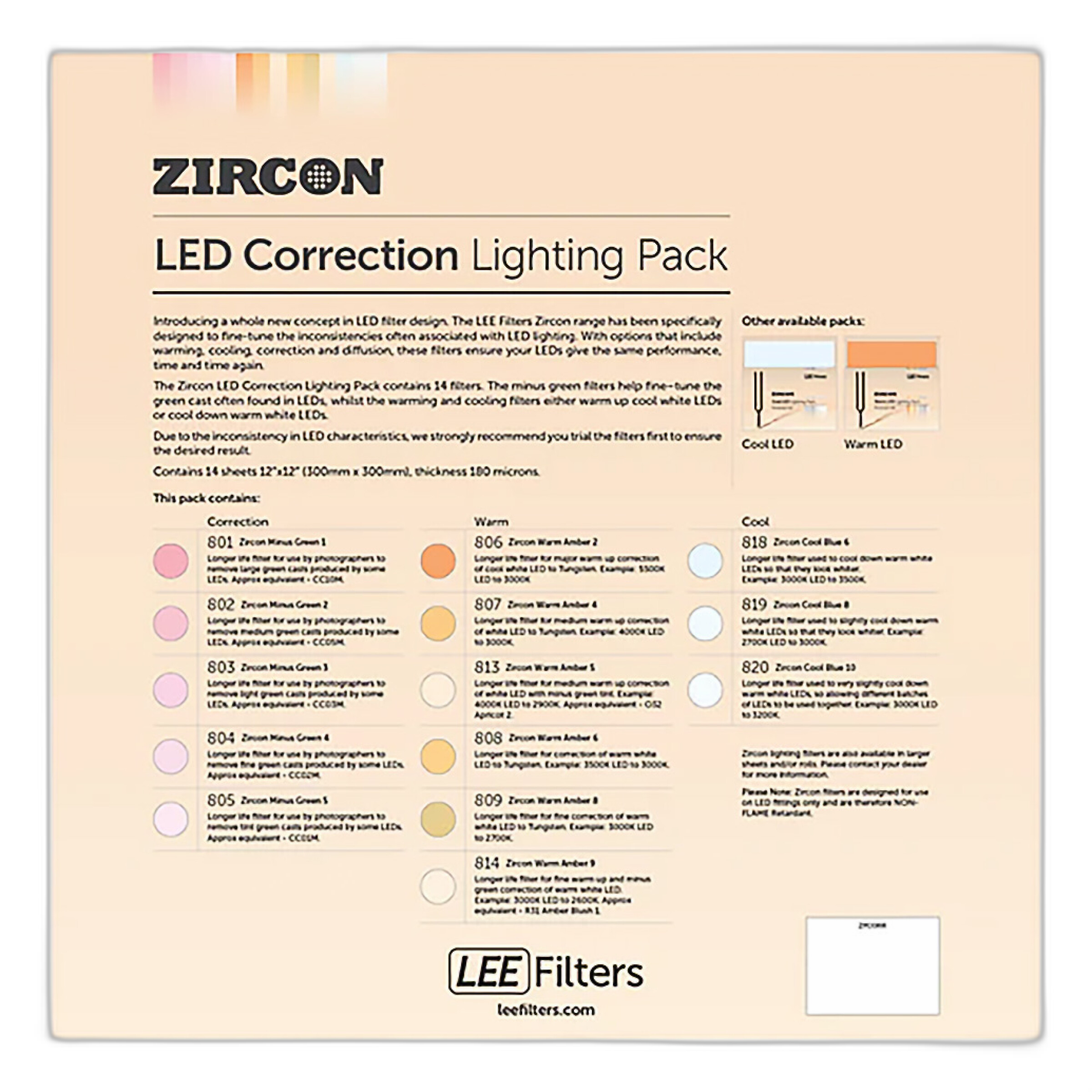
| LEE Filters Zircon Correction Filter Lighting Pack - 14 Sheets | Lighting correction accessory | Color and lighting control | More useful for crafted lighting setups than pure ambient metering, but relevant when balancing daylight with added light | 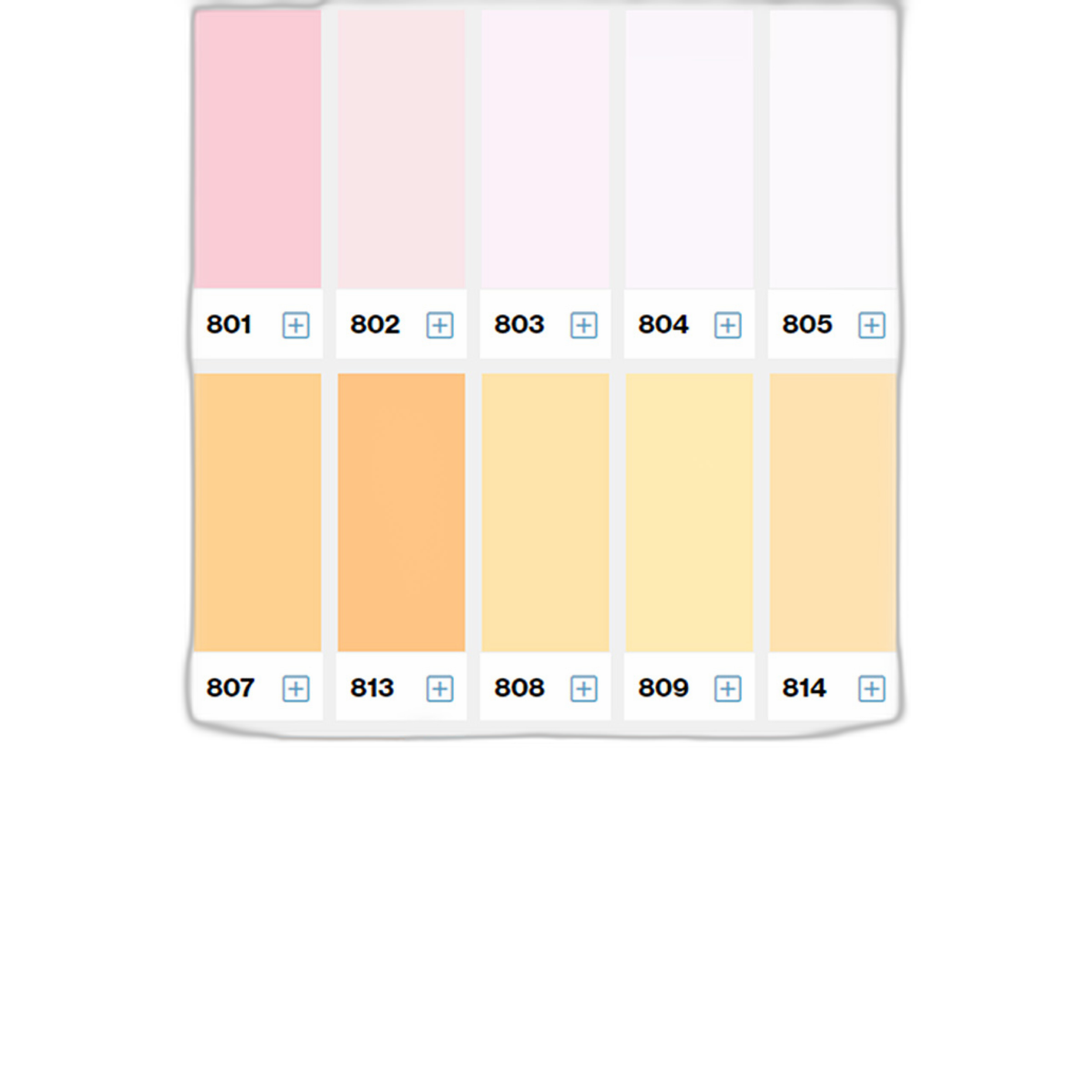 |
| Nikon DK-17C -3.0 Correction Eyepiece | Viewfinder accessory | Clearer viewing and composition | Indirectly supports exposure accuracy by helping photographers better evaluate scenes through the finder | 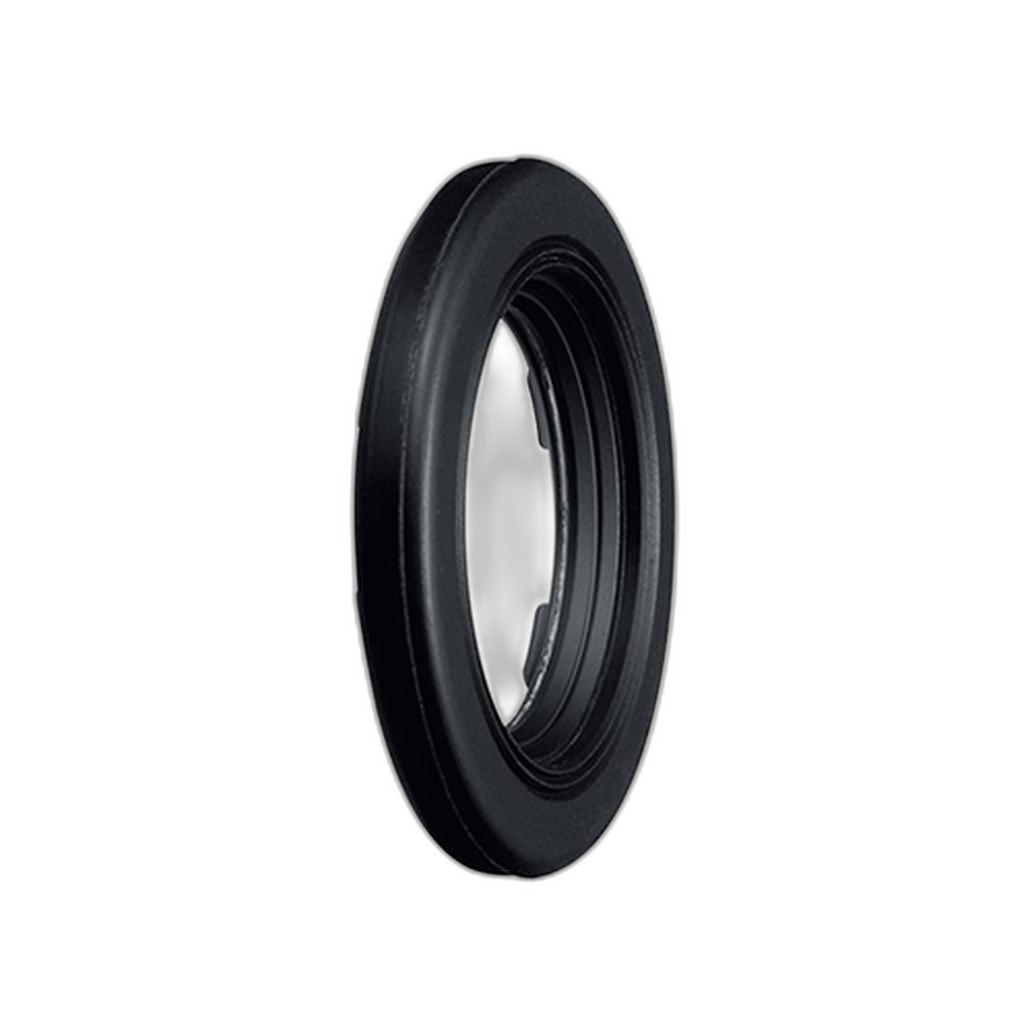 |
How Film Photographers Usually Compare Exposure Methods
Before getting into the products, it helps to define the actual methods photographers debate outdoors:
- Meter for the shadows: Common with negative film, especially color negative and black-and-white stocks that tolerate overexposure well.
- Meter for the highlights: More common when highlight protection is critical, or when working with transparency film with much less exposure latitude.
- Average meter reading: Fast and practical in moderate contrast.
- Incident metering: Often considered one of the most reliable ways to measure the light falling on the subject rather than the reflectance of the scene.
- Sunny 16 and experience-based estimation: Surprisingly dependable for experienced photographers who know their film stocks well.
- Apps and note-taking: Helpful for consistency, especially when testing film speed, lab scans, and personal overexposure preferences.
That means the most useful products in this comparison are the ones that improve your ability to understand light, predict contrast, and build repeatable judgment.
1. Best for Understanding Shadows vs. Highlights
The strongest fit here is CS: Key Lighting Methods with Mark Raker (Nanlite). Even though it is not a film-metering tool, it addresses one of the biggest reasons photographers miss exposure outdoors: they do not fully read the quality of the light before metering. Learning how key light shapes a subject, how contrast affects tone placement, and how highlight-to-shadow transitions behave can directly improve film exposures in harsh sun, backlight, or open shade.

If your exposure mistakes happen because bright skies fool your meter or deep shadows tempt you to overcompensate, education around lighting fundamentals can be more valuable than another gadget.
2. Best for Real-World Outdoor Judgment
PCS: Photographing Your Community with Brian W. Fraser stands out for photographers interested in practical outdoor scenes. Community and documentary-style photography often means rapidly changing conditions: sun to shade transitions, reflective pavement, storefront shadows, skin tones in mixed light, and backgrounds much brighter than subjects. Those are exactly the situations where film shooters argue about whether to place exposure on the subject, the shadows, or the overall scene.
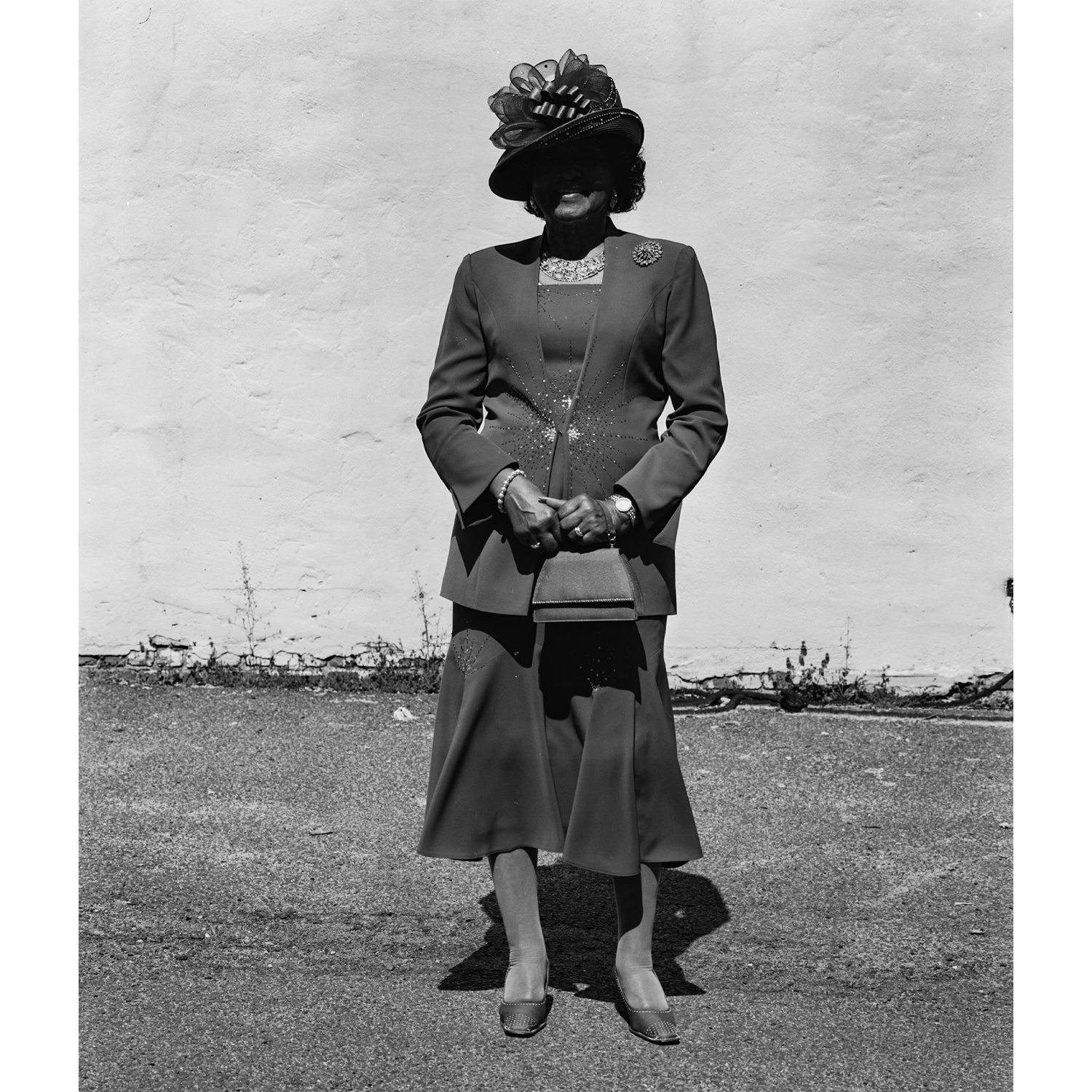
This kind of class is especially helpful if you want to build confidence in exposure decisions without stopping every few minutes to overthink meter readings.
3. Best for Learning from Experienced Film Shooters
If the topic is community debate, then the most literal match is the *FREE RSVP* Photo Community Social at Garage Passyunk (Philly). For film photographers, few resources are more useful than hearing how others actually expose Portra in hard sun, how they rate Tri-X in open shade, or when they trust Sunny 16 over a reflected meter.
Community events are where practical wisdom tends to surface, including advice like:
- Meter the shadows and open up modestly for negative film.
- Be more protective of highlights with slide film.
- Use an incident reading when subject tonality is misleading.
- Bracket when the scene contrast exceeds what the film can comfortably hold.
- Keep notes on how your lab scans interpret dense negatives.
That kind of knowledge is hard to replace with specs alone.
4. Best Accessory for Bright Outdoor Conditions
While not a meter, the LEE Filters 0.6 Neutral Density Lighting Correction Gel Filter speaks to another side of the exposure conversation: sometimes the best solution is not changing how you meter, but changing the amount of light. In very bright outdoor conditions, film shooters often want to preserve a certain shutter speed or shoot wider apertures for shallower depth of field. An ND solution can make that possible.
This does not solve shadow-versus-highlight placement directly, but it does help when your chosen film speed and the available light push you into less desirable settings.
5. Best for Controlled Color Balancing with Added Light
The LEE Filters Zircon Correction Filter Lighting Pack - 14 Sheets is less central to ambient outdoor exposure, but can matter when photographers add flash or continuous light outdoors and need to balance color. In those situations, exposure is not just about quantity of light; it is also about matching sources so the final frame scans and prints more predictably.
For pure outdoor available-light film shooting, this is more specialized than essential, but still useful in hybrid setups.
6. Best Supporting Accessory for Clear Viewing
The Nikon DK-17C -3.0 Correction Eyepiece is also an indirect inclusion, but a practical one. Clear viewfinder vision can improve composition speed and confidence, especially for photographers working manually outdoors. It will not meter the scene for you, yet it can reduce errors caused by misreading fine details, focus, or overall scene structure while working quickly.
Our Pick
Our Pick: PCS: Photographing Your Community with Brian W. Fraser
For the specific question of the most reliable methods for achieving correct exposure when shooting film outdoors, this is the strongest overall recommendation in the group because it is the most closely tied to real-world outdoor photographic decision-making. It is likely to help photographers understand how to read scenes, interpret contrast, and make practical exposure calls in the kinds of locations where metering debates actually happen.
Runner-up: CS: Key Lighting Methods with Mark Raker (Nanlite) for photographers who want a deeper foundational understanding of how light quality influences exposure choices.
Best value add: the Photo Community Social at Garage Passyunk, because exposure technique often improves fastest through conversation, examples, and shared field experience.
Bottom Line
There is no single universally correct outdoor film metering method because the right choice depends on the film stock, scene contrast, subject priority, and your tolerance for blocked shadows or blown highlights. In practice, many experienced photographers meter for shadows with negative film, protect highlights more carefully with slide film, and use incident readings or seasoned estimation when they need consistency.
The best way to improve is to combine technical understanding, field practice, and community feedback. That is exactly where classes, events, and carefully chosen accessories from Unique Photo can make a meaningful difference in your film workflow.