DSLR vs. Mirrorless for Videography: Which System Fits Your Shoot?
If you’re planning a move from DSLR to mirrorless for video, you’re not alone. Videographers in every genre are weighing low‑light performance, autofocus, lens compatibility, and workflow changes before jumping. This head‑to‑head breakdown highlights what really changes on set—and how to prepare your rig and workflow for a smooth transition.
| Category | DSLR for Video | Mirrorless for Video |
|---|---|---|
| Autofocus (Video) | Often limited or less reliable continuous AF; many shooters favor manual focus. | Advanced on-sensor AF with face/eye tracking; more reliable subject lock for gimbal/run‑and‑gun. |
| Low‑Light | Good with fast DSLR glass; larger bodies can manage heat well. | Modern sensors excel; IBIS helps with slower shutters; some models better noise control. |
| Stabilization | Lens IS or external rigs; no IBIS on most DSLRs. | Widespread IBIS plus lens IS; excellent for handheld and hybrid work. |
| Monitoring/Viewfinding | Optical VF (great for stills, less useful for video); rear LCD or external monitor for video. | High‑res EVFs, focus peaking, zebras, waveform/histogram overlays available in‑camera. |
| Lens Compatibility | Native DSLR mounts; huge catalog of EF/F lenses. | Short flange distance adapts DSLR lenses easily; broad third‑party support. |
| Recording Features | Basic codecs and frame rates on many bodies; fewer log/assist tools. | Rich codecs, higher frame rates, log/RAW options, better assist tools in‑body. |
| Battery Life | Typically stronger; larger cells. | Improving but often shorter; more power management planning required. |
| Size & Weight | Bulkier; balances well with long glass and shoulder rigs. | Smaller and lighter; gimbal-friendly but may need rigging to balance accessories. |
| Rolling Shutter/Heat | Generally well‑managed heat; rolling shutter varies by model. | Some compact bodies can overheat at high resolutions; newer models vastly improved. |
| Connectivity | HDMI, mic/headphone common; limited high‑speed data. | Modern I/O, better app integration, faster media in many models. |
Autofocus and Subject Tracking
Mirrorless cameras have pulled ahead in video AF. On‑sensor phase detection with face/eye tracking saves takes in documentaries, weddings, and event coverage. Many DSLRs can autofocus in video but tend to be slower or hunt more, pushing shooters toward manual focus or external follow‑focus systems. If you’re a solo operator, mirrorless AF is a compelling upgrade.
Low‑Light Performance
Both systems can deliver clean results in low light, especially with fast lenses. Recent mirrorless sensors often provide better high‑ISO noise control and dynamic range in video modes, while in‑body stabilization can enable slower shutters and lower ISOs. DSLRs, with their larger bodies, may dissipate heat better in long, continuous recordings, though newer mirrorless bodies have closed that gap.
Stabilization and Handheld Work
IBIS is a major mirrorless advantage for handheld and hybrid shooting. It pairs nicely with lens IS and modern electronic stabilization, reducing reliance on bulky rigs. DSLR users often lean on shoulder rigs, gimbals, or monopods to achieve smooth footage.
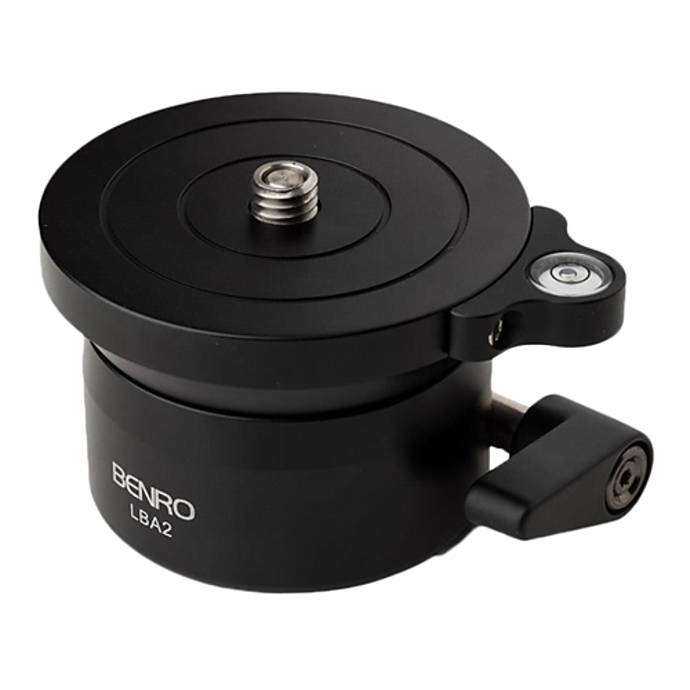
A leveling base like the Benro LBA2 helps either system get to horizon in seconds—critical for quick setups on monopods or sticks.
Lens Compatibility and Adapters
Lens investment weighs heavily in the decision. DSLR ecosystems (e.g., EF, F) have massive native catalogs. Mirrorless mounts, with their shorter flange distances, adapt DSLR glass easily with simple mechanical adapters or smart adapters that preserve AF and aperture control. That makes a staged transition feasible: keep your favorite DSLR lenses while benefiting from mirrorless bodies’ AF, IBIS, and modern codecs.

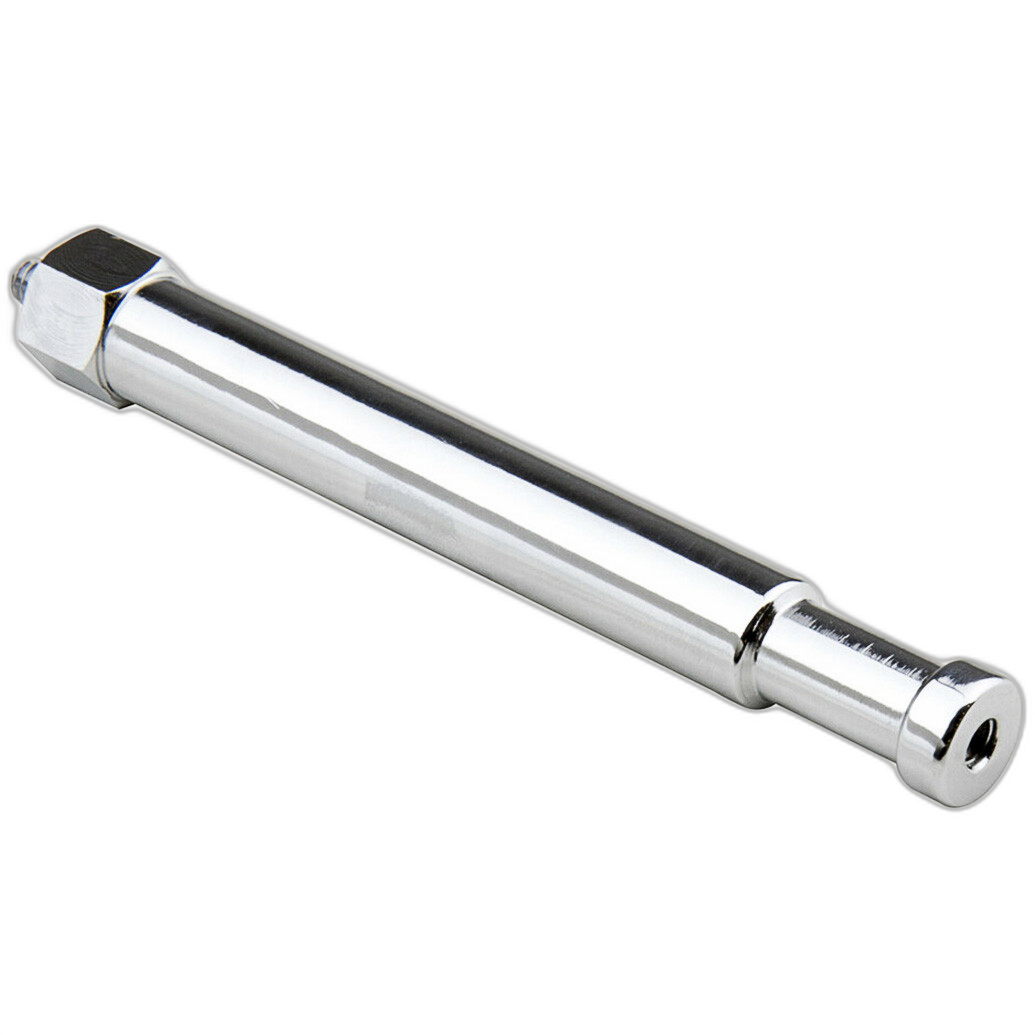
Rigging adapters like the Kupo Adapter Stud to 3/8-16 Thread simplify mounting lens supports, follow focus units, or monitors—handy whether you’re adapting legacy lenses or building a compact mirrorless rig.
Monitoring, Tools, and Exposure Aids
Mirrorless bodies frequently integrate video‑friendly tools: focus peaking, zebras, waveforms/histograms, and high‑resolution EVFs. These give you more confidence when pulling focus and managing exposure without additional monitors. DSLRs can match this with external monitors, but it adds weight and cabling.
Size, Weight, and Balance
Mirrorless bodies are smaller and lighter, which is great for travel and gimbal work. They can feel front‑heavy with large cinema lenses; a small cage or counterweights may be needed. DSLRs balance naturally with longer glass and shoulder rigs, though the overall package is bulkier.
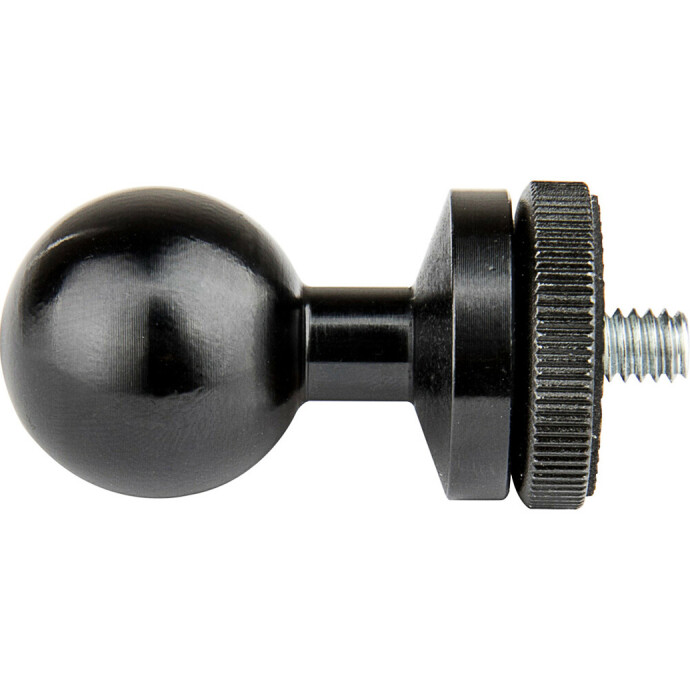
Articulating mounts like the Kupo Super Knuckle Ball help position monitors, mics, or recorders to keep compact mirrorless rigs tidy and balanced.
Recording Features, Heat, and Media
Mirrorless lines often offer richer codecs, higher frame rates, and log/RAW options. Some compact bodies can run hot in 4K/6K or high frame rates; newer models add better heat management and recording limits. DSLRs may be simpler but reliable for long takes at modest data rates. Whichever you choose, plan for proper media, ventilation, and power.
Power, Battery Life, and IO
DSLRs generally offer longer battery life. Mirrorless bodies are improving, but expect to carry extra batteries or a USB‑C power bank. IO is strong on both, with mirrorless bodies often adding higher‑bandwidth HDMI, better app control, and faster media.
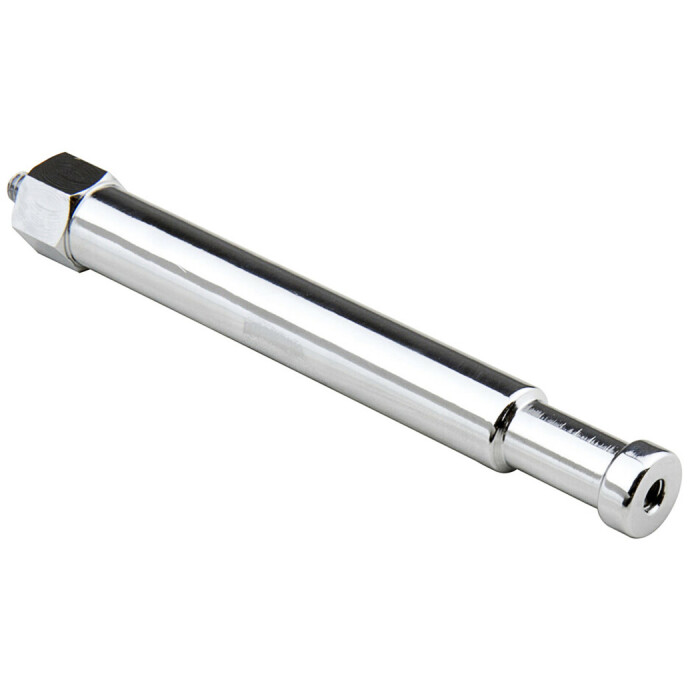
Small hardware like the Kupo Baby Pin with 1/4-20 Male Thread is invaluable for mounting recorders, wireless receivers, or lights as your rig evolves.
Our Pick
Mirrorless wins for most videographers thanks to superior video autofocus, in‑body stabilization, robust recording options, and excellent monitoring tools. If you’re a solo operator, gimbal user, or run‑and‑gun shooter, the gains are immediate. Stick with DSLR if you prioritize maximum battery life, already own a full DSLR support ecosystem, or prefer the optical viewfinder experience for hybrid stills/video.
Workflow Tips for a Smooth Transition
- Keep your DSLR glass: Use simple adapters to run EF/F lenses on mirrorless bodies while you learn new AF behaviors and IBIS.
- Update exposure practices: Use focus peaking, zebras, and waveform for consistent results in log profiles.
- Power planning: Add spare batteries or external power; set conservative LCD/EVF brightness to extend runtime.
- Rig smart: Use compact cages, articulating arms, and leveling bases to maintain balance and speed setups.
Conclusion
Moving from DSLR to mirrorless for videography brings real benefits in autofocus, stabilization, features, and agility—while adapters protect your lens investment. Visit Unique Photo for bodies, lenses, adapters, and rigging essentials—from leveling bases to mounting hardware—to build a video system that fits your workflow today and grows with you tomorrow.