For hybrid shooters, the camera decision is no longer just about stills quality. If you regularly switch between photos and video, your system has to keep up with autofocus demands, handheld shooting, lens flexibility, audio workflows, and long days on set. While DSLRs still have strengths, mirrorless cameras have become the more practical choice for many content creators, event shooters, and filmmakers who need one setup to do it all.
So which system is better for video? In most modern workflows, mirrorless has the edge. But the right answer depends on how you shoot, what you shoot, and how much you value ergonomics, battery life, lens options, and portability.
1. Start with autofocus performance for video
Why it matters
If you shoot interviews, weddings, events, social content, or run-and-gun footage, dependable video autofocus can save time and missed shots. This is one of the biggest reasons many hybrid shooters move from DSLR to mirrorless.
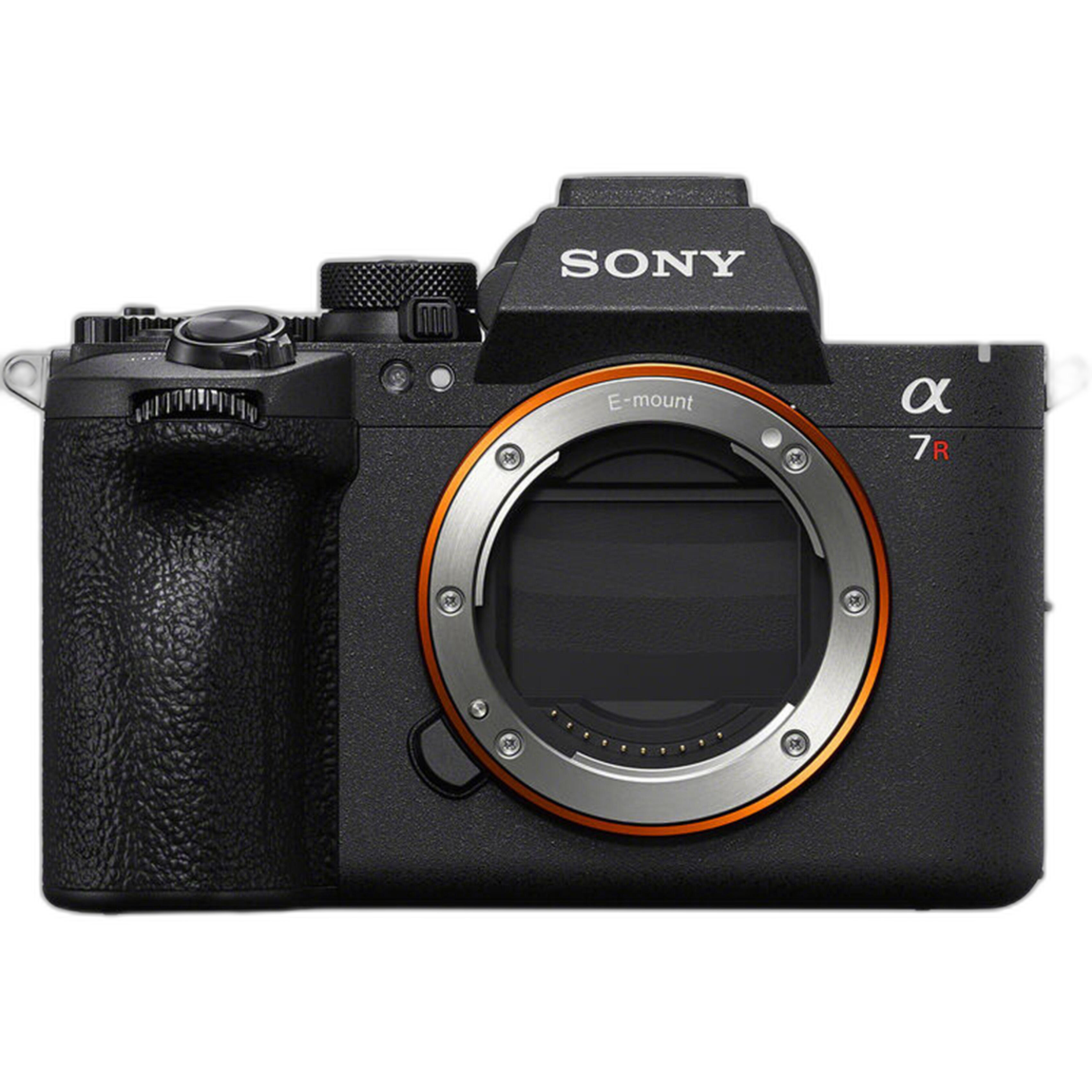
Mirrorless systems typically offer more advanced on-sensor autofocus during video, with better subject detection, eye tracking, and face tracking. A camera like the Sony a7R VI Mirrorless Camera is a strong example of how mirrorless bodies are designed for creators who need fast transitions between high-resolution stills and modern video AF performance.
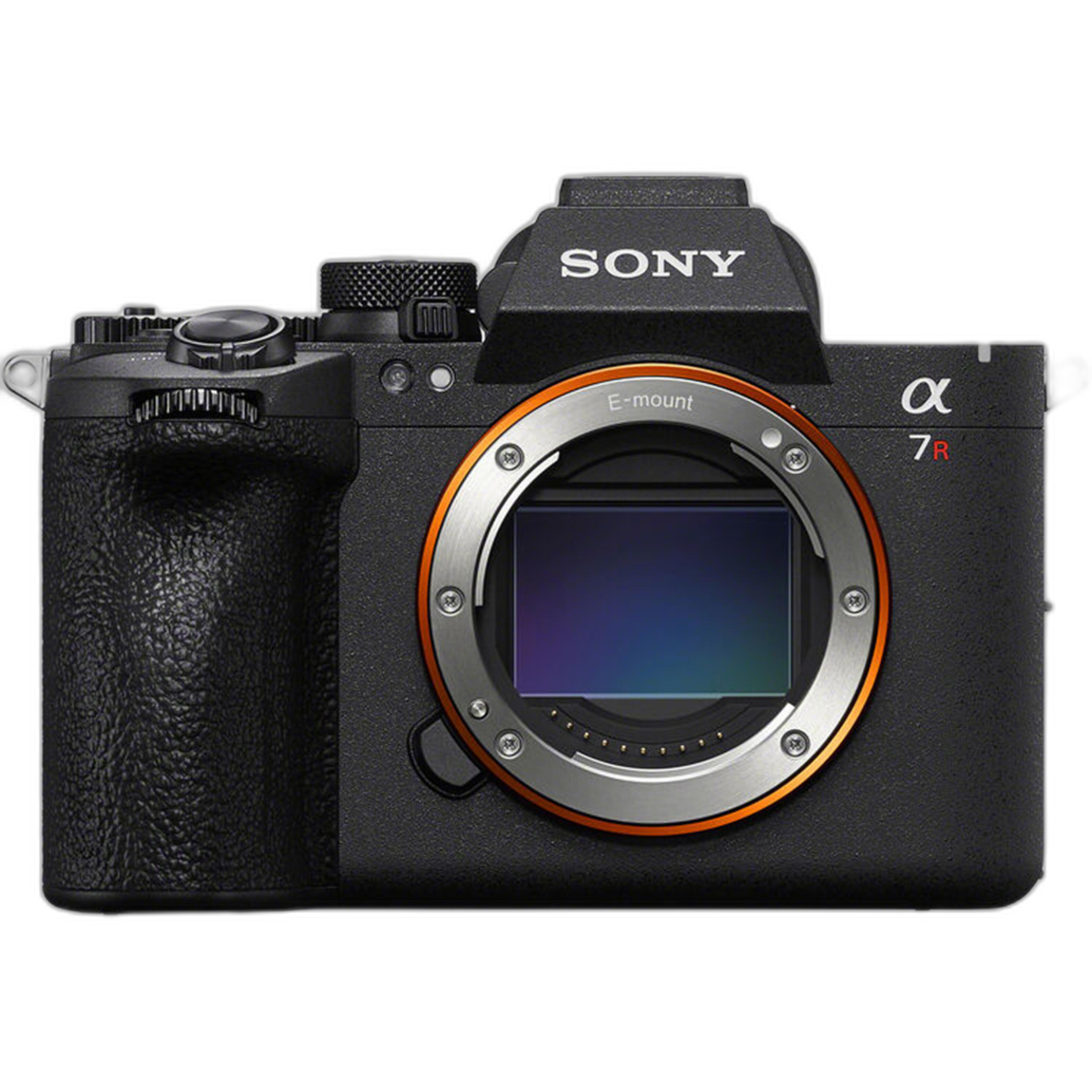
DSLRs can still produce excellent video, but many rely on slower or less refined live-view autofocus systems. If your style involves movement, solo shooting, or unpredictable subjects, mirrorless usually feels more responsive and confidence-inspiring.
2. Think about stabilization for handheld hybrid work
Mirrorless often makes handheld shooting easier
For hybrid shooters, handheld performance matters. You might be grabbing stills one moment and recording B-roll the next. Many mirrorless cameras now include highly effective in-body image stabilization, making them especially appealing for travel, documentary, and event coverage.
The OM SYSTEM OM-5 Mirrorless Camera is a great example of a compact mirrorless body that suits creators who want portability without giving up useful video-friendly features. Pairing a stabilized body with a flexible zoom can simplify your kit and reduce the need for extra support gear on lighter shoots.
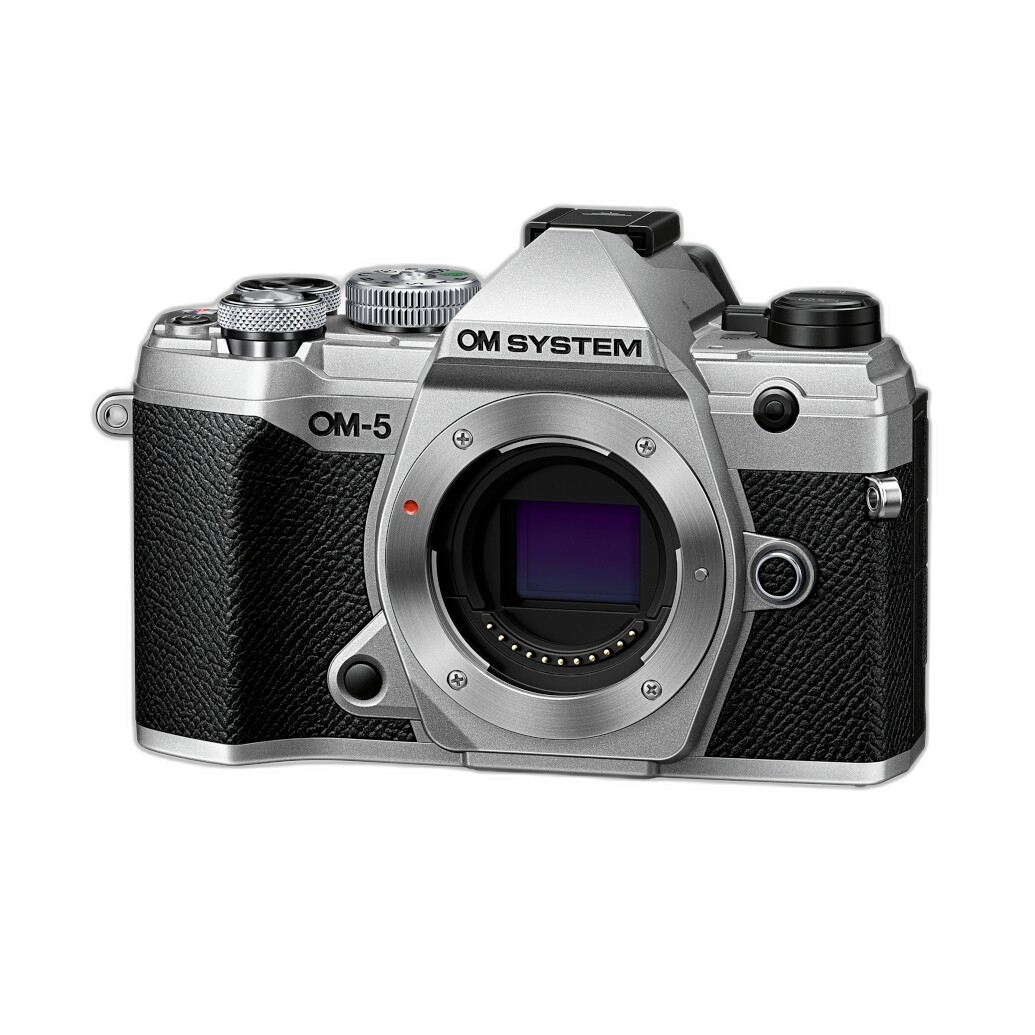
DSLR users often depend more heavily on lens-based stabilization or support rigs for smoother footage. That can still work well, but mirrorless systems frequently offer a more convenient all-in-one solution for hybrid creators.
3. Lens versatility can matter more than body style
Choose a system that supports quick transitions
A hybrid shooter benefits from lenses that can cover a lot of ground. Whether you are filming behind-the-scenes clips, grabbing portraits, or covering travel content, a versatile zoom helps you move faster.
The OM SYSTEM M.Zuiko Digital ED 12-200mm f/3.5-6.3 Lens is the kind of lens that makes mirrorless especially attractive for hybrid use. Its huge focal range can reduce lens swaps and keep you more agile when switching between video clips and still images during a shoot.
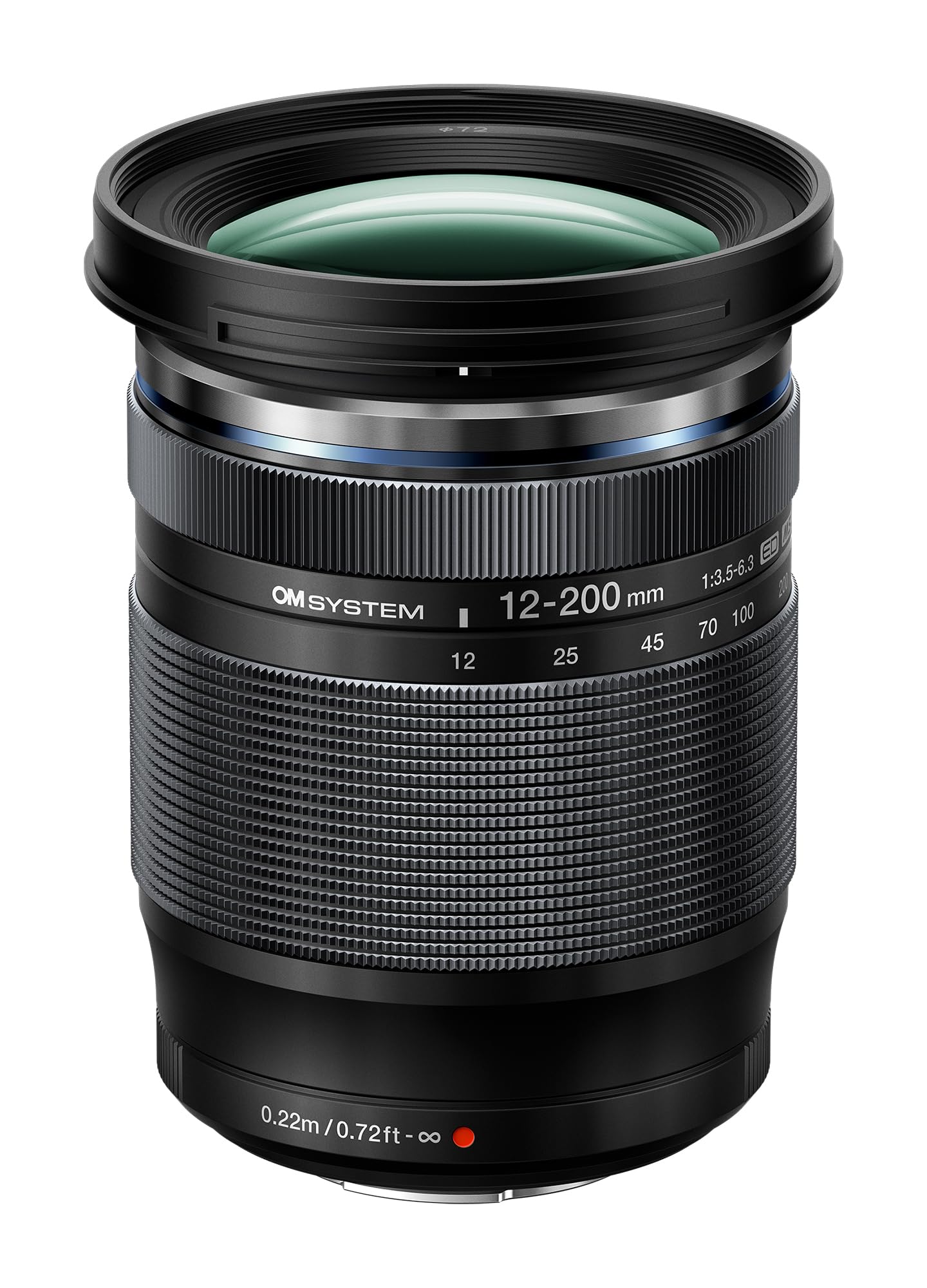
Accessories can also help refine that setup in practical ways. For example, the OM SYSTEM LH-49 Sliding Lens Hood can help manage flare when shooting outdoors, which is useful for both stills and video work.
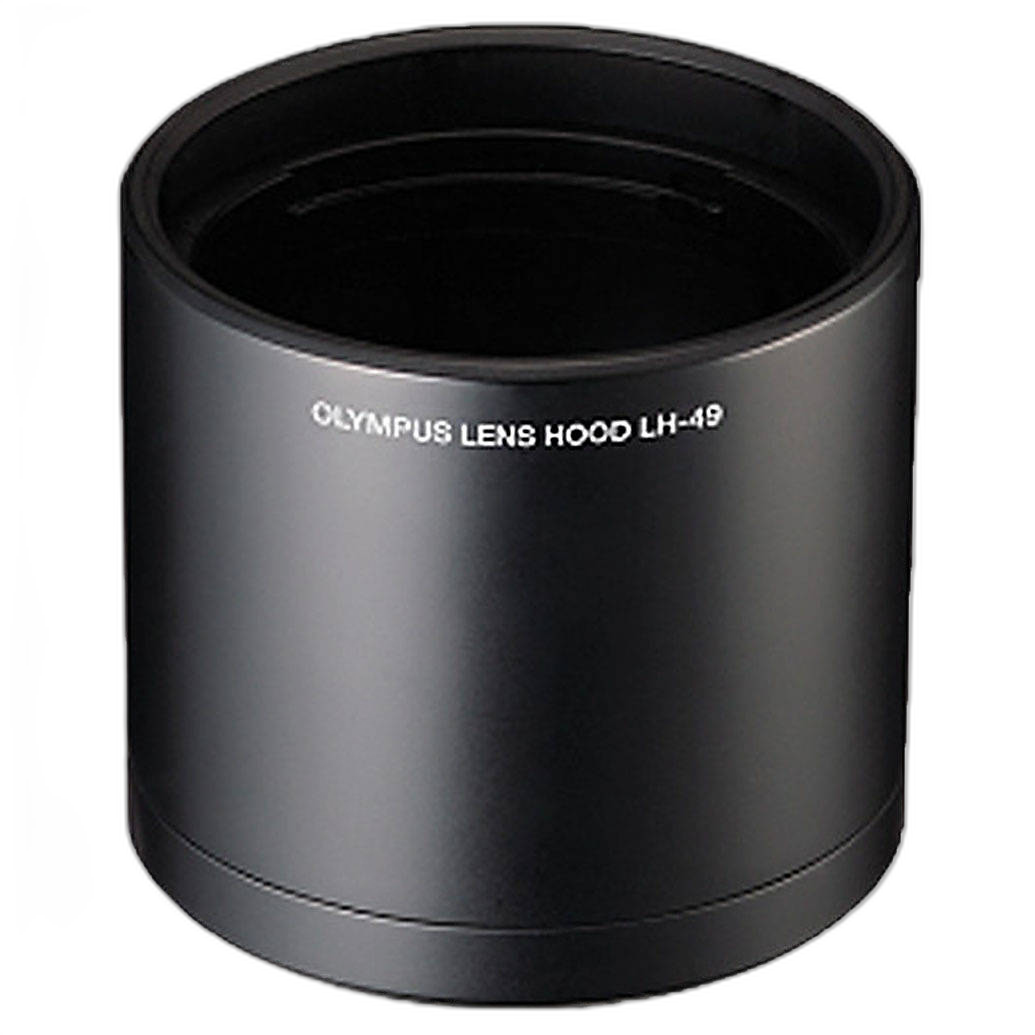
DSLR lenses remain excellent, especially for shooters already invested in a mature system. But if you are building from scratch and want a lightweight, adaptable kit, mirrorless ecosystems often feel more modern and travel-friendly.
4. Viewfinding and monitoring change the shooting experience
Electronic viewfinders are a real mirrorless advantage
One often overlooked benefit of mirrorless for video is the electronic viewfinder. Being able to preview exposure, white balance, picture profiles, and other settings in real time can make hybrid shooting faster and more intuitive.
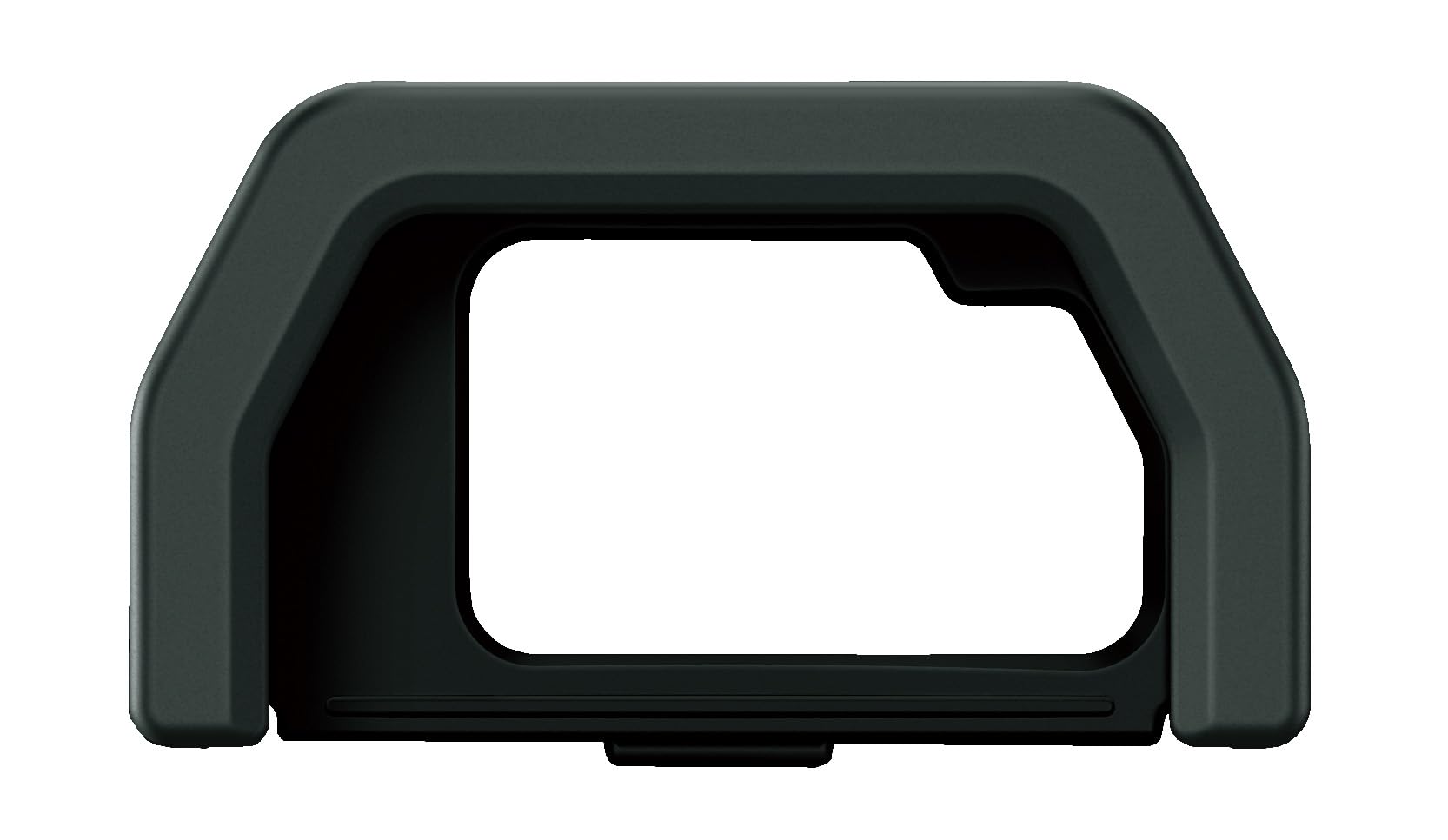
With a mirrorless body, you can better judge how your footage will look before you hit record. That is especially helpful when moving between indoor and outdoor scenes or working in changing light. Even simple comfort accessories such as the OM SYSTEM EP-15 Eyecup can improve the viewing experience when shooting for long periods.
DSLR optical viewfinders still feel natural for photography, but they are less helpful for video because recording usually requires live view on the rear screen. For hybrid shooters who constantly bounce between modes, mirrorless tends to offer a smoother workflow.
5. Don’t ignore battery life and shooting endurance
DSLRs still have one practical advantage
If there is one area where DSLRs can still appeal to hybrid shooters, it is battery life. Optical viewfinders consume less power, and that can be useful for long event coverage or travel days.
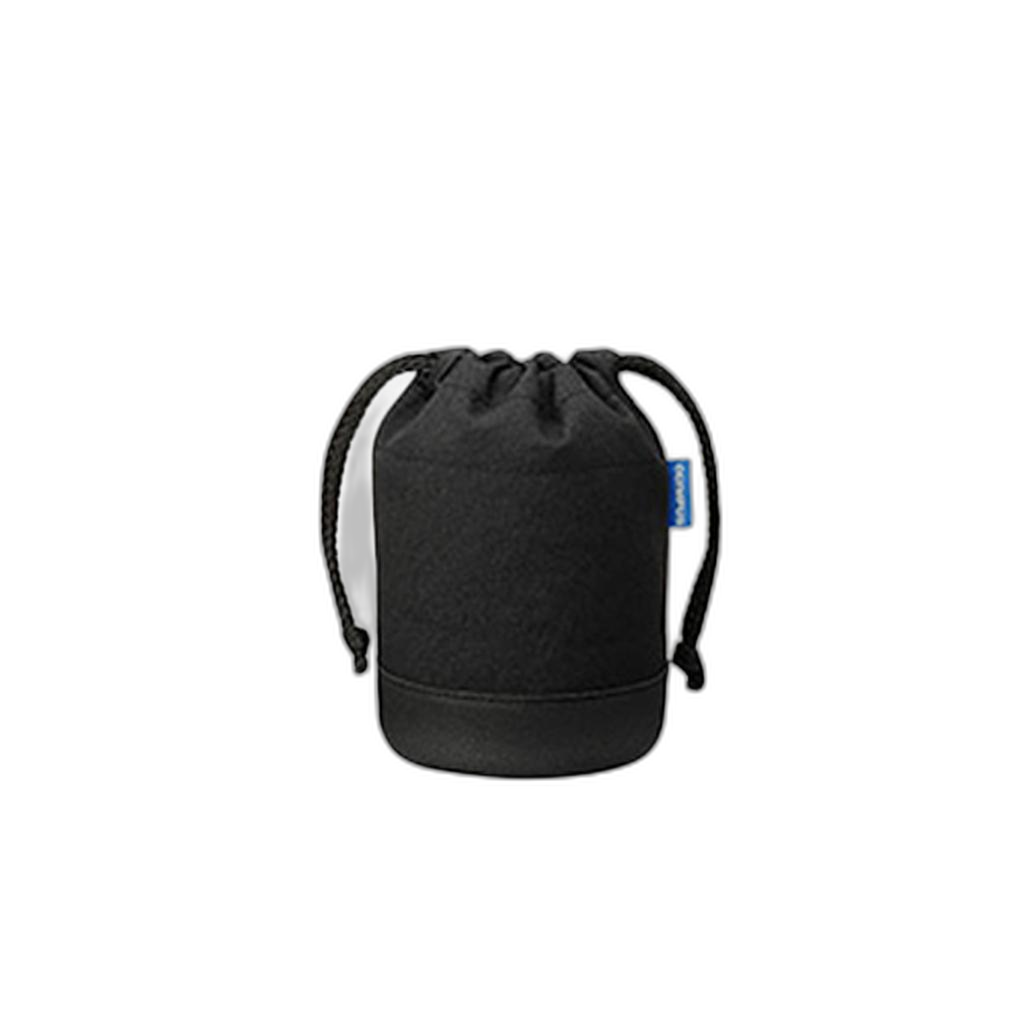
That said, many creators are willing to accept shorter mirrorless battery life in exchange for stronger autofocus, better live preview, and more advanced video features. The key is planning ahead with extra batteries and a lean carry setup. Keeping smaller accessories organized, even with something simple like the OM SYSTEM LSC-0811 Case for 14-42mm f/3.5-5.6 II Lens, can make a lightweight hybrid kit easier to manage on the move.
If your work involves long uninterrupted shooting, DSLR battery life may still be appealing. But for most hybrid creators in 2026, mirrorless advantages usually outweigh this downside.
6. Audio and crew communication matter just as much as the camera
Video capability is more than the body itself
When comparing DSLR and mirrorless for video, it is easy to focus only on camera specs. But hybrid production quality also depends on audio capture and communication. If you work with a team, direct talent, or cover events, a communication system can improve efficiency far more than a small spec difference between bodies.
The Saramonic WiTalk Base G16 1.9 GHz 16-Person Intercom System and Roaming Master is the kind of production tool that supports smoother coordination on more complex shoots. For hybrid shooters stepping into commercial, event, or multicam work, these practical additions can have a major impact on results.
In other words, the best video system is not just DSLR or mirrorless. It is the one that supports your entire workflow.
7. So, which system is better for hybrid shooters?
The short answer: for most people, mirrorless
- Choose mirrorless if you want stronger video autofocus, better live exposure preview, compact body options, modern stabilization, and a system built around both stills and video use.
- Choose DSLR if you already own lenses, prefer optical viewfinders for photography, want longer battery life, or mainly shoot controlled video setups where autofocus is less critical.
For many creators, a mirrorless setup like the OM SYSTEM OM-5 for portability or the Sony a7R VI for high-end hybrid performance makes more sense than investing further in DSLR video. Add a versatile lens like the OM SYSTEM 12-200mm, and you have a strong foundation for everything from travel clips to event coverage.
Conclusion
DSLRs are still capable tools, but for hybrid shooters who need a camera to excel at both stills and video, mirrorless is usually the better long-term choice. The improvements in autofocus, stabilization, monitoring, and compact system design make mirrorless especially compelling for today’s fast-moving creative work.
If you are ready to compare hybrid-friendly camera bodies, lenses, and accessories, Unique Photo is a great place to explore options and build a system that fits the way you actually shoot.