DSLR vs. Mirrorless for Event Videography in 2024
For event videography, the DSLR vs. mirrorless debate is no longer just about size or hype—it is about reliability, autofocus, stabilization, low-light results, recording flexibility, and how comfortably you can move through fast-changing environments like weddings, corporate events, parties, and live performances. In 2024, mirrorless cameras have become the more practical choice for most event shooters, but understanding why matters if you are deciding where to invest next.
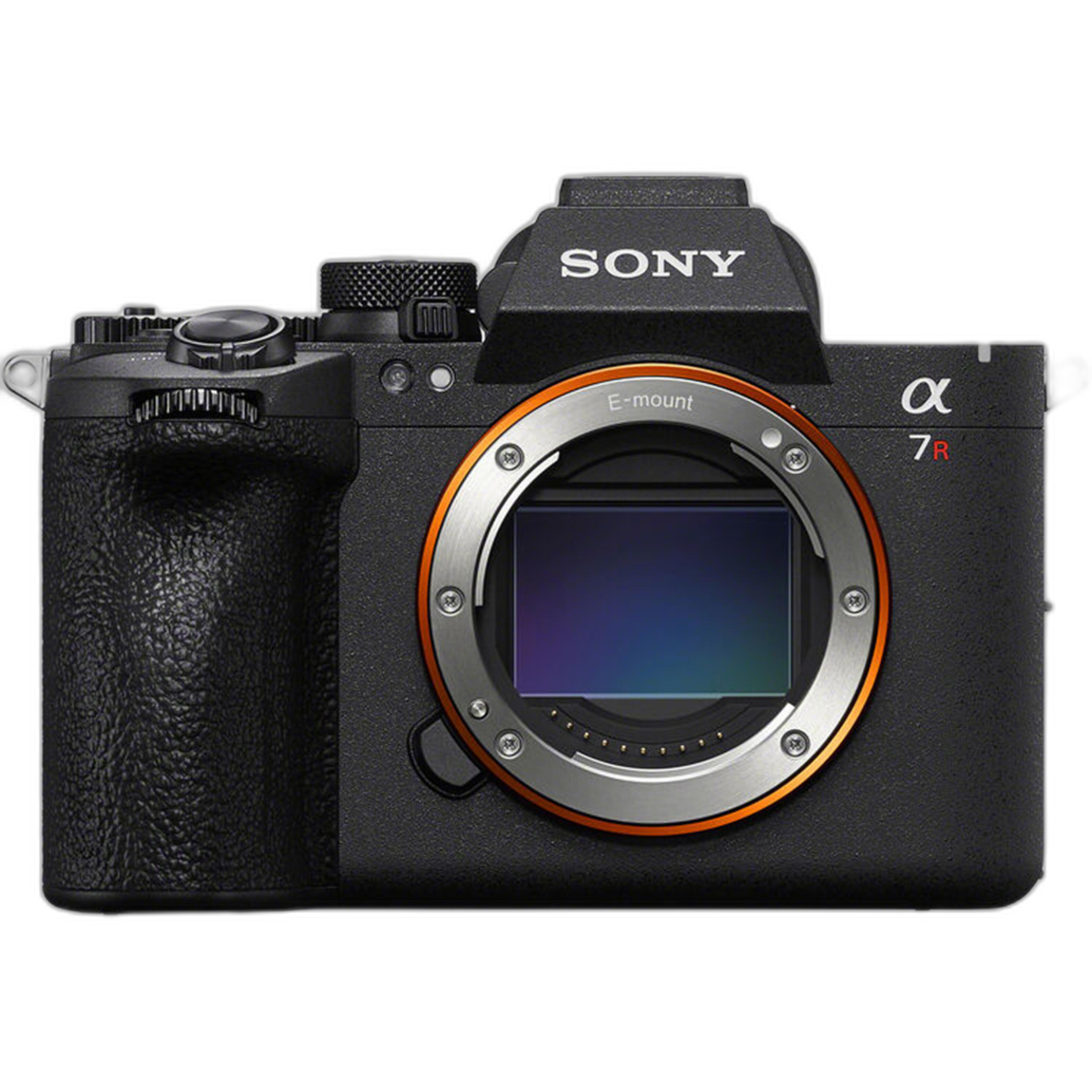
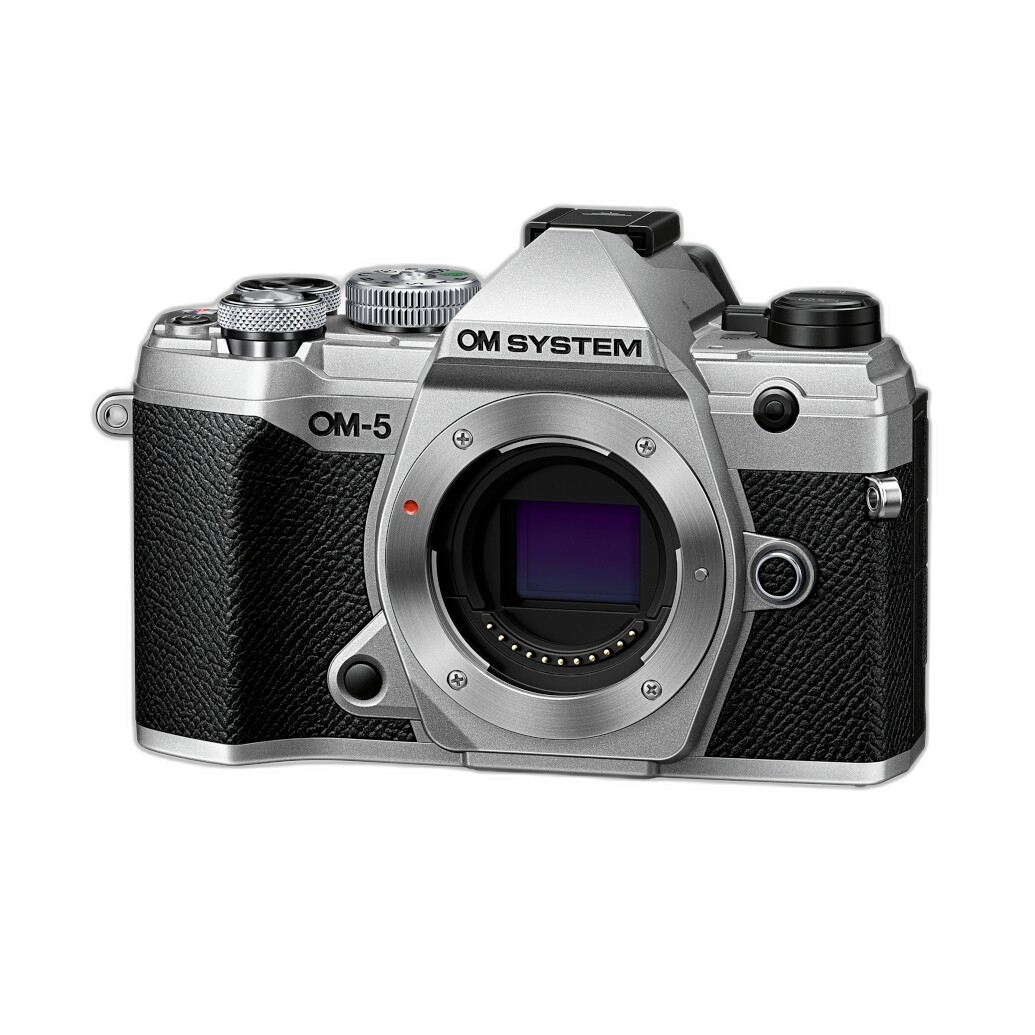
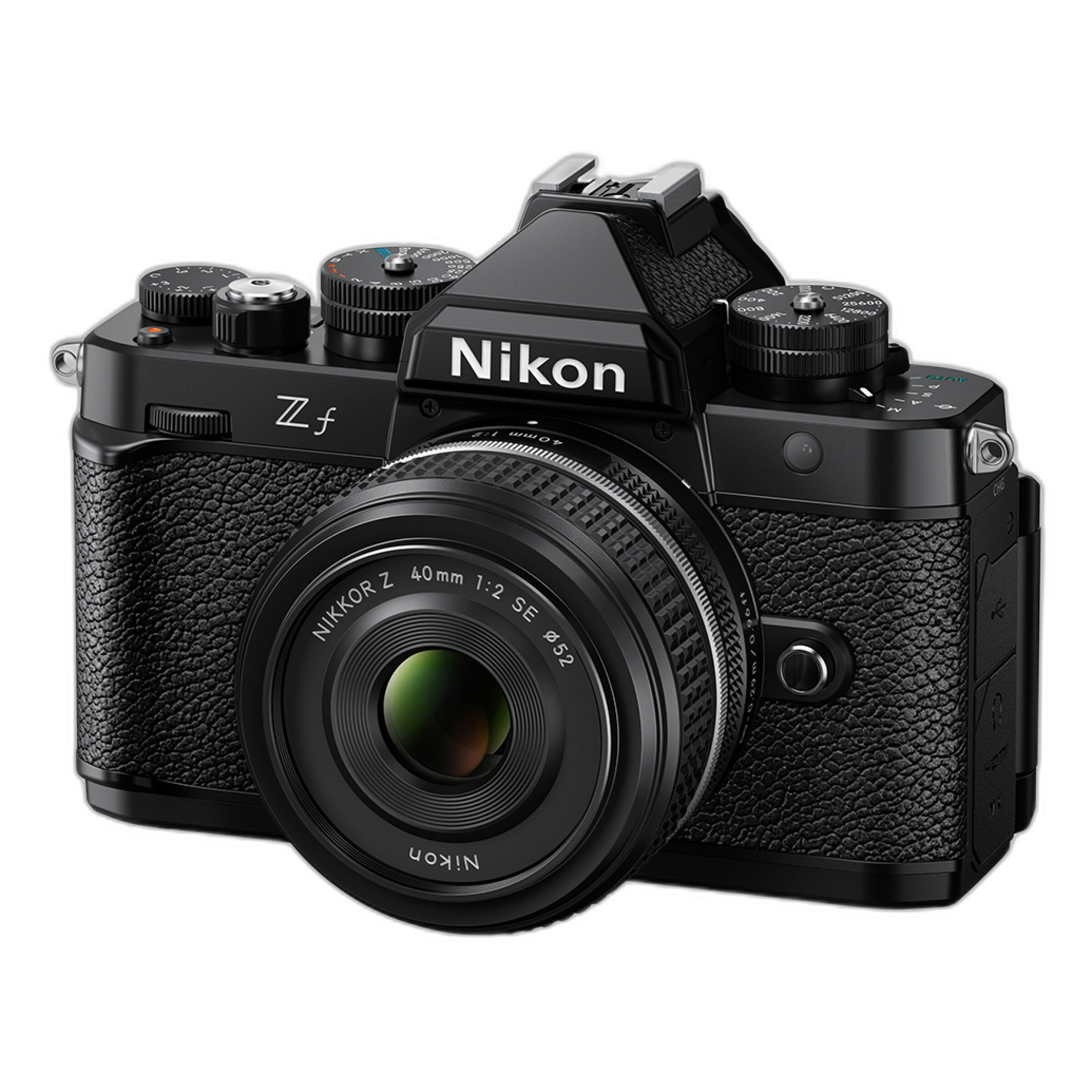
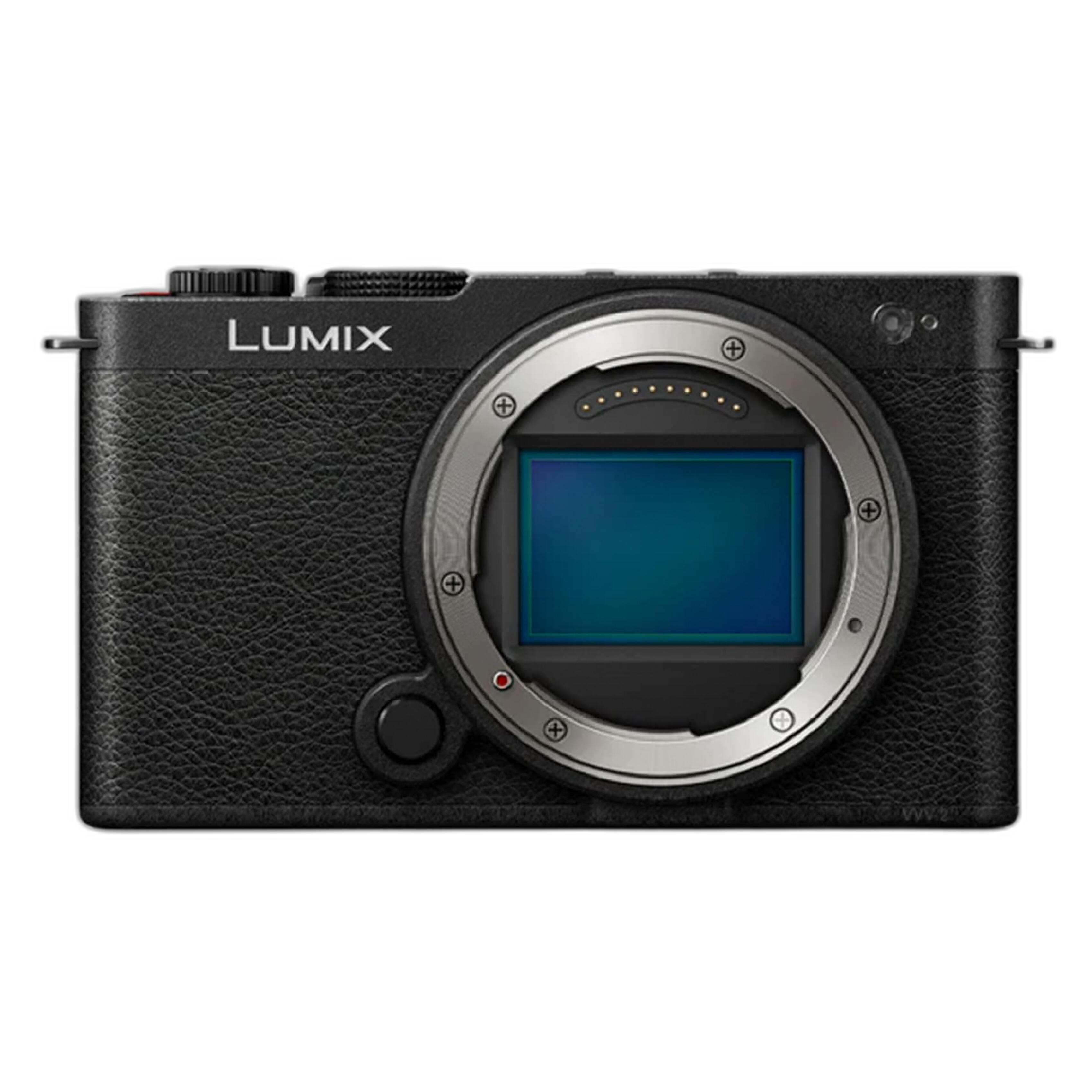
To illustrate the differences, we are comparing the traditional DSLR-style approach against several current mirrorless options available at Unique Photo, including the Sony a7R VI Mirrorless Camera, OM SYSTEM OM-5 Mirrorless Camera, Used Nikon Zf Mirrorless Camera with 40mm f/2 SE Lens, and Used Panasonic LUMIX S9 Mirrorless Camera. These models represent different priorities: high-end hybrid performance, portability, style-forward full-frame shooting, and compact content-friendly video creation.
At-a-Glance Specs Comparison
| Camera | Type | Sensor Format | Best Event Video Strength | Best For |
|---|---|---|---|---|
| Typical DSLR | DSLR | APS-C or Full Frame | Long battery life, familiar handling | Legacy shooters with existing DSLR lens kits |
| Sony a7R VI | Mirrorless | Full Frame | Advanced AF, strong hybrid capability, premium image quality | Professional event filmmakers needing top-tier performance |
| OM SYSTEM OM-5 | Mirrorless | Micro Four Thirds | Compact body, mobility, stabilization-friendly shooting | Run-and-gun event coverage and travel-light setups |
| Used Nikon Zf + 40mm f/2 | Mirrorless | Full Frame | Full-frame look in a stylish body, lens included | Creators wanting cinematic coverage with value in mind |
| Used Panasonic LUMIX S9 | Mirrorless | Full Frame | Compact full-frame video-first appeal | Hybrid creators and lightweight event shooters |
Why Mirrorless Has Overtaken DSLR for Events
Event videography is unpredictable. Subjects move quickly, lighting changes constantly, and there are no second takes for a first dance, keynote speech, or live performance. This is where mirrorless cameras have pulled ahead. Their on-sensor autofocus systems generally deliver better face and eye tracking in video, and many mirrorless bodies offer stronger stabilization, more modern video features, and lighter kits that are easier to carry over a full day.
DSLRs can still produce excellent video, especially in experienced hands, but many rely on older live-view autofocus systems that are simply less dependable for continuous subject tracking. For solo shooters, that can be a major limitation.
Autofocus Performance
Autofocus is one of the biggest reasons event videographers have embraced mirrorless. During ceremonies, speeches, dance floors, and walk-and-talk coverage, reliable continuous autofocus reduces missed moments and lets you concentrate on framing and movement.
Sony a7R VI is the strongest choice here for shooters who want a premium autofocus experience. Sony's mirrorless ecosystem is especially popular among event professionals because of its subject recognition and dependable real-time tracking performance. For fast-paced gigs, that can mean more usable footage and less stress.
OM SYSTEM OM-5 is better suited to shooters who prioritize mobility and efficient coverage over the absolute latest full-frame AF sophistication. It can be a very practical fit for documentary-style event work where size matters.
Nikon Zf offers the appeal of a full-frame mirrorless system and a useful included 40mm f/2 lens, which is a strong focal length for candid event coverage, interviews, and environmental shots.
Panasonic LUMIX S9 stands out as a compact full-frame option for creators who want portability without giving up sensor size.
Low-Light Performance
Low light is a defining challenge of event work. Reception halls, dim conference venues, theaters, and nightlife settings all reward larger sensors and lenses that gather more light.
This is where a full-frame mirrorless body like the Sony a7R VI, Nikon Zf, or Panasonic LUMIX S9 has a clear advantage over smaller-sensor systems and many older DSLRs. Full-frame cameras typically provide stronger high-ISO performance, more flexibility in dark spaces, and easier subject separation for a polished look.
The OM SYSTEM OM-5 can still be a smart event tool, especially when compactness and stabilization matter more than ultimate low-light headroom. For well-lit venues, daytime events, or shooters who prefer smaller rigs, it remains compelling.
Portability and All-Day Comfort
Events are physically demanding. A camera that feels fine for 20 minutes can become exhausting after six or eight hours of handheld coverage. This is another area where mirrorless systems shine.
The OM SYSTEM OM-5 is especially appealing for operators who move constantly, shoot on gimbals, or want a discreet setup for documentary-style event storytelling. Smaller systems can also be less intimidating around guests, helping you capture more natural moments.
The Panasonic LUMIX S9 is another attractive option if you want a relatively compact full-frame form factor. It suits modern hybrid shooters who create both event clips and social-ready content.
DSLRs, by contrast, often feel bulkier once you add event-friendly zooms, audio accessories, and support gear. That extra size can still help with balance for some users, but most event videographers today appreciate the lighter footprint of mirrorless kits.
Lens Ecosystem and Upgrade Path
One area where DSLRs still deserve respect is lens ownership. If you already have a mature DSLR lens kit, staying with that system may make financial sense in the short term. But for long-term growth, mirrorless offers the better upgrade path in 2024.
Sony remains one of the most established mirrorless ecosystems for professional video and hybrid work, making the a7R VI an especially strong anchor for serious shooters. Nikon Z and Panasonic L-mount also continue to grow, while OM SYSTEM provides a compact lens lineup that is extremely attractive for mobile productions.
Value for Different Kinds of Event Shooters
Not every event videographer needs the same tool. Your best choice depends on client demands, budget, and how you prefer to work.
- Choose DSLR if you already own a capable DSLR kit, mainly shoot controlled events, and want to maximize current gear before upgrading.
- Choose Sony a7R VI if you want a premium mirrorless camera for professional event coverage with advanced autofocus and high-end hybrid potential.
- Choose OM SYSTEM OM-5 if portability, nimble shooting, and lightweight operation are top priorities.
- Choose Used Nikon Zf + 40mm f/2 if you want a stylish full-frame mirrorless setup with strong value and an immediately useful event lens.
- Choose Used Panasonic LUMIX S9 if you want compact full-frame mirrorless performance geared toward modern hybrid creation.
Our Pick
For most event videographers in 2024, mirrorless is the clear winner over DSLR. The biggest reasons are better video autofocus, lighter kits, more modern feature sets, and a stronger long-term system investment.
Top recommendation: Sony a7R VI Mirrorless Camera. If your budget supports it, this is the strongest overall pick in this comparison for professional event videography. It offers the kind of autofocus confidence, image quality, and system support that make a real difference during high-pressure shoots.
Best lightweight alternative: OM SYSTEM OM-5. If portability is your priority, it is an excellent choice for event shooters who need to stay mobile all day.
Best value-minded full-frame option: Used Nikon Zf with 40mm f/2 lens. This setup gives you a compelling entry into full-frame mirrorless event coverage with a versatile lens included.
Helpful Add-Ons for Mirrorless Shooters
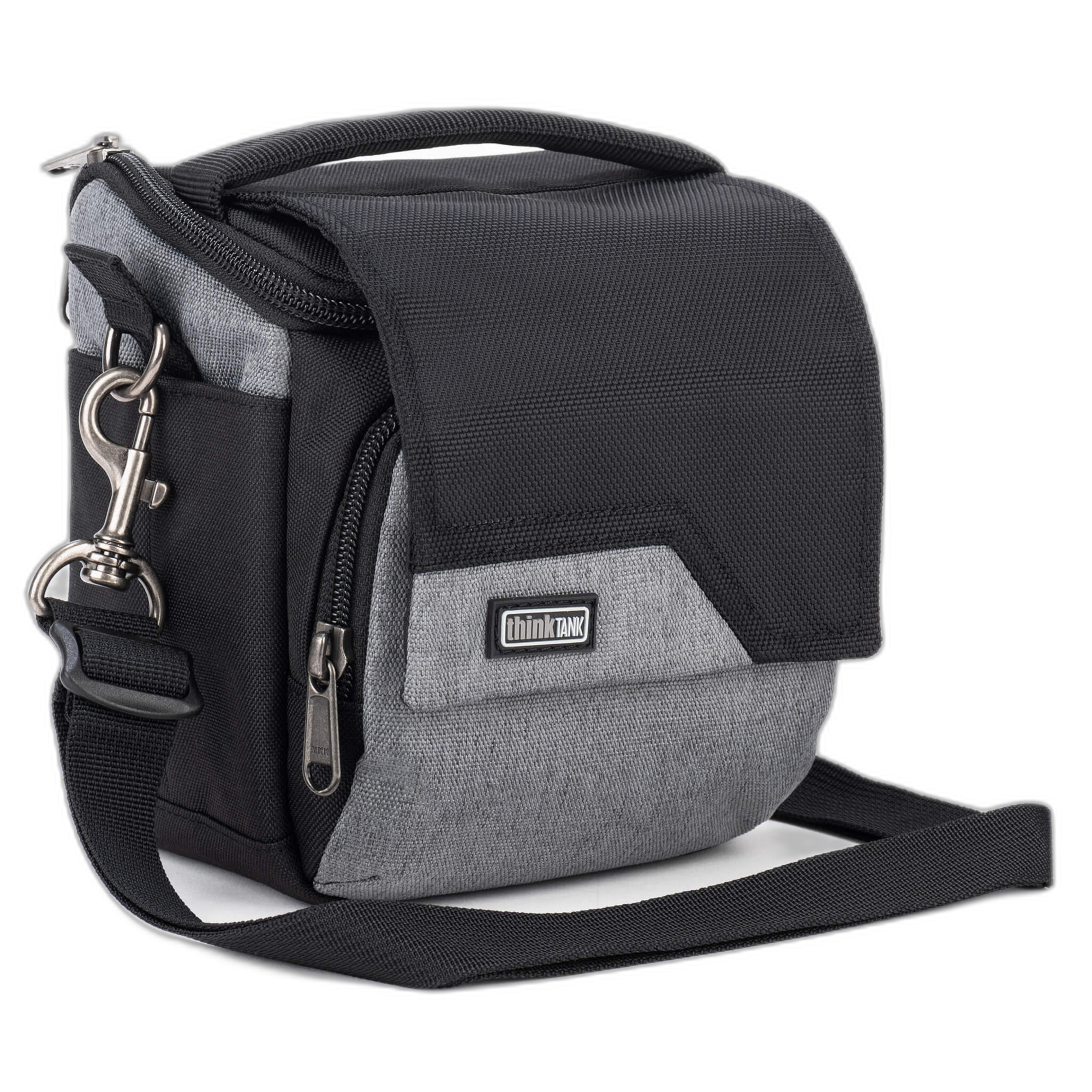
If you are building a mirrorless event kit, support gear matters too. A compact bag like the Think Tank V2 Mirrorless Mover 10 Cool Grey can make a lightweight event setup even more efficient for transport and fast access on location.
And if you are new to Sony's system, educational resources such as Understanding Your Sony Mirrorless Camera: Intermediate can help you get more from your gear before a paid event.
Conclusion
For event videography in 2024, DSLR cameras can still work, but mirrorless is the smarter recommendation for most shooters. Better autofocus, more compact bodies, stronger stabilization options, and modern video-first design all make mirrorless easier to trust during real-world events. Among the options here, the Sony a7R VI stands out as the best overall choice, while the OM SYSTEM OM-5, Nikon Zf, and Panasonic LUMIX S9 each offer distinct advantages depending on your style and budget. If you are ready to upgrade your event video kit, Unique Photo is a great place to compare bodies, accessories, and learning resources all in one place.